
The U.S. Air Force (USAF) is reviving its Standoff Attack Weapon (SoAW) concept. This shows that there is about to be a deeper shift in how the U.S. prepares for war.
For decades, American airpower relied on a small number of highly advanced, expensive weapons. That model is now being questioned. The SoAW program, as outlined by the Air Force, aims to deliver a “relatively affordable air-launched standoff cruise missile” by around 2033 (as quoted in Air and Space Forces magazine), explicitly designed for use against heavily defended targets.
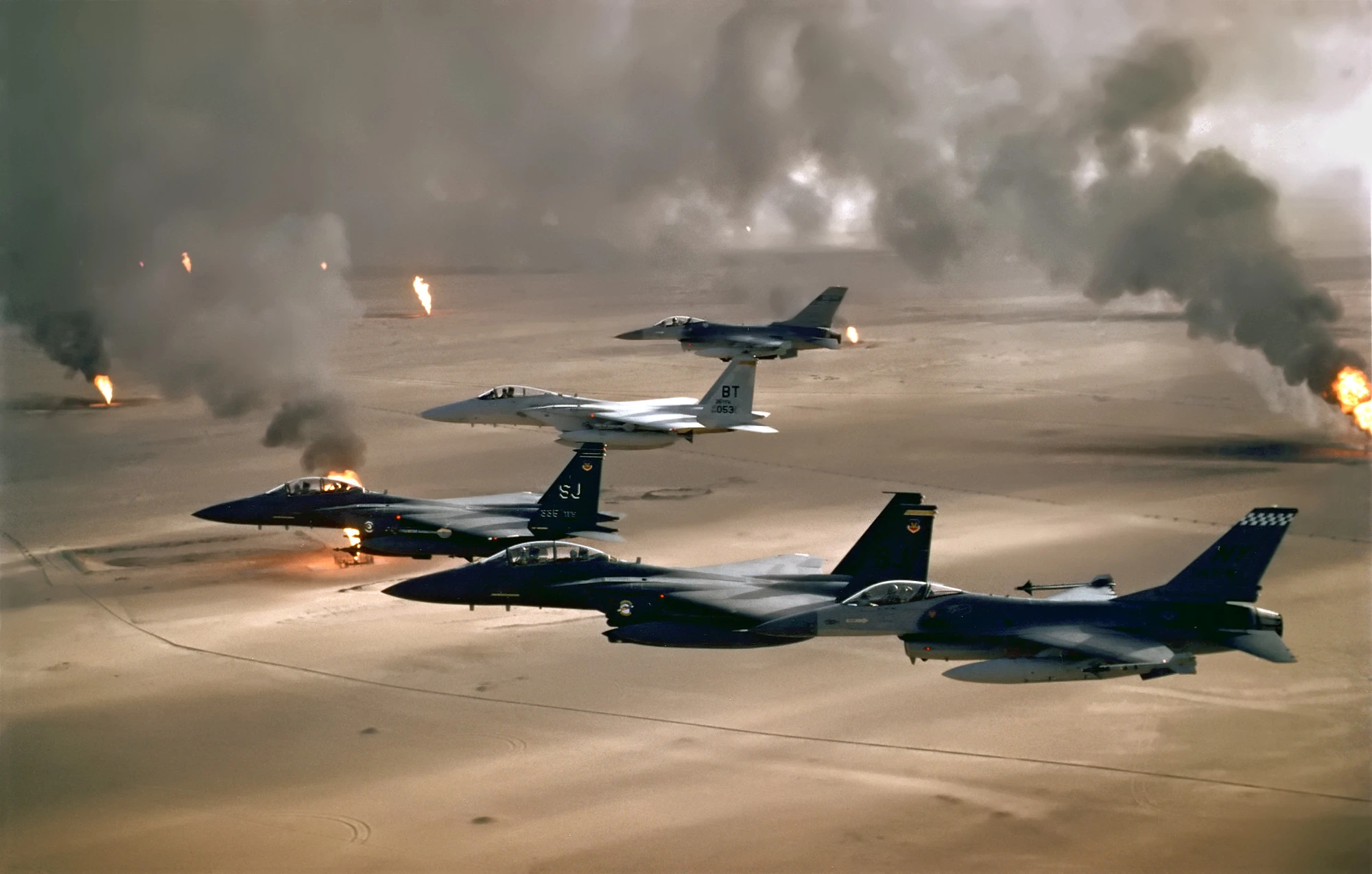
United States’ Budget Surge Signals a Problem
The urgency behind SoAW is visible in the numbers.
According to Air Force budget projections, missile procurement funding is set to jump from $3.7 billion in fiscal 2026 to $11.36 billion in 2027, with plans to reach $16 billion by 2029
This is not routine growth—it is a response to a structural concern: the U.S. may not have enough weapons for a sustained, high-intensity conflict.
Analysts such as rusi.org warn that in a major war, U.S. precision-guided munitions could be depleted in days or weeks, exposing a dangerous gap between capability and supply:
After an initial salvo of over 5,000 munitions in the first 96 hours, the conflict has settled into a grinding trial of attrition. While Iran’s daily missile and drone attacks have fallen by 80-90% from their initial peak, the sustained pace continues to drain the coalition’s most critical assets. Accordingly, our analysis has tracked that since day 5 and after, Iranian missile and drone attacks have averaged 33 and 94 strikes per day respectively.
And the problem is not limited to Iran. The following table shows the scope of depletion:
Offensive Munitions
| Munition Type | Days to Depletion | Projected Depletion Date |
|---|---|---|
| ATACMS + PrSM | 18 | 12-Apr-26 |
| AGM-158 JASSM / JASSM-ER | 44 | 08-May-26 |
| BGM-109 Tomahawk (Blk IV/V) | 79 | 11-Jun-26 |
| LRASM (AGM-158C) – U.S. Navy | 111 | 14-Jul-26 |
| Low-cost OWA drones (LUCAS/Scorpion) | 137 | 08-Aug-26 |
| AGM-88 HARM / AARGM-ER | 300 | 18-Jan-27 |
| AGM-154 JSOW | 420 | 19-May-27 |
| AGM-114 Hellfire (MQ-9 Reaper) | 1,041 | 29-Jan-29 |
| GBU-39 Small Diameter Bomb | 1,483 | 16-Apr-30 |
| GBU-31/32/38 JDAM | 1,687 | 05-Nov-30 |
| GMLRS / GMLRS-ER (HIMARS) | 2,613 | 20-May-33 |
Defensive Munitions
| Munition Type | Days to Depletion | Projected Depletion Date |
|---|---|---|
| THAAD (U.S.-operated) | 23 | 17-Apr-26 |
| SM-2 / SM-3 / SM-6 (Aegis Navy) | 76 | 08-Jun-26 |
| Patriot PAC-2 / PAC-3 (U.S.) | 83 | 15-Jun-26 |
| Air-to-Air (AIM-120 / AIM-9X) | 1,081 | 10-Mar-29 |
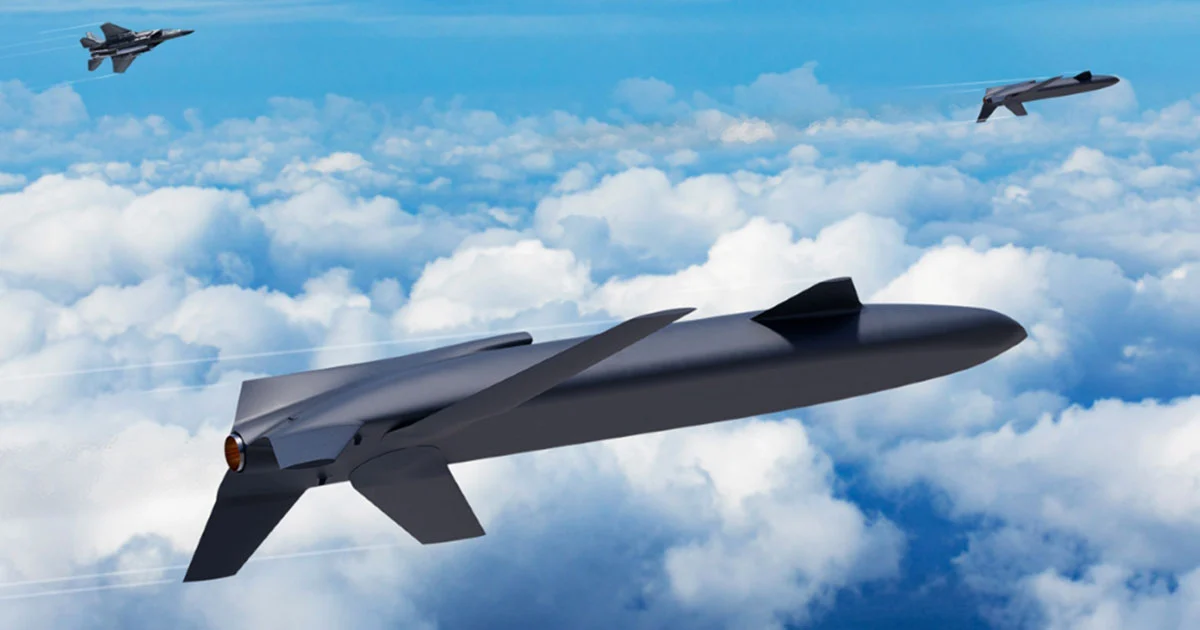
Precision Has Become Expensive for USAF
The Air Force already fields some of the most capable standoff missiles in the world—but cost has become a limiting factor.
- The JASSM-ER has a range of about 600 miles and costs roughly $2.6 million per missile
- The LRASM, its anti-ship variant, costs around $3.6 million per unit
- Future variants are expected to extend range to 1,000 miles, further increasing capability
These weapons are designed to be launched outside enemy air defenses, making them essential for non-stealth aircraft operating in contested environments
But there is a trade-off: they are too expensive to use in large numbers.
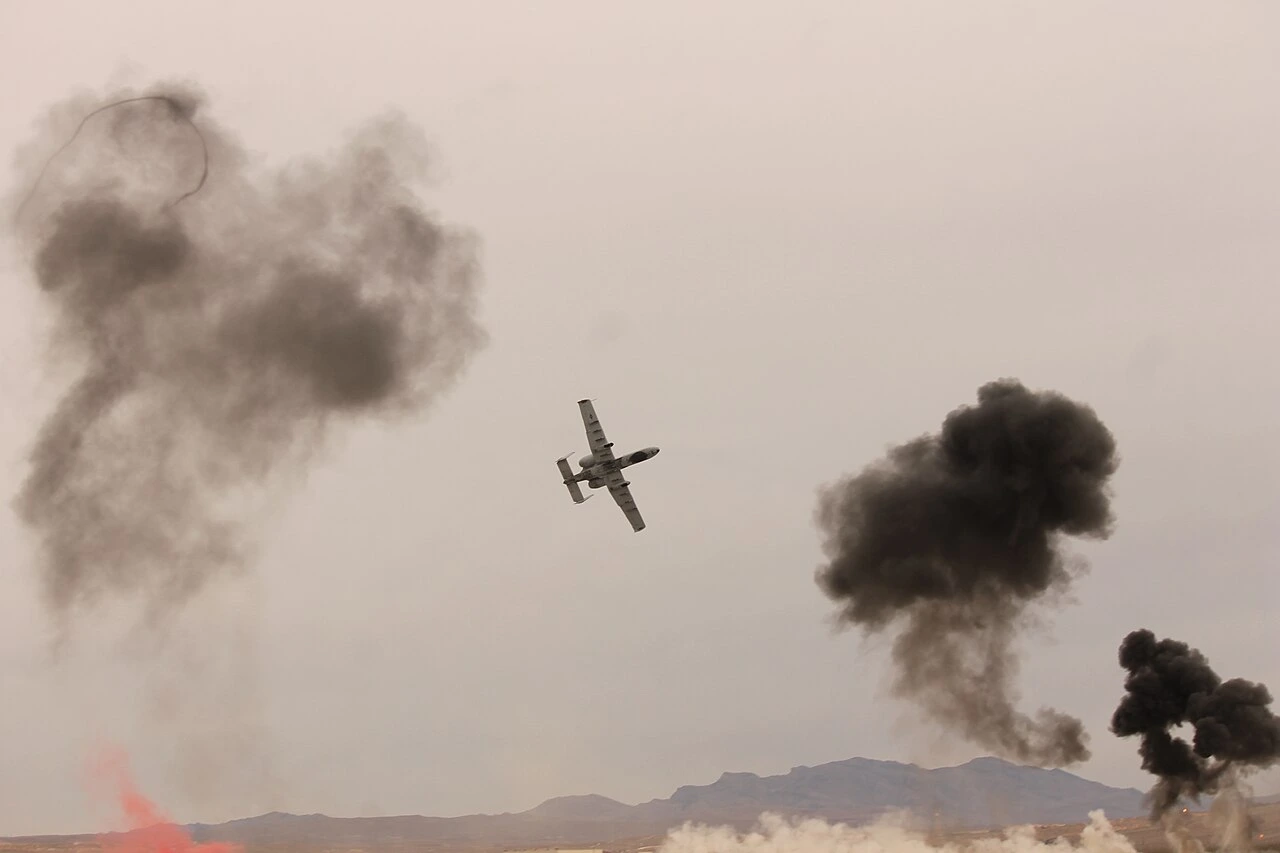

US Shifts from “Exquisite” to “Expendable” Missiles
This is where SoAW—and a broader set of programs—comes in.
The Pentagon is increasingly shifting toward what officials describe as “affordable mass”: building large numbers of cheaper weapons that can be produced quickly and used freely.
Recent defense reporting notes that the U.S. is burning through expensive missiles while struggling to replenish them quickly, prompting DARPA to look for weapons that can be built “in days rather than months”. As quoted in Business Insider:
“Rather than starting with complex, high-end systems that are typically large, expensive, exquisite, and few, a new approach prioritizes design for manufacturing at speed and scale….The goal is to produce large quantities of capabilities that are smaller, smarter, and significantly more affordable — designed for high-volume manufacturing.”
The implication is stark: industrial capacity is now as important as technological superiority.
United States’ $250,000 Missile Goal
Perhaps the clearest sign of this transformation comes from the Air Force Research Laboratory.
Alongside SoAW, AFRL is exploring a cruise missile that would fly at least 350 nautical miles, and cost less than $250,000 per unit.
If achieved, that would represent a tenfold reduction in cost compared to current systems like JASSM. This is not just a cheaper missile. It would mean that the US would be willing to accept lower individual capability and compensate with volume and availability.
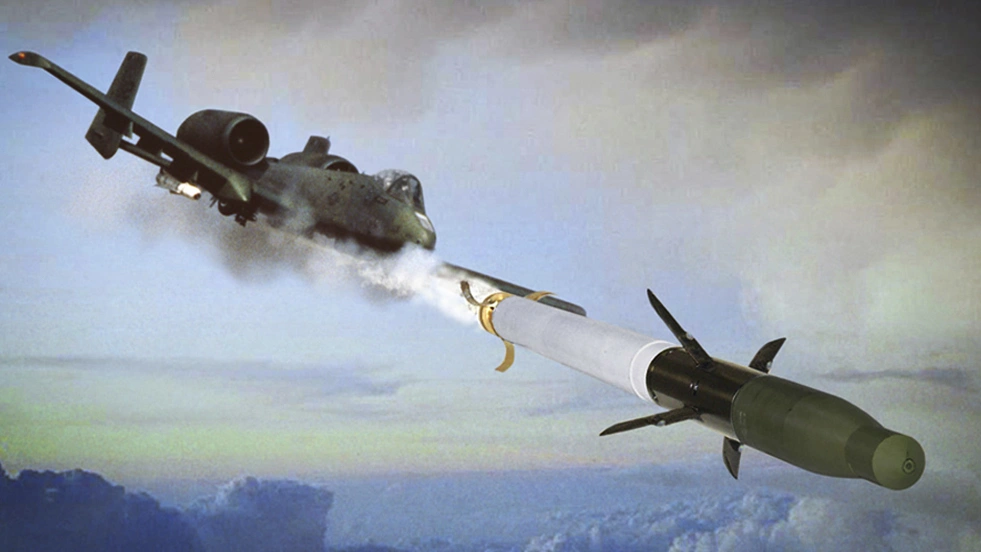
War Dictates That We Build Weapons at Scale, Not Perfection
The shift toward affordability is being reinforced across multiple programs.
The Family of Affordable Mass Munitions (FAMM) initiative, for example, focuses on developing:
- Cheaper propulsion systems
- Scalable sensors and seekers
- Networked, modular weapons
The program has already received $656.3 million for over 3,000 weapons, with additional funding requested
At the same time, DARPA is exploring ways to redesign missile manufacturing itself, prioritizing speed, scalability, and simpler components over highly complex systems
Despite this shift, the Air Force is not abandoning advanced systems.
It continues to develop high-performance weapons like the Stand-in Attack Weapon (SiAW), designed to:
- Strike mobile, high-value targets
- Operate inside heavily defended airspace
- Equip platforms like the F-35 and future B-21 bomber
What is emerging is a two-tier arsenal:
- High-end missiles for the most critical targets
- Low-cost, mass-produced weapons for sustained operations
All in All: War Is a Consumption Problem
The revival of SoAW ultimately reflects a broader truth. Modern warfare is not just about hitting targets—it is about how long you can keep hitting them. The Ukraine-Russia war, which saw the destruction of then heaviest aircraft in the world, the Antonov An-225 Mriya, has shown that modern warfare as such as wars of “attrition”.
Estimates suggest the United States has already launched over 500 missiles, with replenishing those stockpiles expected to take at least five years. A separate report by the Washington Post, published shortly afterward, placed the number even higher—closer to 850 missiles—while the Center for Strategic and International Studies noted that such usage would represent one of the largest deployments of Tomahawk cruise missiles in any modern conflict.
These systems come at a significant cost, as outlined by the following table:
| Weapon/System | Approximate Cost per Unit |
|---|---|
| Patriot interceptor | $4 million |
| THAAD interceptor | $12+ million |
| SM-2 missile | Several million |
| SM-6 missile | Several million |
| SM-3 interceptor | $10–$30 million |
| Tomahawk cruise missile | $2 million |
This means that precision weapons are used far faster than expected, production lines struggle to keep up, and eventually cost becomes a limiting factor in strategy
As a result, the Air Force is now prioritizing:
- Stockpile depth
- Production speed
- Cost per shot
Alongside traditional metrics like range and survivability.