
Kuwait remains one of the major destinations for Nepali migrant workers, and the resumption of flights is expected to ease passenger movement between the two countries. For a diaspora that collectively underpins a remittance-dependent national economy, the restoration of direct air access is far more than a logistical convenience.
West Asia Conflict That Shut Kuwait’s Skies And Grounded the Route
Following the outbreak of hostilities between Iran, Israel, and the US on 28 February 2026, air travel across the Middle East was severely disrupted. The consequences cascaded rapidly onto the Nepal–Kuwait corridor. In the month of March, from Nepal, four Air Arabia flights, three each of Flydubai and Qatar Airways, two each of Himalaya Airlines and Kuwait Airways, and one each of Jazeera Airways and Nepal Airlines were cancelled on a single day.
The drone strikes on Kuwait International Airport targeted it as a logistics hub for coalition transport, resulting in a total suspension of commercial aviation in Kuwaiti airspace. Kuwait Airways and Jazeera Airways reported combined losses exceeding USD 450 million. As of late March, regular flights between Nepal and Kuwait had remained suspended for 32 days since the incident, with a Kuwait Airways official in Kathmandu confirming that regular operations had not resumed since the attack.
Regular flights on Gulf sectors had remained suspended since 28 February 2026 due to the ongoing tensions and security situation in West Asia. Nepal’s Ministry of Foreign Affairs coordinated special repatriation flights and acknowledged the gravity of the disruption in a press release, noting that on 1 April 2026, a Kuwait Airways flight landed at Gautam Buddha International Airport (GBIA) in Bhairahawa carrying 291 passengers and the bodies of nine Nepali citizens.
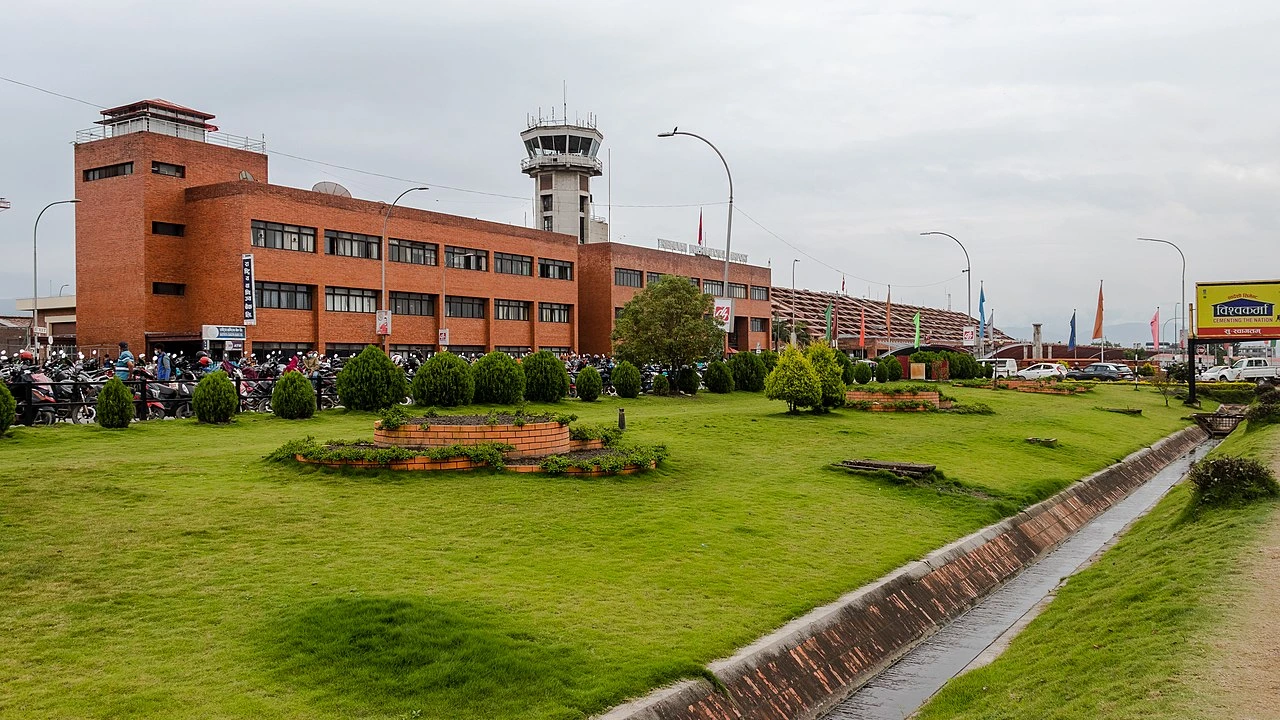
Why Is Kuwait Airways’ Nepal Route So Critical for Migrant Workers?
Kuwait Airways began flights to Nepal on October 31, 2022, and currently operates a fleet of 34 aircraft serving 56 international destinations, including Nepal. Prior to the conflict, Kuwait Airways held permission to operate five weekly flights between Kuwait and Kathmandu, while Jazeera Airways was authorised for two. The twice-weekly cadence now announced by Kuwait Airways therefore represents a meaningful but still partial restoration of the pre-conflict schedule.
The route’s commercial rationale is rooted firmly in labour migration. The Arab Gulf States host 65% of all Nepalis who migrate for work outside of Nepal and India, with remittances making up almost a third of Nepal’s GDP. Kuwait, alongside Qatar, the UAE, and Saudi Arabia, functions as one of the principal receiving nations for Nepali workers in construction, domestic service, and hospitality.
Disruption to direct air access therefore translates into cascading hardship for hundreds of thousands of households on both ends of the route.As reported in Aviospace.org’s coverage of Nepal’s airport infrastructure, only Kuwait Airways and Malaysia Airlines have been willing to operate flights from Gautam Buddha International Airport (BWA).
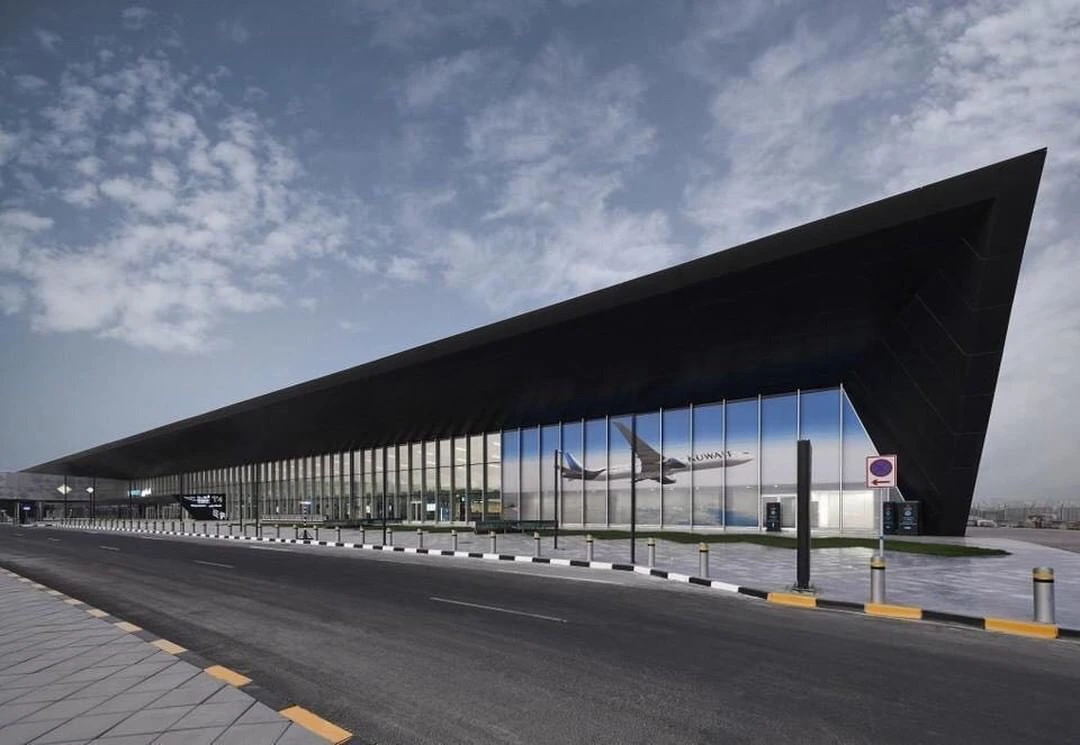
Kuwait Airport’s Phased Recovery Behind the Flight Resumption
Kuwait Airways did not simply flip a switch to resume operations. The airline’s return to the Kathmandu route is part of a methodical, phased reconstruction of its network following severe physical damage to Kuwait International Airport. The airport reopened on April 23, 2026, with commercial passenger flights resuming on April 26 from Terminals 4 and 5, according to the Directorate General of Civil Aviation. The closure had begun February 28, affecting more than 200,000 passengers and disrupting regional connectivity, Euronews reported.
Kuwait Airways and Jazeera Airways absorbed significant revenue losses during the closure, while cargo operations, tourism and business travel suffered. Terminal 1, which sustained drone-strike damage alongside the airport’s radar system and fuel storage tanks, remains closed for repairs.
According to IBTimes, Kuwait Airways is operating to 30 international destinations from Kuwait International Airport Terminal 4 under Phase 2 of its post-conflict recovery, launched on 3 May 2026.
Acting CEO Abdulwahab Al-Shatti told Kuwait state news agency KUNA that the initial phase would see Kuwait Airways serve 17 international destinations with 35 flights in the first week of resumed operations from Terminal 4. The carrier’s measured expansion since then — reaching 30 destinations by mid-May — demonstrates the careful pacing with which it approaches network reconstruction under regulatory and infrastructure constraints.
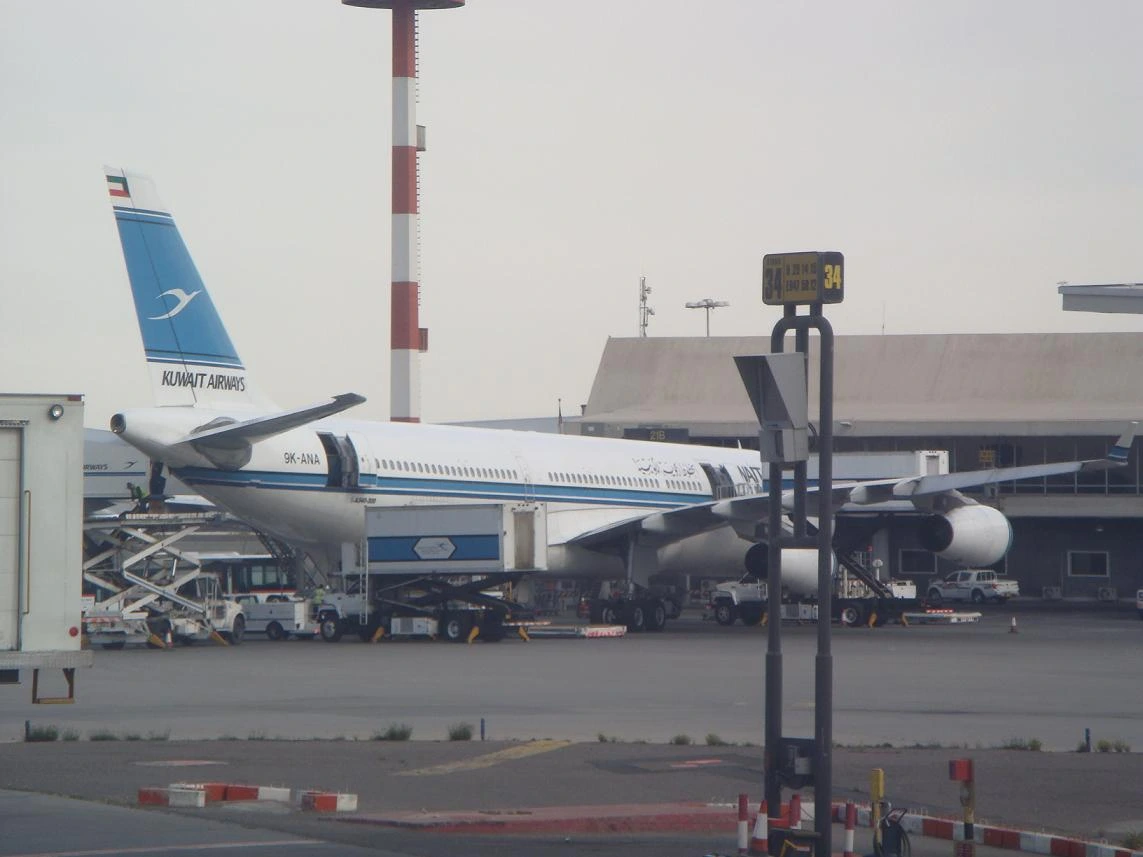
Jazeera Airways’ Parallel Restoration
Kuwait Airways is not alone in having rebuilt its Kathmandu connectivity in the wake of the conflict. Jazeera Airways (J9), Kuwait’s leading low-cost carrier, moved faster and through more circuitous means. Jazeera Airways announced the resumption of its commercial flights between Kuwait and Kathmandu via Dammam in Saudi Arabia, starting April 5, 2026, with one weekly flight scheduled every Sunday. Arab Times reported that Nepal’s Ambassador to Kuwait, H.E. Ghanashyam Lamsal, welcomed the move at the time, calling it “a vital and reliable travel option for the Nepalese community in Kuwait“.
Barathan Pasupathi, CEO, Jazeera Airways was quoted in Al Bawaba to have said:
“The operation of our first flight to Kathmandu marks an important milestone in restoring connectivity between Kuwait and Nepal following the airport closure. While conditions remain complex, our focus is clear — ensuring safe, reliable travel for our passengers and supporting the communities that depend on these links.”
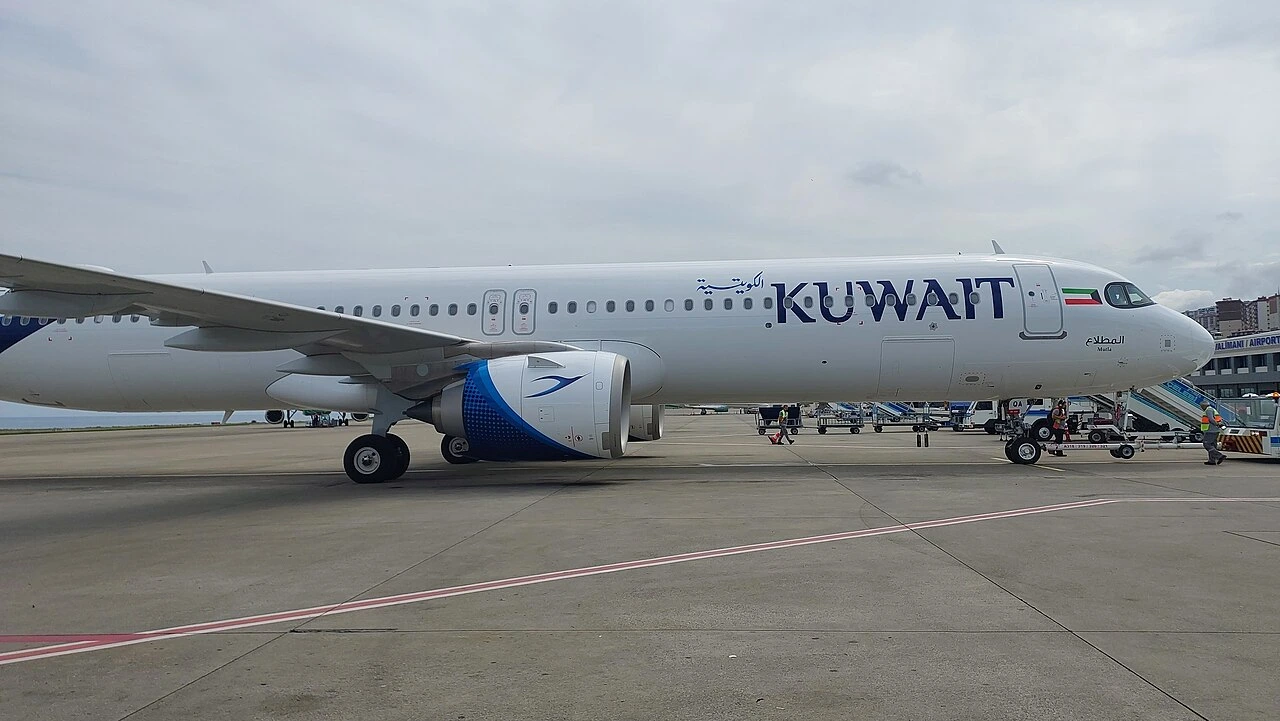
What This Resumption Means For Nepal’s Aviation And Migrant Community
Nepal’s aviation sector has already demonstrated resilience in post-disruption recoveries. Post-COVID, passenger numbers at Tribhuvan International Airport rebounded to 4.54 million in 2023, marking a 30.18% increase from 2022. In 2024, the airport handled 33,247 takeoffs and landings, a 5.68% rise from the previous year.
For Nepal’s government, the return of Kuwait Airways carries diplomatic as well as logistical weight. The West Asia conflict stranded thousands of Nepali workers and temporarily severed a vital financial lifeline. Kuwait Airways repatriated 318 passengers — including the bodies of nine Nepali migrant workers — on a chartered Boeing 777-300 in early April, coordinated with the Nepali Embassy in Kuwait and the Civil Aviation Authority of Nepal (CAAN).
The resumption of scheduled services removes the dependency on ad hoc charter coordination and restores the predictability that workers and their families require. Kuwait’s ambitious airport modernisation programme continues in parallel. The USD 5.8 billion Terminal 2 project, designed by Foster + Partners and built by Limak İnşaat, remains on track for late 2026 completion.
Once operational, it will boost annual capacity to 27 million passengers and position Kuwait as a stronger regional hub. When Terminal 2 becomes operational, it could fundamentally alter the competitive calculus on South Asian routes — expanding capacity and, over time, exerting downward pressure on the elevated fares currently on offer.