
IndiGo (6E), India’s largest airline by market share, has announced a comprehensive revision of its fuel surcharge structure for both domestic and international routes. The updated pricing came into effect for all bookings made from April 2, 2026, reflecting the continued volatility in aviation turbine fuel (ATF) prices.
The airline has introduced a distance-based model for domestic flights and a region-specific structure for international sectors, with surcharges starting at ₹275 domestically and rising up to ₹10,000 for long-haul international routes. IndiGo stated that the revision aims to balance operational sustainability while minimizing the financial burden on passengers.
DGCA Fines IndiGo 222 Million Over December Flight Disruptions, Orders 500 Million Bank Guarantee
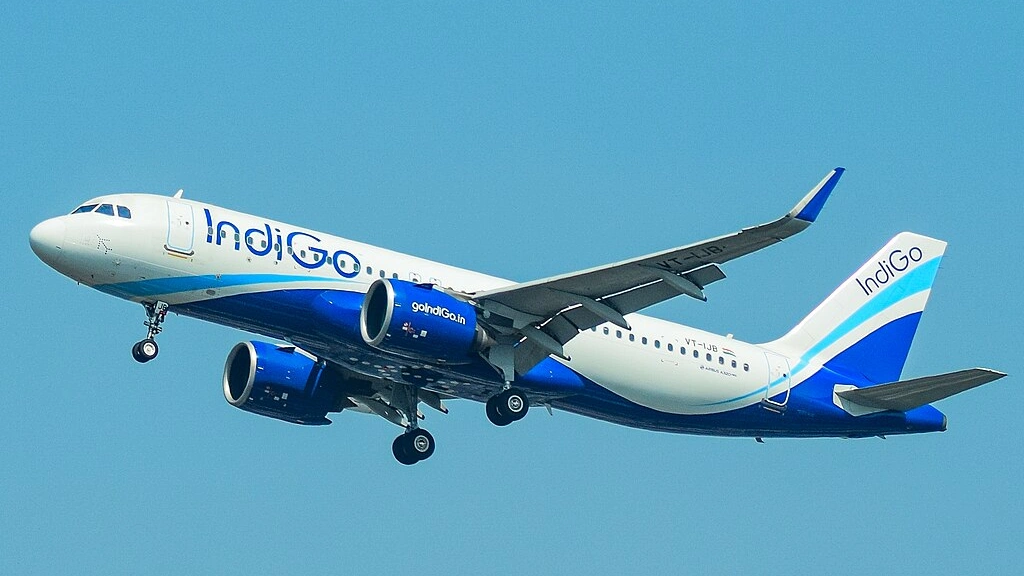

IndiGo- Airline Profile
| Feature | Details |
|---|---|
| Airline Name | IndiGo Airlines |
| Founded | 2006 |
| Headquarters | Gurugram, Haryana, India |
| CEO | Rono Dutta |
| Fleet Size | ~300+ aircraft (mainly Airbus A320 family) |
| Destinations | 90+ domestic and 25+ international destinations |
| Hub Airports | Indira Gandhi International Airport (Delhi), Chhatrapati Shivaji International Airport (Mumbai) |
| Parent Company | InterGlobe Aviation Ltd. |
| Business Model | Low-cost carrier (LCC) |
| Frequent Flyer Program | 6E Rewards |
| Website | www.goindigo.in |
.jpg)
IndiGo’s Tiered Fuel Surcharge System
IndiGo has implemented a tiered fuel surcharge system for domestic routes, aligning charges with flight distance. This approach ensures shorter routes remain relatively affordable while longer sectors absorb a proportionate increase.
| Distance (km) | Fuel Surcharge (₹) |
|---|---|
| Up to 500 km | ₹275 (~$3.31) |
| 501 – 1,000 km | ₹400 (~$4.82) |
| 1,001 – 1,500 km | ₹600 (~$7.23) |
| 1,501 – 2,000 km | ₹800 (~$9.64) |
| Above 2,000 km | ₹950 (~$11.45) |
Data: Indian Express
This structured pricing model is an indication of operational cost variations across route lengths while maintaining fare competitiveness in India’s price-sensitive aviation market.
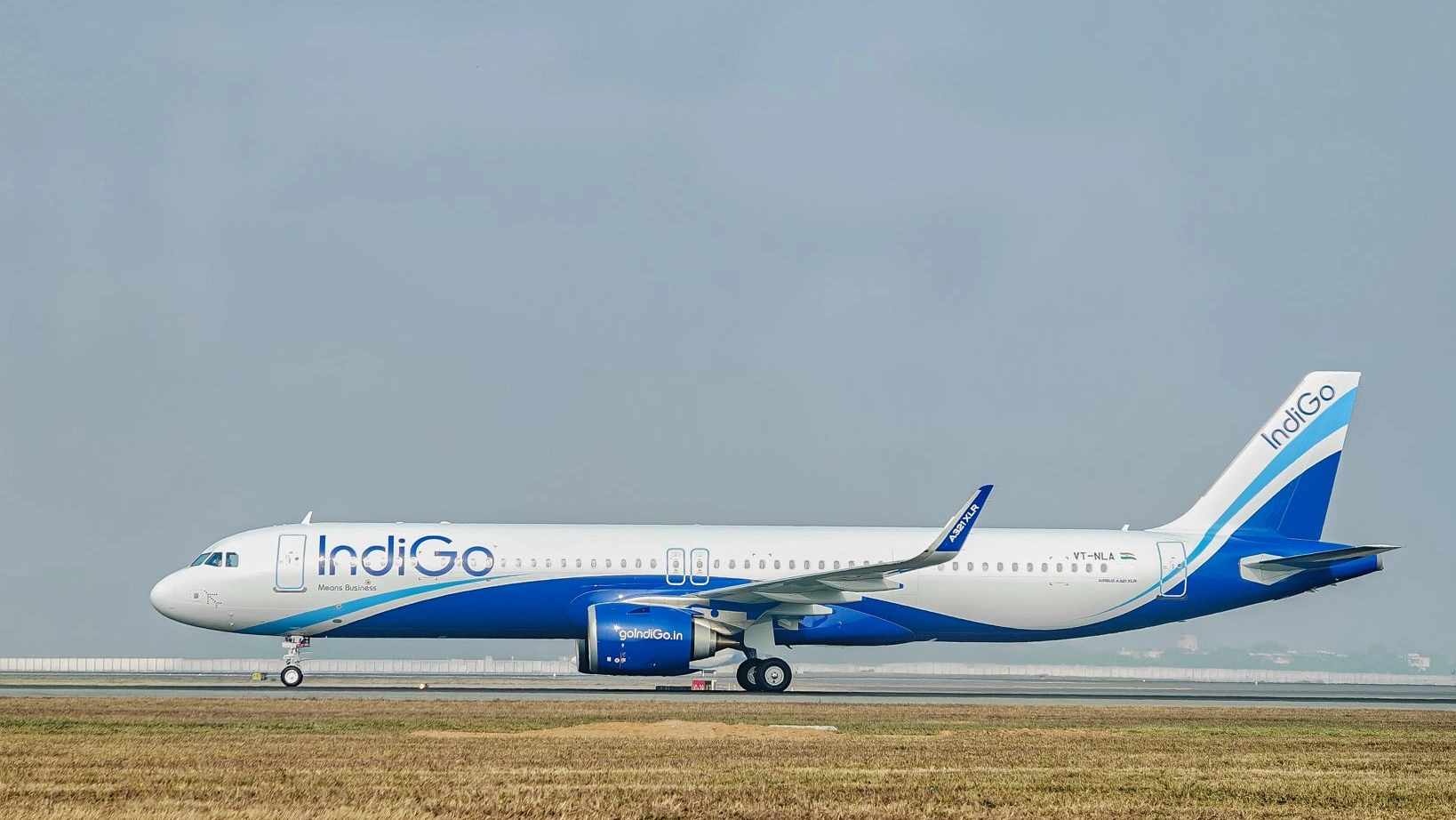
IndiGo Revises International Fuel Surcharge for International Operations
IndiGo has introduced a region-wise pricing mechanism. The airline has categorized routes based on geography and distance, resulting in varied surcharge levels.
| Region | Distance / Category | Fuel Surcharge (₹ / USD) |
|---|---|---|
| Indian Subcontinent | Up to 500 km | ₹900 (~$10.84) |
| Indian Subcontinent | Beyond 500 km | ₹2,500 (~$30.12) |
| GCC & Middle East | Up to 2,000 km | ₹3,000 (~$36.14) |
| GCC & Middle East | Beyond 2,000 km | ₹5,000 (~$60.24) |
| Southeast Asia & China | Up to 2,000 km | ₹3,500 (~$42.17) |
| Southeast Asia & China | Beyond 2,000 km | ₹5,000 (~$60.24) |
| Africa | Flat rate | ₹5,000 (~$60.24) |
| Greece & Turkey | Flat rate | ₹7,500 (~$90.36) |
| UK & Europe (excl. Greece & Turkey) | Flat rate | ₹10,000 (~$120.48) |
The highest surcharge applies to long-haul European routes, reflecting the significantly higher fuel consumption and operational costs associated with these sectors.Rising aviation fuel costs drive IndiGo’s pricing revision
IndiGo attributed the surcharge revision primarily to sharp increases in aviation turbine fuel prices. Industry data indicates that fuel costs have surged significantly, placing pressure on airline operating margins. The fuel costs is one of the reasons why one of the largest airlines in the world, United Airlines, recently upped their check-in baggage fees by $10.
ATF remains one of the largest cost components for airlines, said The Indian Express:
“ATF prices in India are linked to the Mean of Platts Arab Gulf (MOPAG), a price assessment by S&P Global based on jet fuel prices in West Asia. The global average jet fuel price for the week ended March 27 was $195.19 per barrel, up 103.9% from the February average and 116.8% higher than last year’s average, according to data from S&P Global Energy compiled by the International Air Transport Association (IATA).”
Despite the rise, IndiGo emphasized that it has not fully passed on the cost increase to passengers, opting instead for a partial adjustment to maintain affordability. In its official communication, the airline acknowledged government efforts to moderate fuel price increases, particularly for domestic operations.
Passengers booking after April 2, 2026, will need to factor in these additional charges when planning travel.