Dubai has quietly introduced one of the most restrictive aviation policies in recent years, capping foreign airlines to just one daily flight into its airports, and this doesn’t bode well for airlines from India.
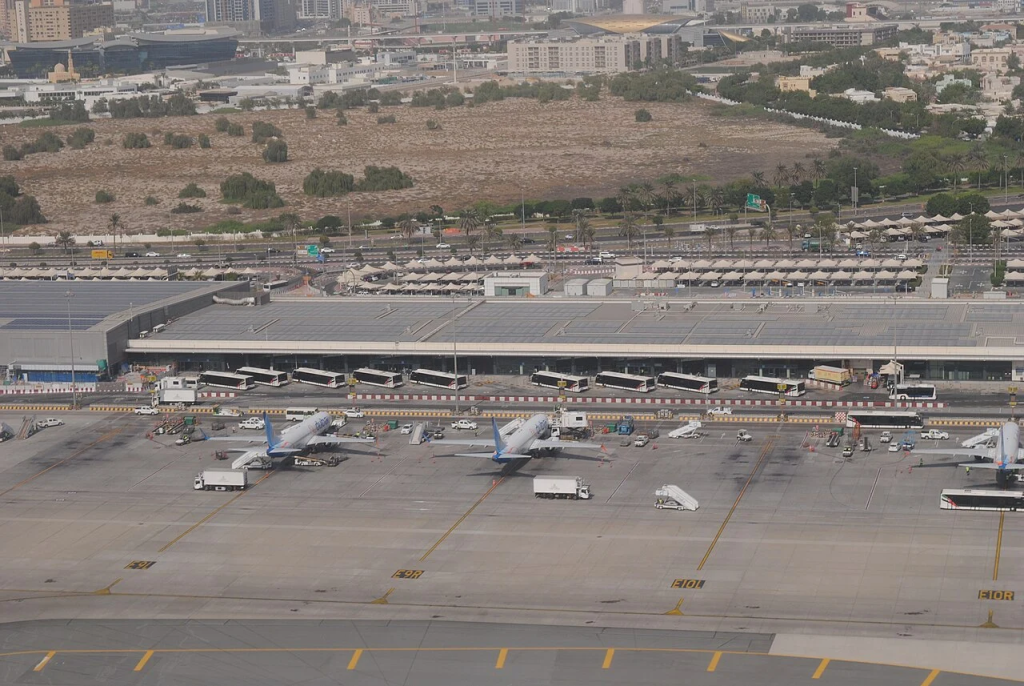
The rule applies to both Dubai International Airport (DXB)—the world’s busiest international airport—and Al Maktoum International Airport (DWC), and will remain in place until May 31, 2025.
Reuters reported that airlines were informed of the restriction through a private communication on March 27, with enforcement beginning April 20 and covering the peak summer travel season.
The decision extends earlier curbs introduced after the Iran conflict, which saw the downing of an American F-15 and A-10 Warhog, began—highlighting how geopolitical tensions are now directly shaping airline capacity.
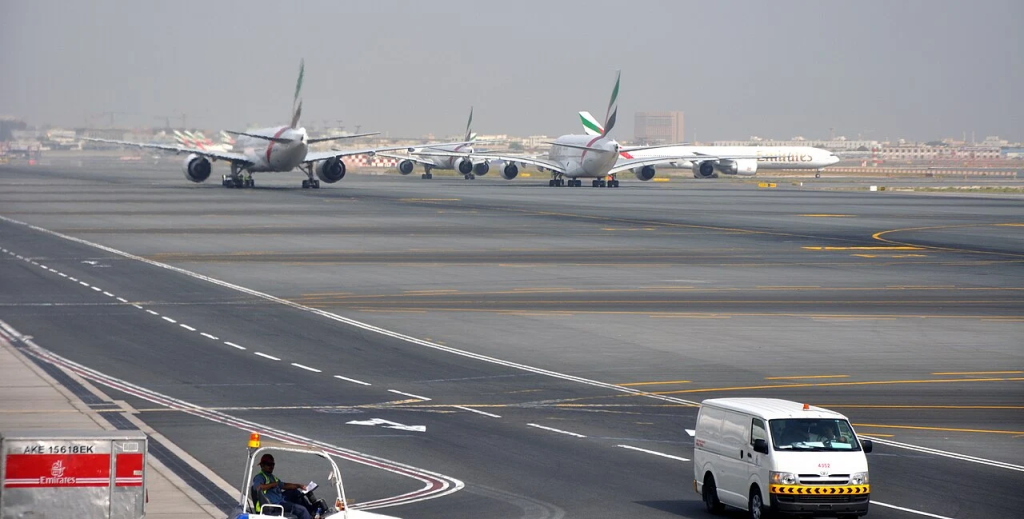

All Foreign Airlines Are Allowed One Flight a Day, Regardless of Demand
The restriction is simple but severe:
- Each foreign airline: 1 round-trip per day
- Monthly cap: ~30–31 flights per carrier
- Applies across both major Dubai airports
For airlines that had built high-frequency routes into Dubai, this effectively wipes out the majority of their scheduled capacity.
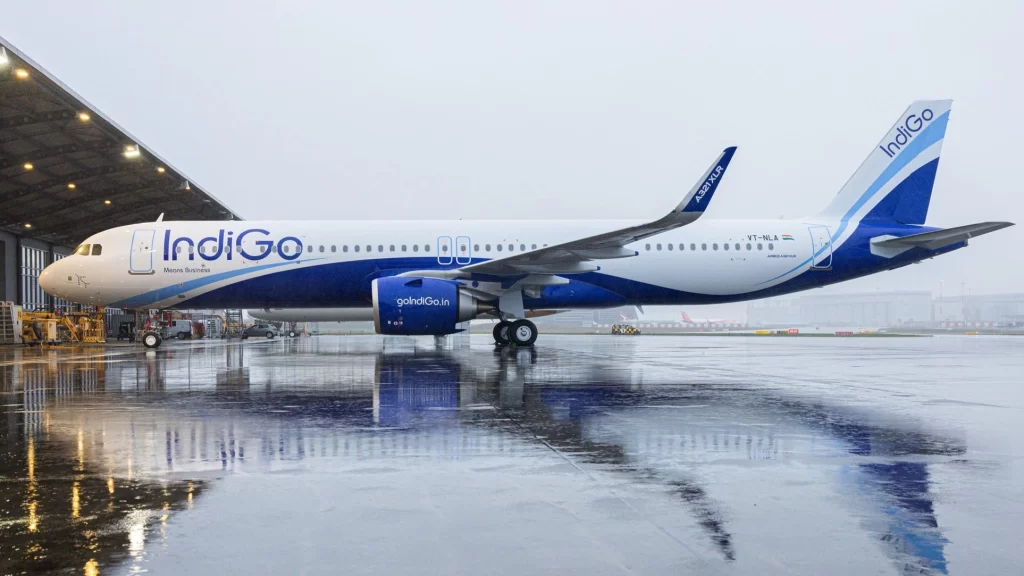
Are Indian Airlines the Biggest Casualties
No country is more affected than India. According to aviation data cited by Reuters, Indian carriers had planned more flights to Dubai than airlines from any other country during April and May.
Pre-Restriction Flight Plans:
- Air India + Air India Express: 750+ flights
- IndiGo: 481 flights
- SpiceJet: 61 flights
With the new cap, airlines are forced to cut hundreds of flights, leaving aircraft idle and revenue streams disrupted. IndiGo acknowledged the scale of the impact, stating the restrictions have “significantly constrained” operations, despite having approval for 15 daily flights to Dubai.
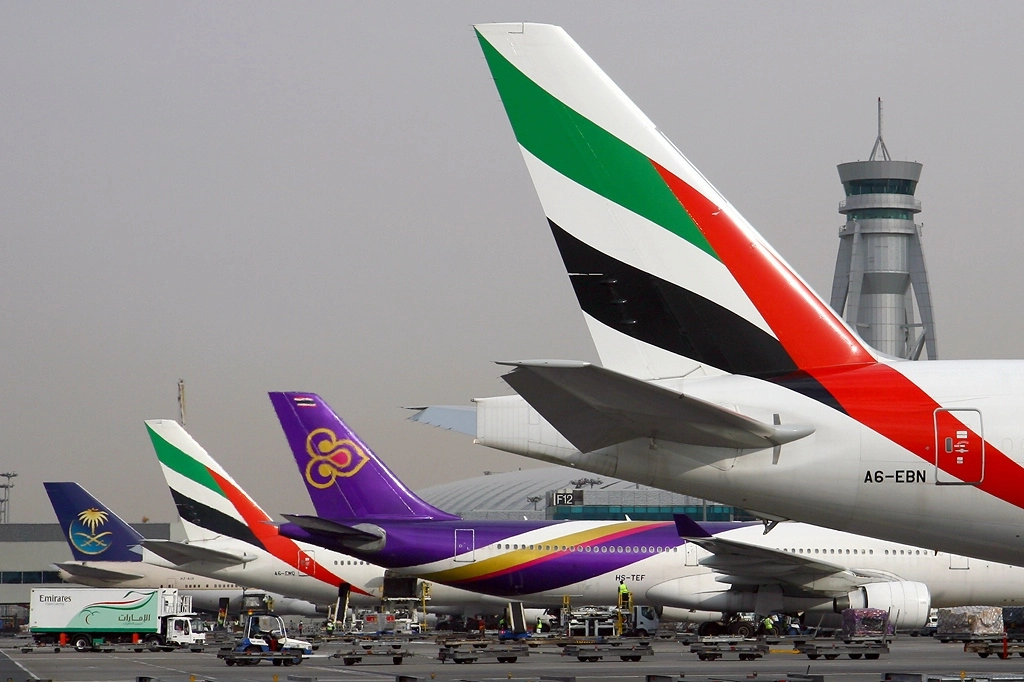

Are There Unequal Rules for Airlines at DXB?
The severity of the impact comes down to one critical factor: India is Dubai’s largest passenger market.
In 2025, 11.9 million Indian travelers passed through DXB, making it the airport’s single biggest source of traffic. This explains why Indian airlines had aggressively scaled operations—and why they now face disproportionate losses.
While foreign airlines are heavily restricted, Dubai-based carriers continue operating at scale. One should note that:
- Emirates and flydubai are not subject to the same caps
- They continue running hundreds of flights daily, based on flight tracking data cited in reports
This imbalance has triggered strong objections from the Federation of Indian Airlines (FIA).
The FIA warned that the situation creates an “uneven playing field” and could result in substantial revenue losses for Indian carriers. Other international carriers have also reacted to the crisis—but differently.
Airlines like Lufthansa, Singapore Airlines, and British Airways had scheduled fewer Dubai flights to begin with and have suspended services to DXB until at least May 31.
Instead, they are shifting capacity to non-stop Asia–Europe routes, where demand remains strong and fares have increased.
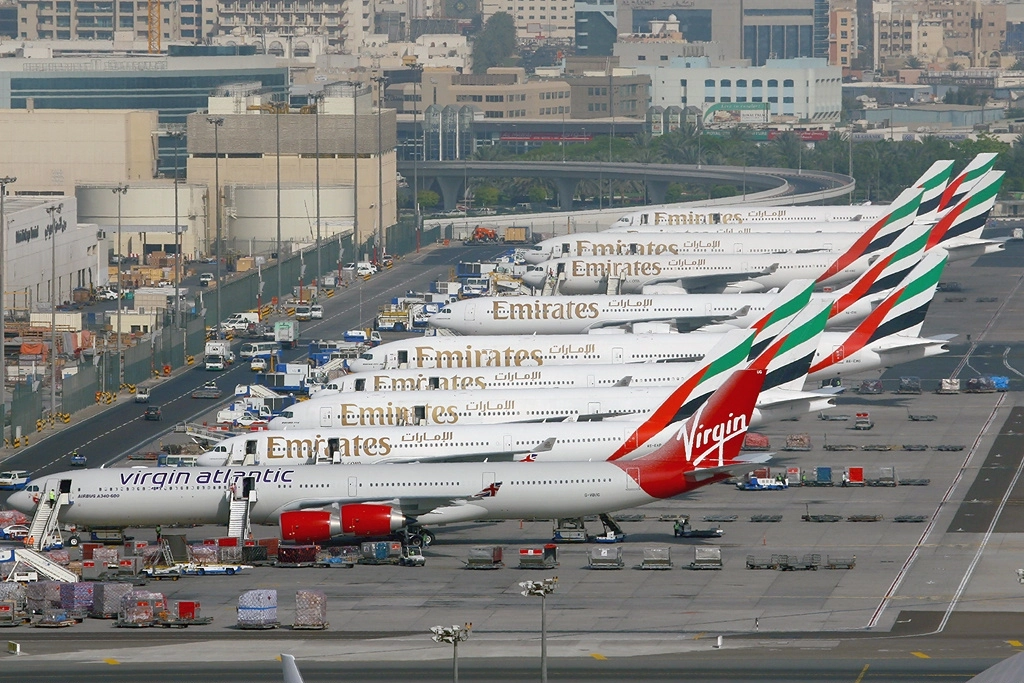

Existing Pressures Are Make Things Worse
The Dubai restriction is not happening in isolation. Indian airlines are already dealing with multiple structural challenges such as:
Indian carriers have been barred from using Pakistani airspace since last year, forcing longer routes to Western destinations and increasing fuel burn
Higher global fuel prices have added to operational strain, squeezing margins further.
Longer routes and disrupted schedules reduce aircraft utilization—now compounded by grounded Dubai capacity.
Together, these factors create a perfect storm of cost inflation and revenue decline.

India Wants Restrictions Lifted
In a formal letter dated March 31, the FIA outlined two clear demands. One of them was that the Indian government should engage directly with Dubai authorities to remove the cap. The other one was to impose reciprocity: If restrictions remain, India should consider reciprocal measures against UAE carriers—specifically Emirates and flydubai.
This is how airlines have responded:
- IndiGo: Confirmed operational constraints and underutilized capacity
- flydubai: Stated its schedule was approved by authorities
- Emirates: Declined to comment publiclc