
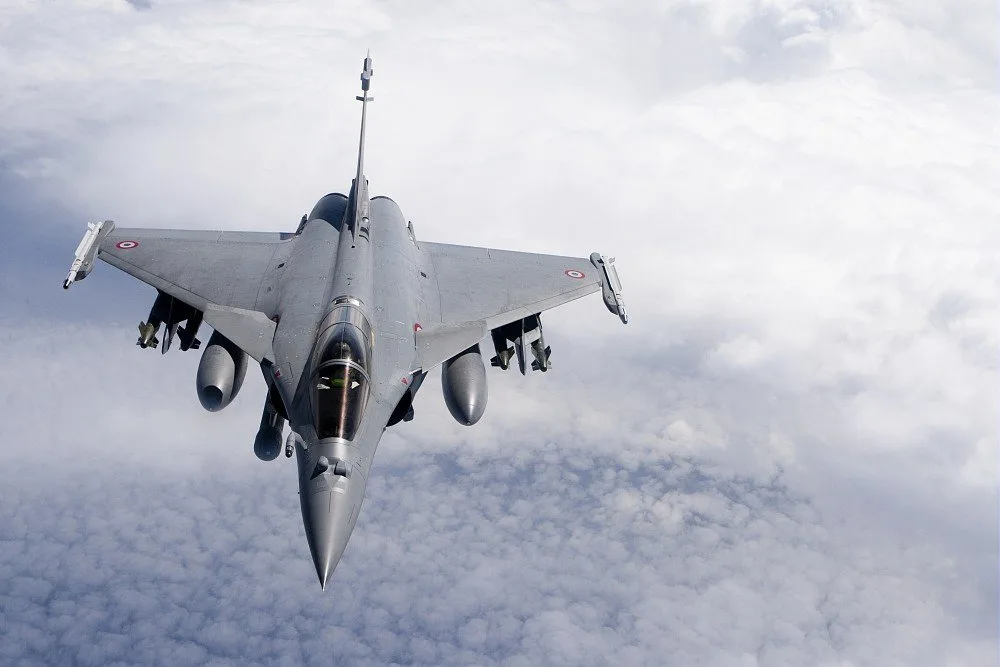
India’s Rafale fighter acquisition—once seen as a cornerstone of its airpower modernization—is now facing renewed scrutiny over a less visible but far more consequential issue: software control.
According to a recent report by Defense Security Asia, France has refused to provide India access to the Rafale’s core source codes, including those governing the AESA radar, mission computer, and SPECTRA electronic warfare suite.
This position has been echoed across multiple outlets, noting that these systems—often described as the aircraft’s “brain”—remain tightly controlled due to their sensitivity and strategic value. The implications are significant: while India owns the aircraft, it may not fully control how it evolves.
Why Software Is the Real Battleground
Modern combat aircraft are no longer defined primarily by hardware. Instead, software determines how effectively sensors, weapons, and pilots operate as a unified system.
Estimates suggest that 30–40% of a fighter jet’s total value lies in its software systems, a figure expected to grow as digital warfare evolves.
Without access to this software:
- Algorithms cannot be independently modified
- Threat libraries cannot be updated autonomously
- Mission systems cannot be fully customized
As one analysis by eplaneAI notes, without source code, a buyer may effectively receive only a portion of the aircraft’s true capability despite paying the full cost:
“…should India seek to integrate third-party weaponry, such as Russian R-37M missiles, onto the Rafale platform, it would require Dassault Aviation’s cooperation to implement the necessary software modifications. In the absence of such support, operational flexibility is severely constrained, limiting the aircraft’s effectiveness in diverse combat scenarios.”
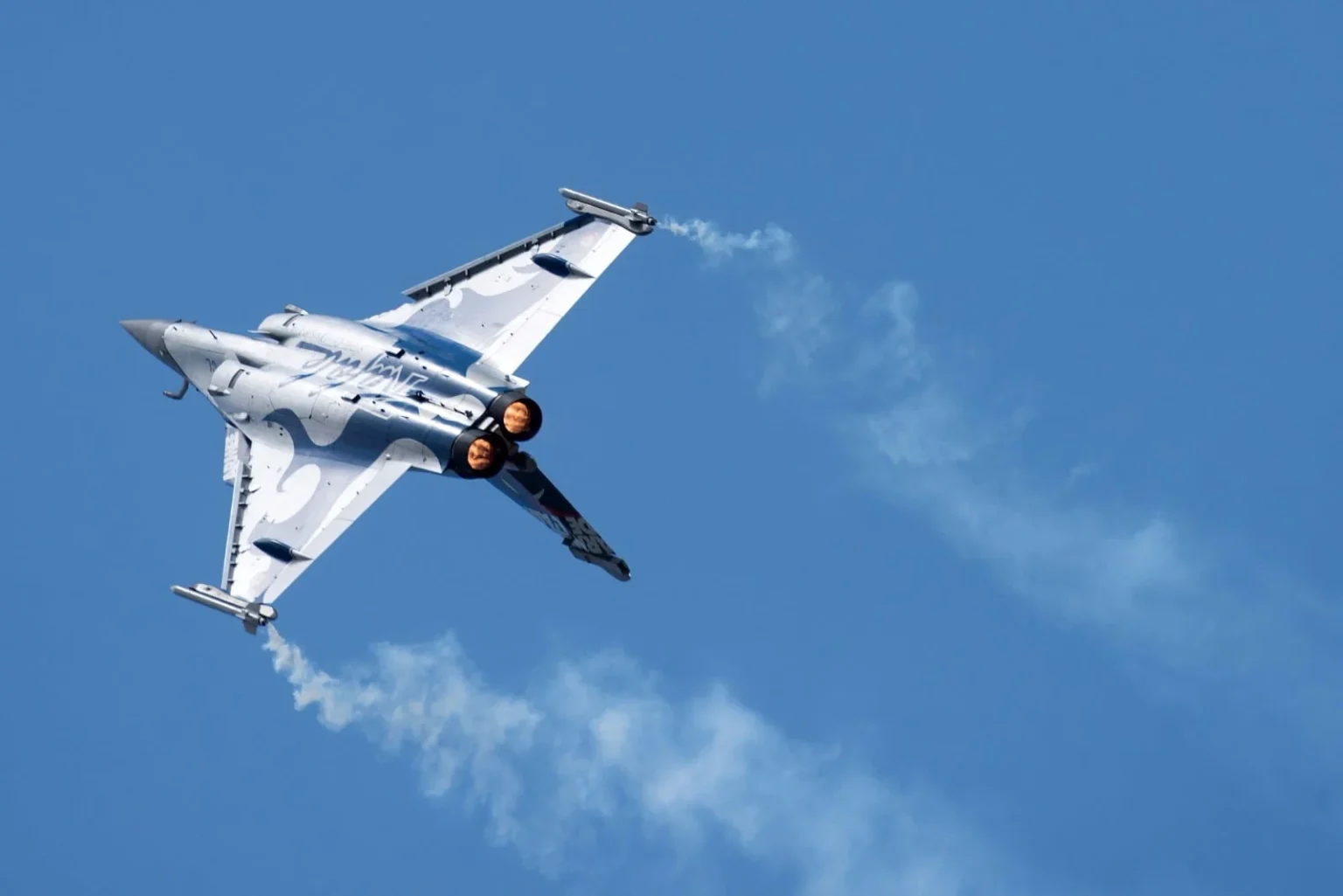
The Strategic Risks of India’s Limited Access to Rafale
1. Dependence on the Manufacturer
Without source code access, India must rely on Dassault and associated French firms for:
- Software upgrades
- System modifications
- Bug fixes and performance optimization
This creates a long-term dependency loop, where even minor changes require external approval.
Reports suggest that this issue has already become a sticking point in negotiations for India’s proposed 114 additional Rafale jets, potentially delaying progress
One of India’s key strategic goals is integrating homegrown systems such as:
- Astra beyond-visual-range missile
- Indigenous electronic warfare solutions
However, restricted software access means such integrations may require French approval and technical involvement, limiting autonomy
This directly impacts India’s broader “Aatmanirbhar Bharat” (self-reliance) defense strategy.
3. Lifecycle Cost Escalation
Software restrictions also carry financial implications.
Because upgrades and integrations must be routed through the OEM:
- Costs become recurring rather than one-time
- Pricing remains largely controlled by the supplier
- Long-term sustainment becomes more expensive
Analysts note that OEMs retain strong leverage in such arrangements because software upgrades represent a continuous revenue stream.
Why France Won’t Share the Code for its Rafale
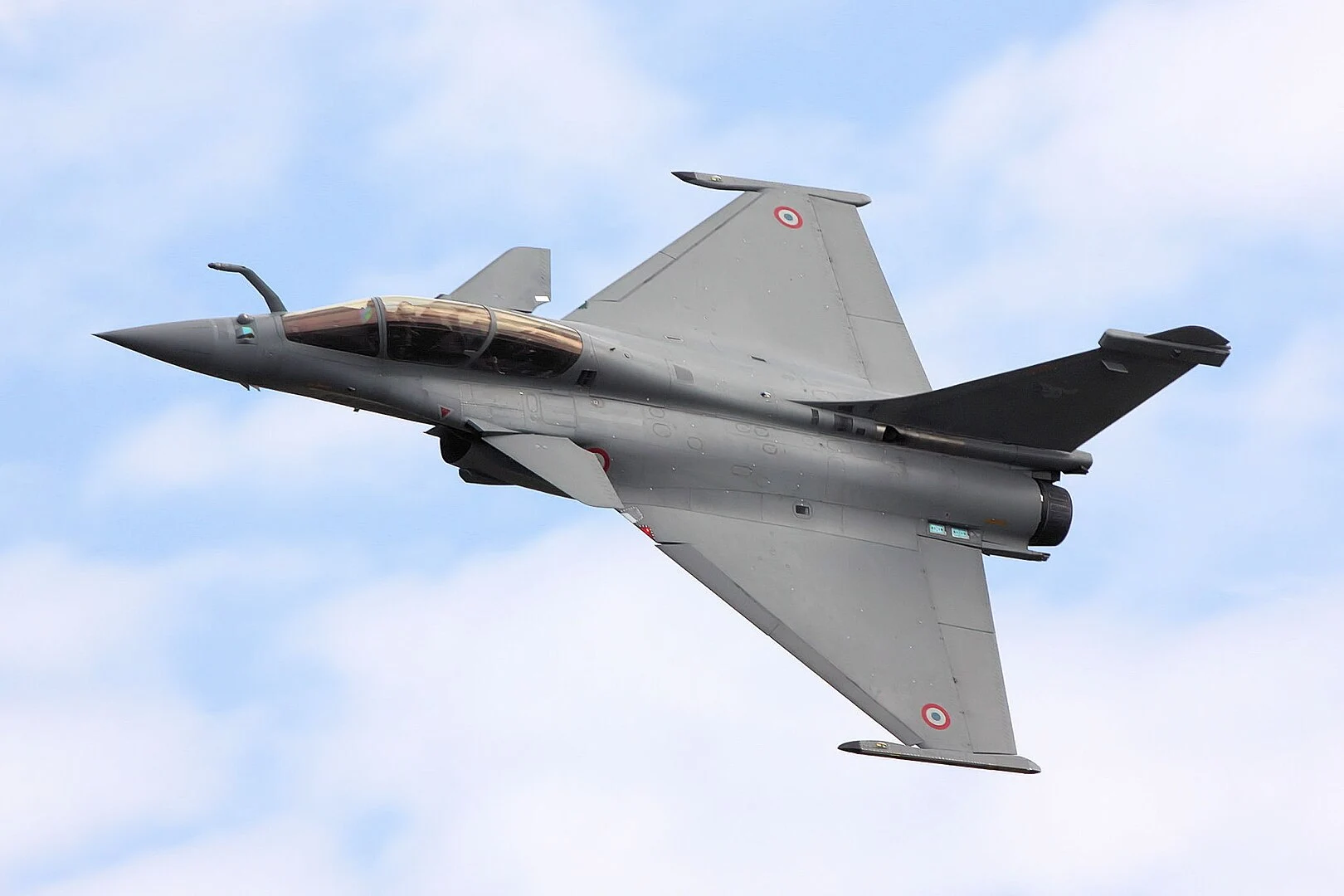
From France’s perspective, the refusal is not unusual—it is strategic.
Core reasons include:
- Protection of intellectual property built over decades
- Security concerns, as exposing code could reveal vulnerabilities
- Export control norms, which restrict sensitive technology transfer
French authorities consider the Rafale’s software architecture “highly sensitive and closely guarded” technology. Even close defense partners rarely receive full source code—highlighting the structural nature of the issue.
According to Defense Express, once India gains the capability to independently modify the Rafale platform, it could begin replacing foreign systems with indigenous alternatives. For instance, the Meteor missile may be substituted with the domestically developed Gandiva:
“….reliance on French systems such as the SCALP cruise missile or the Damocles targeting pod could decrease, as India integrates its own equivalent technologies. However, it’s worth understanding that France’s position is formed not only by appetites. India has very close relations with russia in the defense sphere. If we continue the series of weapons Indians will want to mount on Rafale, one of the first will definitely be Brahmos – the russian-Indian Oniks. This means russians already gain access to Rafale’s program code.”
The software dispute is not just about current aircraft—it is shaping future procurement strategy.
India is reportedly pushing for either full source code access, or Interface-level access (ICDs) that allow integration without exposing core code. This reflects a shift in priorities—from simply acquiring platforms to securing technological sovereignty.
All in All
India’s Rafale debate highlights a defining reality of modern warfare that owning advanced hardware no longer guarantees operational independence—control over software does.
With software already accounting for a substantial share of combat capability—and growing—the absence of deep access risks:
- Long-term dependency
- Higher operational costs
- Reduced strategic flexibility
As India evaluates future fighter deals, the Rafale experience may serve as a turning point—where digital sovereignty becomes as critical as air superiority itself.