
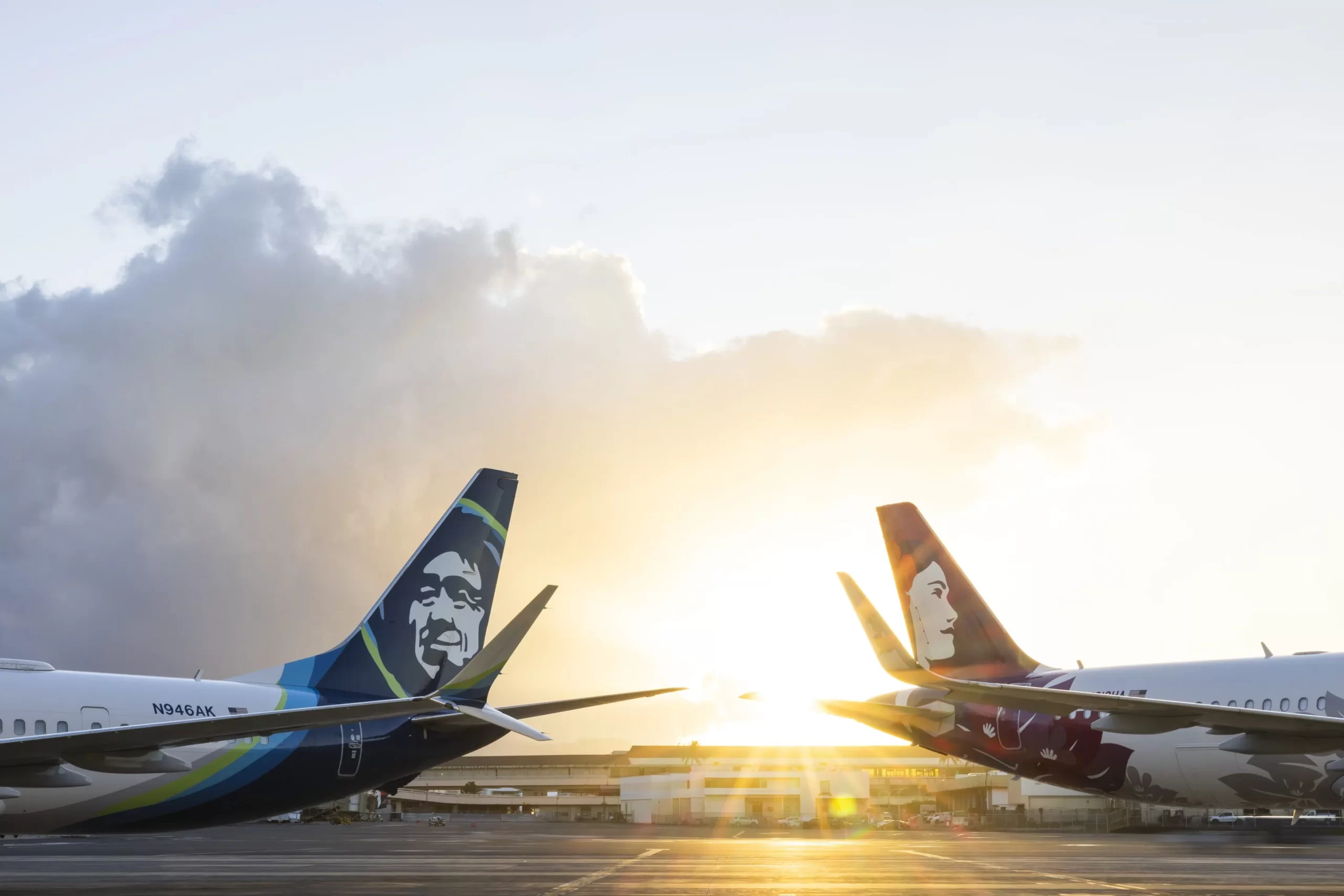
Hawaiian Airlines (HA), now a part of Alaska Airlines and ultimately under Alaska Air Group, has unveiled an expansive Kahu‘ewai Hawai‘i Investment Plan, committing more than $600 million over five years to transform airport facilities, digital systems, aircraft interiors, and community partnerships across the Hawaiian Islands.
The comprehensive initiative is designed to enhance the travel experience “from booking to the day of travel” while advancing sustainability, cultural engagement, and community development in Hawai‘i. Hawaiian Airlines’ CEO Diana Birkett Rakow stated that the investment represents “one of Hawaiian Airlines’ largest single investments in our infrastructure, products and services in Hawai‘i.”
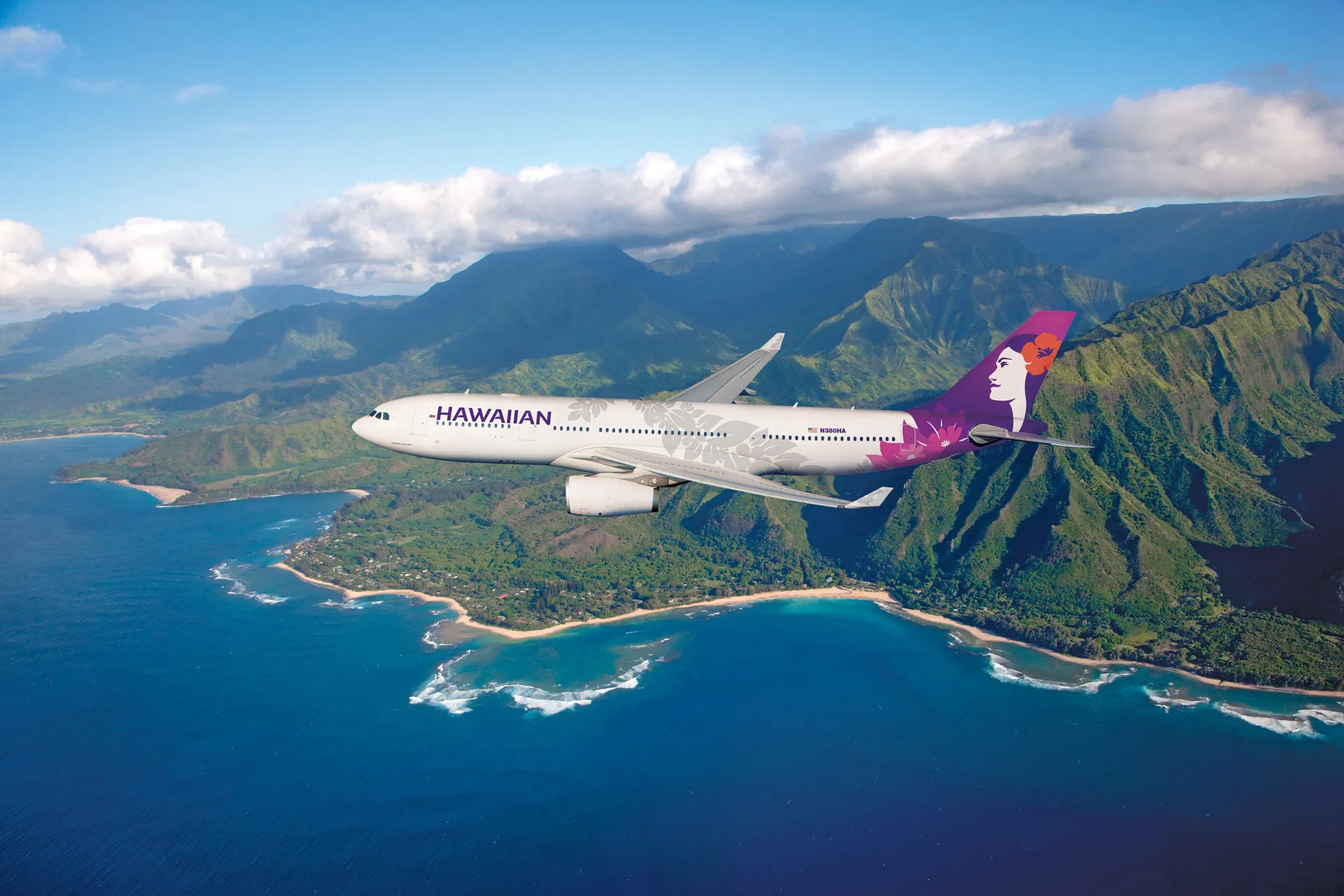
Hawaiian Airlines
| Attribute | Details |
|---|---|
| Airline | Hawaiian Airlines (HA) |
| Headquarters | Honolulu, Hawai‘i, USA |
| Founded | 1929 |
| Hub Airport | Daniel K. Inouye International Airport (HNL), Honolulu |
| Parent Company | Alaska Air Group |
| Fleet Overview | Widebody and narrowbody aircraft with Airbus A330 long-haul fleet |
| Alliance (Future) | oneworld (expected late April 2026) |
| Primary Market | Inter-Island, Pacific, and U.S. Mainland routes |
Ranked: Cheapest Domestic and International Places to Fly From Every U.S. State
Hawaiian’s Investment Plan Highlights
Hawaiian Airlines’ Kahu‘ewai Hawai‘i Investment Plan addresses infrastructure, technology, aircraft interiors, loyalty, and community impact through targeted multi-year interventions.
Hawaiian Airlines is Set to Modernize its Airports Across Hawai‘i
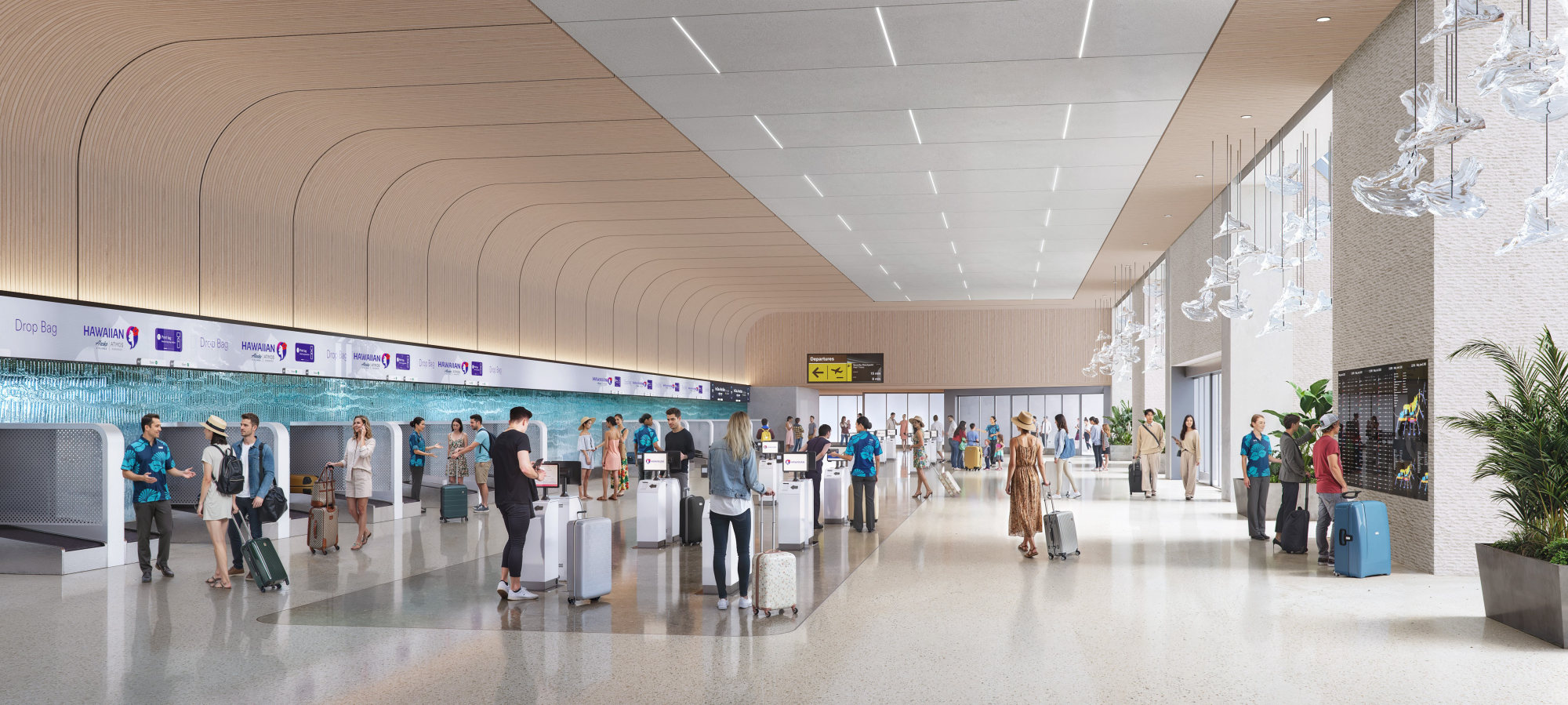
From 2026 through 2029, HA will modernize airport lobbies, gates, passenger circulation, and amenities at major Hawaiian airports, including:
-
Daniel K. Inouye International Airport (HNL), Honolulu
-
Līhu‘e Airport (LIH), Kaua‘i
-
Kahului Airport (OGG), Maui
-
Kona International Airport (KOA), Hawai‘i Island
-
Hilo International Airport (ITO), Hawai‘i Island
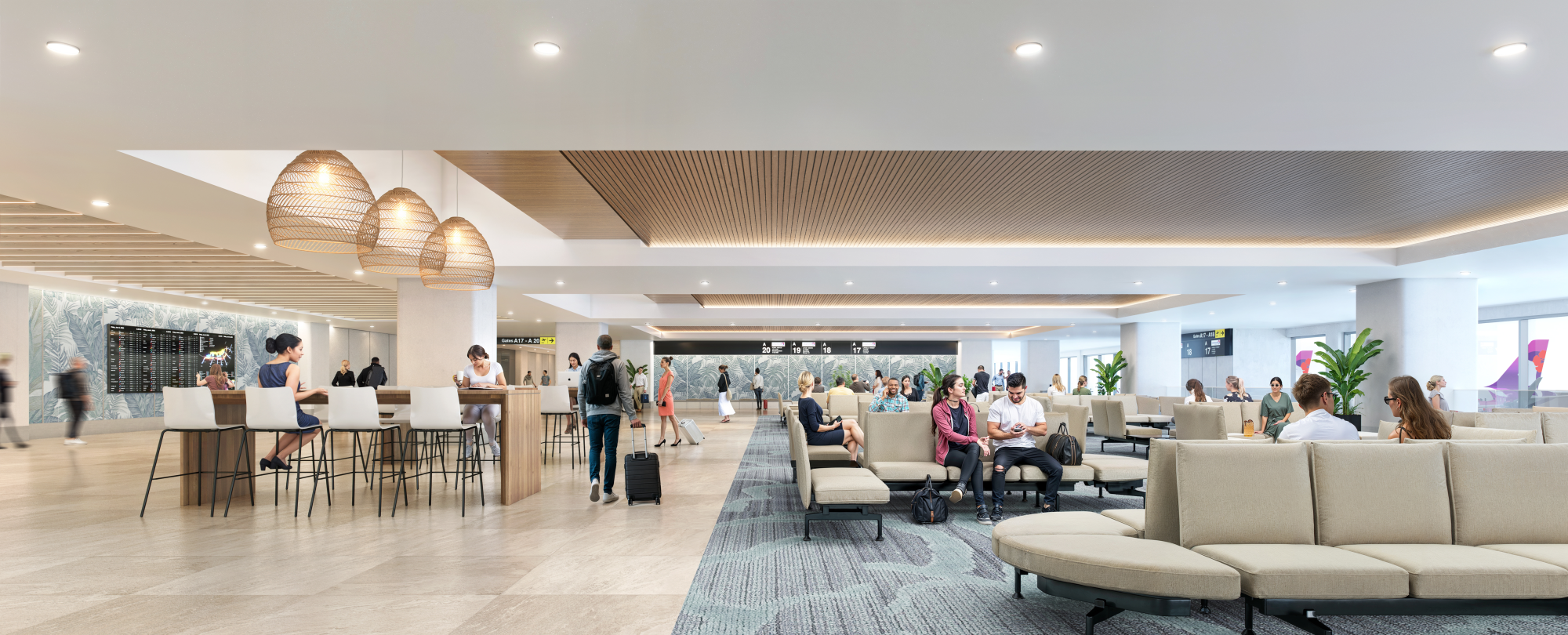
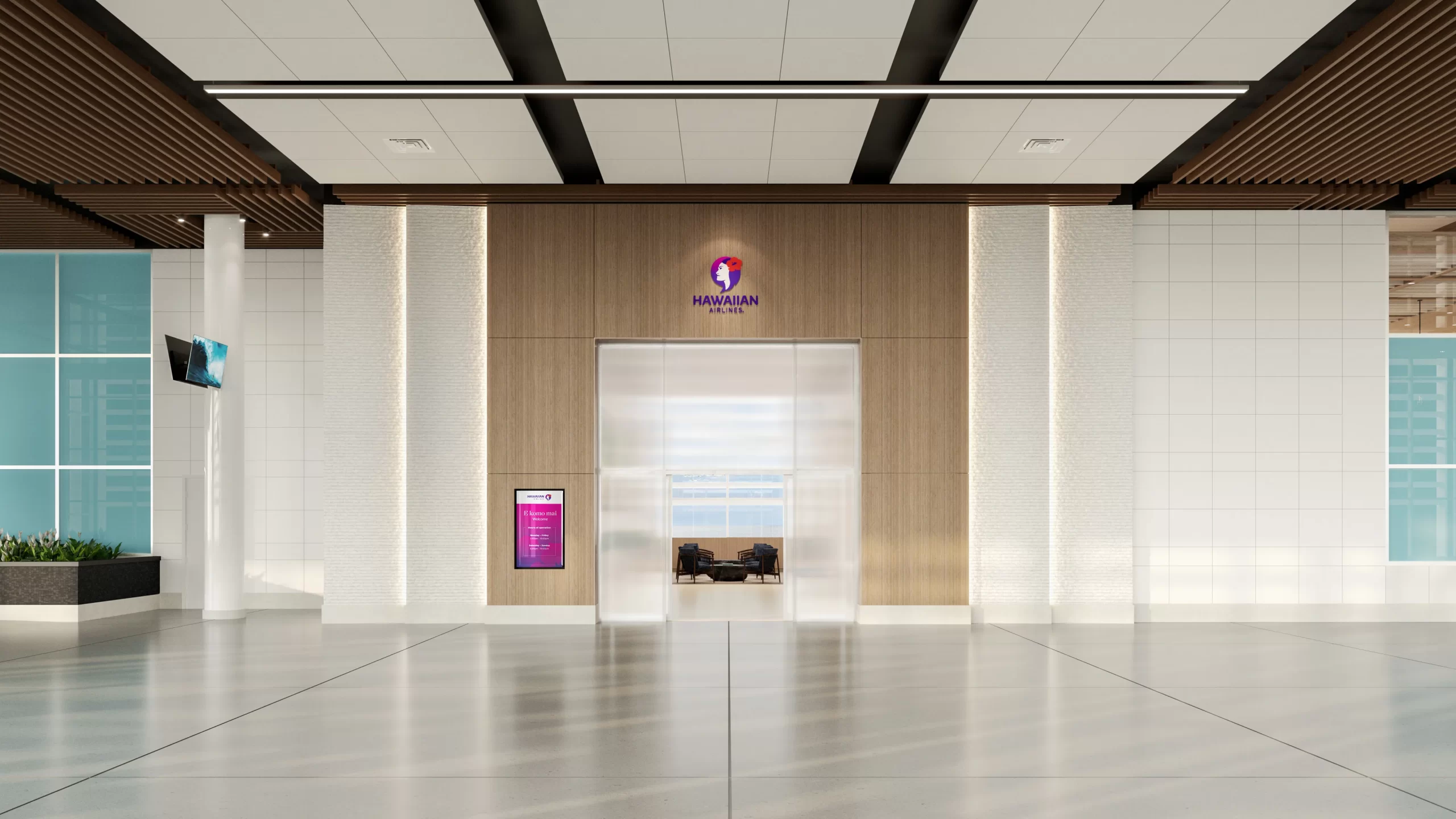
The centerpiece of the plan in Honolulu is a 10,600-square-foot premium lounge at the entrance of the Mauka Concourse in Terminal 1. This new space aims to establish a higher standard of pre-flight comfort and will operate alongside existing lounges and Alaska Airlines clubs.
Key airport enhancements will include:
-
Brighter, open waiting areas with improved seating
-
Increased power outlets and passenger services
-
Redesigned gates to optimize passenger flow
Diana Birkett Rakow stated that “Kahu‘ewai Hawai‘i Investment Plan”:
“reflects our kuleana — our responsibility to our people and guests — and reinforces our commitment to safe, remarkable service that enables Hawai‘i and Hawaiian Airlines to thrive.”

How will Hawaiian Airlines Manage Technology Upgrades and Digital Transformation in 2026?
A critical element of the investment involves digital infrastructure enhancements that aim to simplify travel planning and operational processes. Hawaiian Airlines will introduce:
- A modernized mobile app and website in spring 2026 to enable easier trip management
- Award redemptions, and self-service functions
- New employee support systems to strengthen operational reliability
Full integration of Hawaiian’s passenger service system with Alaska Airlines and entry into the oneworld alliance is expected by late April 2026, improving network connectivity and loyalty benefits. These digital investments are anticipated to produce a significantly smoother guest experience across booking and travel touchpoints.
Aircraft Interior Upgrades: Focus on Wider Bodies
Hawaiian Airlines will begin a comprehensive interior retrofit program for its widebody Airbus A330 fleet (a widebody long-haul aircraft based in Honolulu), with work starting in 2028. Upgrades will include:
-
New seats, carpets, and lighting packages
-
Dedicated first-class suites and a premium economy cabin
-
Bluetooth-enabled in-flight entertainment with HD seatback screens
-
Fast and free Starlink Wi-Fi connectivity
The airline is also acquiring three A330 aircraft off lease to sustain long-haul capacity, though these purchases are not included in the $600M investment total. These enhancements align with HA’s strategy to enhance comfort, productivity, and connectivity for cross-Pacific flights.
According to data from planespotters.net, Hawaiian Airlines operates a total of 34 Airbus A330s that have an average age of 12.5 years:
| Aircraft type | In service | Stored | Total | Average age |
|---|---|---|---|---|
| Airbus A330-200 | 22 | 2 | 24 | 12.6 years |
| Airbus A330-300 | 10 | — | 10 | 12.1 years |
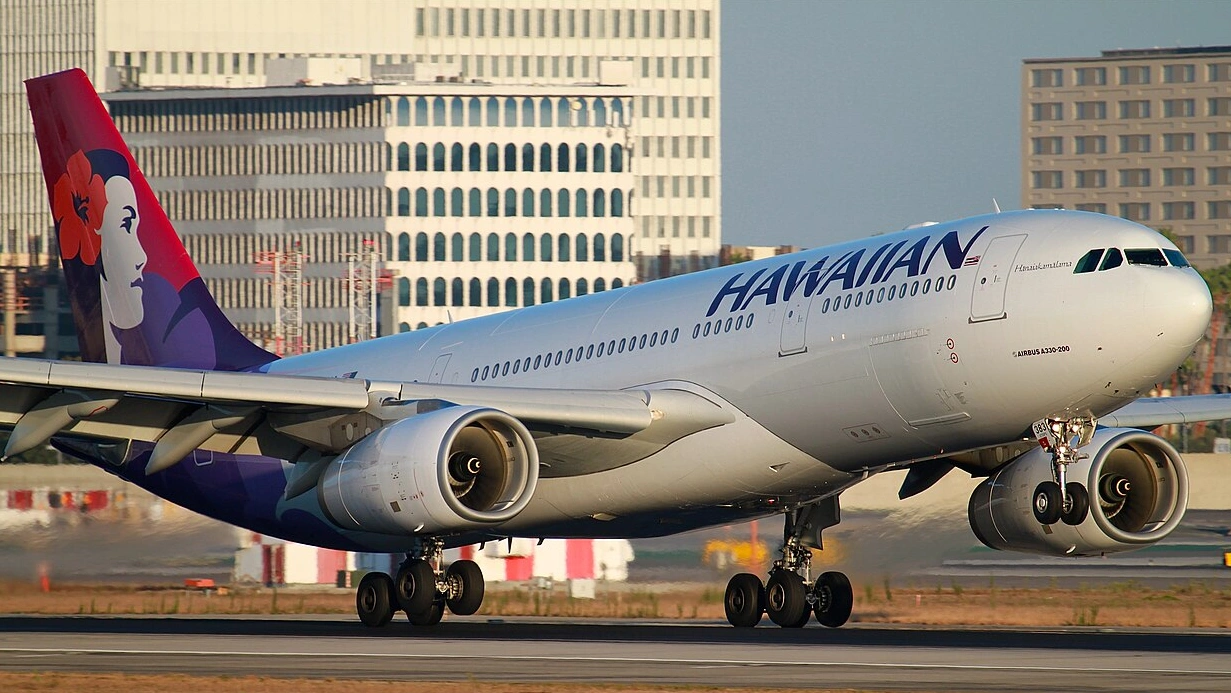
https://commons.wikimedia.org/wiki/File:Hawaiian_Airlines_A330-200_(12554834463).jpg
Here’s how the carrier has configured its A330-200s:
| Attribute | Business class | Main cabin |
|---|---|---|
| Seating & layout | 18 Optimares MaximaPlus seats, 2-2-2 configuration | 260 seats, 2-4-2 configuration |
| Seat pitch | 45″ | 31″ standard 36″ (Rows 15–21 ABHJ) 36″ (Rows 15–17 CDEG) |
| Seat width | 20″ | 18″ |
| Recline / bed | 76″ fully-flat bed | 6″ recline |
| Entertainment system | iPads with preloaded audiovisual content on retractable stand | 9″ HD touchscreen display |
| Power options | Universal AC + USB-A | USB-A |
| Additional notes | iPads distributed after take-off and collected prior to landing | — |
Data: aerolopa

Enhanced Loyalty for Hawaiian Residents
In recognition of its role as Hawai‘i’s home carrier, Hawaiian Airlines is expanding benefits for residents through its Huaka‘i by Hawaiian loyalty program:
-
50% bonus on Atmos Rewards points and status points earned on Neighbor Island flights later in 2026
-
Expanded kama‘āina benefits including free checked bags, quarterly discounts on inter-island travel, and monthly systemwide deals
The words of
“Hawaiian Airlines’ investment is exactly the kind of long-term commitment Hawaiʻi needs. Modern, welcoming airports improve the experience for residents and visitors alike, strengthen our economy and keep Hawaiʻi competitive as a global destination. We appreciate Hawaiian Airlines’ partnership in advancing workforce development, regenerative tourism, clean energy and community programs that reflect the values of our islands.”
Community Engagement and Sustainability Initiatives in 2026
Beyond infrastructure, the Kahu‘ewai Plan commits Hawaiian Airlines to community investment and sustainability, spanning:
-
Expanded partnerships in education and workforce development.
-
Grants supporting cultural programs, environmental preservation, and Native Hawaiian art and language, thorugh the “through the Alaska Airlines | Hawaiian Airlines Foundation, a newly integrated 501(c)(3) foundation dedicated to these efforts in their two namesake states”:
“Hawaiian is expanding a partnership with business accelerator Mana Up through an investment in its Mana Up Capital II fund to help more local companies scale for the global market. Hawaiian has featured more than a dozen local retailers in the food, fashion, beauty and home and art sectors in its onboard service since becoming Mana Up’s official airline sponsor in 2017.“
-
Continued promotion of regenerative tourism through Travel Pono initiatives.
-
A growing commitment to locally produced sustainable aviation fuel (SAF) through partnerships with Pono Pacific and Par Hawai‘i, and is set to become “the first airline to take deliveries of Hawai‘i-made SAF later this year“.

Here are the details of Camelina cultivation and sustainable aviation fuel (SAF) development in Hawai‘i:
| Category | Key details |
|---|---|
| Lead investor | Alaska Star Ventures |
| Fuel producer | Par Hawaii (subsidiary of Par Pacific) |
| Feedstock developer | Pono Pacific |
| Research partner | Hawaiʻi Agriculture Research Center |
| Camelina trials | 50 non-GMO camelina varieties cultivated beginning 2023 |
| Trial locations | Four Hawaiian islands |
| Farm partners | Aloun Farms; Mahi Pono; Meadow Gold Dairy |
| Agricultural outcomes | Identification of camelina varieties suited to Hawai‘i’s year-round temperate climate |
| Livestock integration | Evaluation of camelina seedcake for use as animal feed |
| Fuel infrastructure | Refinery processing unit converted to a renewable hydrotreater |
| Capital investment | $100 million |
| Renewable platform | Hawai‘i Renewables (formed by Par Pacific) |
| JV partner | Alohi Renewable Energy, LLC (Mitsubishi Corporation and ENEOS Corporation) |
| SAF production capability | Processing of plant-based and waste oils |
| SAF delivery timeline | First quarter of 2026 |
-
Investment in hybrid-electric propulsion technology and increased deployment of electric ground support vehicles at HNL.
Conclusion
Hawaiian Airlines’ Kahu‘ewai Hawai‘i Investment Plan represents a transformational commitment to infrastructure, guest experience, digital innovation, and sustainability throughout Hawai‘i.
However, achieving greater sustainability isn’t as easy said Sustainability Innovation Director”
“We will need strong collaboration across airlines, fuel and feedstock producers, investors, including business partners seeking to offset their scope 3 emissions, and government, along with supportive policies, to grow the SAF industry and reach our decarbonization goals.”