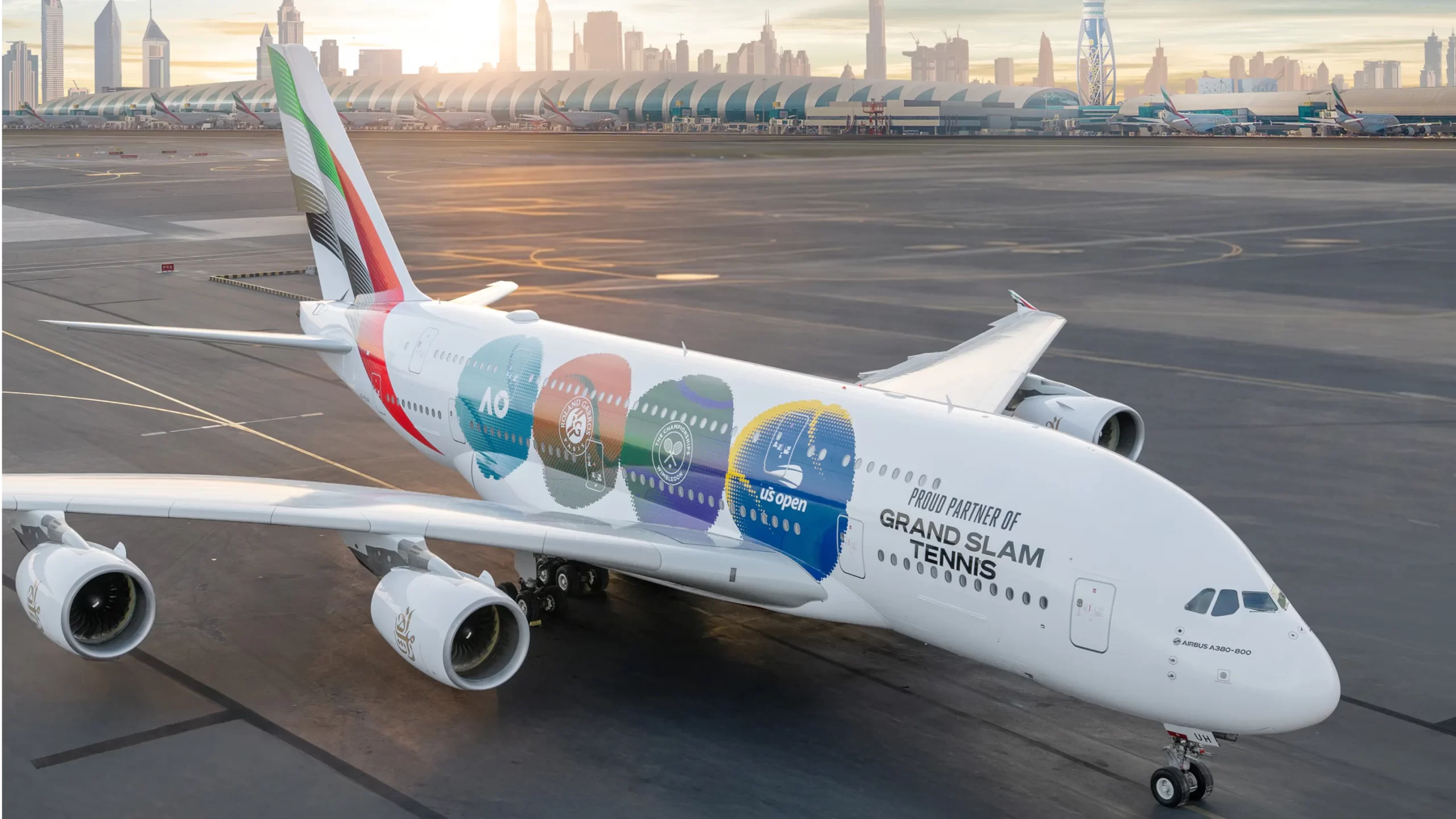
Emirates (EK) , the carrier that introduced UAE livery in its A30s a few weeks ago, landed its first Airbus A350 service in South Africa on 1 July 2026, when flight EK778 arrived at Cape Town International Airport (CPT), Cape Town, at 18:05 local time. The flight marks the launch of the Dubai-based carrier’s third daily service between Dubai International Airport (DXB), Dubai, and Cape Town, adding to two existing daily rotations that already use the Boeing 777-300ER and Airbus A380. Emirates confirmed the milestone in a press release published the following day.
The new frequency makes Cape Town the only African destination served by all three Emirates widebody types, a distinction the airline has been building toward since it first announced the extra flight at the Dubai Airshow in November 2025. Alongside the Cape Town launch, Emirates also reinstated a fourth daily flight to Johannesburg on 1 July 2026, restoring the airline’s South African network to 56 weekly flights across its three gateways of Johannesburg, Cape Town, and Durban.
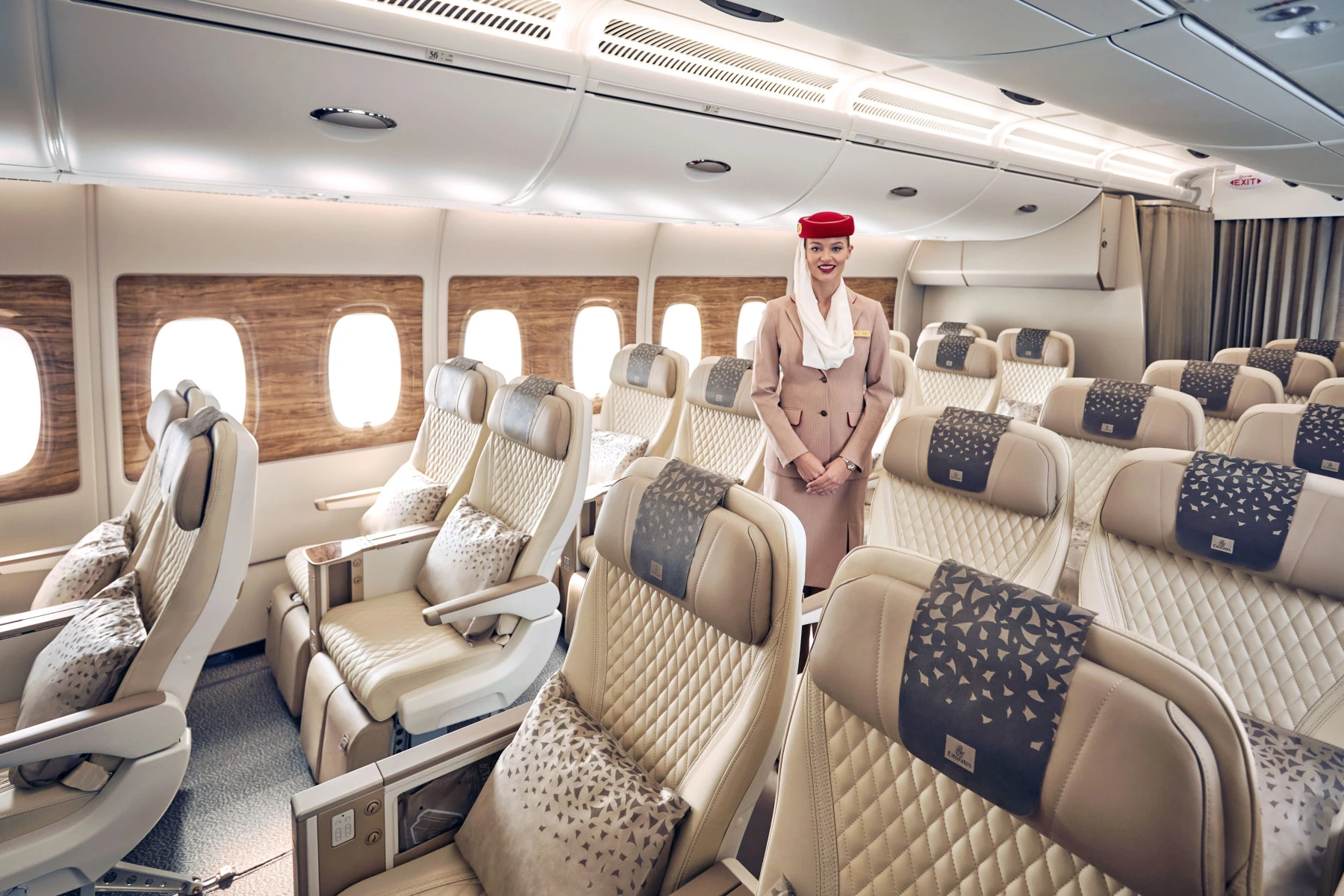
Why Emirates Chose the A350 For Its Third Cape Town Flight?
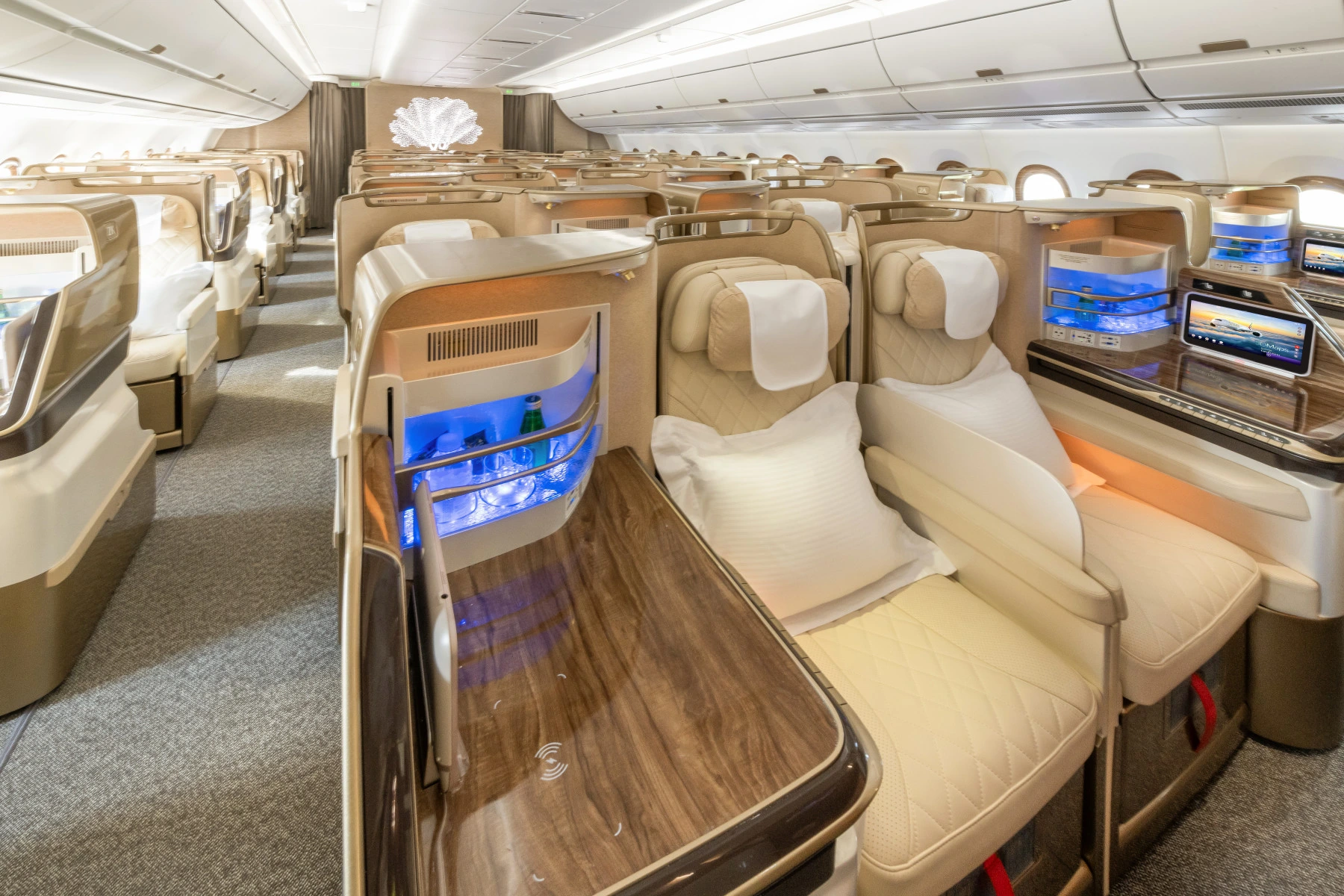
The Airbus A350 is Emirates’ newest aircraft type, and Cape Town becomes the first Southern African destination to receive it. The Emirates A350-900 configured for this route seats 312 passengers across three cabins: 32 Business Class seats in a 1-2-1 layout, 21 Premium Economy seats, and 259 Economy Class seats, according to The Emirates A350 newsroom page. Business Class uses staggered, fully lie-flat seating with direct aisle access, while Premium Economy runs a 2-3-2 configuration that gives every passenger a 40-inch seat pitch.
Flight EK778 departs Dubai at 10:25 and arrives in Cape Town at 18:05, while the return service, EK779, leaves Cape Town at 20:00 and lands in Dubai at 07:25 the following morning.
Emirates said the evening departure from Cape Town is timed to connect onward to long-haul destinations popular with South African travellers, including Thailand, Indonesia, France, Switzerland, and points across East Asia such as the Philippines and China.
How Cape Town’s Two Existing Daily Flights Are Configured
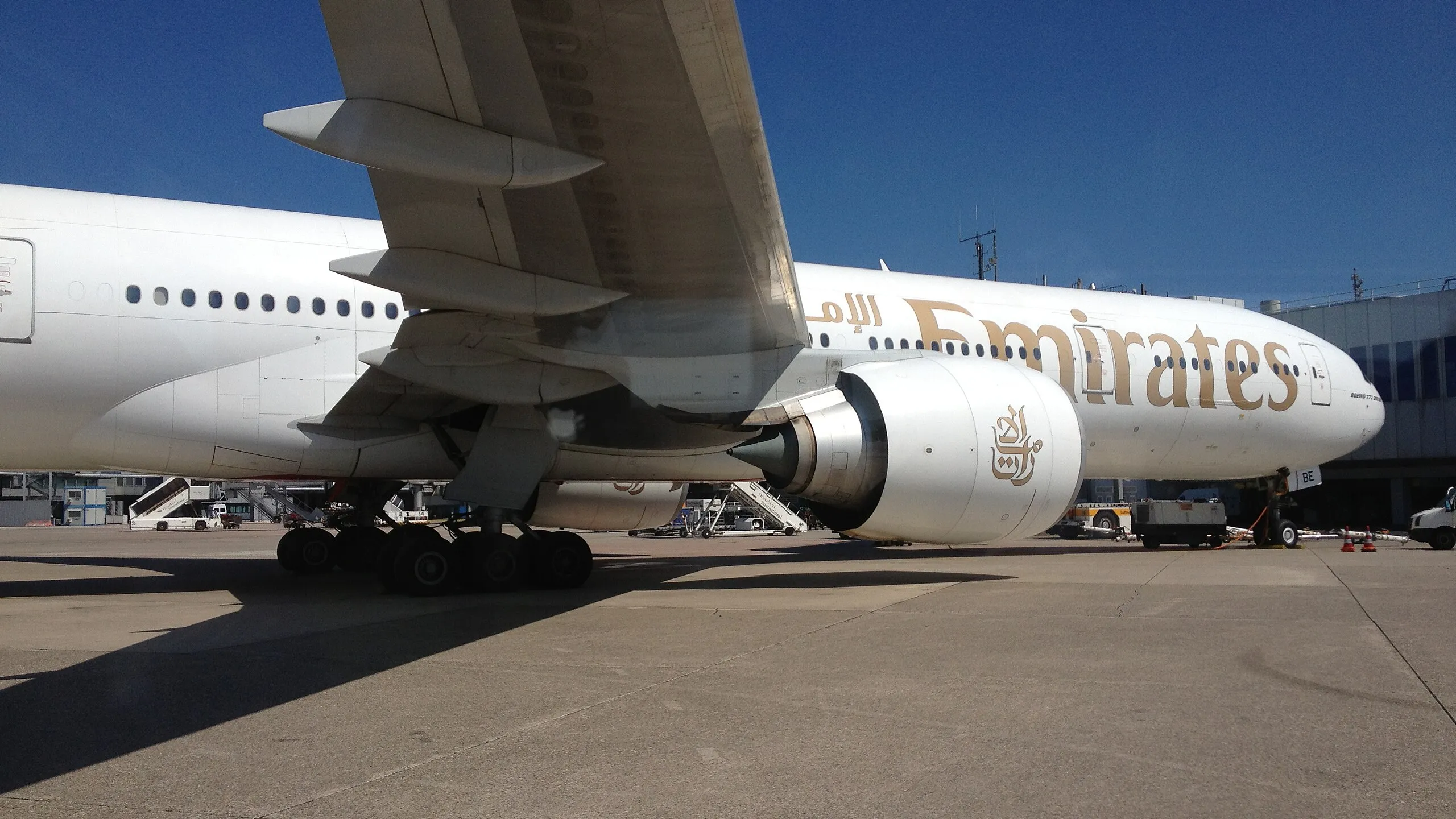
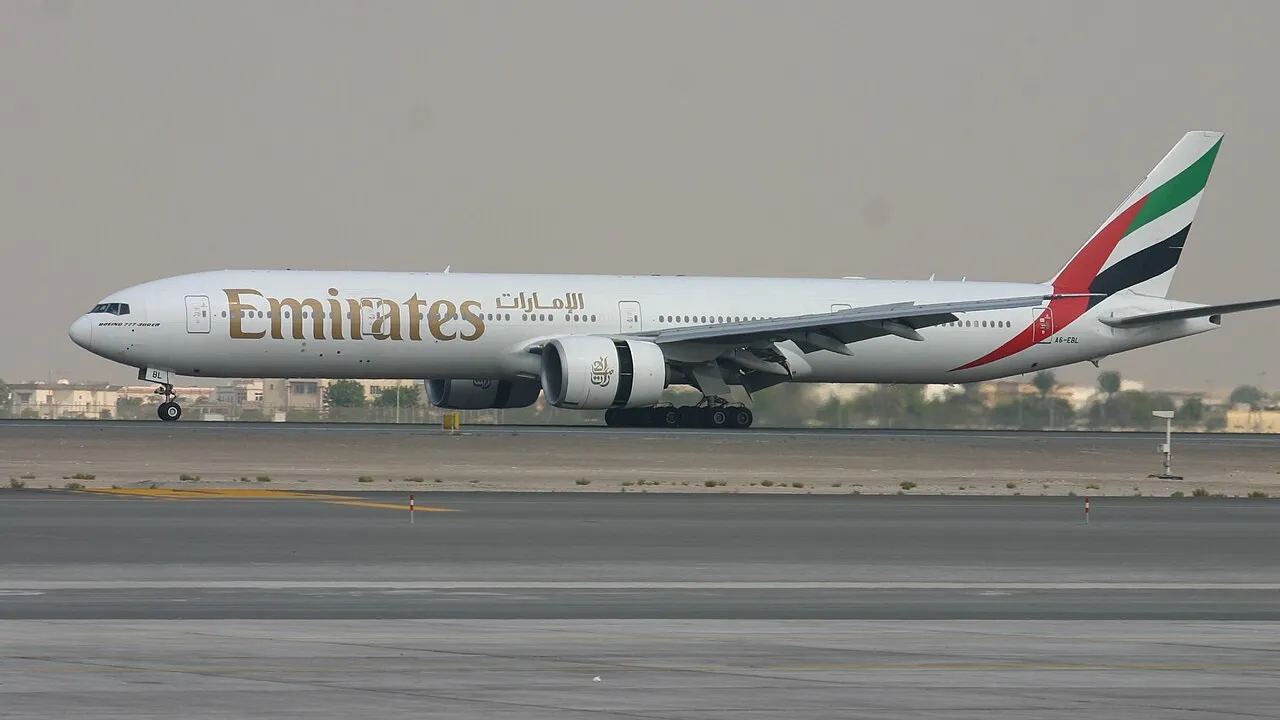
Cape Town’s two pre-existing daily rotations retain their current aircraft. EK770/771 continues to operate on the Boeing 777-300ER, the aircraft Emirates has used on the route for years, configured with private suites in First Class, 42 lie-flat Business Class seats, and roughly 300 seats in Economy. EK772/773 is served seasonally by the Airbus A380 superjumbo during the Southern Hemisphere summer, which Emirates has also deployed to Johannesburg as a second daily A380 service.
Afzal Parambil, Emirates’ Regional Manager for Southern Africa, said the fleet mix behind the new frequency reflects sustained demand on the route. “Cape Town has long been one of the most popular destinations on our African network. The launch of a third daily service, operated with our newest aircraft, shows how much we believe in this market,”Parambil said in the airline’s press release, adding that the deployment gives travelers an easier connection to Emirates’ global network through Dubai.

Why Emirates Is Rebuilding Capacity to South Africa Now
The Cape Town launch and the Johannesburg frequency restoration both arrive as Emirates continues rebuilding its network following months of disruption tied to the Iran war that began in late February 2026. The conflict forced widespread airspace closures across the Gulf, and Emirates suspended flights to South Africa entirely for a period in early March before gradually restoring service.
The UAE’s General Civil Aviation Authority lifted all air traffic restrictions introduced during the conflict on 3 May 2026, and Emirates has been steadily returning capacity to pre-war levels since.
Against that backdrop, Emirates’ description of the Johannesburg frequency as “reinstated” reflects a return to a schedule the carrier had already built up before the war interrupted it. The airline first added a fourth daily Johannesburg flight in March 2025, following an earlier addition of a second daily A380 service to the city in September 2024, according to Emirates’ own announcement from that period.
How The Wesgro Partnership Ties into the New Frequency
Emirates’ Cape Town expansion follows a tourism partnership signed in April 2026 with Wesgro, the trade and investment promotion agency for Cape Town and the Western Cape. The two organizations signed a memorandum of understanding on 16 April 2026 at World Travel Market Africa, agreeing to jointly promote the destination to travellers from the Gulf Cooperation Council, the Far East, and India.
Cape Town International Airport recorded a record-breaking 11.1 million two-way passengers in 2025, and Wesgro Chief Executive Officer Wrenelle Stander said at the signing that the airline partnership would help unlock further growth from priority markets.
Emirates first launched flights to Cape Town in March 2008, thirteen years after it began flying to Johannesburg in 1995, and the carrier’s SkyCargo division uses the belly capacity on the Boeing 777 and A350 to move South African fresh produce, chilled meat, dairy, seafood, and cut flowers to international markets.
What The Extra Frequency Means for South African Travelers
The additional Cape Town service brings South Africa into a broader rollout: by 1 July 2026, Emirates said it expects to operate its latest Premium Economy cabin on more than 84 routes worldwide, with new A350 and retrofitted-aircraft services also launching around the same period to Copenhagen, Phuket, Rome, and Taipei, according to Time Out Cape Town.
South Africa’s Cape Town route sits within a competitive Middle East-to-Africa market. Qatar Airways and Ethiopian Airlines both serve South African travellers heading toward the Gulf, Europe, and Asia through their own hubs, and Ethiopian Airlines saw a reported 110% jump in South African bookings during the peak of the Iran war disruption.

.jpg)