As diplomatic tensions between China and Japan escalate, Chinese outbound tourists are rapidly diverting their winter travel plans, and South Korea is emerging as a frontrunner for redirected Chinese travel demand. However, South Korea is now facing fierce competition from destinations such as Thailand and Russia, reported The Korea Times.
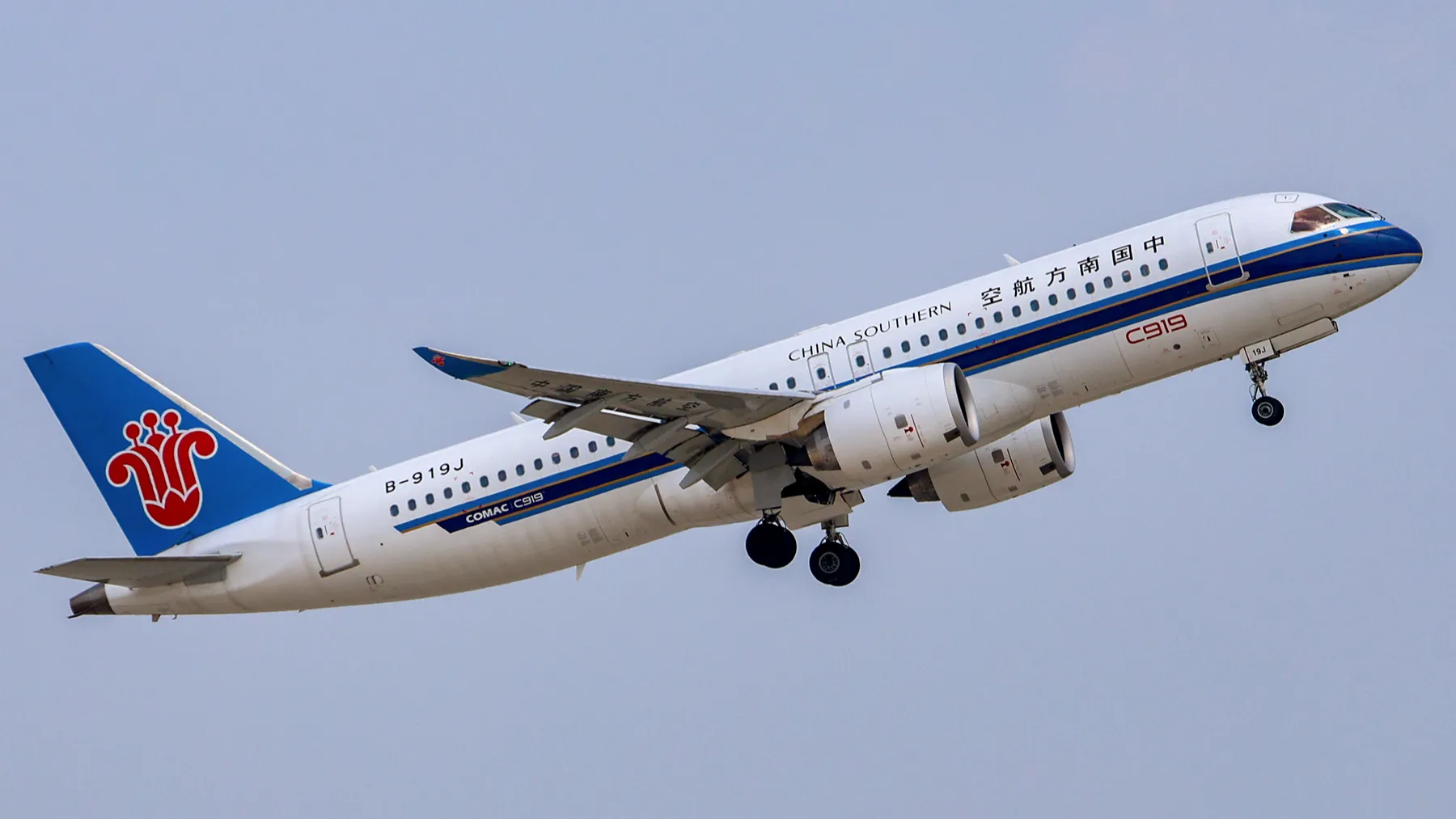
The shift began after Japanese Prime Minister Sanae Takaichi suggested that Japan might intervene militarily in the Taiwan Strait. This led Beijing to issue a travel warning on Nov. 14 which resulted in Chinese airlines cancelling many Japan-bound flights (with Japan Today reporting that as many as half a million trips were canceled), leaving travelers scrambling to find alternatives.
Growing Interest in South Korea and Beyond
Chinese travel data indicate a sharp surge in interest for South Korea since mid-November. South China Morning Post had reported that Chinese Airlines operated around 30-40 Japanese routes but following the diplomatic scuffle slashed 12 of these routes, which included Kyoto and Osaka among others. The same publication had also reported that “by November 17, Chinese airlines had received 491,000 air ticket booking cancellations for flights to Japan – about 32 per cent of total bookings…..“
As a result of the cancellations, interest in other countries grew, and South Korea was an obvious choice- given that much like Japan it is one of the nations in what is collectively known as “The Far East“, and lies quite close to China. South Korea also has free VISA policies to the travelers part of a group from China. The following data indicated how good a prospect Korea has become for Chinese travelers:
| Category | Data |
|---|---|
| Chinese Tourists Visiting Korea (Jan–Oct 2025) | 4.7 million visitors |
| Korean Air Incheon–Fuzhou Route | Increased from 3 to 4 weekly flights |
| Asiana Airlines Flights to China (by March) | 165 weekly flights |
| Asiana Airlines Capacity Increase | 20% increase in China routes |
| Hotel Bookings in Korea (Last 2 weeks of Nov) | +240% YoY |
| Korea’s Ranking Among Chinese Travelers (According to Chinese travel platform Qunar, reported on Weekend of Nov 15) | Korea ranked #1 |
| Flight Ticket Payments Ranking | Korea ranked #1 |
| Search Volume Ranking | Korea ranked #1 |
Data: Korea Times
However, individual people who want to go to Korea need a VISA, prompting Chinese people to look for other options such as Russia, Thailand, among other nations. Only a couple of days ago, Reuters reported that Russia would allow many categories of Chinese people, such as:
- Academics
- Businesspeople
- Tourists
- Artists
- Sports people
a VISA-free access to Russia.
South Korea’s VISA waiver that kicked it all off
Before September 29, 2025, even group travelers from China to South Korea had to apply for VISAs. But the Korean government to waive VISA for group travelers from Sept 29 until June 30, 2026. According to China Daily, South Korea is the 3rd most popular overseas destination for Chinese travelers (after Japan and Thailand), and reported the following numbers:
-
Search surge: Internet searches for Seoul travel products jumped 70% within 30 minutes of the announcement of exemption of VISAs.
-
Passenger trips in 2024: Chinese travelers made 4.6 million trips to South Korea, accounting for 28.1% of all inbound tourists.
-
Group tours by Spring Tour: Operating daily group tours from Shanghai to South Korea from August to end of October.
-
GDP impact (Bank of Korea): Every 1 million additional Chinese group tourists increases GDP by 0.08 percentage points.

Korean Carriers have Capitalized on the Rising Visitors from China
According to the data of the Japan National Tourism Organization that was quoted in Korea JonngAng Daily, 2024 saw 6.06 million Chinese tourists in Japan and their spending totaled 1.7 trillion yen ($10.9 billion), accounting for almost a fifth of all foreign tourist spending. The same publication also reported of the following rebounding of sales at major discount chains and fashion retailers:
-
-
At key Seoul Daiso branches, payments via Alipay, WeChat Pay and UnionPay rose 130–250% year-on-year in October.
-
From early November to Nov. 20, the Myeong-dong store saw a 200% jump and the Gangnam flagship 230%.
-
At Musinsa’s Myeong-dong and Seongsu stores, Chinese tourist spending increased 126% and 89% between Nov. 1–19 year-on-year.
-
Two airlines from South Korea have already upped their services to and from Japan, as evidenced in the following table:
| Airline | Base / Hub | Recent capacity changes | Strategic note |
|---|---|---|---|
| Korean Air (KE) | Incheon International Airport (ICN), Seoul | Increased its Incheon–Fuzhou route from three to four weekly flights in November 2025 | Moves to leverage higher-yield China routes over Japan-bound services |
| Asiana Airlines (OZ) | Incheon (ICN) / Korean domestic hubs | Planning 165 weekly flights to China by March 2026 — ~20% capacity increase on prior plans. | Expanding China network to absorb disrupted Japan traffic |
Korean Air introduced the Incheon (ICN)–Fuzhou (FOC) route around the end of 2024, as Fuzhou was a growing travel destination. 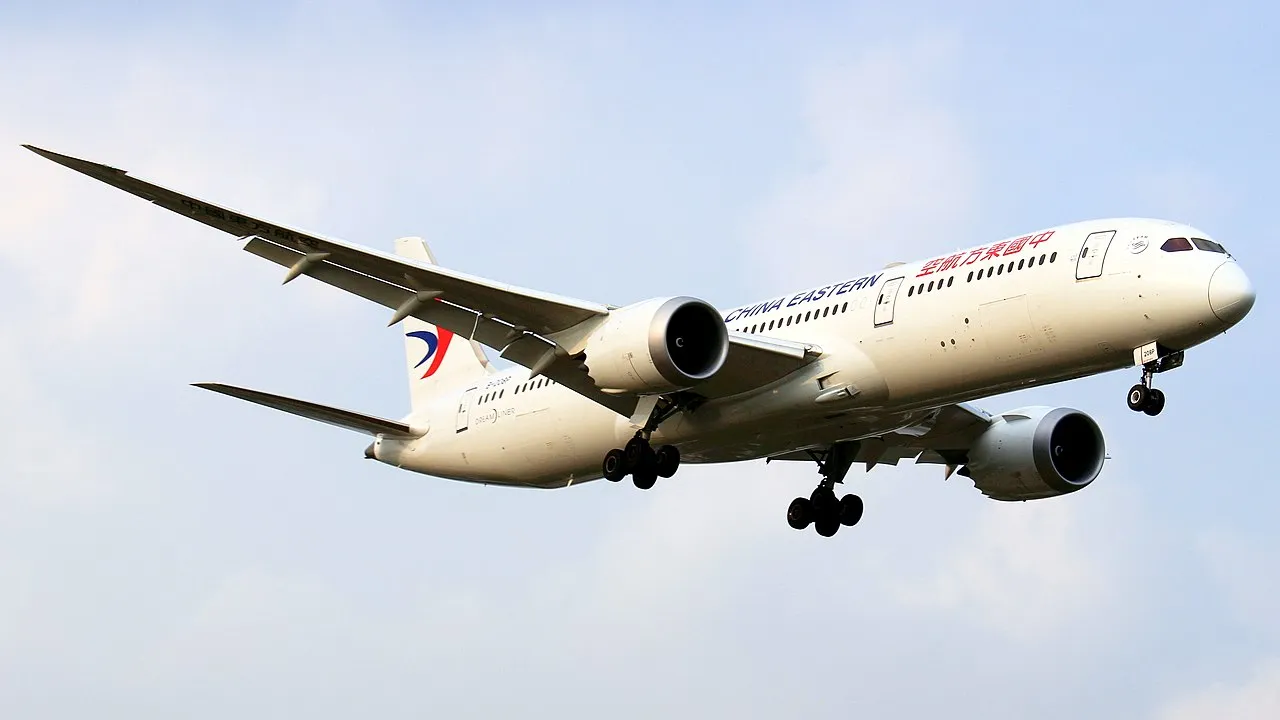
Photo: Md Shaifuzzaman Ayon | Wikimedia Commons
Emergence of Other Destinations: Particularly Russia and Thailand
Russia is also emerging as an alternative, particularly because of expanded visa-free access and strong connectivity with northeastern China. Vladivostok, in particular, has benefited from the shift.
In a statement issued by Vladivostok Airport to South China Morning Post, the airport said that the place where the airport is located “is interesting by itself as a city with European ambience, Christian culture, military history and with China-friendly infrastructure.”
The information in the following table gives us a cue of travelers’ interest in Russia:
| Data Category | Value |
|---|---|
| Russia hotel bookings by Chinese travellers (for December stays, last 2 weeks) | +50% YoY |
| Fliggy flight bookings to Russia (past 2 months) | Nearly doubled YoY |
| Passengers flying China → Vladivostok (Oct 1–Nov 25, 2025) | 67,000 passengers |
| Increase vs. full Oct–Nov last year | +37% |
| Weekly China–Vladivostok flights | Up from 35 to 43 flights |
| Increase in searches for Russia travel products (48 hours after Nov 18 announcement) | Tripled |
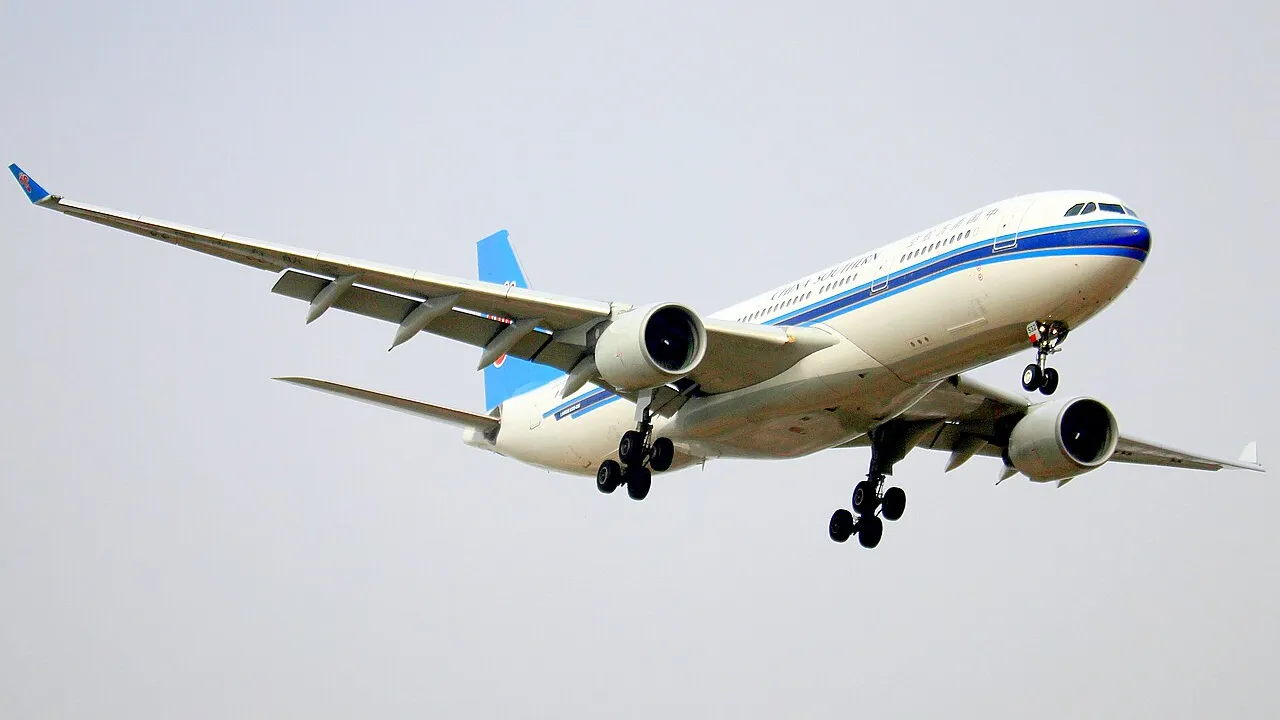
Thailand is Rising but Problems Remain
Thailand’s position is more complicated. Although Qunar data shows Thailand ranking as the most popular destination for Chinese outbound travelers during the January 15–February 10, 2026 winter vacation period, the country continues to struggle with concerns over visitor safety and declining Chinese arrivals.
This worry from Thailand comes in light of the kidnapping of Chinese actor Wang Xing after arriving in Bangkok’s Suvarnabhumi Airport. Hundreds of Chinese workers were freed from scam centers in Thailand. The following numbers posted by ThaiTimes might give us a better story:
-
Flight cancellations to Thailand spiked by 94% last month.
-
Thailand logged only 711,000 Chinese visitors by early February.
-
Thailand may top out at just 7.5 million Chinese tourists in 2025 if safety fears persist.
-
Demand remains choppy, with March flight bookings still 10% below the previous week’s levels.
-
Flight demand for April and May is projected to climb by over 3%.


_taking-off_from_CGO_02.jpg)
_@_PEK,_May_2017_(03).jpg)
.jpg)
_-_China_Eastern_Airlines_panorama_LGW_120225.jpg)
_Boeing_787-9_Dreamliner.jpg)
