
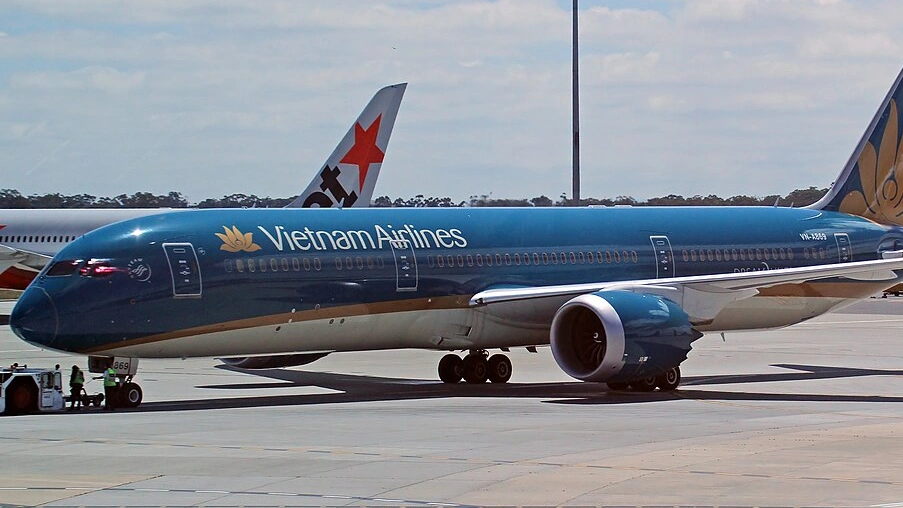
A Boeing 787‑8 Dreamliner, registered N947BA and built in 2017, has been dismantled at Roswell International Air Center (ROW) in New Mexico despite accumulating barely 13 hours of flight time — a commercial rarity for a modern wide‑body airliner.
The aircraft, owned by Boeing and never delivered to a scheduled airline, is being scrapped because its individual components now command a higher market value than the airplane as a complete asset.
Industry analysts say the unprecedented teardown illustrates a broader shift in aircraft asset economics amid global spare parts shortages, supply chain disruptions, and rising demand for “used serviceable material” (USM) necessary for fleet maintenance around the world.

.jpg)
Aircraft profile: Boeing 787‑8 N947BA
| Attribute | Details |
|---|---|
| Model | Boeing 787‑8 Dreamliner |
| Registration | N947BA |
| Serial Number | 35507 |
| First Build | 2017 |
| Status | Scrapped; Parted Out |
| Total Flight Hours | ~13 hours |
| Engines | GE Aerospace GEnx‑1B turbofans |
| Final Location | Roswell International Air Center (ROW), NM |
.jpg)
A Dreamliner Rejected Before Service
While many commercial Dreamliners go on to fly for years or decades, N947BA never entered airline operation. Originally part of an order for Royal Air Maroc, the aircraft was allegedly rejected due to assembly defects and overweight issues and returned to Boeing’s custody soon after production.
Later, in 2017, it was sold to Crystal Cruises with plans to convert it into a VIP long‑haul luxury jet featuring only 60 first‑class seats for global private travel. Those plans never materialized, and the aircraft spent years in storage at Southern California Logistics Airport (VCV) in Victorville, CA, effectively grounding it, Simple Flying reported.
Why Scrapping Made Financial Sense?
Aviation asset managers and disassembly firms say the parts market economics ultimately drove the decision to scrap N947BA rather than sell it intact.
| Component Category | Estimated Value |
|---|---|
| GEnx‑1B engines (2) | ~$40 million |
| Landing gear shipset | $4–6 million |
| Avionics & line replaceables | $2–4 million |
| APU & nacelle components | $2–3 million |
| Estimated USM total | $50–56 million |
Engine values are especially pivotal. Each GE Aerospace GEnx‑1B engine on the aircraft is estimated to be worth around $20 million in remaining life value, based on aviation market assessments — meaning the two engines alone may exceed the aircraft’s value as a whole.
Industry data shows that when there is a shortage of serviceable parts, operators are willing to pay premiums for OEM‑quality components rather than wait months for new units — a dynamic that has dramatically increased the valuation of used parts.
_Boeing_787-9_Dreamliner_VGHS.jpg)
Parts scarcity and Teardown trends in the Aviation Industry
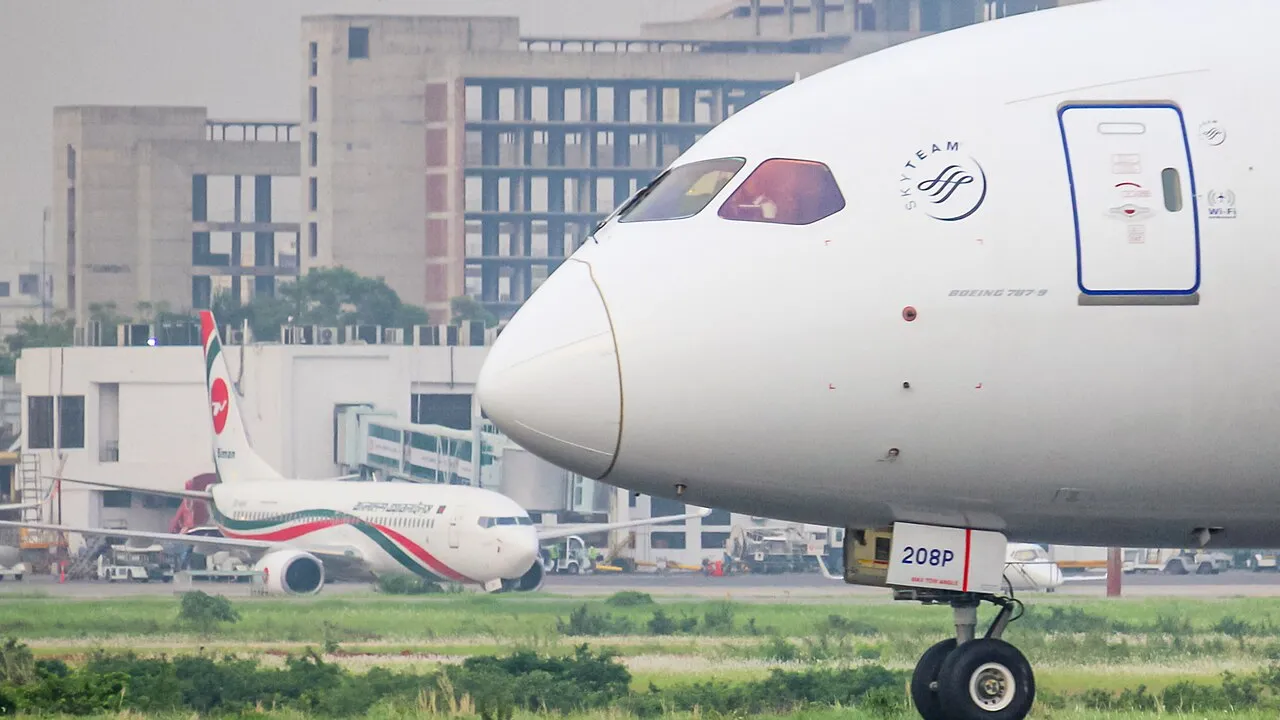
Until very recently, Boeing 787 tear‑downs were almost nonexistent due to the aircraft’s relatively young age in airline service; there were simply not enough retired airframes to harvest.
However, this is changing:
- In 2023, two ex‑Norwegian Air Shuttle 787‑8s were dismantled in Scotland as their operators chose teardown over costly maintenance.
- Ireland‑based EirTrade Aviation — one of the first companies to perform 787 disassembly — reported being inundated with requests for Dreamliner parts, reinforcing how in‑demand these components have become.
- Remarketing analysts note that used parts for aircraft nearing or past their 12‑year heavy maintenance cycles are especially scarce, pushing valuations even higher.
The economics of teardowns has even outstripped the value of older widebodies in some markets, as operators grapple with bottlenecks in spare supply and maintenance capacity.
Implications for Boeing and the 787 fleet
The Boeing 787 Dreamliner remains one of the most advanced wide‑body airliners ever produced, featuring composite airframes and modern systems designed for fuel efficiency and long‑range operations. Only one Dreamliner has ever been involved in a fatal accident: the Boeing 787 operated by Air India (AI) in the crash of AI 171.
Yet the N947BA scrap also highlights emerging financial tensions within the industry:
- Advanced materials such as composites are difficult to repurpose at scale once stripped from an airframe, complicating recycling of the fuselage and wings.
- A limited used parts inventory for newer aircraft platforms like the 787 means operators increasingly seek high‑quality components from teardown stocks.
- Aircraft with complicated histories and low flight hours can be harder to sell as complete jets, pushing them toward dismantling even when relatively young.
Some industry observers warn that as more early 787s enter maintenance milestones like heavy checks, comparable teardown decisions may become more common in the coming decade.
What lies ahead for unused Dreamliners
Although N947BA is among the first 787s to be scrapped in the U.S., it is not the only early‑built Dreamliner with limited service. Another early‑production 787‑8 (reg. VP‑CSC) has only performed three flights over eight years and remains in long‑term storage, sparking speculation that it too could be evaluated for teardown if market conditions persist.
Industry traders and aircraft remarketers say such conversions from “whole aircraft” to parts stockpiles are emblematic of the changing economics of aviation assets — and may become a defining trend of the 2020s aviation aftermarket.