
Allegiant Travel Company has agreed to acquire fellow low-cost operator Sun Country Airlines (SY) in a definitive cash-and-stock deal valued at approximately $1.5 billion, inclusive of about $400 million of Sun Country’s net debt. Under the terms, Sun Country shareholders will receive $4.10 in cash plus 0.1557 shares of Allegiant common stock for each share they own, representing an implied valuation of roughly $18.89 per share — a premium of nearly 19.8 % over Sun Country’s recent closing price.


The transaction, announced January 11, 2026, brings together two of the United States’ most noted leisure-focused carriers, “expanding service to more popular vacation destinations across the United States, as well as international destinations, and providing more people with access to affordable, convenient air travel“. Pending regulatory approval and customary closing conditions, the combined airline — headquartered in Las Vegas — is expected to close in the second half of 2026.
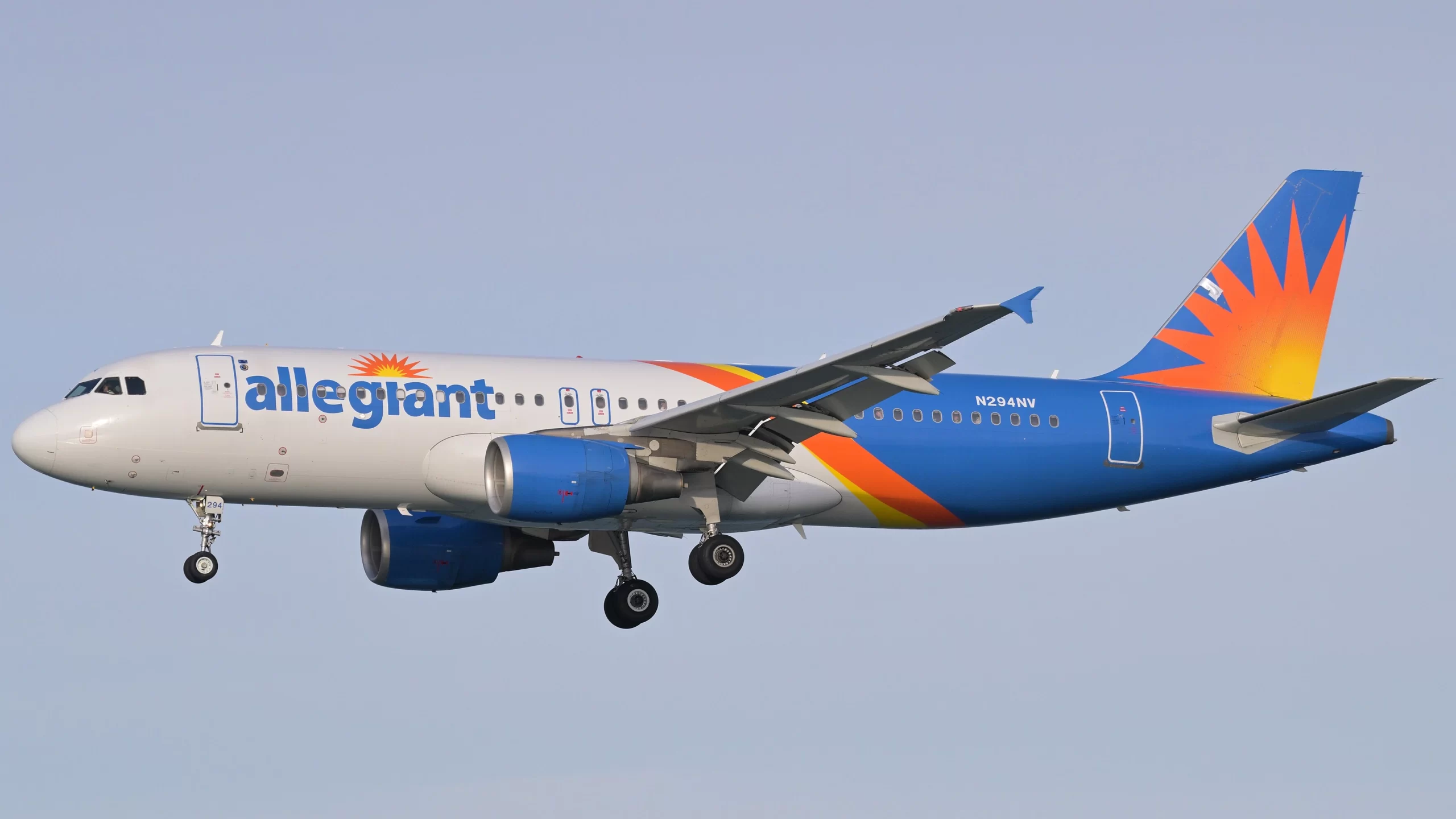

Allegiant Travel Company
| Attribute | Details |
|---|---|
| Airline name | Allegiant Travel Company (ALGT) |
| Founded | 1997 |
| Headquarters | Las Vegas, Nevada, United States |
| Business model | Low-cost carrier, leisure-oriented scheduled flights |
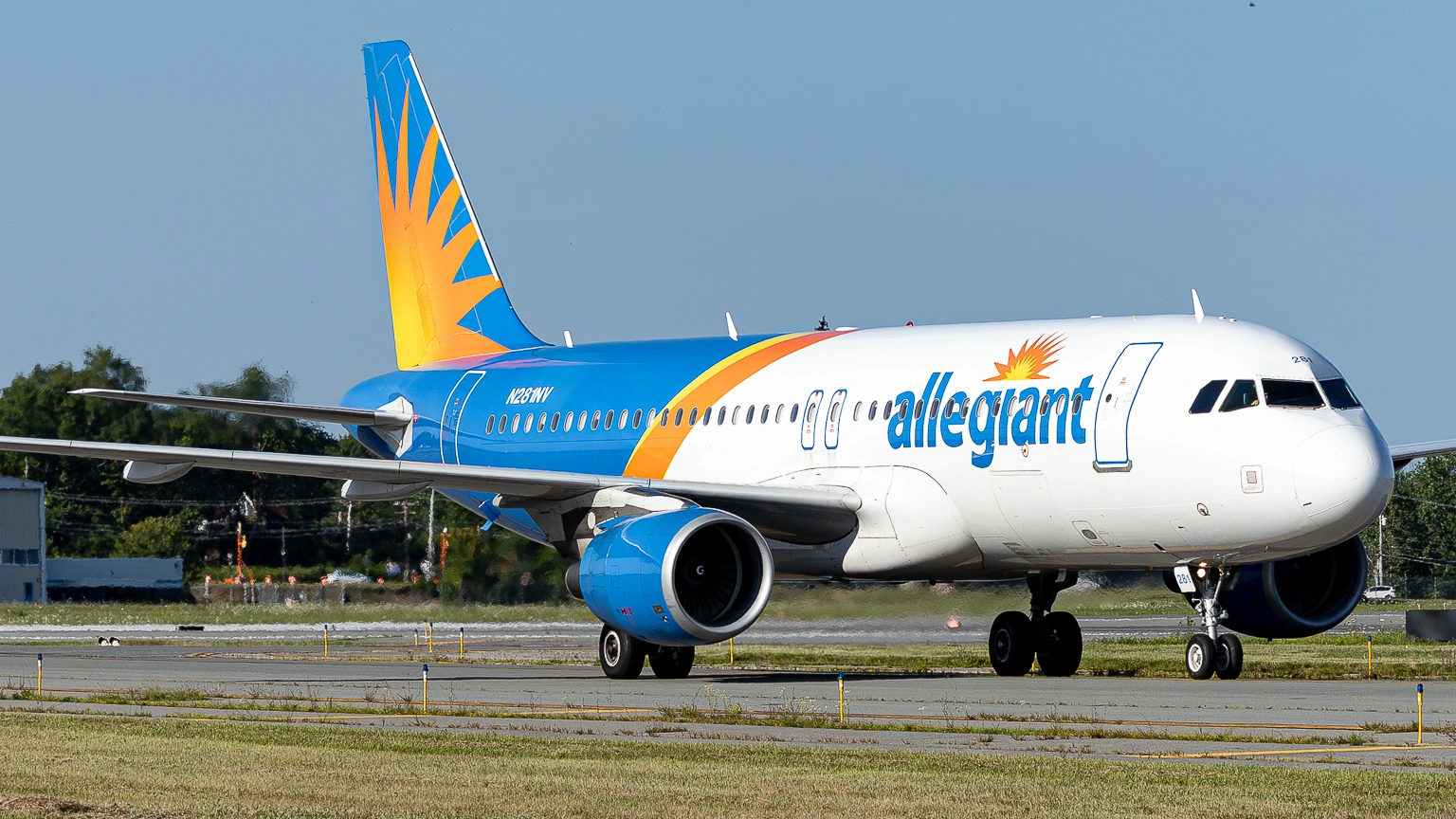
| Fleet size (pre-merger) | ~127 aircraft (mixed Airbus & Boeing types) |
| Hubs / Bases | Las Vegas (LAS), Phoenix/Mesa (AZA), and others |
| Annual passengers | ~21 million |
| Primary market | Underserved small/medium U.S. cities to vacation destinations |
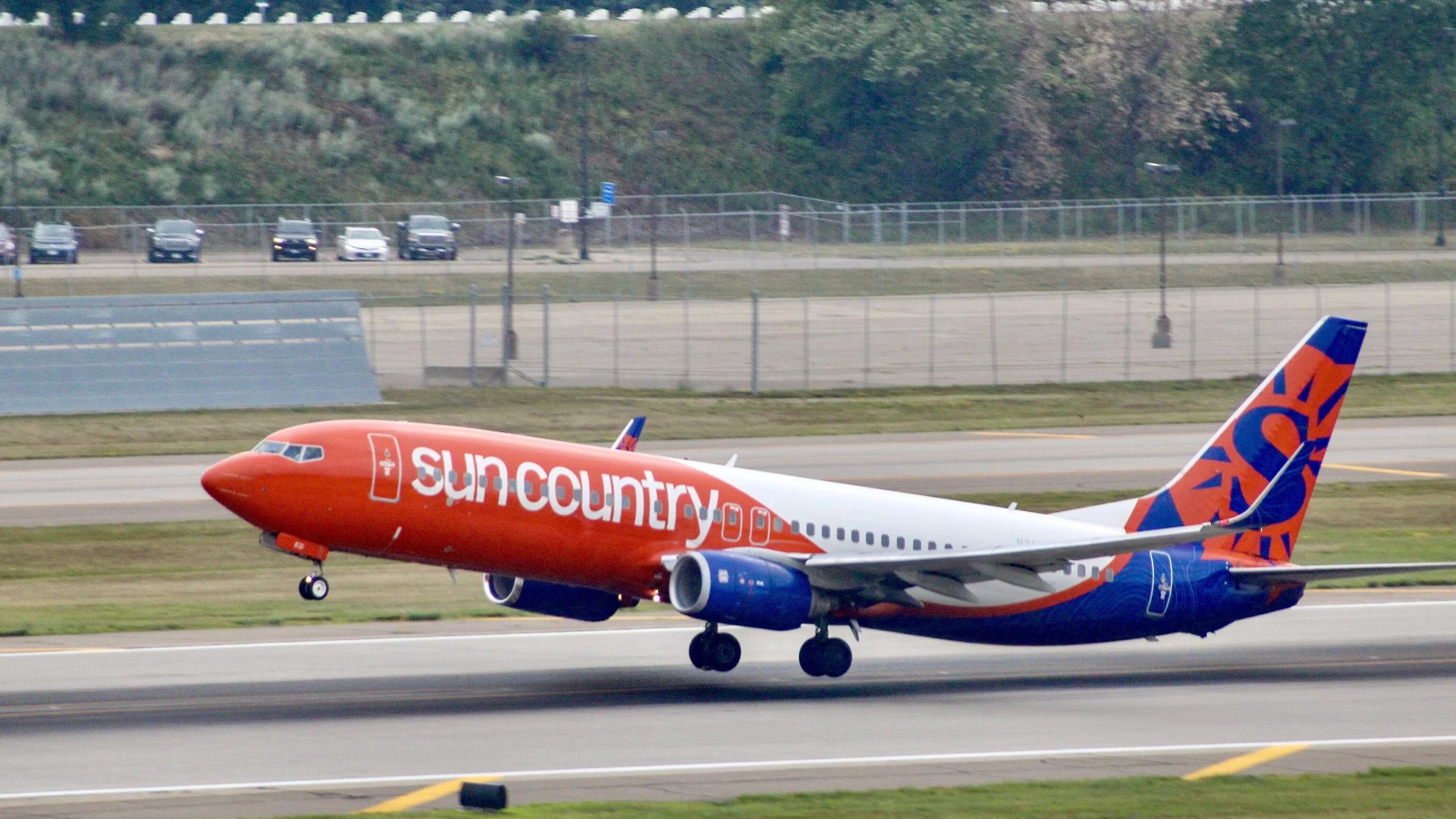

Sun Country Airlines
| Attribute | Details |
|---|---|
| Airline name | Sun Country Airlines (SNCY) |
| Founded | 1982 |
| Headquarters | Minneapolis, Minnesota, United States |
| Business model | Hybrid low-cost scheduled service, charter operations, cargo contracts |
| Fleet size (pre-merger) | ~68 Boeing 737 series aircraft |
| Hubs / Major base | Minneapolis-St. Paul International Airport (MSP) |
| Annual passengers | ~10 million |
| Notable operations | Long-term cargo partnership with Amazon, charters for sports & military |


Deal Structure and Financial Implications of Sun Country and Allegiant’s Merger
The cash-and-stock structure anchors this acquisition, balancing immediate monetary value with future equity participation for Sun Country shareholders.
Key terms of the transaction:
-
Cash component: $4.10 per Sun Country share.
-
Stock consideration: 0.1557 Allegiant shares per Sun Country share.
-
Ownership split post-close: ~67 % Allegiant shareholders, ~33 % Sun Country shareholders.
-
Valuation: ~ $1.5 billion including debt.
-
Annual synergies: Projected ~$140 million by year three.
-
Headquarters: Las Vegas, NV for the combined entity.
-
FAA operating certificate: Dual operation until consolidated under a single FAA certificate.
Gregory C. Anderson, CEO of Allegiant, said the deal represents “an exciting next chapter” in the two carrier’s affordable, reliable service and broader route options for leisure travelers:
“We have long admired Sun Country for their well-run, flexible, and diversified business model that optimizes for year-round utilization and strong margins. Together, our complementary networks will expand our reach to more vacation destinations including international locations. With our combined strengths– including operational excellence, consistent profitability, strong balance sheets, and fleet ownership, we will create an even more resilient and agile airline that delivers greater value to travelers, partners, Team Members, shareholders, and the communities we serve.”
.jpg)
Combining Allegiant and Sun Country Network Expansion and Operational Footprint
The combined airline is anticipated to serve nearly 175 cities over 650+ routes, integrating Allegiant’s network with Sun Country’s domestic and international footprint.
Route and network highlights:
-
Expanded domestic service linking underserved city pairs.
-
Increased international leisure destinations, particularly Mexico, the Caribbean, Canada, and Central America.
-
Greater year-round stability through diversified charter and cargo operations.
Initial operations under both brands will continue unchanged for passengers until the completion of regulatory requirements and FAA operating certificate consolidation.
The Meger is also going to have a lot of positive effects on the employees. These include the following:
| Focus Area | Paraphrased Impact on Employees |
|---|---|
| Career progression | A larger, integrated fleet and route network will open up additional positions, clearer promotion pathways, and broader cross-qualification opportunities across the merged airline. |
| Service culture | The combined carrier will continue to prioritize safety, customer care, and value-driven leisure travel, embedding these principles into training standards, daily operations, and passenger experience. |
| Year-round operations | Beyond seasonal leisure demand, diversified activities such as charter flying and cargo partnerships will support more consistent, all-season flying, improving workforce stability and operational continuity. |
| Workforce development | Ongoing investment in employee-focused initiatives will strengthen skills development, encourage long-term engagement, and recognize individual and team contributions. |
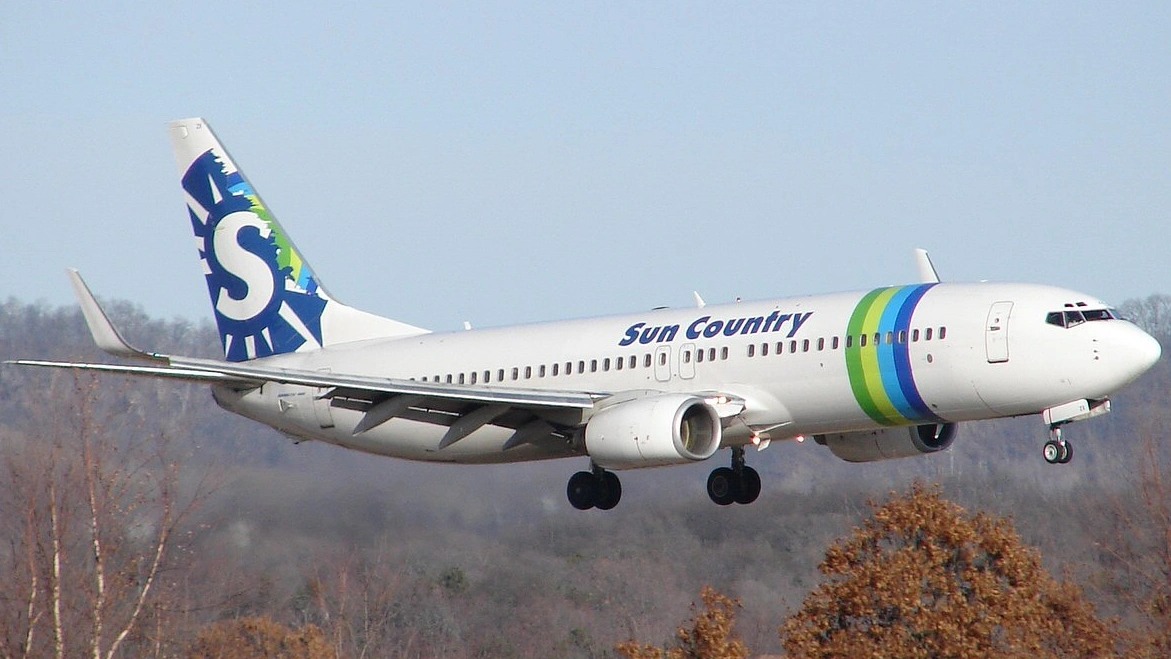
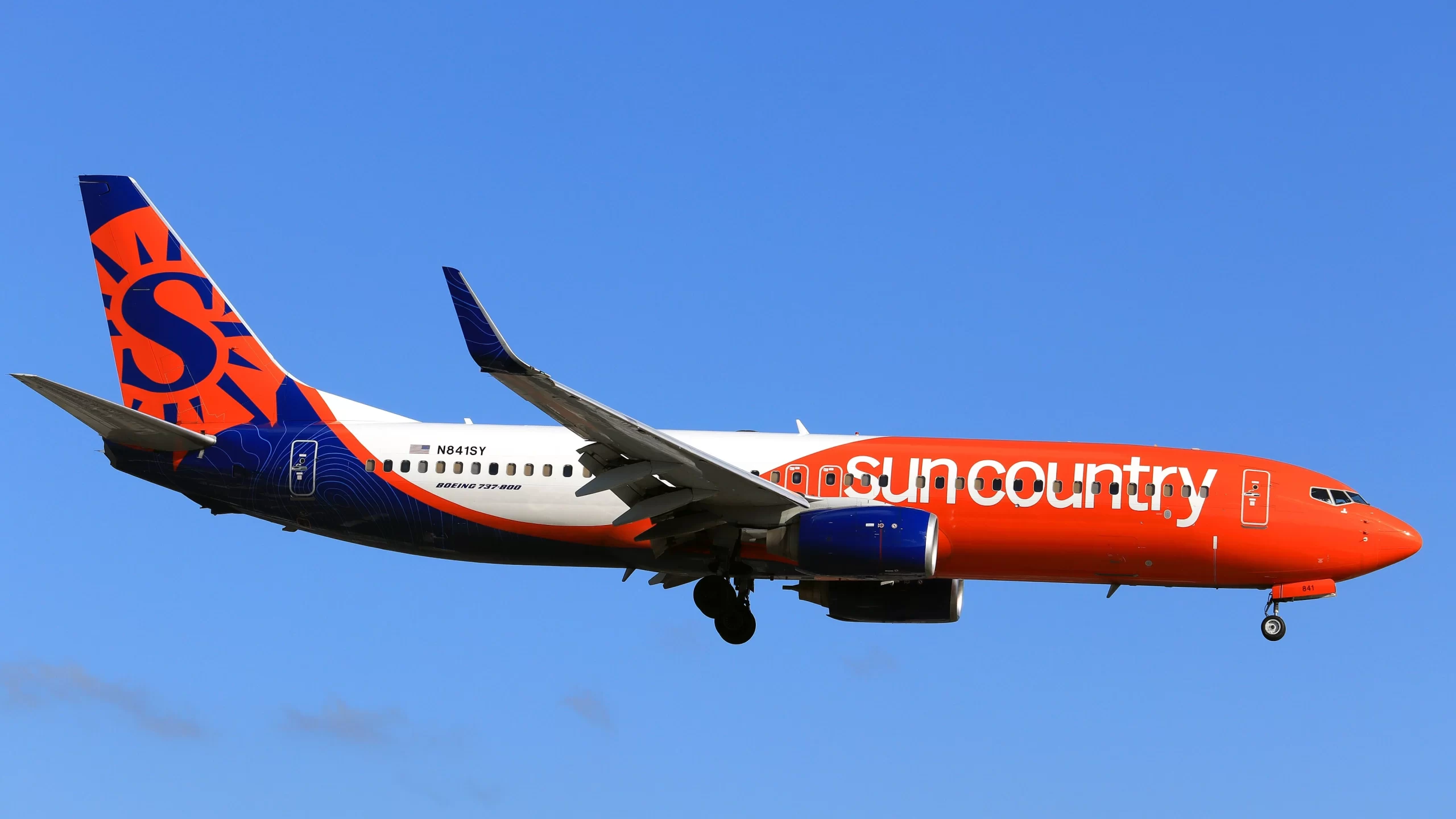
According to data from planespotters.net, Sun Country airlines have a total of 68 aircraft in its fleet. 65 of these are the Boeing 737-800 types that have an average 18.9 years. Three of its Boeing 737-900ERs are 10.9 years. Here the fleet of
| Aircraft Type | In Service | Parked | Current Total | Future | Historic | Avg. Age | Total Aircraft |
|---|---|---|---|---|---|---|---|
| Airbus A319 | 27 | 1 | 28 | — | — | 20.4 years | 28 |
| Airbus A320 | 78 | 5 | 83 | — | — | 15.3 years | 83 |
| Boeing 737 | 16 | — | 16 | 1 | — | 1.0 years | 17 |
| Total (operational fleet) | 121 | 6 | 127 | 1 | — | ~14.6 years* | 128 |
.jpg)
Relevant Aviation Rules and Regulations
The U.S. Department of Justice (DOJ) and the Federal Aviation Administration (FAA) are central to reviewing and approving airline mergers. Key legal frameworks include:
Clayton Act (Section 7)
Section 7 of the U.S. Clayton Antitrust Act makes it unlawful for a company to merge or acquire another when the effect “may be substantially to lessen competition, or to tend to create a monopoly” in any line of commerce. This provision is central to how the U.S. Department of Justice (DOJ) reviews proposed airline mergers such as the blocked JetBlue–Spirit deal — regulators evaluate whether consolidation is likely to reduce competition on specific routes or in relevant markets.
The DOJ and Federal Trade Commission (FTC) use jointly developed Merger Guidelines, which can be summarized in the following way:
| Guideline | Core Principle | Paraphrased Explanation |
|---|---|---|
| Guideline 1 | Market concentration | Mergers that significantly increase concentration in already highly concentrated markets are presumed to reduce competition unless strong evidence proves otherwise. |
| Guideline 2 | Loss of direct competition | A merger may be unlawful if it removes meaningful competitive rivalry between the merging firms. |
| Guideline 3 | Coordination risk | Mergers that raise the likelihood of coordinated or collusive behavior, especially in concentrated or historically coordinated markets, may substantially lessen competition. |
| Guideline 4 | Potential entrants | In concentrated markets, mergers that eliminate future or perceived market entrants can weaken competitive pressure and violate antitrust law. |
| Guideline 5 | Access to critical inputs | A merger may be problematic if it enables the combined firm to restrict rivals’ access to essential products, services, or sensitive information needed to compete. |
| Guideline 6 | Entrenched dominance | Mergers that strengthen or expand an existing dominant market position may contribute to monopolization or reduced competition in related markets. |
| Guideline 7 | Industry consolidation trends | When an industry is already consolidating, regulators assess whether a merger adds incremental competitive risk beyond existing concentration levels. |
| Guideline 8 | Serial acquisitions | If a merger is part of a broader acquisition strategy, regulators evaluate the cumulative competitive impact of all related transactions. |
| Guideline 9 | Multi-sided platforms | For platform-based businesses, agencies analyze competition between platforms, within platforms, and against potential platform displacement. |
| Guideline 10 | Buyer-side competition | Mergers involving competing buyers, including employers, are reviewed for their potential to reduce competition for labor, suppliers, or creators. |
| Guideline 11 | Partial ownership | Acquisitions involving minority stakes or shared ownership are examined for their ability to influence competition even without full control. |
_(350931293).jpg)
Sherman Act: Prohibits Monopolistic Conduct and Anticompetitive Agreements
The Sherman Antitrust Act of 1890 is the foundational U.S. federal statute that prohibits contracts, combinations, or conspiracies that unreasonably restrain trade and forbids monopolization or attempts to monopolize any part of interstate commerce. Section 2 of the Act targets monopolistic conduct and attempts to dominate a market, with Cornell Law School saying that Section 2 of the Act “prohibits monopolization or attempts at monopolizing any aspect of interstate trade or commerce and makes the act a felony“.
FAA certification requirements for merged airlines
In the United States, the Federal Aviation Administration (FAA) oversees the safety and operational certification of airlines. When two airlines merge, the FAA requires a comprehensive process to unify their separate air carrier operating certificates under one single certificate to ensure the integrated entity meets all safety, operational, and training standards before consolidated commercial operations can begin.
During this certification process:
-
The merged airline must demonstrate compliance with FAA safety requirements across all phases of operation.
-
Systems, manuals, training programs, and safety oversight mechanisms from both legacy carriers must be integrated.
-
Only once the FAA is satisfied that the merged airline can operate safely as a single organization will it issue the unified certificate.
FAA highlights the following as the key considerations and regulatory oversight in U.S. airline mergers:
| Area of review | Details and implications |
|---|---|
| Organizational and workforce changes | Airline mergers can trigger leadership restructuring, shifts in senior management responsibilities, employee attrition, and, in some cases, workforce reductions. Labor relations may also be affected, potentially leading to negotiations or disputes with unions. |
| Operational scale and growth | Rapid post-merger expansion can introduce operational complexity, particularly if route networks are expanded aggressively or capacity is added faster than systems can adapt. |
| Fleet composition changes | Integrating different aircraft families may increase training, maintenance, and certification requirements, especially when airlines operate multiple aircraft types with distinct operational characteristics. |
| Vendor and contractor adjustments | Mergers often require airlines to reassess agreements with third-party vendors, including maintenance providers, ground handlers, and IT suppliers, which can affect operational continuity. |
| Operational control systems | Changes may be required to flight operations oversight, dispatch systems, safety management frameworks, and internal control structures to ensure unified command and accountability. |
| Network and aircraft deployment | Route structures and aircraft assignments may be revised to optimize efficiency, which can alter market presence and operational risk profiles. |
| Manuals and procedural documentation | Airlines must update and harmonize operating manuals, standard operating procedures (SOPs), and compliance documents to reflect the merged entity’s structure and practices. |
| Maintenance and inspection programs | Existing maintenance schedules and inspection regimes must be reviewed and aligned to meet FAA safety and airworthiness standards across the combined fleet. |
| Training programs | Pilot, cabin crew, and maintenance training curricula may require revision to address new aircraft types, procedures, or organizational structures introduced by the merger. |
| FAA merger evaluation process | The Federal Aviation Administration follows a structured, step-by-step evaluation process that places safety at the core of merger approval. The FAA provides detailed guidance to both airlines and inspectors, outlining requirements for each phase of integration. |
| Single operating certificate issuance | Once all safety, operational, and managerial concerns are resolved — and a unified management team with full operational control is in place — the FAA may issue a single air carrier operating certificate. |
| Post-merger oversight (CHEP) | After the merger is finalized, the FAA may conduct a Certificate Holder Evaluation Program (CHEP), a comprehensive audit designed to assess how effectively the airline executed its transition plan and to identify any remaining safety or compliance gaps. |
| Department of Transportation (DOT) role | The U.S. Department of Transportation conducts a separate review process and must grant economic authority before the merged airline can operate as a single entity. |
| Department of Justice (DOJ) role | The DOJ evaluates route overlaps and competitive impacts to determine whether the merger would harm competition. Airlines are required to coordinate closely with the DOJ throughout the review process. |

What This Means for Passengers and Markets?
For travelers, the transaction’s near-term impact is expected to be minimal: current ticketing and schedules remain unchanged until integration. Long-term effects could include:
-
Greater route diversity to leisure and international destinations.
-
Enhanced loyalty benefits via expanded frequent flyer engagement.
-
Potential fare effects, subject to competitive dynamics in overlapping markets.
The merger between Allegiant Travel Company (ALGT) and Sun Country Airlines (SY) will combine complementary route networks, expanding both domestic and international reach while improving operational efficiency.
Passengers at smaller and mid-sized U.S. cities will gain better access to vacation destinations and underserved markets, while the aerodrome in Minneapolis–St. Paul International Airport will serve as a key connecting hub to Allegiant’s mid-sized markets.
Key benefits of the combined network include:
-
Over 650 total routes, integrating Allegiant’s 551 routes with Sun Country’s 105.
-
Access to 18 international destinations across Mexico, Central America, Canada, and the Caribbean.
-
Enhanced on-time performance through integrated scheduling and dynamic fleet management.
-
Flexible capacity adjustments to match seasonal and weekly demand patterns.
-
Expanded frequent flyer program, growing the member base from 21 million to over 23 million.
Operationally, the combined airline will leverage charter and cargo operations year-round to increase profitability, while dynamically adjusting routes to respond to emerging vacation trends. This approach allows the airline to better serve both leisure travelers and cargo customers without overextending fleet resources.
Combined Airline Network and Strategic Highlights
| Feature | Allegiant (pre-merger) | Sun Country (pre-merger) | Combined Airline |
|---|---|---|---|
| Total routes | 551 | 105 | 656+ |
| Key domestic hubs | Las Vegas (LAS), Phoenix/Mesa (AZA), others | Minneapolis–St. Paul (MSP) | All hubs combined |
| International destinations | Limited | 18 | 18 accessible from Allegiant cities |
| Underserved market focus | Strong | Moderate | Expanded nationwide |
| Loyalty program members | 21 million | 2 million | 23+ million members |
| Fleet and scheduling flexibility | Moderate | Moderate | High, dynamic adjustment possible |
When the two carriers announced a merger, Jude Bricker, Sun Country President & CEO, said, that over the more than four-decade history of the carrier, it had:
“………….grown to become one of the nation’s most respected low-cost, leisure airlines with a unique business model for serving scheduled service and charter passengers as well as delivering cargo, with a strong brand and deep roots in Minnesota”.
The step to become enjoined with join Allegiant was a step to “create one of the leading leisure travel companies in the U.S“:
“We are two customer-centric organizations, deeply committed to delivering affordable travel experiences without compromising on quality. Importantly, we believe this transaction delivers significant value to Sun Country shareholders and an opportunity to continue to benefit from our growth plans as a combined company.”

All in All
The combined airline as better positioned to withstand cyclical downturns while capturing leisure demand that continues to outpace business travel. This is how the leadership is set to stand:
-
Gregory C. Anderson – Allegiant CEO; will serve as Chief Executive Officer of the combined company.
-
Robert Neal – will serve as President and Chief Financial Officer.
-
Jude Bricker – Sun Country President and CEO; will join the Board of Directors and serve as advisor to Gregory C. Anderson to support integration.
-
Two additional Sun Country Board members – will join the Allegiant board, expanding its size to 11 members.
-
Maury Gallagher – Chairman of the Allegiant Board; will serve as Chairman of the Board for the combined company.
Some of the other changes that are set to follow include:
| Focus Area | Key Impact / Details |
|---|---|
| EPS Accretion | The transaction is expected to increase earnings per share within one year of closing while supporting stronger long-term financial performance. |
| Balance Sheet & Leverage | The combined airline anticipates a Net Adjusted Debt to EBITDAR ratio below 3.0x at closing and aims to retain balance sheet flexibility afterward. |
| Expanded International Service | Customers will gain access to Sun Country’s international routes across Mexico, Central America, Canada, and the Caribbean, connecting small and mid-sized cities to 18 destinations. |