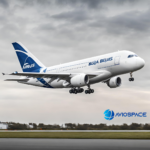
Air France-KLM customer service confirmed to the Global Times on Monday that it will not accept portable air conditioners as checked or carry-on baggage, after a notice at Shanghai Pudong International Airport (PVG) went viral on Chinese social platform RedNote. The airline group, whose France-based carrier Air France (AF) and Dutch carrier KLM (KL) both fly out of Shanghai, told the outlet the restriction reflects operational and safety requirements rather than a response to Europe’s heatwave-driven demand for cooling equipment.
The notice appeared at a check-in point at Pudong and read that Air France-KLM does not accept the appliances in any form of baggage. Chinese travelers began sharing the sign online just as extreme heat across Europe pushed thousands of households to search for portable cooling units, many of them made in China.
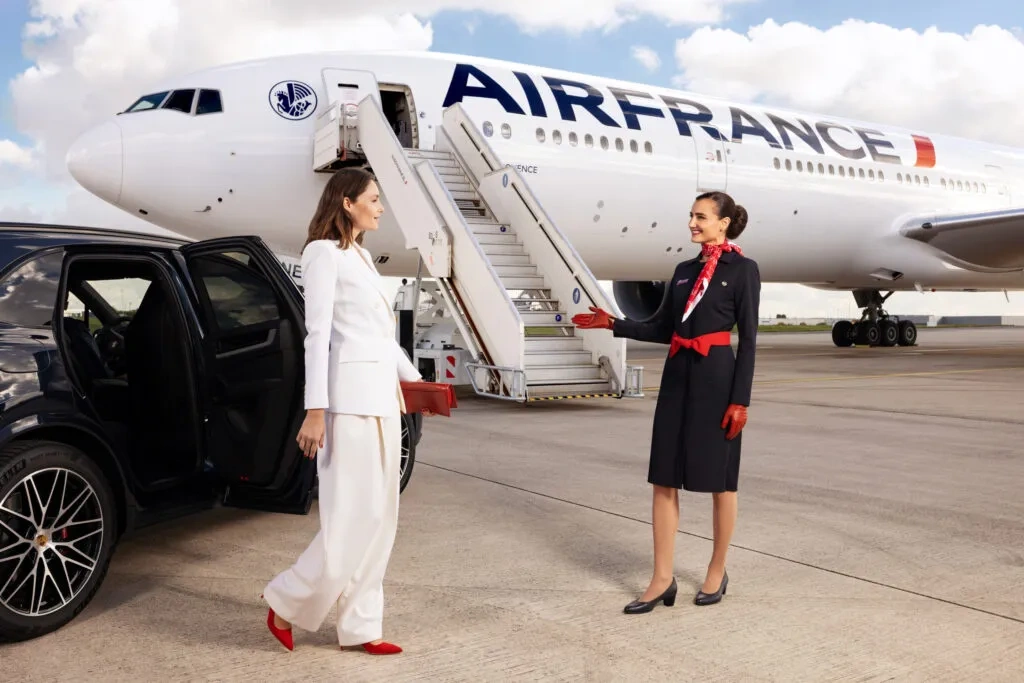
Airline Confirms Ban on Portable Coolers as Baggage
A photo of the checkpoint notice began circulating on RedNote before the airline’s confirmation, sparking jokes among users about the timing. Air France-KLM told Global Times that passengers’ baggage must meet relevant rules and requirements set on operational and safety grounds, without detailing which specific hazard the rule targets.
The statement did not specify whether the restriction applies system-wide or only at the Shanghai Pudong checkpoint. Portable units typically combine two features that airlines treat cautiously in baggage screening: pressurized refrigerant gas and, in some models, lithium battery components.
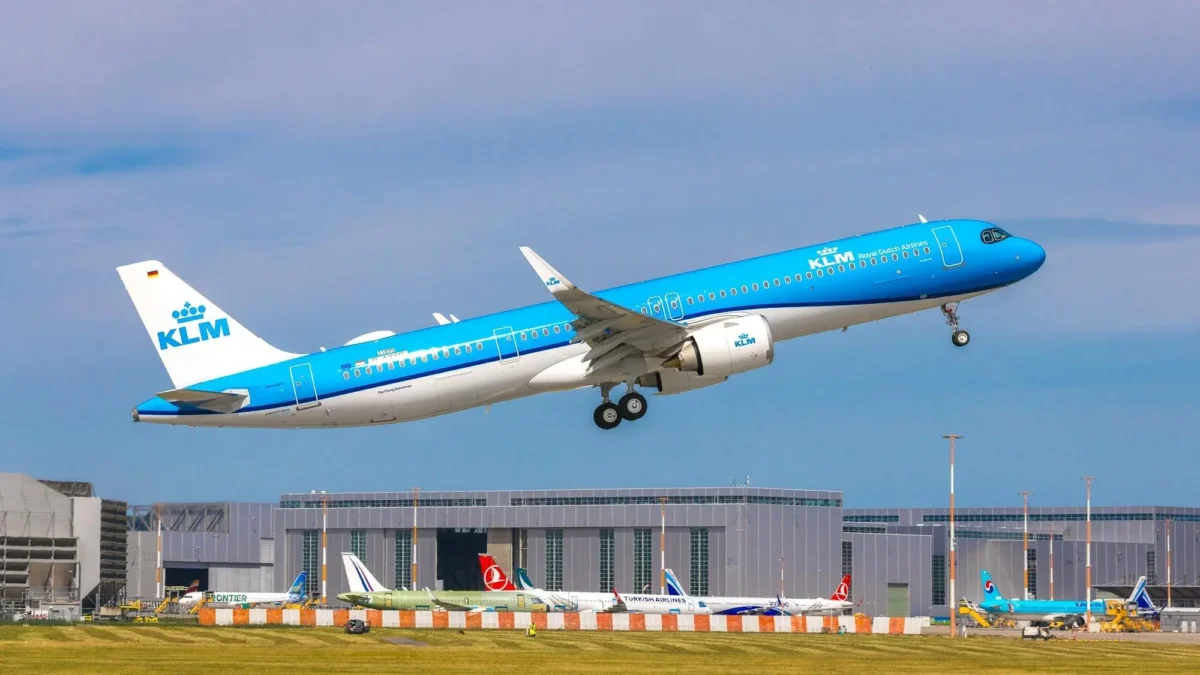
Viral Rednote Post Sparked the Backlash
Commenters under the original post said they had already adjusted their own packing plans after seeing the notice. One traveler wrote, “I just bought six small fans to take to Germany as gifts,” adding that air conditioners were now out of the question.
Several users speculated that airlines tightened enforcement after a widely shared case in July, in which a Shanghai-based employee helped a French colleague bring a portable air conditioner back to Europe as regular baggage. That story, also shared on RedNote, appears to have set off a wave of copycat attempts that airport staff then moved to curb.
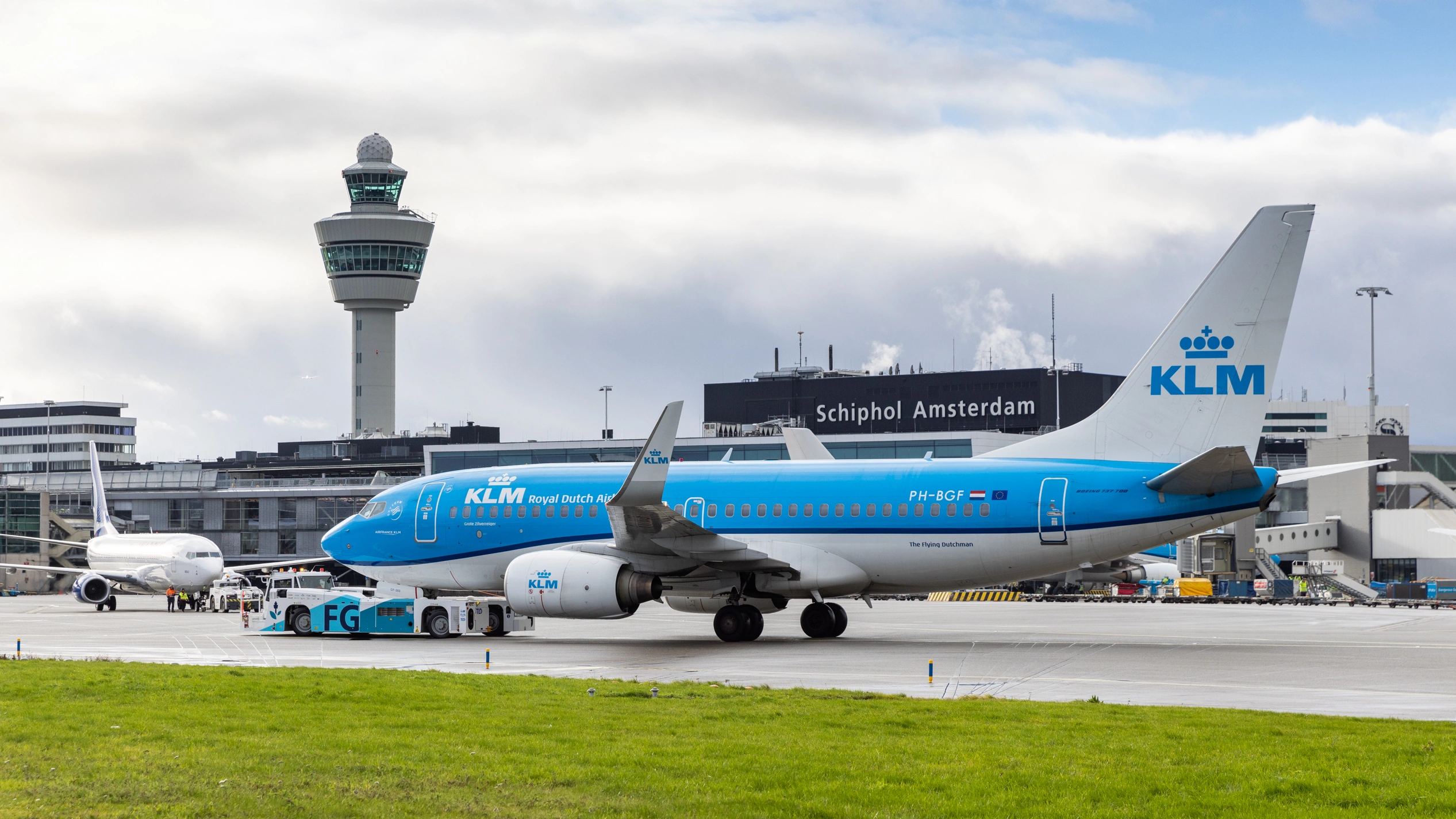
How One Traveler Carried an Air Conditioner to Barcelona
The July case involved a compact unit chosen for its size and weight after research into international transport rules. The appliance used non-flammable R410A refrigerant with a charge of 350 grams and contained no lithium battery, according to the original post.
The employee who arranged the shipment consulted ICAO technical instructions and IATA dangerous goods regulations before concluding the unit could travel as ordinary baggage rather than as a declared dangerous good. The French colleague, who had spare baggage allowance, paid only for additional airport packing services.
Total costs came to 1,412 yuan, or about $209, covering 1,260 yuan for the unit, 130 yuan for packaging, and 22 yuan for a European power adapter. The unit reportedly reached Barcelona without incident.
What Aviation Rules Actually Say About Portable Coolers
Airlines and regulators treat portable cooling equipment case by case, largely because the risk profile depends on what refrigerant and power source the unit uses. Under global dangerous goods rules, several factors determine whether a device can travel as ordinary baggage:
- Units containing lithium batteries face strict watt-hour and packaging limits, and spare batteries cannot go in checked bags.
- Bulk refrigerant gas cylinders are generally forbidden in passenger baggage, though small charges sealed inside finished appliances are often treated differently.
- Baggage must still meet standard size and weight limits, typically 23 kilograms or 32 kilograms per piece and no more than 158 centimeters in combined dimensions.
- Professional packaging is recommended to protect pressurized components from damage during handling.
Airlines have reminded travelers that meeting these technical conditions does not guarantee acceptance, since individual carriers can add their own restrictions on top of baseline international rules.
Air France-KLM’s blanket notice stands out against how Chinese carriers publish their own baggage rules. China Southern Airlines and China Eastern Airlines both maintain detailed baggage regulations covering lithium batteries, oversized sporting goods, and pressurized items, but neither carrier lists a specific outright ban on portable air conditioners in its published policies.

Europe’s Record Heat is Driving Demand for Chinese-Made Coolers
The backdrop to the viral notice is a summer of record heat across France, Germany, and Spain, with temperatures topping 40 degrees Celsius in multiple countries. Only about a fifth of European households own air conditioning, far below rates in the United States or Japan, leaving many residents scrambling for portable units as heatwaves repeated through May and June.
Chinese manufacturers have capitalized on the shortfall, with their share of the European air conditioner market climbing from 27 percent in 2023 to 41 percent in the first half of 2026. Chinese state media reported that China-Europe freight trains carried more than 100,000 portable air conditioners and related components in the second quarter of 2026, worth roughly $52 million, as rail cargo absorbed much of the demand that airline baggage rules were not designed to handle.
What Travelers Should Know Before Packing Cooling Equipment
Passengers hoping to bring cooling equipment to Europe by plane should check with their airline directly rather than relying on general dangerous goods guidance, since individual carriers can impose stricter limits than international rules require. Air France-KLM’s Shanghai notice shows that a rule can apply at one airport checkpoint without necessarily appearing in the airline’s general published baggage policy.
Rail freight and standard cargo shipping remain the more predictable route for larger appliances, given the volume of units already moving through China-Europe freight corridors this year. For travelers set on carrying a unit personally, confirming refrigerant type, battery status, and weight limits with the airline before departure remains the safest way to avoid having baggage refused at the gate.