Air India (AI) raised pilot salaries by 8% to 15% on Friday, August 7, 2026, with commanders receiving the largest increases and the raise tapering down by rank. The Tata Group-owned carrier announced the revision as it works to retain and attract pilots amid a widening fleet and a tight regional labor market, according to a report by the Times of India.
The pay hike applies across ranks at both Air India and its low-cost arm, Air India Express. It comes as the airline restructures how first officers move up to wide-body commands and restores international flights that were cut after the West Asia crisis. The changes take effect immediately and mark the airline’s most significant compensation revision since the Tata Group took charge of the carrier in January 2022.
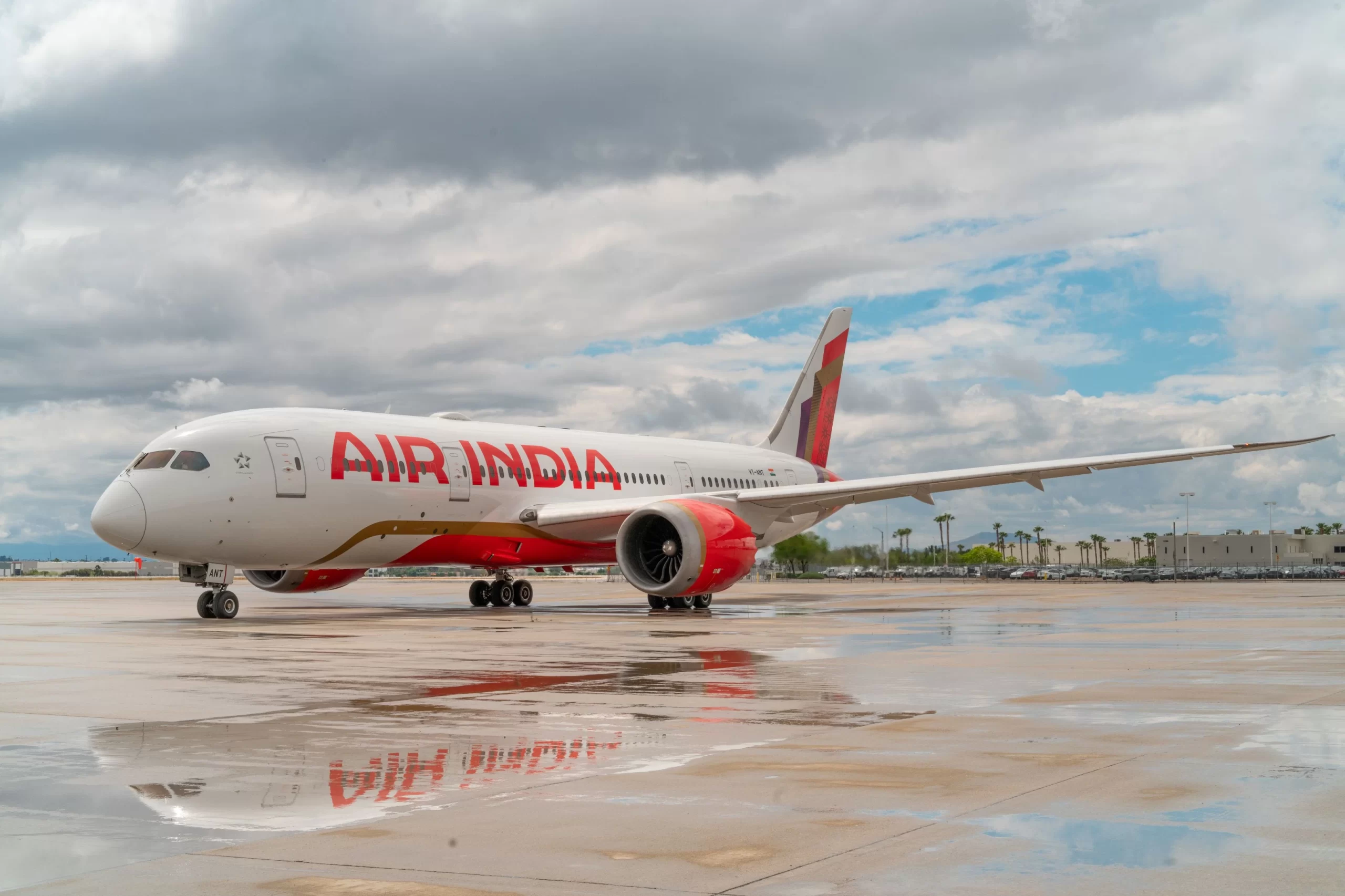
Air India Raises Pay By 8% To 15% Across Ranks
The revised pay structure keeps guaranteed compensation for 40 flying hours a month in place. Flying allowance rates beyond those 40 hours have gone up, so pilots who fly more now earn proportionally more. A senior commander flying 55 hours a month will earn roughly $8,718 (Rs 8.3 lakh), up from $7,877 (Rs 7.5 lakh). A first officer will earn about $3,469 (Rs 3.3 lakh), up from just over $3,151 (Rs 3 lakh).
The structure rewards productivity while keeping a wage floor intact. Key elements of the revision include:
- Guaranteed pay retained for the first 40 flying hours each month
- Higher flying allowance rates for hours flown beyond that threshold
- A new fleet allowance for pilots supporting the Boeing 737 fleet at Air India Express
- Privilege leave reduced from 30 days to 24 days, though weekly offs will not count toward leave
Commanders see the steepest gains under the new framework, with increases tapering down through first officers. The airline has not disclosed the exact rupee value of the 8% to 15% band for every rank, but the two anchor figures for senior commanders and first officers illustrate the range.
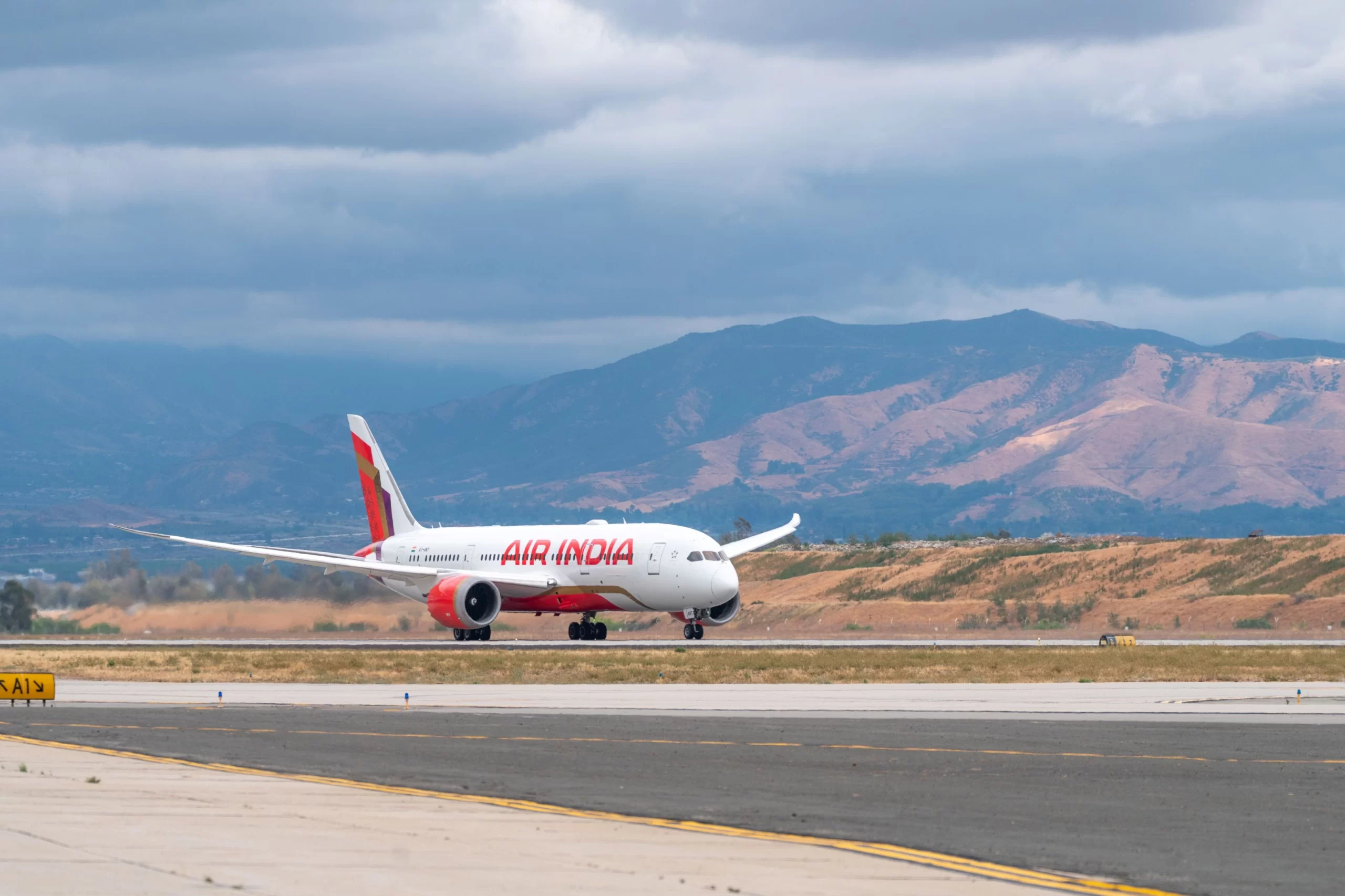
Air India Express Becomes the Pathway to Wide-Body Commands
Under the revised framework, Air India Express will act as the primary route for pilots seeking command upgrades. First officers will earn their upgrades on the airline’s single-aisle Boeing 737 fleet before progressing to Air India’s wide-body aircraft, which carry higher pay. The airline frames this as a structured progression built to move talent through the group rather than losing it to competitors.
This restructuring also targets a specific shortage. Air India has struggled to find enough pilots for the B737 fleet at its low-cost arm, and the new fleet allowance is designed to make those postings more attractive. Since the Tata Group took over Air India and Air India Express in January 2022, the combined fleet has grown from around 100 aircraft to roughly 300, a scale-up that has outpaced pilot hiring and training in the same period.
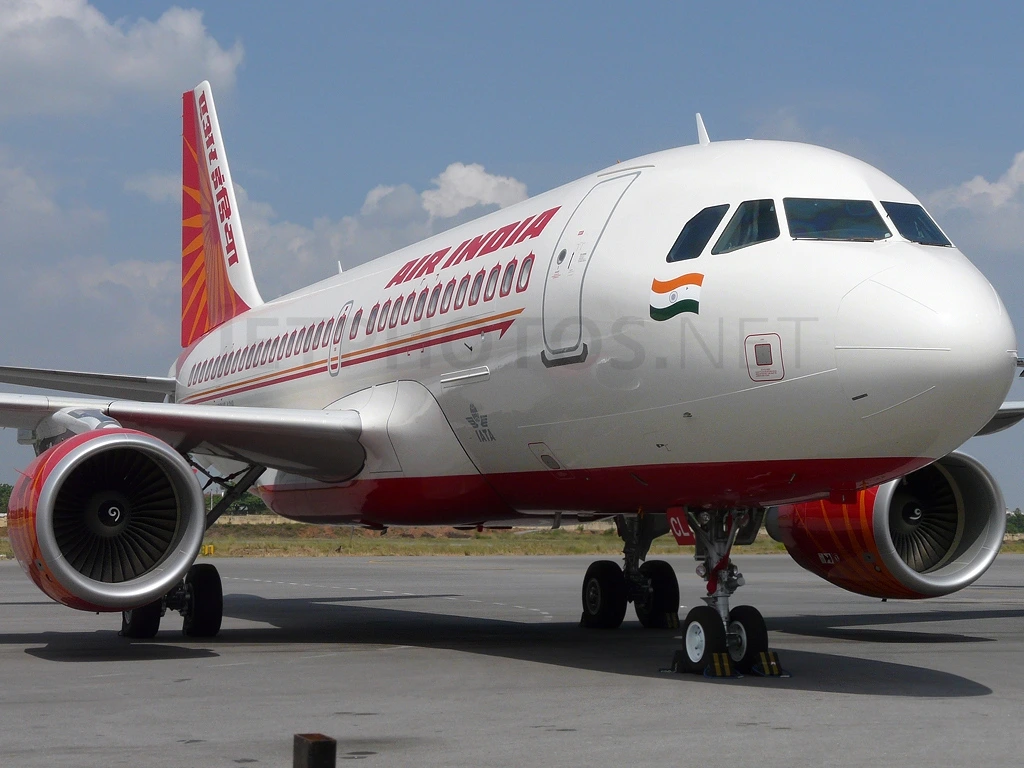
Guaranteed Hours Still Trail IndiGo’s Model
Air India pilots have for years worked under a 40-hour guaranteed pay structure, meaning they receive minimum pay for that many hours regardless of how much they actually fly. IndiGo, the country’s largest carrier by passenger volume, offers fixed pay for 70 hours, a structure that has made it a more attractive employer for pilots seeking predictable income on higher flying hours.
Air India’s revised framework narrows that gap somewhat by increasing allowance rates for hours flown beyond 40, but the guaranteed-hours floor itself remains unchanged. The airline is betting that higher productivity-linked pay, rather than a higher guaranteed floor, will be enough to close the competitive distance with IndiGo.
Pay Hike Lands Alongside International Capacity Restoration
The salary revision arrives as Air India works to restore international flights slashed during the West Asia crisis. The airline expects capacity on those routes to return to January-February 2026 levels next month. Air India had suspended flights on three international routes and reduced frequencies on 26 others earlier this year, as cuts removed roughly 250 international flights a week through August, on top of an earlier round of about 90 weekly cuts.
Restoring this capacity requires more pilots and more flying hours per pilot, which links directly to the timing of the pay revision.
A separate factor compounding pilot workload is the ongoing closure of Pakistani airspace to Indian carriers. The closure forces Air India to reroute long-haul flights to North America and Europe over longer paths, some requiring refuelling stops, which extends flying time and complicates crew scheduling.
All in All
This is not the first time Air India has revised pilot compensation since privatization. In May 2024, the airline raised monthly salaries by $53 to $158 (Rs 5,000 to Rs 15,000) across ranks from junior first officer to senior commander, alongside a new annual performance bonus of up to $1,893 (Rs 1.8 lakh), funded through the airline’s first appraisal cycle since the Tata takeover. That round left junior first officers without a raise, a gap the current revision appears to close by covering the full rank structure.



_@_DXB,_June_2019.jpg)