Norse Atlantic Airways (N0) is exploring a sale, merger, or partnership after Indian carrier IndiGo (6E) agreed to return all six Boeing 787-9 Dreamliners it had leased from the airline. The two carriers will end their damp-lease arrangement effective November 1, 2026. Norse Atlantic announced the update in a statement dated July 31, 2026, framing the returning jets as new fleet flexibility rather than a setback.
IndiGo, which is the largest carrier in India, had leased the six widebody aircraft to gain early long-haul experience while it waited for its own Airbus A350-900s to arrive. The arrangement is ending because elevated fuel prices, airspace disruptions, and longer flight routes tied to the Middle East conflict made it less commercially viable for both sides. Norse Atlantic, an Arendal, Norway-based airline that operates a fleet of 12 Boeing 787 Dreamliners, says it will use the returning capacity to expand its own winter network and pursue ACMI deals with other carriers.
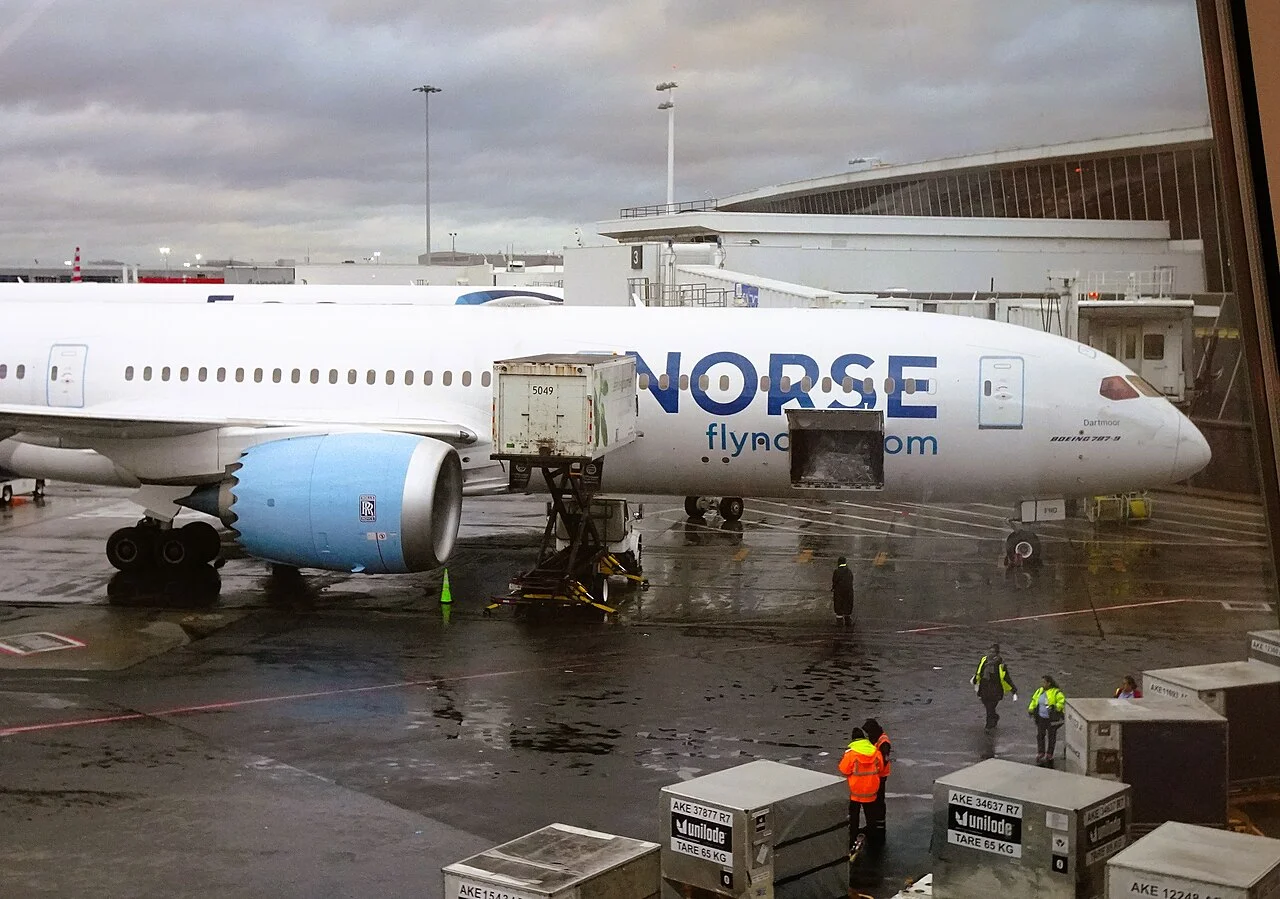
What Norse Atlantic Announced in Its July 31 Statement
Norse Atlantic said the redelivery of the remaining five aircraft currently flown by IndiGo increases the capacity available for ongoing ACMI discussions with other airlines. The company said it also plans to use part of the returning fleet to add capacity on its own profitable routes this winter, including flights from Europe to Orlando and New York.
Norse Atlantic CEO Eivind Roald described the shift as an opportunity rather than a loss.
“The return of these six aircraft opens up strategic opportunities that were not available to us before. We are seeing strong demand for modern, fuel-efficient long-haul aircraft, and we also see attractive opportunities to deploy additional capacity within our own network. Our priority is to use this increased flexibility to improve profitability and create long-term value for our shareholders,” Roald said.
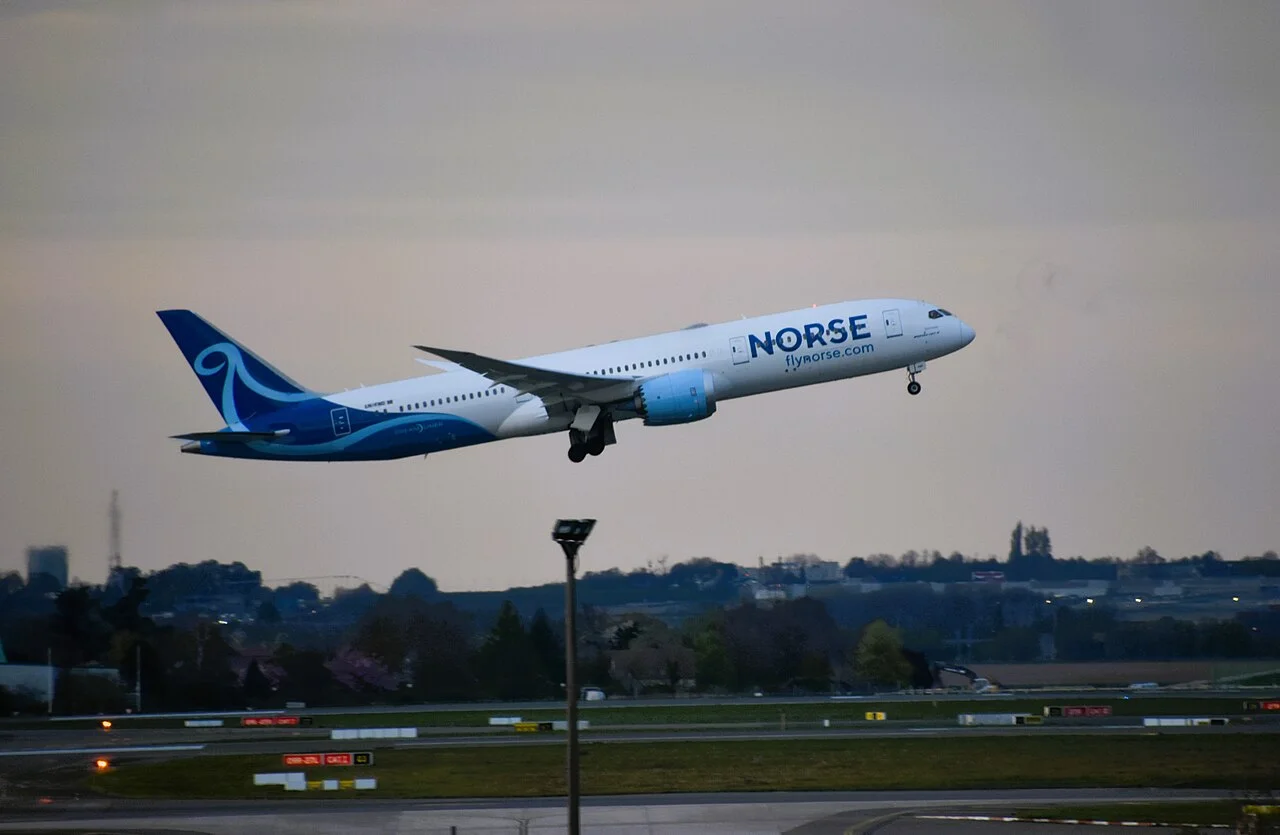
Why IndiGo Is Returning All Six Boeing 787s By November 1
IndiGo had already agreed in June 2026 to return one of the six aircraft early, after closing its Manchester route. The two airlines then discussed the rest of the arrangement and mutually agreed to end it entirely rather than continue on a reduced basis.
Roald pointed to “elevated fuel prices, airspace disruptions and longer flight routes” stemming from the Middle East conflict as the forces that undercut the deal’s economics. IndiGo’s SVP for planning and revenue management, Abhijit Dasgupta, framed the split differently, and was quoted in News Cision, thanking Norse Atlantic for its partnership rather than citing specific commercial pressures in his own statement.
“We extend our appreciation to Norse Atlantic Airways for its valued partnership and professional services, and to our customers, employees and partners whose trust, commitment and support have been central to this journey,” Dasgupta said.
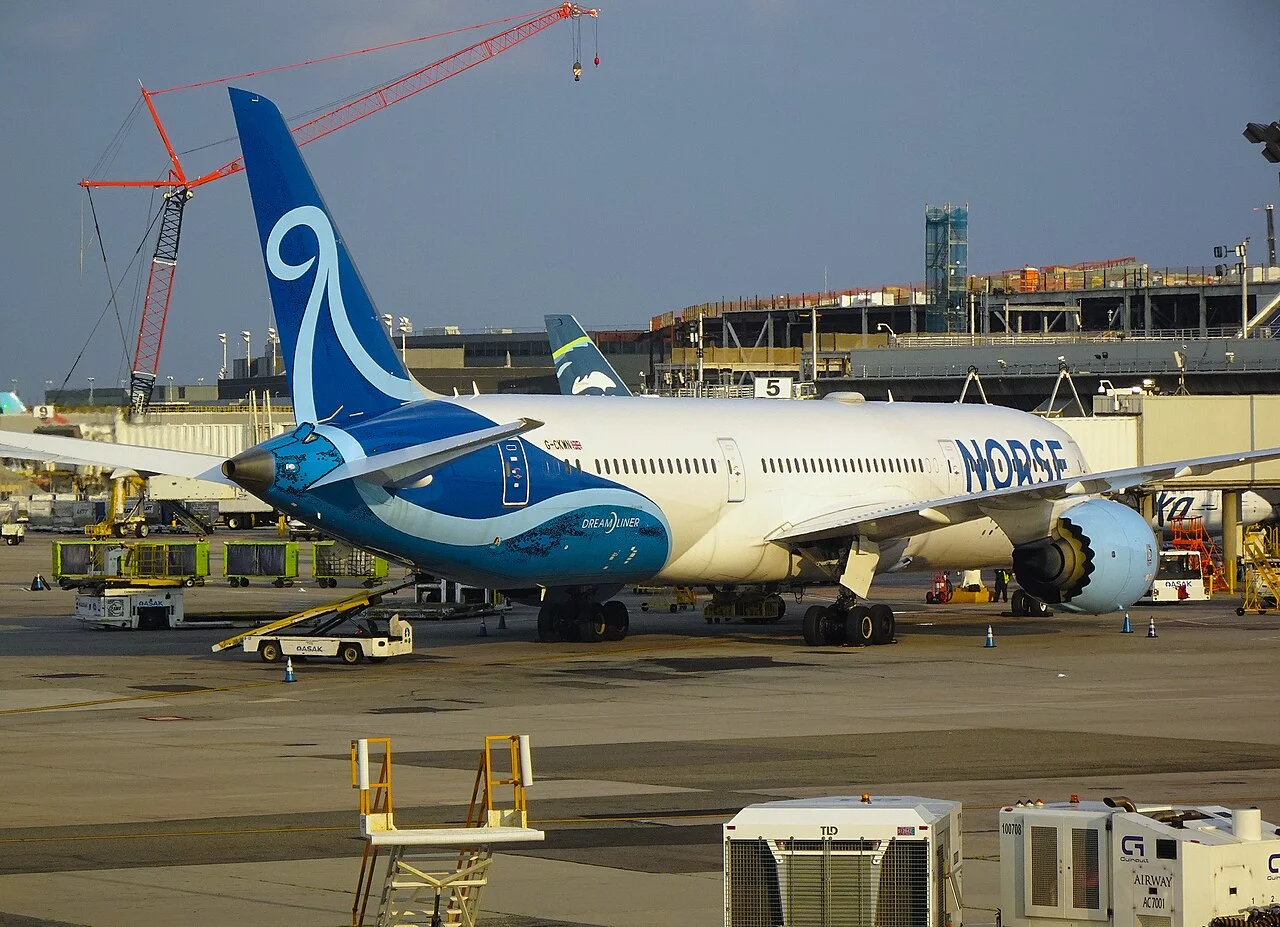
How A Widebody Experiment That Began 18 Months Ago Is Ending
The damp-lease deal let IndiGo operate wide-body Boeing 787s on select international routes without owning the aircraft outright, buying time until its own Airbus order arrives. That experiment is now closing after roughly a year and a half. IndiGo will suspend its entire widebody operation from October 25, 2026, and will not resume flying widebodies until its first Airbus A350-900s enter service.
The airline’s flagship Heathrow route will go dark in the interim, since IndiGo has chosen to pause the service rather than keep flying it on leased jets. Its Mumbai to Amsterdam route survives the transition, but only by switching to the narrower-bodied Airbus A321XLR, a long-range single-aisle jet capable of covering roughly 8,700 kilometers.
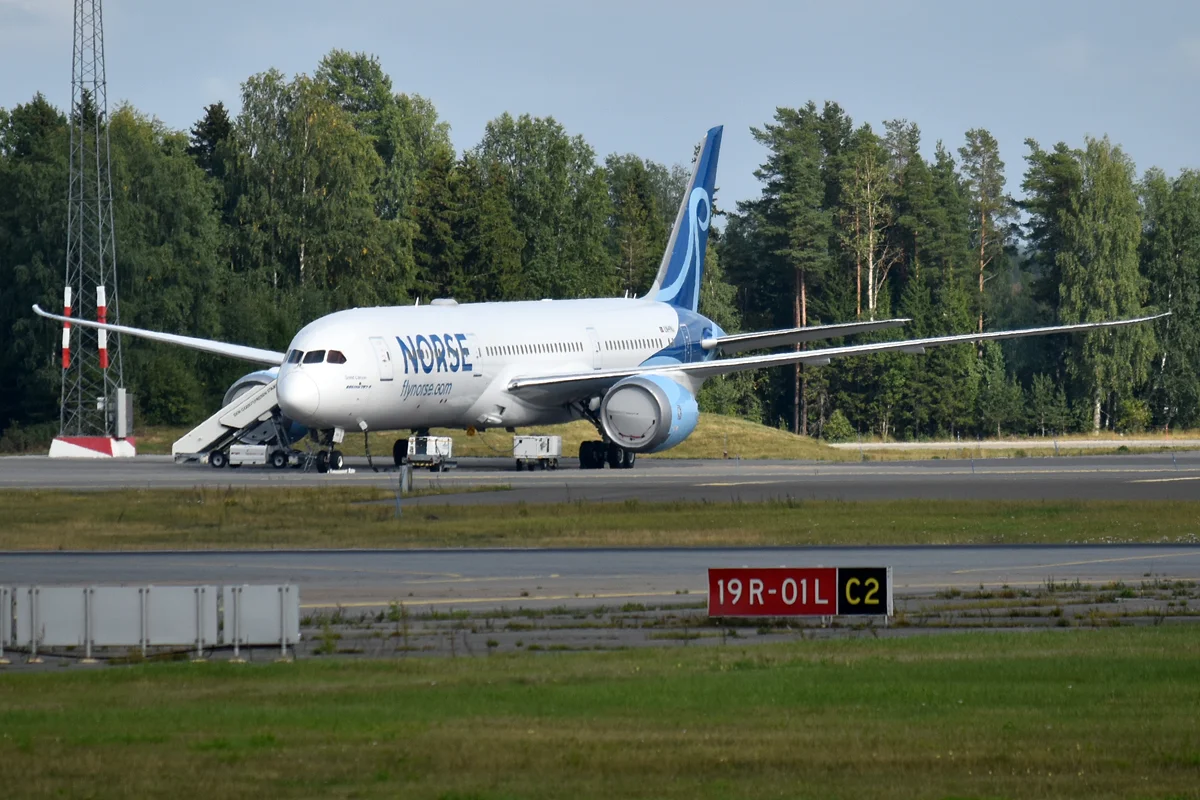
What Norse Atlantic Plans to Do with the Returning Fleet
Norse Atlantic laid out a two-track plan for redeploying the five aircraft still flying under IndiGo’s colors:
- Continue talks with several airlines about ACMI opportunities covering up to five aircraft
- Add capacity on its own profitable winter routes, including Europe to Orlando and Europe to New York
- Use the added fleet flexibility to support the airline’s ongoing strategic review
None of the three paths guarantees the aircraft return to steady, profitable flying. Norse Atlantic has spent the past two years shrinking its own scheduled network and leaning more heavily on leasing capacity to other carriers, a shift the company made in 2024 after its original long-haul, low-cost model failed to turn a sustained profit.
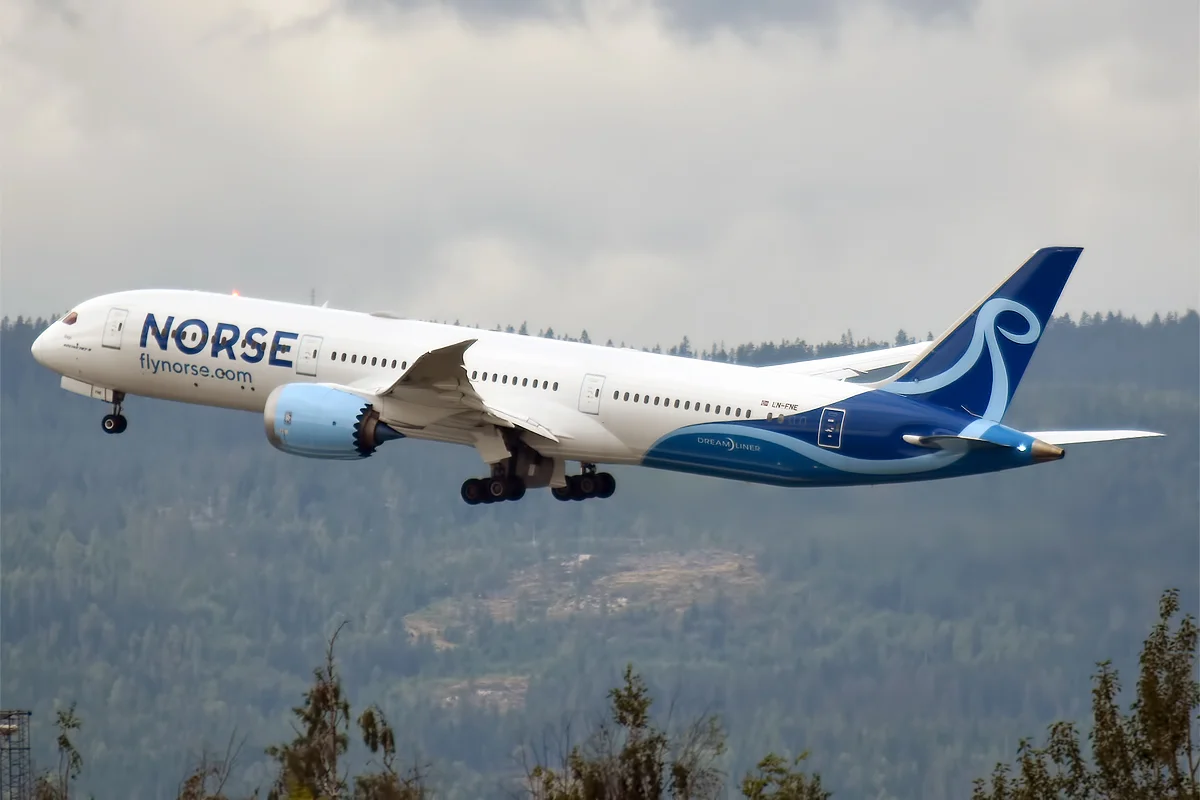
Why Norse Atlantic Is Now Open to a Sale, Merger, Or Partnership
Norse Atlantic said its board has decided to move forward with a formal strategic review process that could result in a sale, merger, or partnership. The company said the level of interest it has already received justified taking that step, though it gave no timeline for a decision or named any interested parties.
The airline’s own history complicates that pitch. Norse Atlantic launched in 2022 with a business model that closely mirrored Norwegian’s earlier long-haul, low-cost push, a strategy Norwegian abandoned in 2021 after it proved unsustainable. Norse Atlantic even absorbed some of Norwegian’s former aircraft and executives when it launched, and critics have pointed out that a similar outcome may now be repeating itself less than five years later.
Aviation commentary on the announcement has been skeptical about how much upside a sale or merger really offers. Because Norse Atlantic leases most of its own fleet rather than owning it outright, one widely read analysis published by One Mile at a Time argued that acquiring the company would add little value beyond what a buyer could get by simply waiting for the leased jets to return to their leasing companies directly. The piece drew a comparison to Iceland’s WOW Air, which collapsed in 2019, and PLAY Airlines, which launched soon after using a similar low-cost long-haul model.
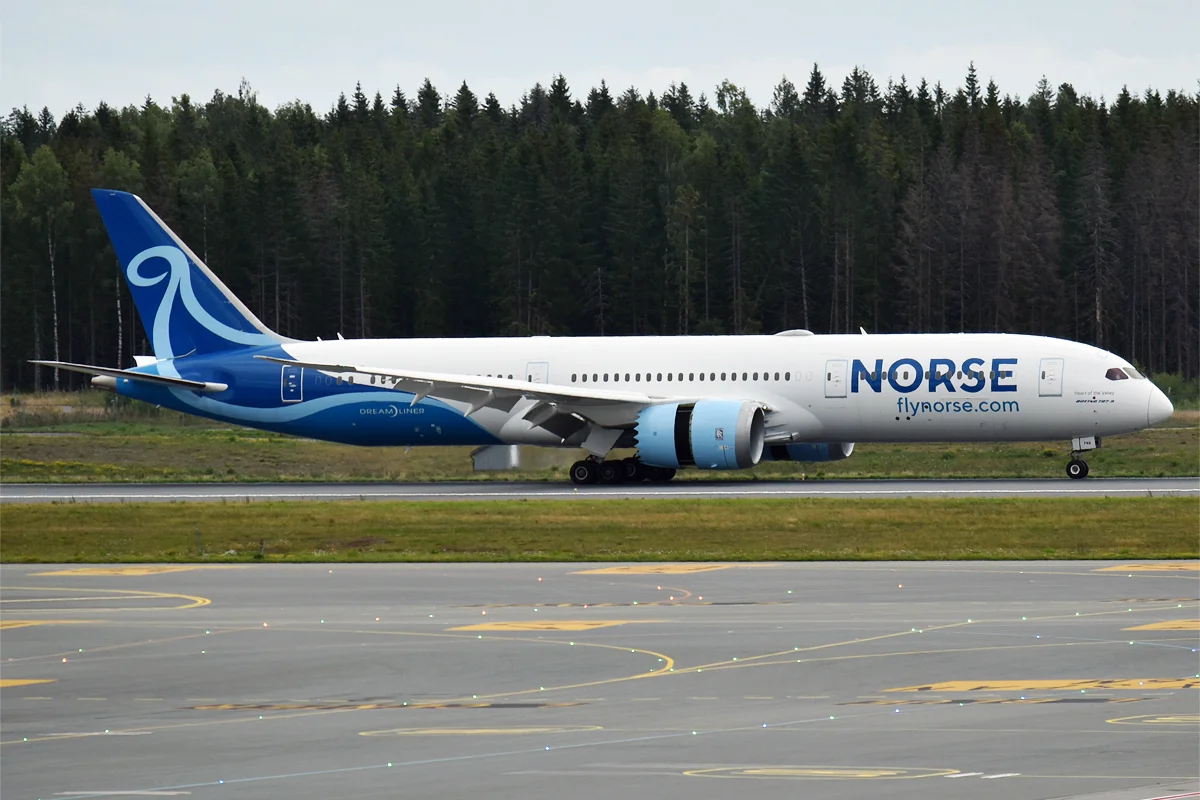
Where This Leaves IndiGo’s Wider International Ambitions
IndiGo’s retreat from widebody flying comes even as its domestic business keeps strengthening. The airline lifted its share of India’s domestic passenger market to a record 66.3% in June 2026, up from 64.9% the month before, while rival Air India’s share slipped to 23.9% over the same period. That domestic strength stands in contrast to an international network now pulling back rather than expanding.
The timing also coincides with a leadership change at IndiGo. Willie Walsh, the former chief executive of British Airways and IAG, is due to take over as IndiGo’s chief executive in early August 2026, following Pieter Elbers’ resignation in March. Walsh will inherit an airline with no widebody capacity of its own for at least a year, alongside a long-haul strategy that now depends entirely on Airbus’s delivery schedule for the A350-900, with the first jets expected in 2027.
IndiGo’s international costs have also been climbing. The airline raised its own long-haul fuel surcharges earlier in 2026, adding as much as $105 (₹10,000) on select European sectors as jet fuel prices rose. That earlier repricing points to the same cost pressure now shaping the decision to give up leased widebody flying rather than keep absorbing rising costs on routes it cannot yet fly economically with its own aircraft.
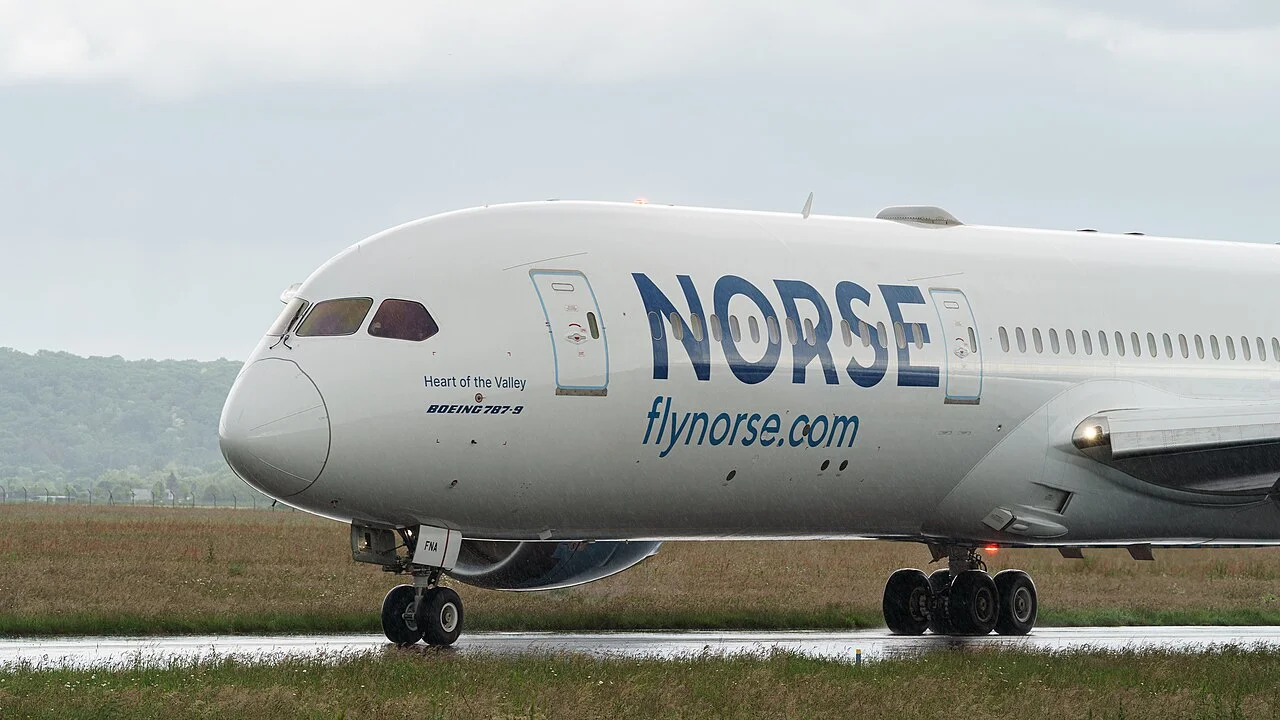
What Happens Next for Both Airlines
For IndiGo, the path forward is straightforward on paper: fly narrowbody jets on thinner long-haul routes like Amsterdam, keep Heathrow grounded, and wait for the A350-900s. For Norse Atlantic, the picture is murkier. The airline must find buyers for ACMI capacity, keep its own winter network profitable, and convince a potential partner that a company built mostly on leased aircraft is worth acquiring.
Norse Atlantic has not set a deadline for its strategic review, and it remains unclear whether a sale, merger, or partnership will materialize before the returning aircraft need somewhere else to fly. Whether the current version of Norse Atlantic follows Norwegian’s long-haul retreat or finds a way to avoid it will likely become clearer once the five remaining aircraft leave IndiGo’s fleet in November.
,_as_N0_702_New_York_(JFK)_-_London_(LGW),_Flight_time_6_21_(52595773257).jpg)
,_as_N0_301_Paris_(CDG)_-_New_York_(JFK),_Flight_time_6_57_(52902269051).jpg)
,_Z0_702_New_York_(JFK)_-_London_(LGW),_Flight_time_5_57_(54003041098).jpg)
.jpg)
.jpg)
.jpg)
