Air India (AI) began operating its brand-new Boeing 787-9 Dreamliner on Delhi-Toronto flights on 1 August 2026, bringing the airline’s newest cabin product to Canada for the first time, according to the airline’s press release. Building on that milestone, the carrier also announced a seasonal, three-times-weekly nonstop service between Mumbai and Toronto, running from 25 October 2026 through 26 March 2027. Together, the moves lift monthly seat capacity between India and Canada by 4,400 and boost premium capacity to Toronto by 71%.
The expansion covers two of Air India’s busiest long-haul gateways at once. Indira Gandhi International Airport (DEL) in Delhi and Chhatrapati Shivaji Maharaj International Airport (BOM) in Mumbai will both connect nonstop to Toronto Pearson International Airport (YYZ) this winter, with Air India describing itself as the only carrier flying the Mumbai-Toronto route nonstop.
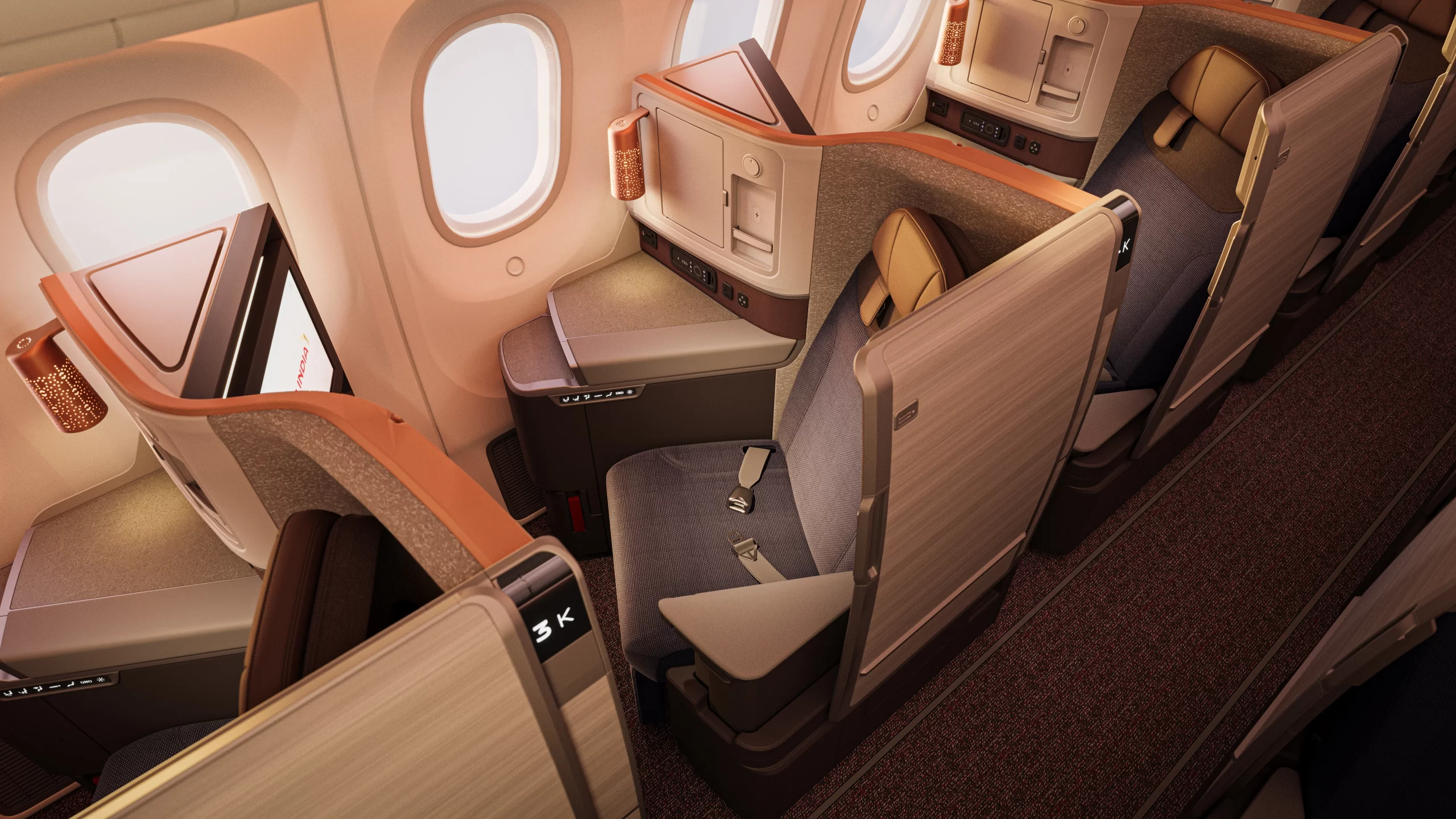
Air India Launches Nonstop Mumbai-Toronto Flights This Winter
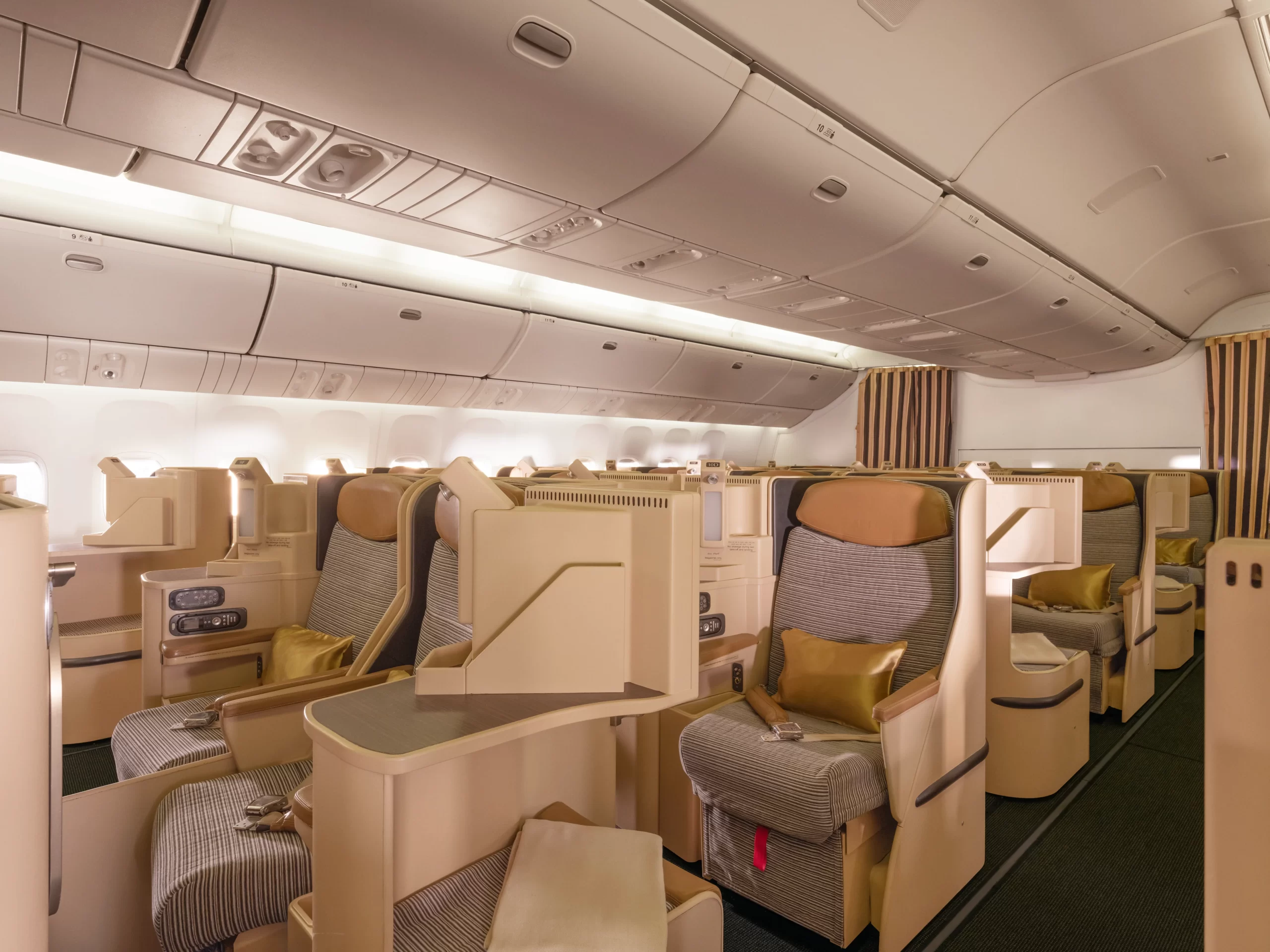
The new Mumbai-Toronto service will operate three times a week, adding close to 2,000 seats each week between the two cities. Air India will fly the route with an upgraded Boeing 777-300ER, fitted with eight First Class suites carrying privacy sliding doors, 40 flat beds in Business Class, and 280 Economy seats.
Passengers on the new service will also get onboard WiFi, a feature Air India has been rolling out gradually across its long-haul fleet. Through its Delhi and Mumbai hubs, the airline says travellers connecting to Canada can reach cities including Ahmedabad, Bengaluru, Chennai, Hyderabad, and Kochi on the same itinerary.
The route’s seasonal window covers the peak winter travel period, when demand between India and Canada typically climbs around festive holidays and family visits. Running the service only through 26 March 2027 lets Air India match capacity to that seasonal surge without committing the aircraft to the route year-round, a pattern the airline has also used on other India-North America city pairs.
Delhi-Toronto Flights Get Brand-New Boeing 787-9 From August 1
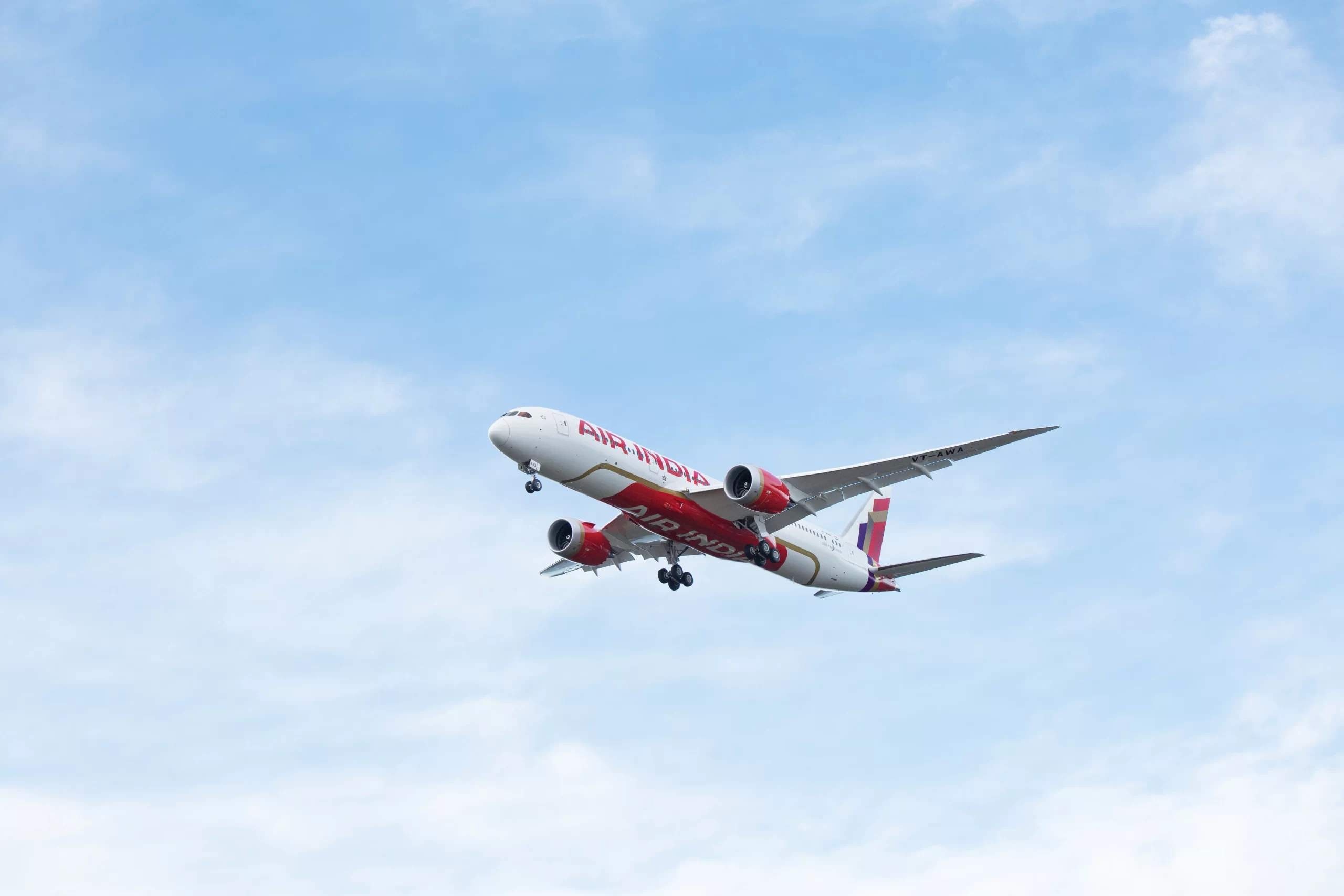
Air India’s Delhi-Toronto route is the bigger beneficiary of new aircraft this winter. Of the ten weekly flights the airline operates on the route, seven now fly on the new-build Boeing 787-9, with the remaining three switching over from the Boeing 777-300ER once more of the type joins the fleet from January 2027.The new jet also lets Air India drop its Vienna refuelling stop, cutting close to three hours off the westbound journey.
The Boeing 787-9 brings a three-class cabin to the Delhi-Toronto route for the first time, seating 296 passengers across 30 Business Class suites, 28 Premium Economy seats, and 238 Economy seats. Business Class passengers get fully flat beds up to 79 inches long with a 42-inch pitch, wireless charging, and 17-inch entertainment screens, while Premium Economy debuts on the India-Canada market for the first time.
Before this deployment, most of Air India’s Boeing-operated North American routes offered only Business and Economy cabins, leaving a gap between the two for travellers who wanted extra comfort without paying full Business fares. The Delhi-Toronto upgrade follows a template the airline has already used on its Mumbai-London Heathrow and Tokyo Haneda routes, where similar Premium Economy cabins launched earlier in 2026 on the same aircraft type.
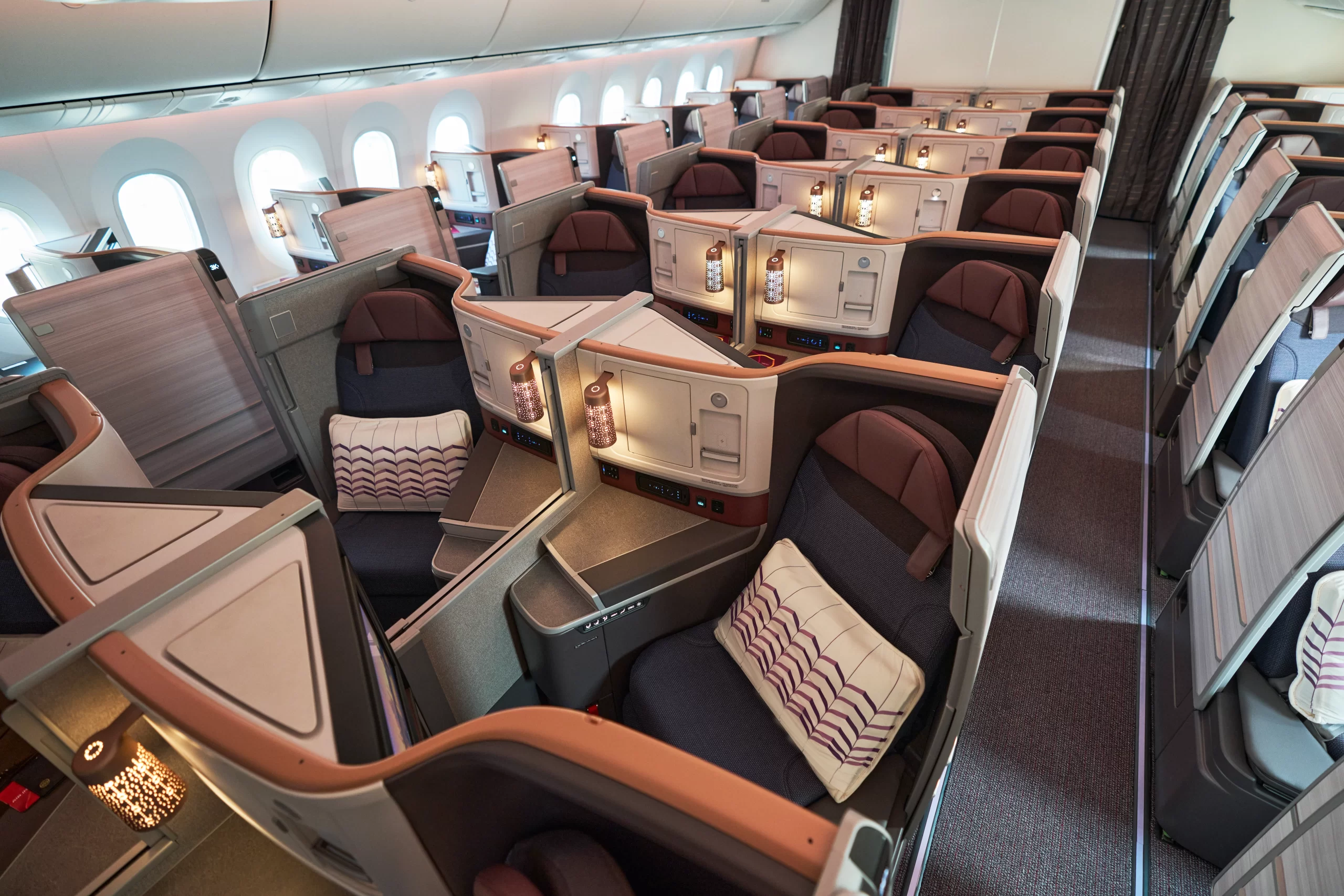
Air India Becomes the Only Nonstop Operator Between Mumbai and Toronto
Air India’s press release describes itself as the sole carrier flying nonstop between Mumbai and Toronto this winter. That claim holds up against the competition: Air Canada (AC)‘s only current Mumbai connection routes through London Heathrow rather than flying direct, a seasonal, one-stop service it has run in various forms since 2022 because Russian airspace restrictions make a true nonstop routing longer and less efficient for its own fleet.
Air Canada does fly nonstop between Delhi and Toronto, giving Indian travellers a competing option on that specific city pair. On the Mumbai route, though, Air India’s new nonstop service currently has no direct rival, a gap that plays to the size of Mumbai’s outbound demand to Canada.
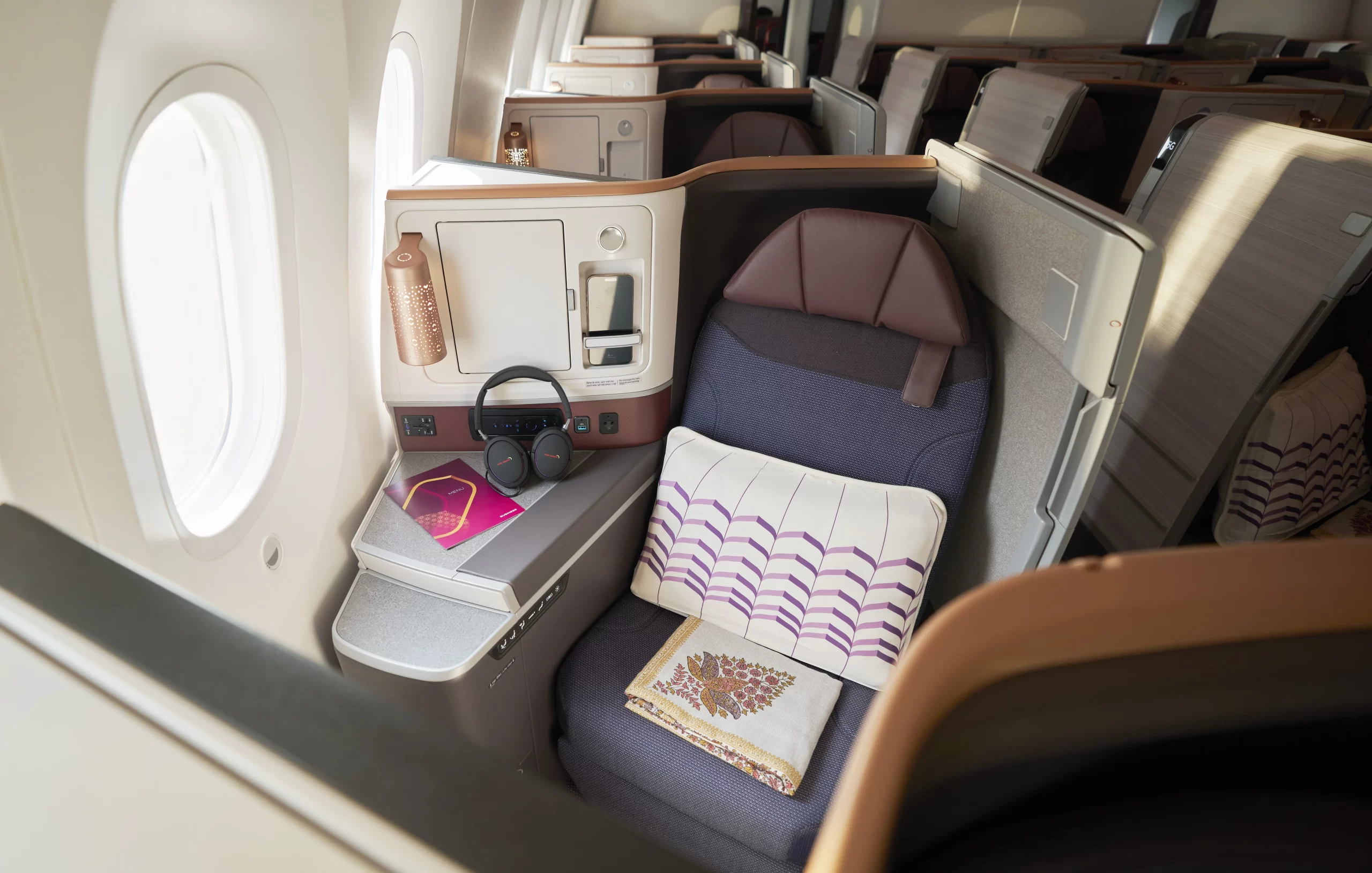
71% Jump in Premium Seats to Toronto as New Aircraft Arrive
Combined, the new Mumbai service and the Delhi upgrade lift Air India’s premium seat capacity to Toronto by 71% this winter, spanning First, Business, and Premium Economy cabins. Air India Chief Commercial Officer Nipun Aggarwal tied the expansion to sustained demand from the Indian diaspora in Canada, describing the country as “one of Air India’s most important international markets.”
By the time the transition finishes in January 2027, every Air India flight to and from Toronto will operate with either new or significantly upgraded cabin interiors. That gives the airline a consistent premium product across its entire Toronto network for the first time, rather than a mix of older and newer aircraft on the same city pair.

The Toronto Push Fits a Broader Fleet Renewal Strategy
The Toronto expansion sits within a much larger fleet renewal programme at Air India, which has placed orders for 600 Airbus and Boeing aircraft combined. The airline has taken delivery of three new Boeing 787-9s over the past six months, with more of the type and Airbus A350-1000s due later in 2026, while existing widebody jets are being retrofitted with matching cabin interiors.
That fleet flexibility explains why Air India can expand capacity on some routes while trimming others depending on aircraft availability. The airline suspended its nonstop Delhi-Washington service from September 2025, citing a fleet shortfall tied to its retrofit programme and continued Pakistani airspace closures, even as it now adds capacity to Toronto using newly delivered aircraft.
Chief Executive Officer Campbell Wilson framed the Toronto deployment as part of that wider transformation effort, calling the city “one of Air India’s most important international gateways.” The comments echo language the airline has used for similar cabin upgrades on other routes earlier in 2026, including Tokyo Haneda and Mumbai-London Heathrow.
That repeated messaging points to a deliberate strategy rather than a one-off announcement. Air India appears to be sequencing its cabin rollout market by market as new aircraft become available, using each deployment to reinforce the same broader narrative about transforming into what the airline has called a world-class global carrier.
A Diplomatic Backdrop of Improving India-Canada Ties
The capacity expansion comes as diplomatic relations between India and Canada have been gradually thawing. Ties had deteriorated sharply after 2023 over Canada’s allegations linking Indian officials to the killing of Sikh separatist Hardeep Singh Nijjar, a dispute that led both countries to expel diplomats and suspend visa services for a period. Prime Ministers Narendra Modi and Mark Carney met at the G7 summit in June 2025 and agreed to work toward restoring high commissioners, trade talks, and visa processing in both directions.
Full diplomatic normalisation remains a work in progress, and the underlying disputes over Khalistan-linked activism have not disappeared. Even so, the reset in tone since mid-2025 provides a steadier backdrop for airlines investing in India-Canada capacity than existed during the most strained period of the relationship.
What Happens Next for Air India’s Canada Network
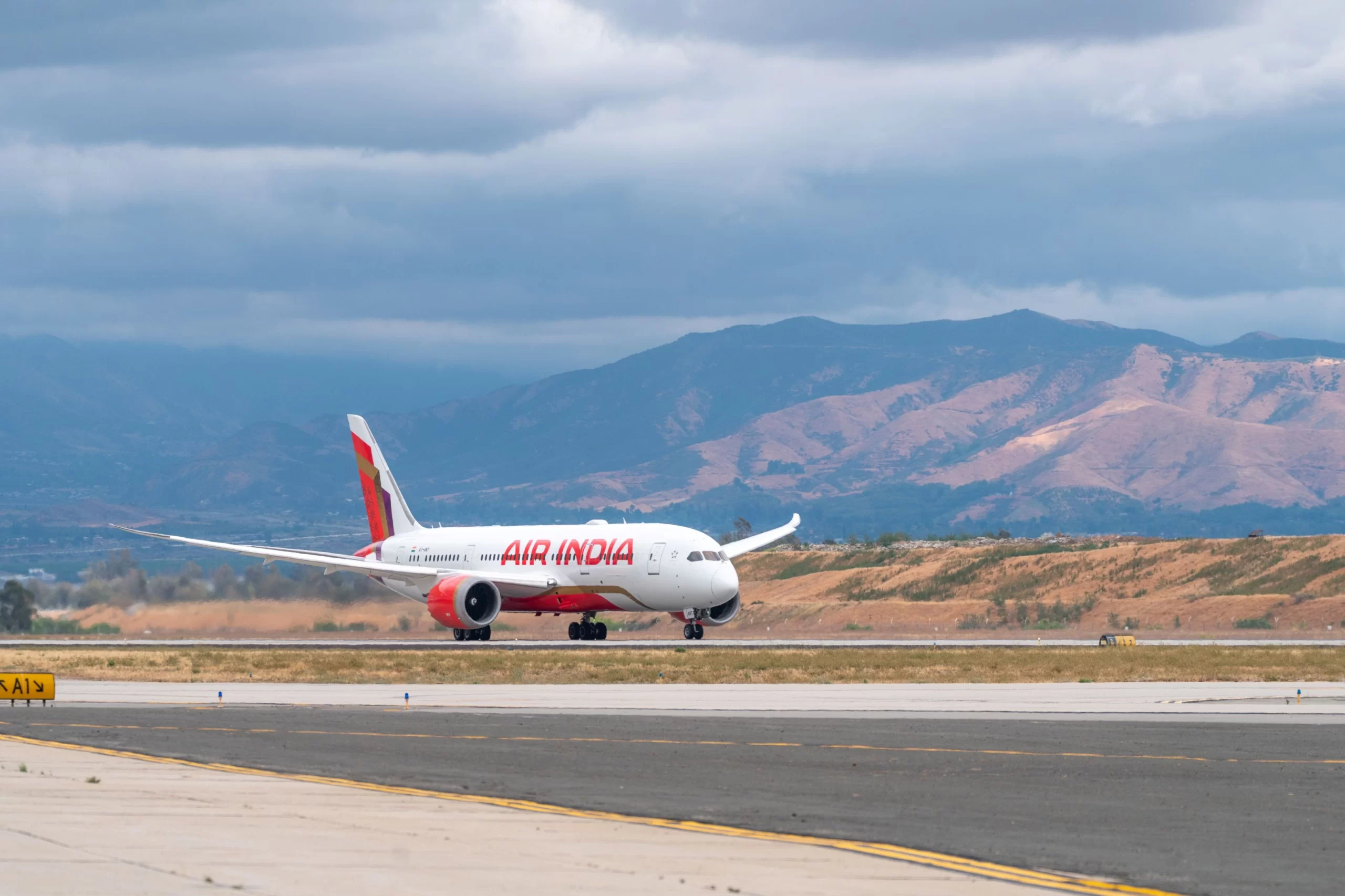
Air India will operate 20 weekly flights between India and Canada this winter once the new schedule takes effect, including 10 to Toronto from Delhi, three to Toronto from Mumbai, and seven from Delhi to Vancouver. Bookings for both the new Mumbai service and the upgraded Delhi flights are open now through Air India’s website, app, and travel agents.
The real test comes in how demand holds up on the new Mumbai-Toronto route once the seasonal window closes in March 2027, and whether Air India extends it into future winters or expands it to year-round service. For now, Canada joins a short list of Air India’s North American markets receiving fresh aircraft even as the airline manages capacity cuts elsewhere on the network.