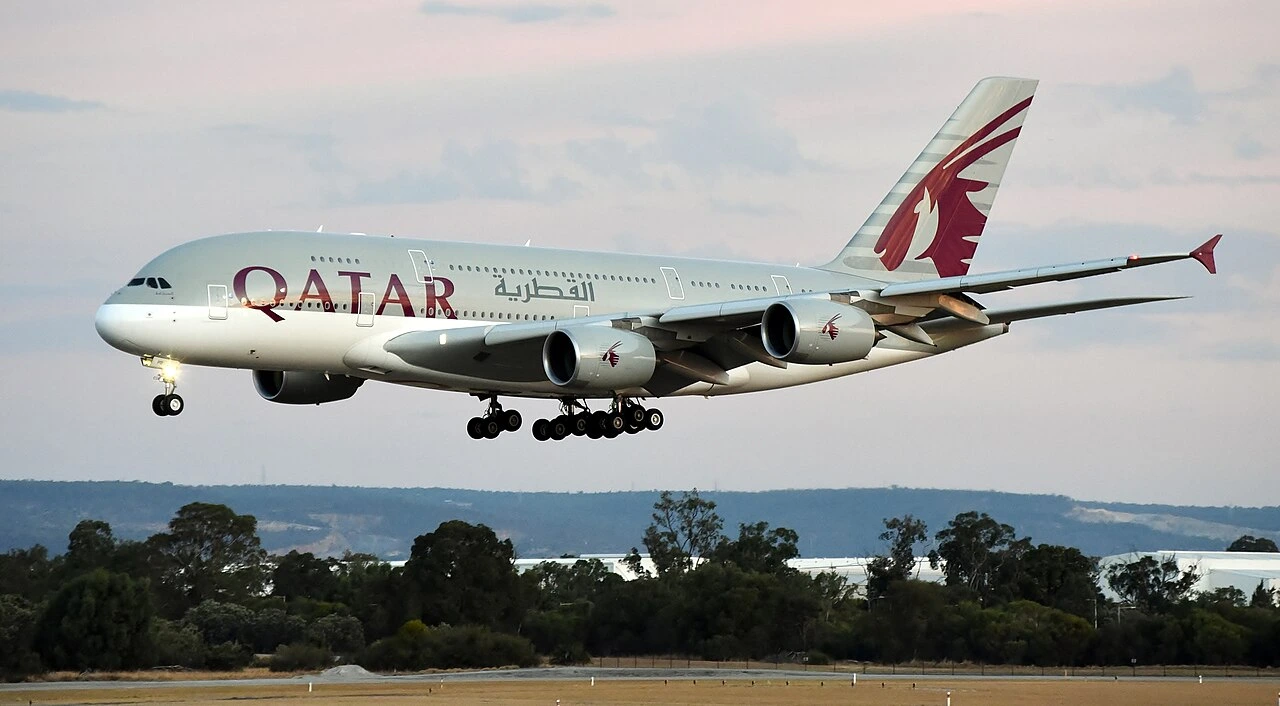
Somewhere between Toulouse and Dubai, a decision is taking shape that could reset the balance of power in widebody aviation for the next decade. Airbus is weighing whether to stretch its A350 into a new, larger variant, unofficially known as the A350-2000, built to challenge Boeing’s 777X and eventually replace the four-engine giants still flying for carriers like Emirates (EK). Nothing has been approved yet. But the pieces are moving fast enough that Rolls-Royce, the engine maker that would have to build a new powerplant for the jet, says Airbus could make up its mind within the next year, Wall Street Journal reported.
.jpg)
The Case for a Bigger A350
The idea surfaced publicly at the Farnborough International Airshow, where Airbus confirmed it is studying ways to expand the A350 family, without committing to a final design, a passenger count, or even an official name. What the manufacturer did confirm is the reasoning behind it: airlines still want big, efficient twin-engine jets that can do the job of a four-engine aircraft without burning as much fuel. A stretched A350 would be Airbus’s answer to that demand, and it would land squarely in competition with the 777-9, the largest aircraft in Boeing’s delayed 777X family.
Airbus has stayed quiet on exact seating figures. Industry expectations point to something noticeably bigger than today’s A350-1000, though still short of the capacity the A380 once offered.
Emirates and the Widening A380 Gap
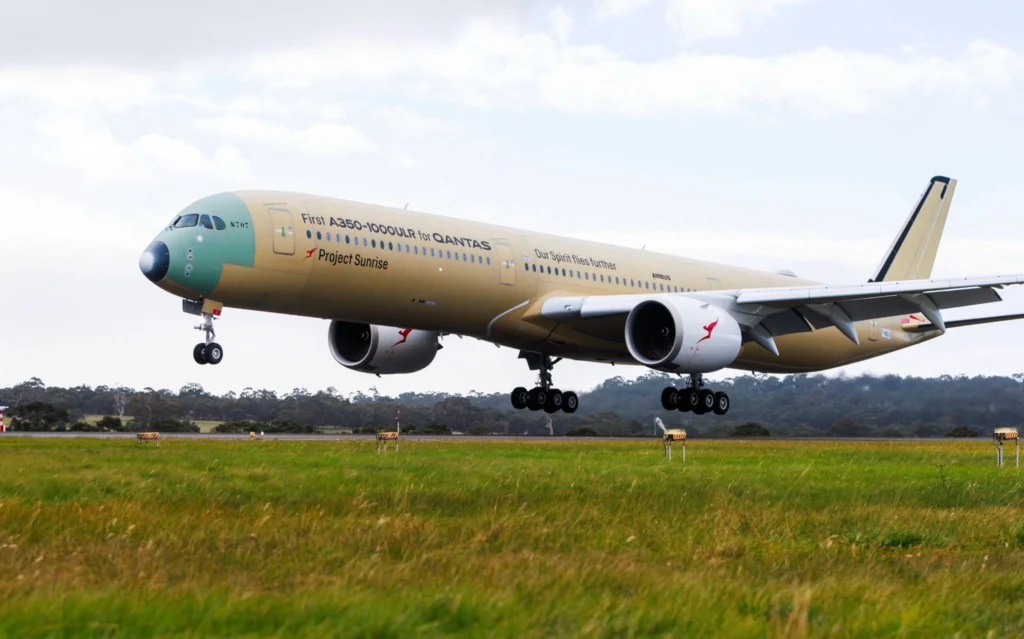
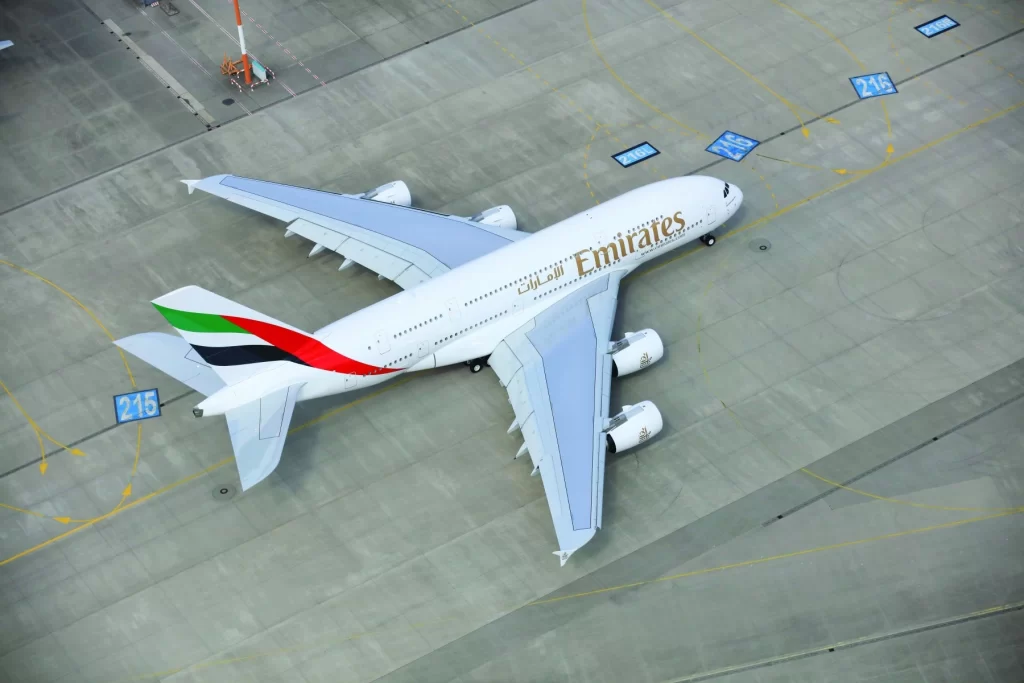
No airline is watched more closely in this conversation than Emirates. The Dubai-based carrier flies 116 Airbus A380s out of Dubai International Airport (DXB), the largest A380 fleet in the world, and most of those aircraft are expected to near retirement sometime between 2030 and 2040. That leaves a capacity hole nothing currently on Emirates’ order book quite fills.
The airline has hardly stood still on fleet planning. It has ordered A350-900s, Boeing 787 Dreamliners, and more than 200 Boeing 777X jets. None of them, though, replace the sheer passenger volume an A380 carries. Emirates President Sir Tim Clark has said as much for years, pushing Airbus to either build a true A380 successor or go big on a stretched A350, and he repeated that position at Farnborough. In the same conversation, Clark walked back an earlier suggestion that Boeing should scrap its first ten completed 777X jets, calling that remark “facetious,” while still maintaining that those early aircraft will need extra modification work since later production models were built with design improvements the first batch never got. He also had praise for Boeing’s leadership, crediting CEO Kelly Ortberg and Boeing Commercial Airplanes chief Stephanie Pope with steadying the company after a rough stretch.

The Engine is the Real Bottleneck
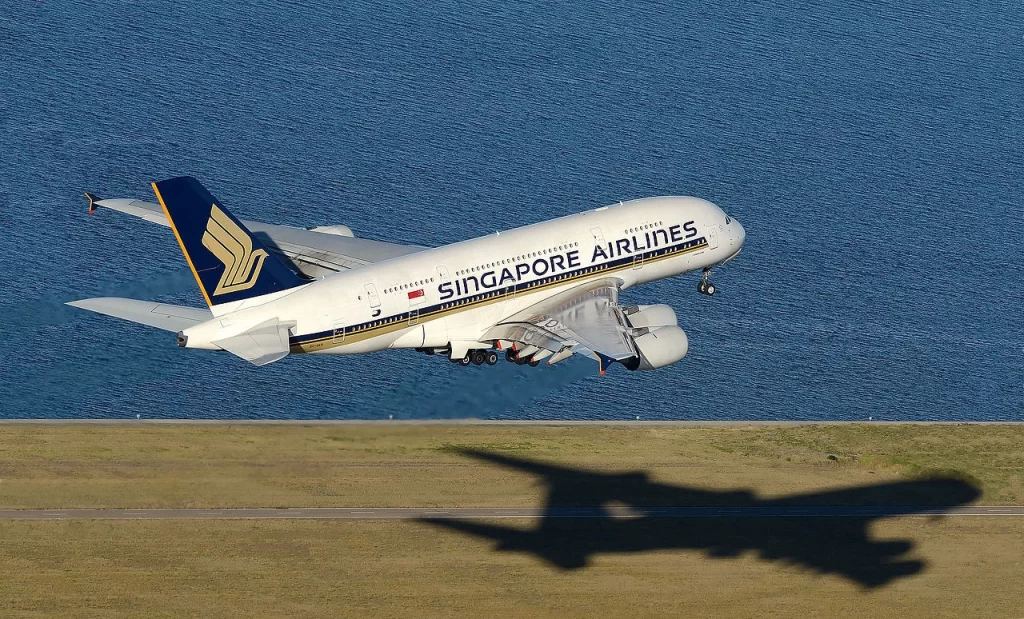
An A350-2000 cannot simply borrow today’s Trent XWB engines with a few tweaks bolted on. Whatever flies on this aircraft will need to draw on Rolls-Royce’s UltraFan program, the company’s next-generation engine architecture built around a geared design that lets the front fan spin slower while the core runs at much higher efficiency. Rolls-Royce says the approach could cut fuel burn by 10% to 25% compared with current Trent engines, and the design is being built to run on 100% Sustainable Aviation Fuel from the start.
Rolls-Royce isn’t rushing this one. After the Trent 1000 problems that cost the company billions and grounded Boeing 787s for extended stretches, executives have made reliability, not speed, the priority for UltraFan’s development. That caution shapes the whole timeline: CEO Tufan Erginbilgic said that if Airbus greenlights the A350-2000 around early 2027, the engine alone would need six to seven years of development, testing, and certification before it could enter service. Do the math, and first deliveries land somewhere around 2033 or 2034.
Airbus CEO Guillaume Faury hasn’t put a date on a launch. He has acknowledged, though, that demand for large widebody jets isn’t going anywhere, and an Airbus spokesperson told the Wall Street Journal that the company is exploring how the A350 family could evolve, while stressing that no decision is final.

Airbus Can Afford to Wait
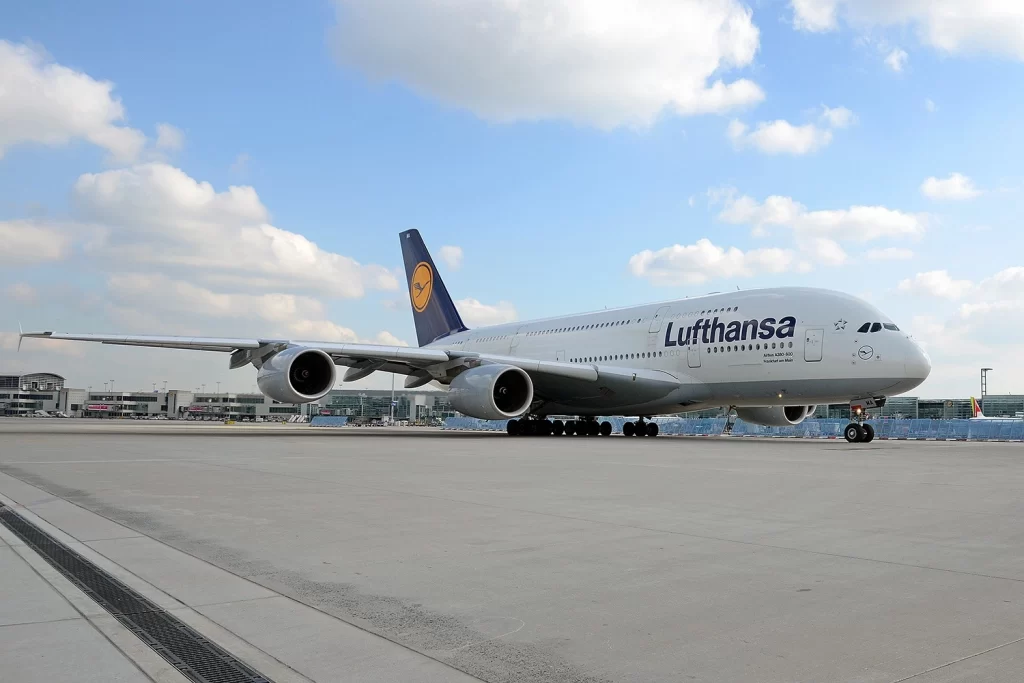
Part of what gives Airbus room to deliberate is that its financial position has improved since a rocky start to 2026. Core operating profit fell 52% in the first quarter, a drop Faury tied to persistent supply chain trouble, particularly a shortage of Pratt & Whitney engines that left dozens of finished A320neo family jets sitting undelivered on the ground.
Since then, the picture has brightened. Airbus launched a share buyback program and laid out a plan to double profits by 2029, moves that appear to have reassured investors. The company expects the A320neo supply chain issues to ease by 2028, and A350 production is slated to climb to 12 aircraft a month over that same period. Behind all of it sits a backlog of more than 9,200 aircraft orders, enough to keep production lines busy for years while Airbus figures out what comes next for the A350 family.

Racing a Rival That’s Already Stumbled
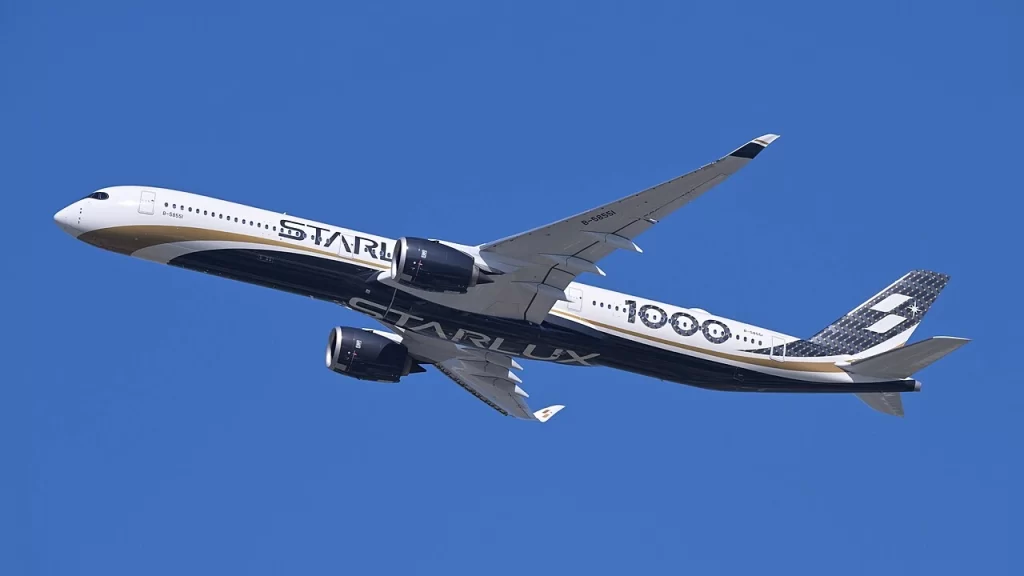
Boeing’s 777X, the aircraft Airbus would be squaring off against, has had a rough road to market. Certification and production delays have pushed the program back roughly seven years from its original schedule, and Boeing now expects the first 777-9 deliveries next year, with some already-built aircraft needing retrofit work before they can be handed over. Ortberg has confirmed that modification work on those early jets is happening at dedicated facilities without slowing current production, and he maintains that certification remains on track despite the setbacks so far.
That head start cuts both ways for Airbus. By the time an A350-2000 could realistically enter service in the early 2030s, the 777X will already have years of operational history behind it. Airbus won’t have much room for its own delays, technical or regulatory, if it wants the aircraft to compete on equal footing from day one.
What Happens Next
If Airbus does move forward, the A350-2000 would become the largest twin-engine aircraft the company has ever built, aimed at airlines running dense long-haul routes that need more seats than a standard A350 offers, without going back to a four-engine jet like the A380. Better fuel economy, lower emissions, and built-in compatibility with next-generation sustainable fuel technology would be the pitch to carriers looking to retire older widebodies through the 2030s.
Whether any of that happens still comes down to two open questions: whether airline demand is strong enough to justify the investment, and whether Rolls-Royce can deliver a new engine on the timeline it has set for itself. Airbus has given itself roughly a year to answer both. What it decides will shape the direction of its widebody lineup for a long time after.