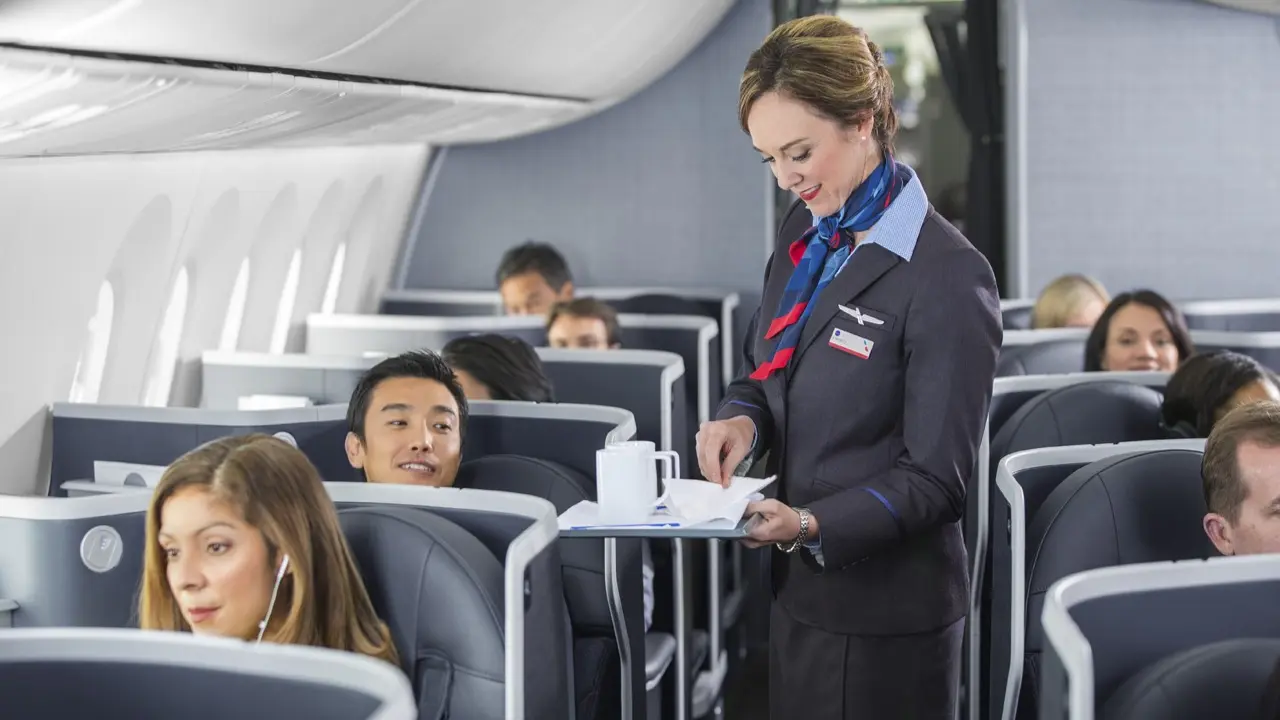
An American Airlines (AA) passenger said flight attendants removed an untouched bread roll and dessert after he carried them from the airline’s business class cabin to his economy seat during a flight from Aruba (AUA) to Charlotte (CLT).
The food had originally been served to the passenger’s wife, who had received the flight’s only available upgrade. Because she has gluten and dairy allergies, she did not eat either item and instead offered them to her husband. Cabin crew later informed the couple that premium cabin food could not be taken into economy and discarded both items.
American Airlines Passenger Loses Business Class Meal Items
The incident occurred on a flight between Queen Beatrix International Airport (AUA) and Charlotte Douglas International Airport (CLT). The couple had traveled together, but only the wife secured an upgrade to business class, taking seat 1D, while her husband remained in Main Cabin Extra in seat 9D.
When meal service began, she texted her husband to ask whether he wanted the bread roll and dessert that accompanied her meal. Since she could not consume either because of her dietary restrictions, both items remained untouched.
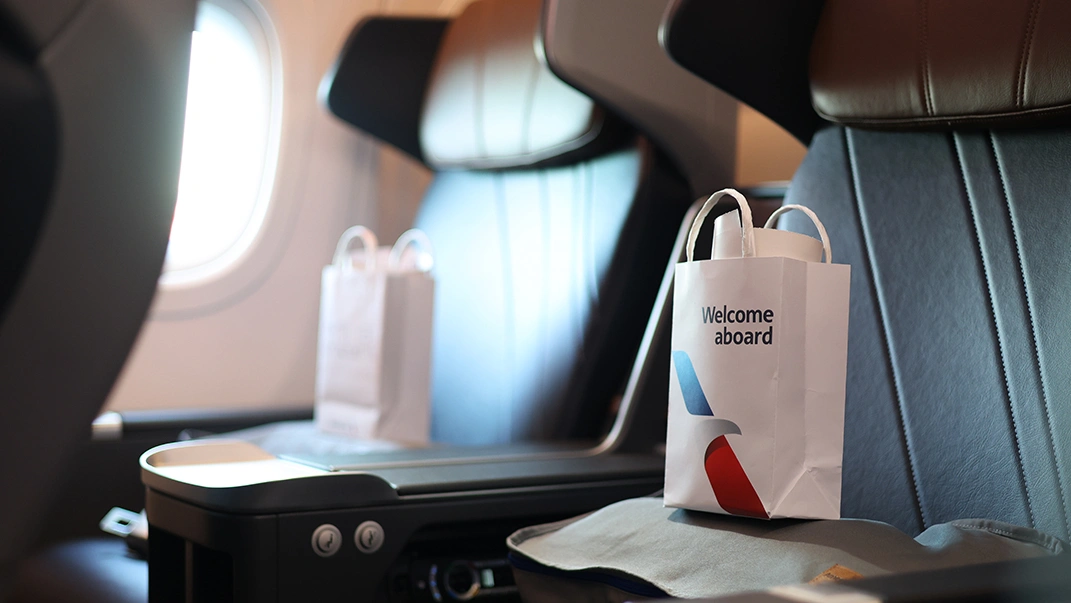
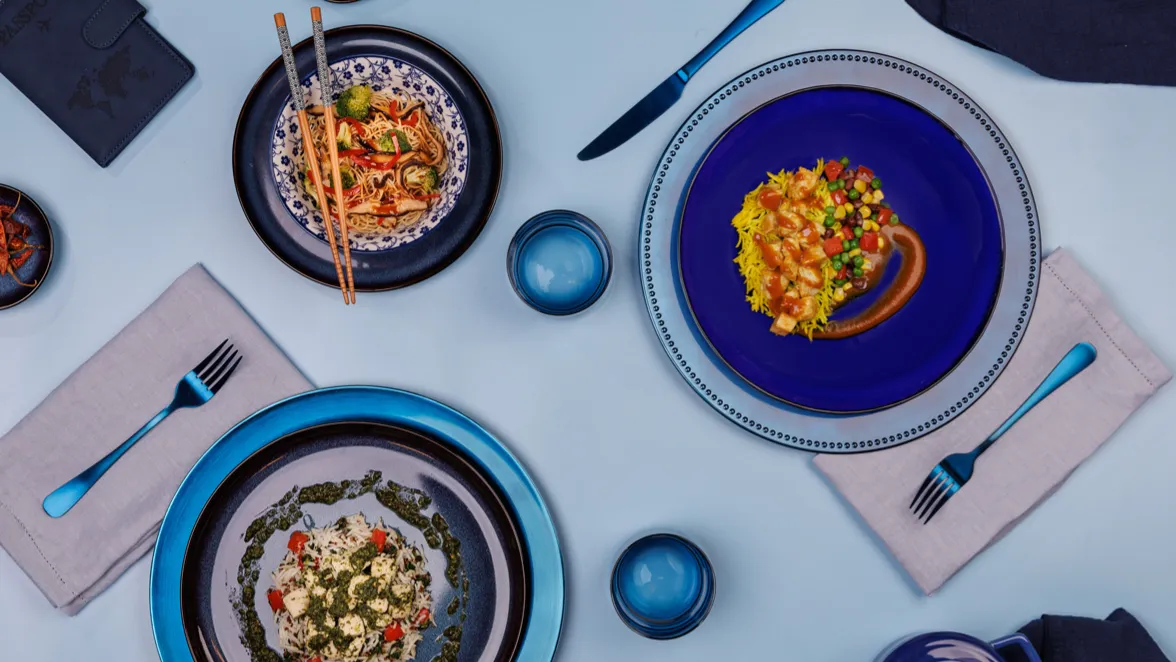
He walked to the front of the aircraft, collected the bread and dessert, and returned to his seat. According to View from the Wing, a flight attendant approached him shortly afterward, explaining that food was not allowed to move between cabins before taking both items away and disposing of them.
The economy cabin crew later offered the passenger food available through the airline’s buy-on-board service. He declined the paid options and instead ate the complimentary pretzels and cookies provided in the main cabin.
Food and Seating Policies
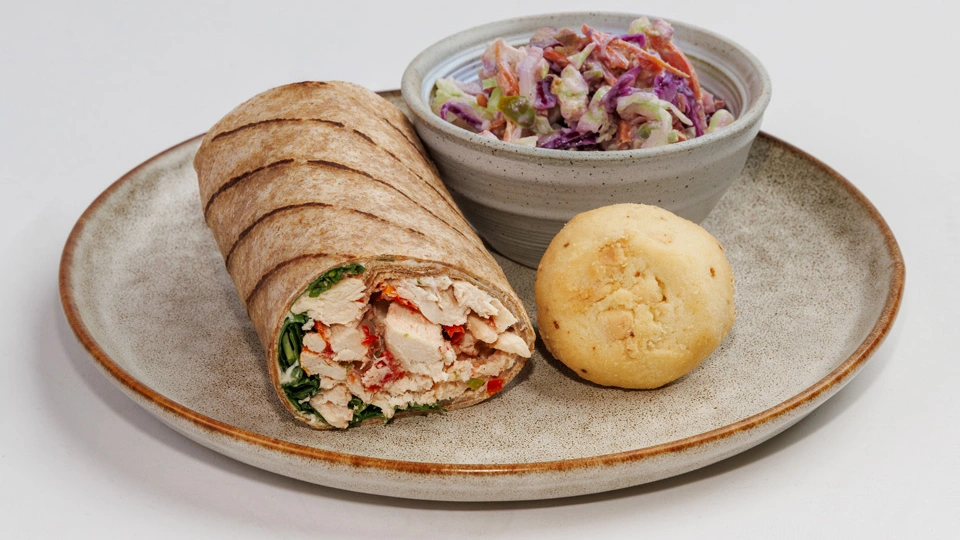
The incident highlights two separate questions that airlines often handle differently. One concerns whether passengers may share food received in a premium cabin with someone seated elsewhere on the aircraft. The other relates to whether passengers can alternate use of a premium seat during a flight.
American Airlines does not publicly list a policy specifically prohibiting passengers from transferring untouched food between cabins. Likewise, there is no published food safety rule addressing the movement of an unopened bread roll or dessert after it has been served.
Once meals are delivered, they become part of the passenger’s service. In this case, the upgraded traveler chose not to consume the food because of allergies and attempted to give it to her husband on the same flight.
Flight attendants, however, have long followed an internal practice of keeping premium cabin meals and amenities within the cabin where they are served. Besides simplifying service collection, this approach also helps avoid situations where economy passengers are seen consuming business class meals, which could prompt complaints from nearby travelers.
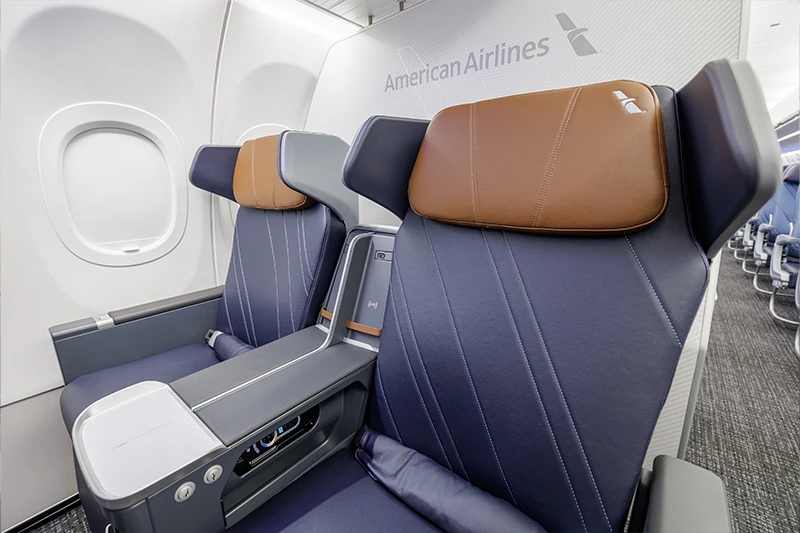
Cabin Movement Varies by Crew
Moving between cabins is generally permitted unless flight attendants restrict passenger movement. On many domestic American Airlines flights, passengers have historically been allowed to use lavatories located in other cabins.
For years, international flights arriving in the United States operated under a Transportation Security Administration directive requiring passengers to remain within their ticketed cabin and use assigned lavatories, except in certain circumstances. Reports indicate that requirement was rescinded in 2023.
Different crews have also handled similar situations in different ways. One widely shared example involved an American Airlines ConciergeKey passenger who, after being rebooked into an economy seat, was offered a leftover first-class meal. However, the flight attendant asked him to eat it discreetly in the forward galley rather than at his seat, an offer he ultimately declined.
The distinction between sharing a meal and sharing a seat also remains important. While passengers may request a one-time seat change with crew approval, airlines generally do not permit travelers to rotate use of a premium seat during a flight, as doing so disrupts cabin service and alters the experience intended for other premium passengers.
The incident also reminded some travelers of a United Airlines (UA) case several years ago in which an economy passenger received a leftover premium cabin meal from one flight attendant, only to be confronted by another crewmember who objected to the arrangement. In both cases, untouched food that otherwise would have gone to waste became the center of an onboard dispute, with the final decision resting with the operating crew.