A Lufthansa (LH) Airbus A340-300 was issued a possible pilot deviation warning by air traffic control shortly after taking off from New York John F. Kennedy International Airport (JFK). The aircraft, registered D-AIGT, was operating flight LH405 to Frankfurt Airport (FRA) when the incident occurred during its initial climb.
The warning followed an unapproved turn made by the flight crew while attempting to avoid severe weather ahead of the aircraft. According to air traffic control communications, the deviation stemmed from a breakdown in coordination between the crew and the departure controller.
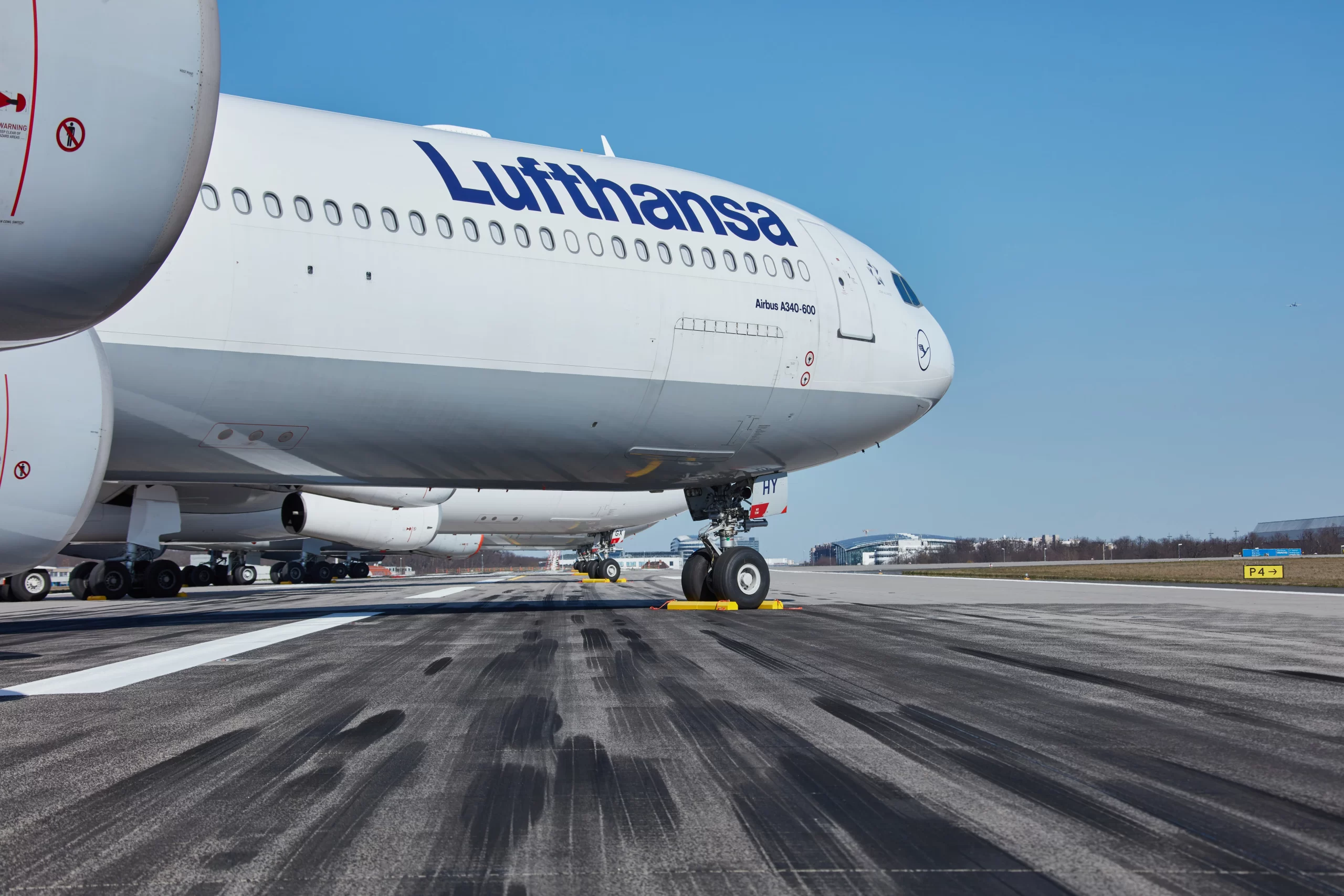
Lufthansa Flight Alters Course to Avoid Weather
Soon after departure from JFK, the Airbus A340-300 encountered significant weather along its planned route. Air traffic control recordings indicate that the crew requested heading changes to navigate around storm cells visible on the aircraft’s weather radar.
Initially, the departure controller instructed the flight to proceed east before assigning a series of left turns toward the MERIT waypoint.
As conditions worsened, the crew informed the controller that their radar displayed widespread severe weather ahead, describing the area as entirely “red.” They then requested a much steeper left turn, asking for a heading of approximately 240 degrees.
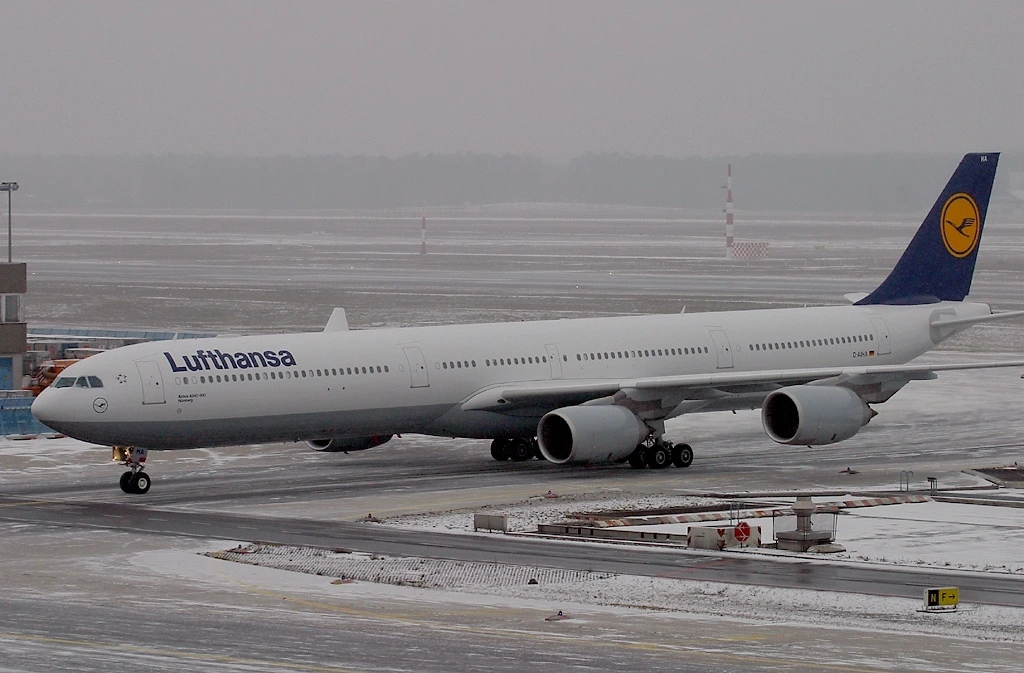

The controller questioned the request, noting that other aircraft were proceeding toward MERIT without reporting similar issues. Following that exchange, the Lufthansa crew acknowledged the controller’s instructions and agreed to continue as directed.
Moments later, however, the controller instructed the aircraft to turn right to heading 360 and advised the crew that the maneuver could constitute a possible pilot deviation.
The controller stated, “This could be a possible pilot deviation. You turned the airplane without telling me; there is an aircraft right in front of you.”
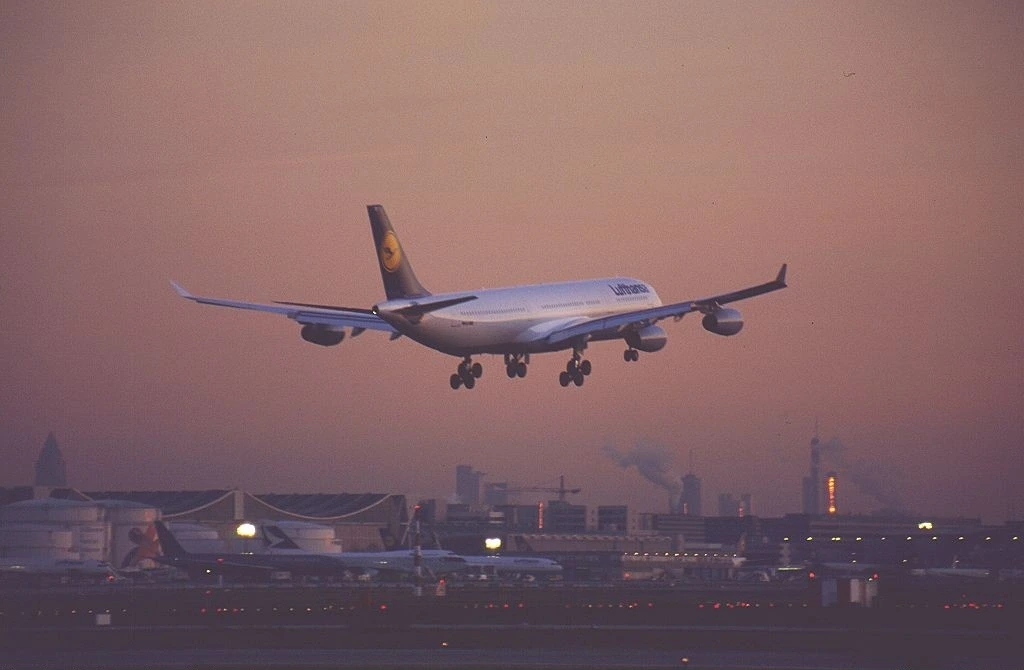

ATC Audio Shows Miscommunication During Departure
The air traffic control recording, published on YouTube by You Can See ATC, captures the discussion between the Lufthansa crew and the departure controller as they attempted to balance weather avoidance with maintaining safe separation from nearby traffic.
The audio suggests the pilots were seeking a wider turn than the one they had been cleared to make, while the controller continued managing other departing aircraft in the same airspace.
Following the warning, the crew complied with instructions to turn right to heading 360. The controller later cleared the aircraft to turn left to heading 205 before transferring the flight to the next departure frequency.
The exchange concluded without any reported loss of separation between aircraft or an emergency declaration.
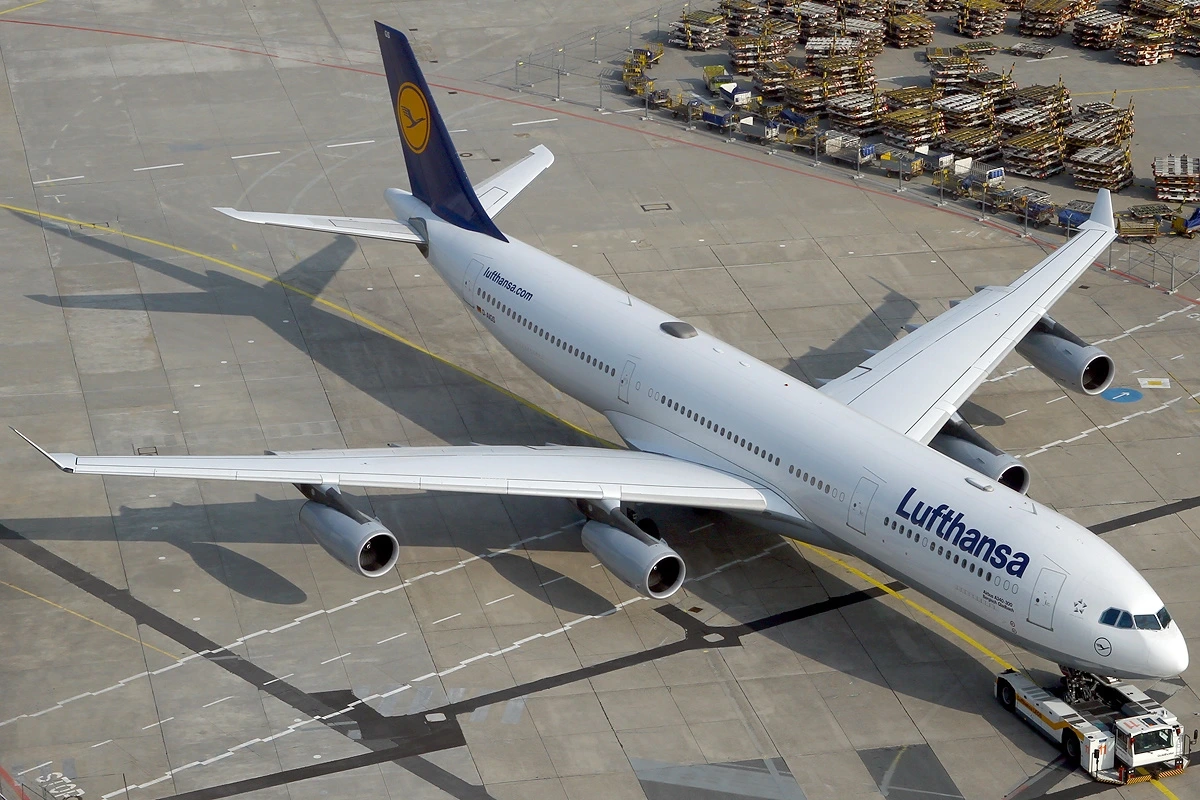

Lufthansa Airbus A340 Operating JFK–Frankfurt Flight
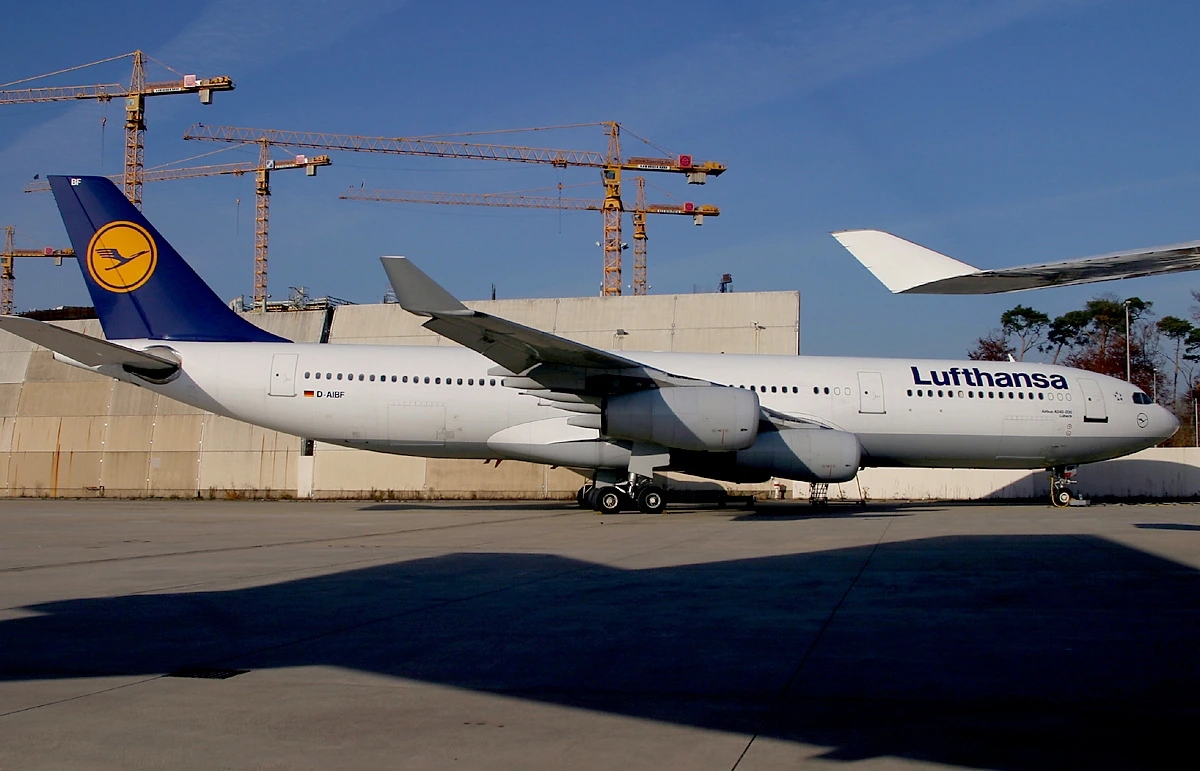
The aircraft involved was Lufthansa’s Airbus A340-300, registration D-AIGT (MSN 304), operating scheduled flight LH405 between New York John F. Kennedy International Airport (JFK) and Frankfurt Airport (FRA).
The aircraft was built at Airbus’ Toulouse (TLS) production facility, the four-engine widebody first flew under the test registration F-WWYJ before being delivered to Lufthansa in December 1999. At approximately 26.7 years old, the aircraft remains in active service and is configured with 279 seats, including 30 Business Class, 28 Premium Economy, and 221 Economy Class seats. Powered by four CFM International engines, D-AIGT carries the name “Viersen” and continues to operate long-haul services across Lufthansa’s network.
Frankfurt is the airline’s primary hub and a key gateway for its transatlantic network. Although Lufthansa has introduced newer long-haul aircraft, the Airbus A340-300 continues to operate selected medium- and long-haul services across the North Atlantic.

What Does a Possible Pilot Deviation Mean?
Air traffic controllers use the term “possible pilot deviation” when an aircraft appears to have operated outside an assigned clearance without prior authorization. The phrase serves as a notification that the incident may be subject to further review and does not automatically result in enforcement action.
In this case, the flight crew was attempting to avoid severe weather while the controller was also ensuring safe spacing between nearby aircraft. Incidents of this nature often arise when weather avoidance and air traffic sequencing intersect, making timely and accurate communication essential.