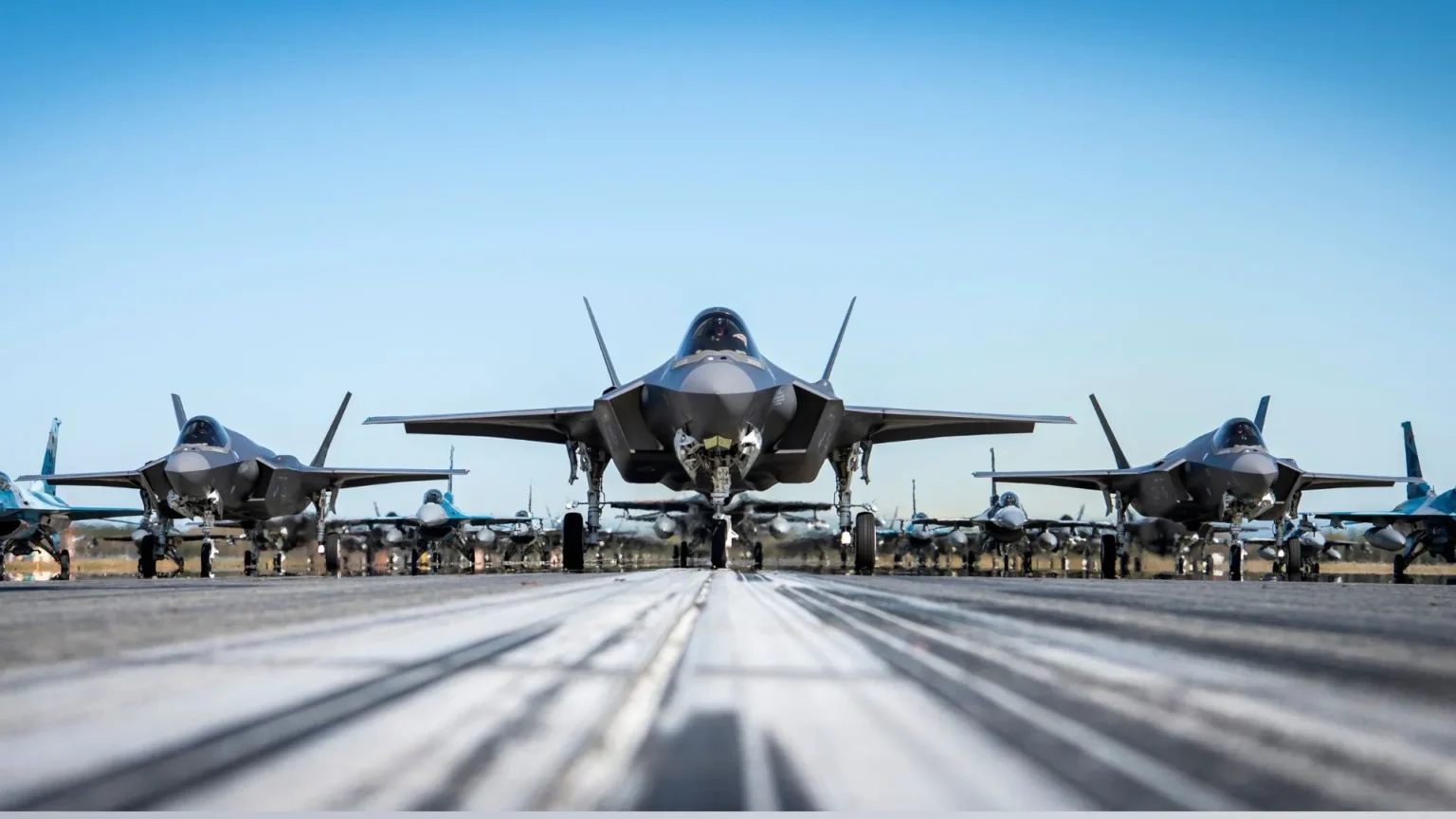
A Royal Air Force official has said Britain’s incoming fleet of 12 F-35A fighters was not purchased for a nuclear strike role, despite the government publicly linking the same order to the UK’s return to NATO‘s nuclear mission in 2025. [Note that United Kingdom has the third largest fleet of F-35 in the world]. Air Vice-Marshal Jim Beck, the Royal Air Force’s Director Capability and Programmes, made the comment on July 15, 2026, at the Global Air & Space Chiefs’ Conference in London, an event covered by aviation trade press including Janes and the UK Defence Journal.
Beck said the jets, due at RAF Marham (KNF), Norfolk, were bought to run the RAF’s F-35 conversion unit, and that the nuclear mission remains a separate undertaking still under analysis. The remarks cast fresh doubt on how quickly, or how completely, Britain can rebuild an air-delivered nuclear capability it gave up in 1998.
What The Raf Official Actually Said
Speaking to the conference, Beck sought to correct what he called a widespread assumption that followed the 2025 Strategic Defence Review. “We did not buy those 12 aircraft for dual capable aircraft capability. We bought them for our conversion units,” he told delegates, according to the UK Defence Journal.
He added that the nuclear mission is “very, very specific” and that the RAF is still working out what force it will need. “We’re doing the analysis to understand the size and posture of force,” Beck said, describing pilot training and nuclear deterrence as separate functions that should not be conflated.
Why The Government Originally Linked the Jets to Nato’s Nuclear Mission
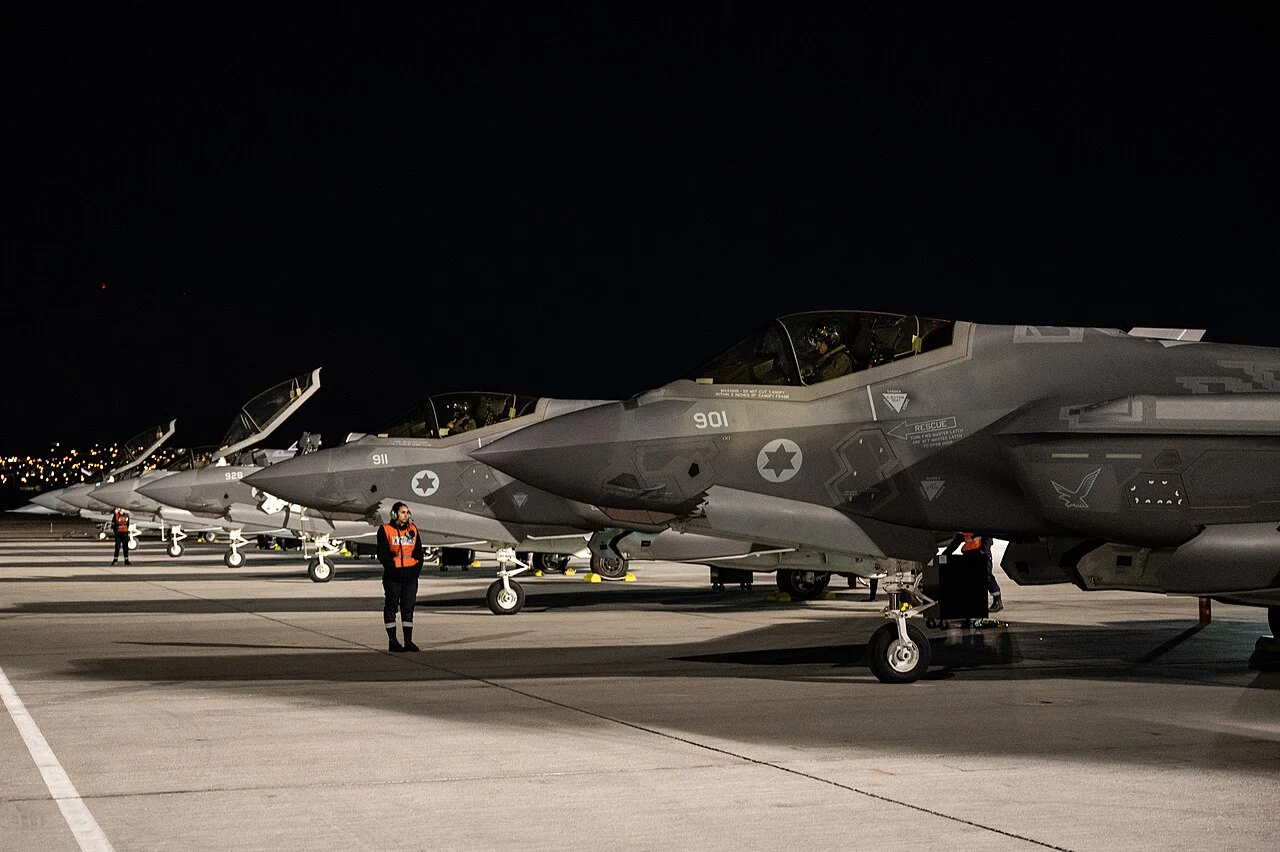
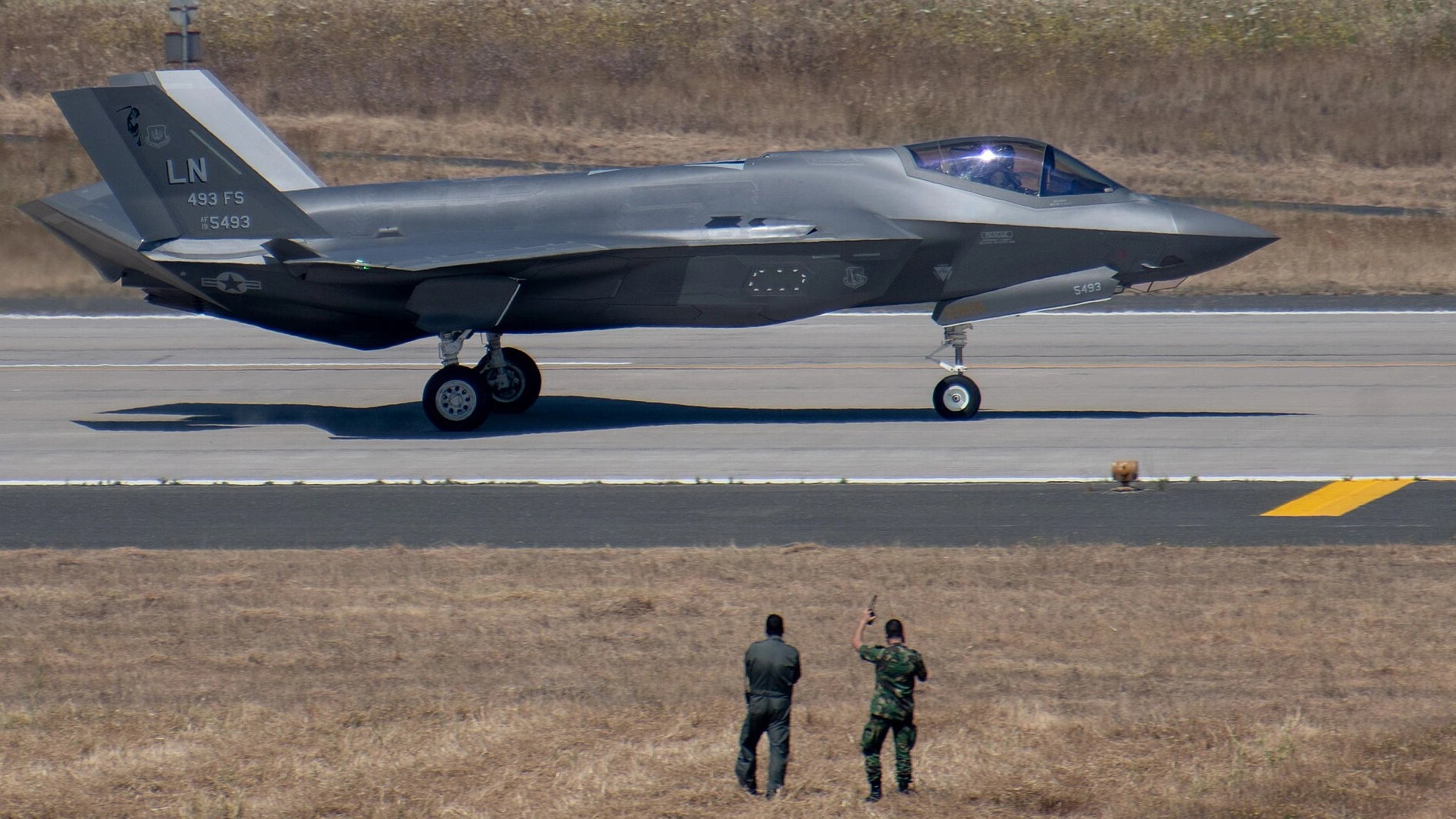
The 12 F-35As were announced on June 24, 2025, alongside the UK’s existing fleet of short takeoff and vertical landing F-35B jets. At the time, the Ministry of Defence called the purchase the biggest strengthening of the UK’s nuclear posture in a generation, saying Britain would join NATO’s Dual Capable Aircraft (DCA) mission and arm the jets with US-owned B61-12 gravity bombs.
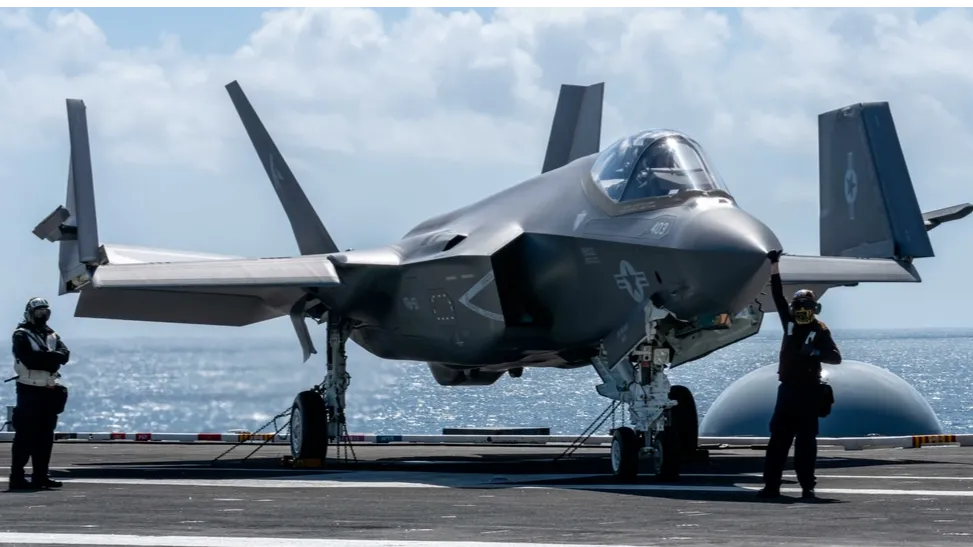
The F-35A was the logical choice for that role because it is the only F-35 variant certified to carry the B61-12. The F-35B’s smaller weapons bay cannot accommodate the bomb, which rules out the roughly 48 F-35Bs Britain already operates from its two Queen Elizabeth-class carriers and RAF Marham.
Day-to-day, however, the RAF has said the new jets will fly with 207 Squadron, the F-35 Operational Conversion Unit. The F-35A carries more fuel than the F-35B, giving longer training sorties, and needs fewer maintenance hours, which the RAF says will speed up how quickly student pilots reach frontline squadrons.
.webp)
Where The Nuclear-Capable F-35As Would Actually Be Based
RAF Marham is the presumed home for any future nuclear mission, since it is the only UK-operated base with Cold War-era Weapons Storage and Security System vaults built for rapid dispersal of live nuclear weapons. Their current condition, however, is unclear, and some reporting suggests the vaults have been dismantled or filled in since Britain retired its WE.177 free-fall bomb in 1998.
A likely alternative is RAF Lakenheath, a US Air Force base in England where evidence has pointed to American nuclear bombs returning for use by US F-15E and F-35A squadrons. Even if the UK could use Lakenheath’s infrastructure, US-controlled storage would not give Britain the sovereign nuclear capability it already holds through the Royal Navy’s ballistic missile submarines, which have carried the UK’s entire nuclear deterrent since the 1998 retirement of RAF-delivered weapons.
Comparing Britain with Other NATO Allies Flying Nuclear-Capable F-35As
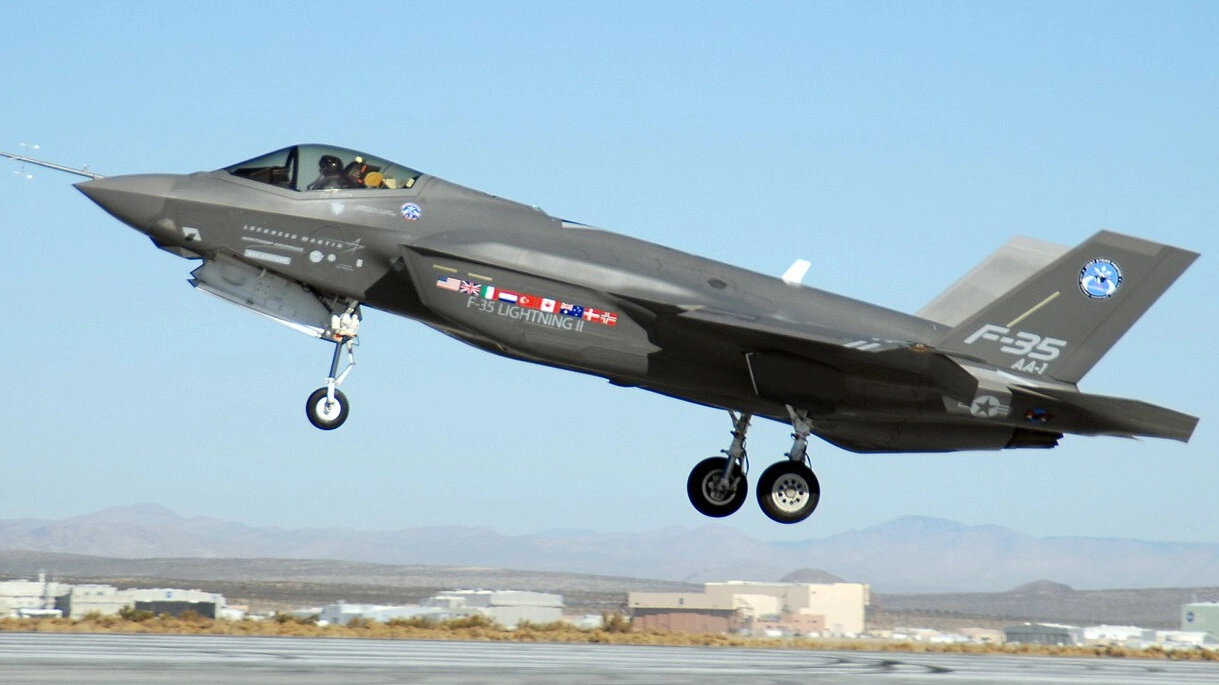
The UK is not alone in linking F-35A purchases to NATO’s nuclear mission, but it is arriving years behind allies who have already made the switch from older jets.
- Netherlands: The Royal Netherlands Air Force reached initial certification for the nuclear deterrence mission with its F-35As, becoming one of the first European operators to do so.
- Belgium and Italy: Both countries are transitioning their dual-capable aircraft fleets to the F-35A, replacing older F-16s and Panavia Tornados that previously carried the alliance’s B61 bombs.
- Germany: Berlin’s need for a nuclear-capable successor to its retiring Tornado fleet was a central reason for joining the F-35 program in the first place.
Unlike those four countries, none of which need to build new storage infrastructure from scratch, the UK must first determine whether Marham’s vaults can be revived or whether an entirely new nuclear support structure needs to be built.
Why Britain Still Faces Big Hurdles to a Working Nuclear Mission
Even after the analysis Beck described is complete, several practical obstacles remain before the F-35A can deliver a credible UK nuclear mission.
- Any use of the B61-12 by UK aircraft would still require approval from the United States and NATO, since Washington retains custody and control of the weapons under nuclear-sharing rules.
- The 12 F-35As are additional to, not separate from, the UK’s core order of 138 F-35s, meaning the RAF cannot easily grow the nuclear-capable fleet without diverting jets planned for other roles.
- Britain’s F-35A jets use a refueling receptacle incompatible with the RAF’s Voyager tanker fleet, which relies on hose-and-drogue equipment rather than a boom.
- The Ministry of Defence must also fund more than $83 billion over the next four years for its nuclear-powered submarine programs, the platform that already delivers Britain’s sovereign deterrent.
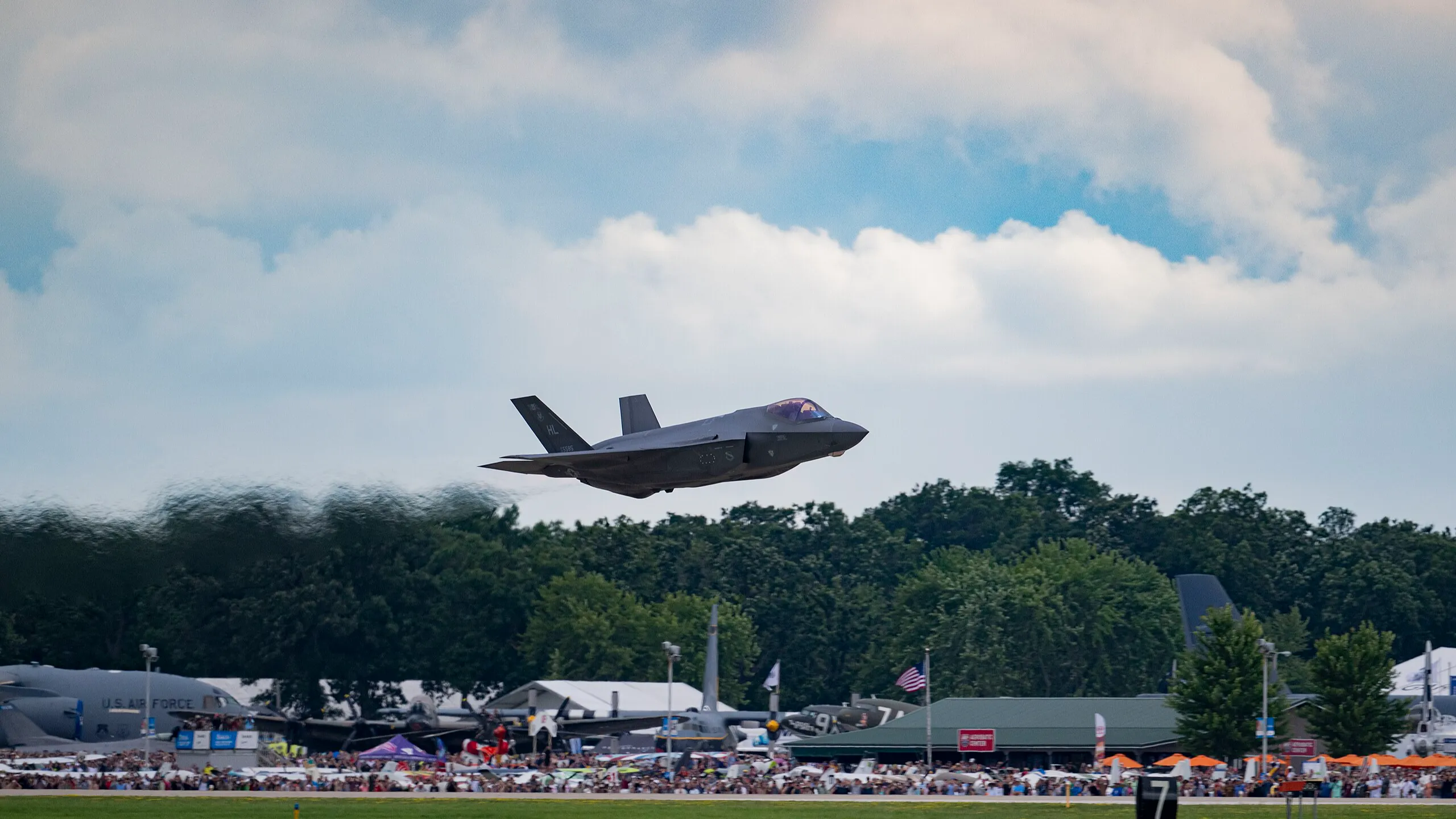
So far, 48 F-35Bs have been delivered to the UK, with 15 more F-35Bs and the 12 F-35As committed for delivery by 2033. The government has said buying F-35As instead of F-35Bs saves up to 25 percent per aircraft, a cost argument that becomes stronger, according to defense analysts, only if Britain eventually buys F-35As in far larger numbers.
What Comes Next
The RAF’s own officers may push for a larger F-35A order to make a genuine nuclear mission viable, but that ambition now competes directly with funding for the Global Combat Air Programme’s Tempest fighter and emerging uncrewed aircraft projects. Until the analysis Beck described concludes, and until it is clear whether RAF Marham’s storage infrastructure can be revived, Britain’s return to NATO’s nuclear mission remains a declared intention rather than an operational reality.