The US National Transportation Safety Board (NTSB) has formally taken charge of the investigation into the Ryanair (FR) flight that suffered a window blowout shortly after departure, triggering a cabin depressurization and injuring a passenger.
The emergency occurred on July 10 aboard a Malta Air-operated Boeing 737-800 flying from Thessaloniki Airport (SKG), Greece, to Memmingen Airport (FMM), Germany. The investigation changed hands after authorities confirmed the incident took place within Greek airspace rather than over neighboring North Macedonia, as initially believed.
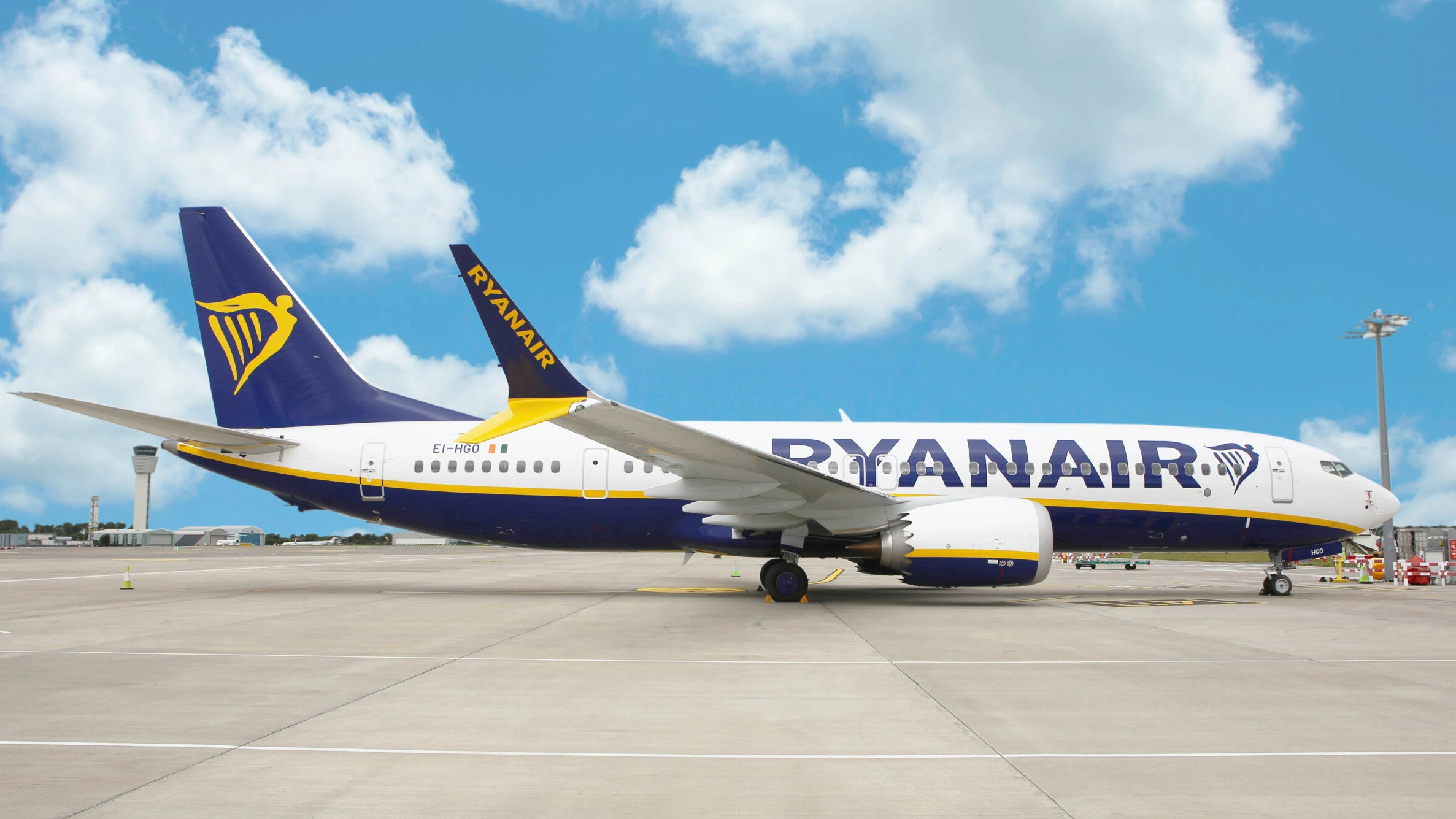
NTSB Leads International Investigation
Under international aviation protocols, the Hellenic Air and Rail Safety Investigation Authority was permitted to transfer responsibility for the inquiry to another investigative agency. The NTSB accepted the request and will now direct the investigation, while Greek investigators continue to participate in the case.
The decision followed a detailed examination of the aircraft’s flight path. Earlier assessments had incorrectly placed the event over North Macedonia, but subsequent analysis confirmed the emergency unfolded while the aircraft remained in Greek airspace, enabling the transfer of jurisdiction.
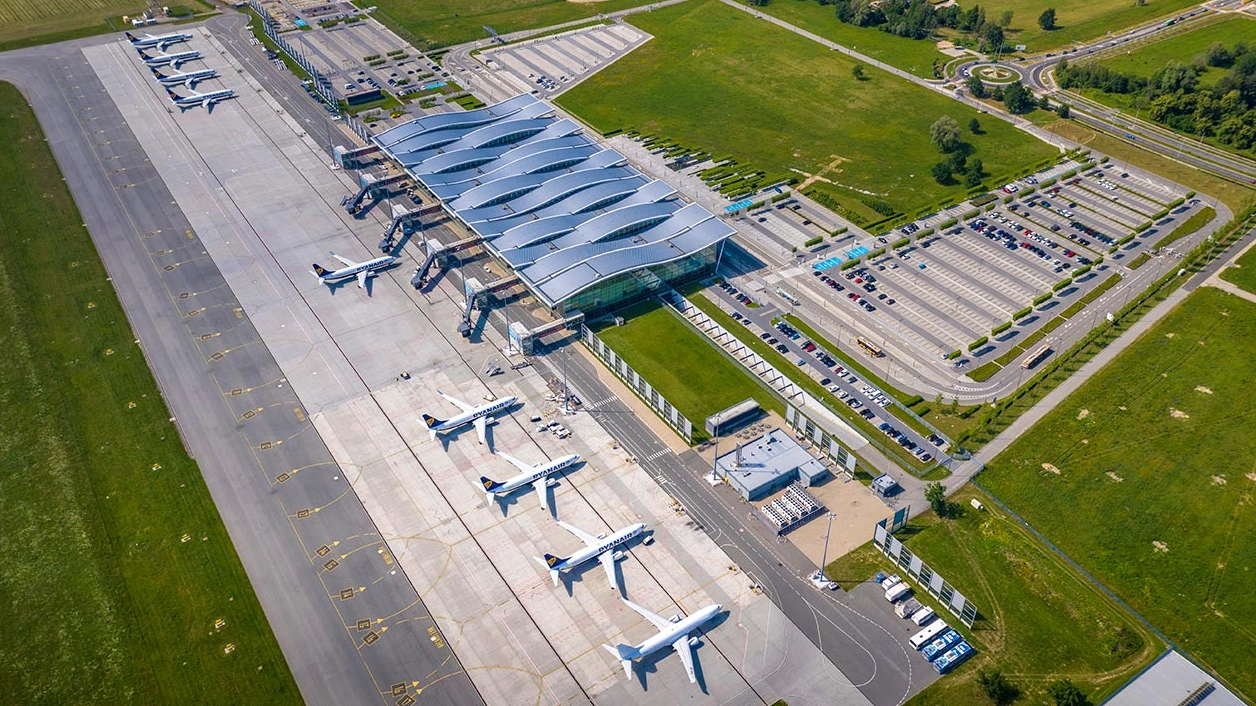
Cabin Depressurization During Climb
The Boeing 737-800 was operating a scheduled morning service from Thessaloniki to Memmingen when passengers reported hearing a loud explosion moments after departure. Oxygen masks deployed automatically as the aircraft experienced cabin depressurization and initiated an emergency descent.
Videos shared on social media and later broadcast by Greek media showed passengers wearing oxygen masks during the descent. Additional footage appeared to capture the damaged window area and emergency responders assisting passengers after the aircraft landed safely back in Thessaloniki.
Shye Gilad, a former airline captain and lecturer at Georgetown University, explained that a window failure at altitude can trigger rapid decompression, producing a powerful but short-lived airflow toward the opening before cabin pressure stabilizes.
Gilad said seat belts are particularly important during those first moments, noting that they can prevent passengers from being displaced by the sudden force. He also described such structural failures as exceptionally uncommon in commercial aviation.
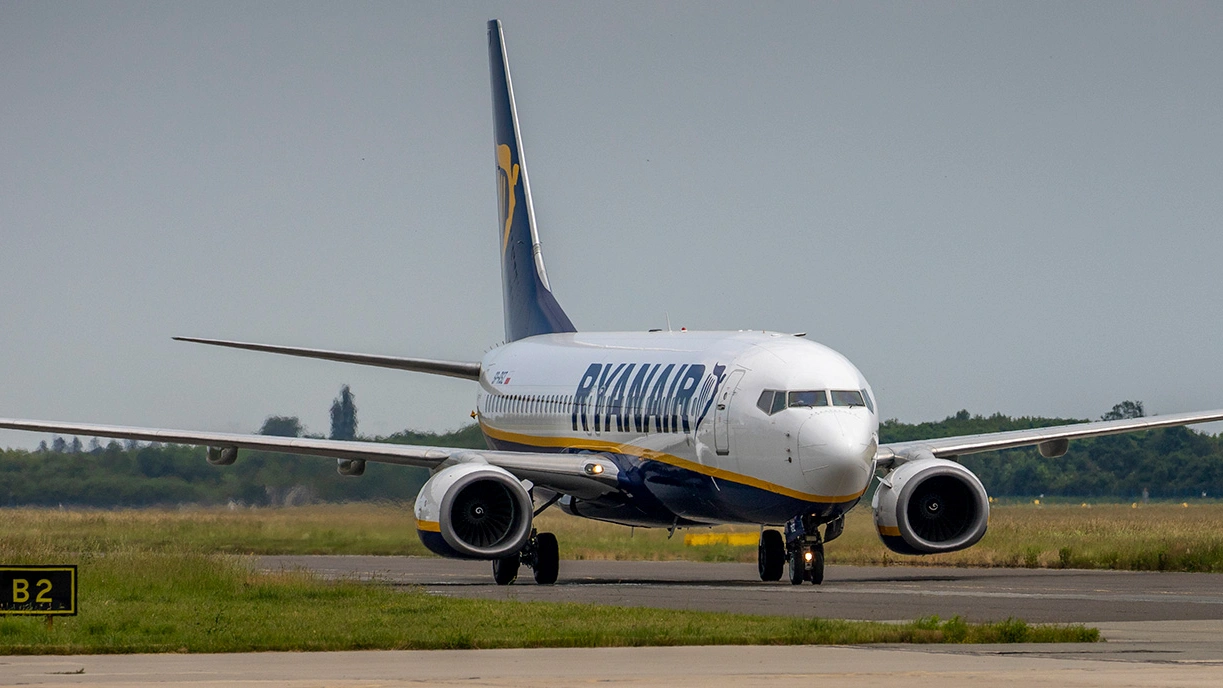
Passenger Injured, Cause Under Review
Greek health officials said a 61-year-old passenger sustained neck and shoulder injuries as well as friction burns during the incident. Authorities have not confirmed whether the passenger remained hospitalized following treatment.
Ryanair, which is one of the most popular budget carriers in the world, stated that one passenger required medical attention after landing and confirmed that a replacement aircraft later transported the remaining passengers to Germany.
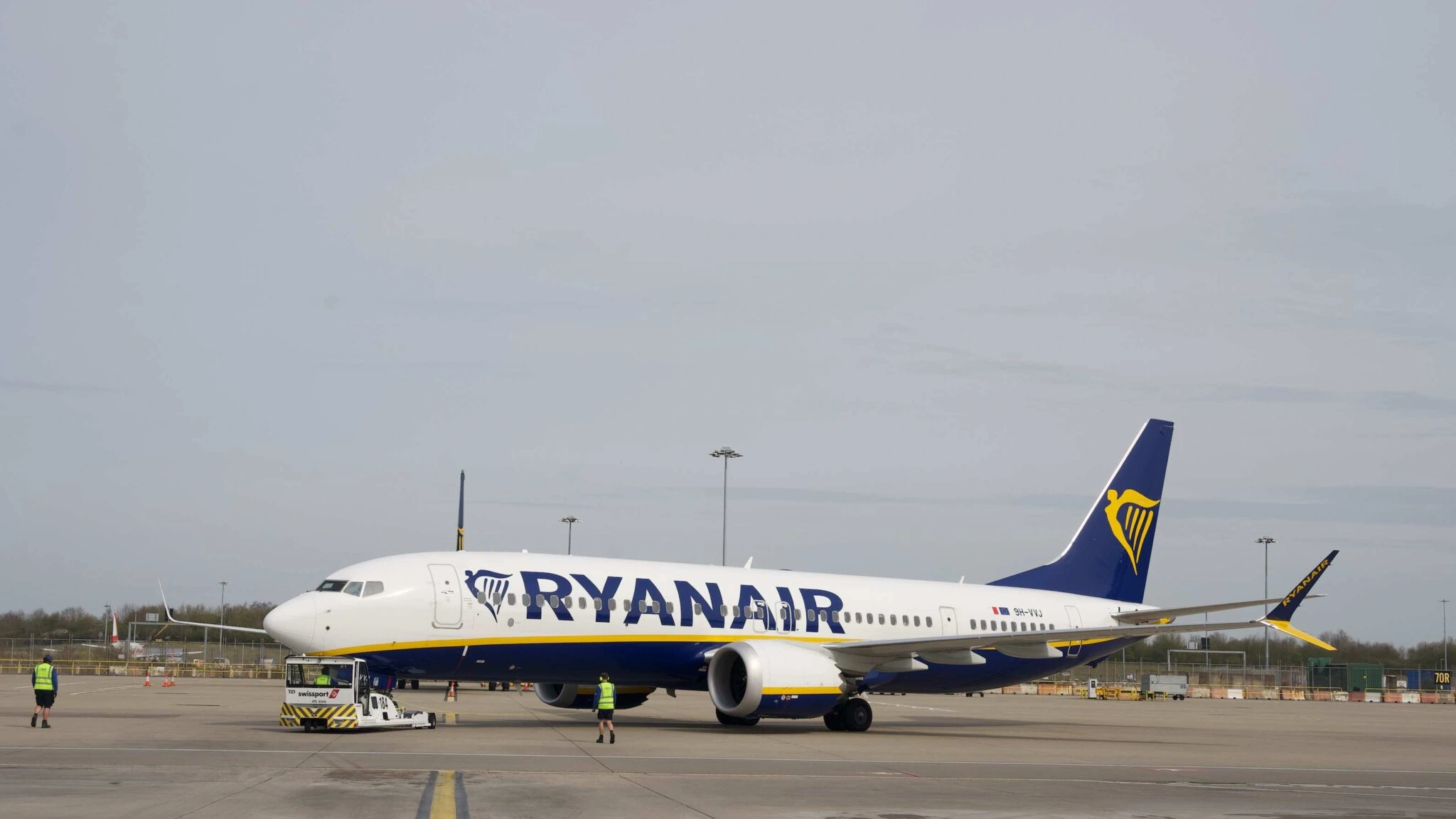
Investigators are also examining differing accounts of what triggered the emergency. Earlier this week, the NTSB said it had been informed the aircraft returned to Thessaloniki because of both a right engine issue and cabin decompression.
Ryanair, however, has not commented on the reported engine problem. In response to media inquiries, the airline reiterated only that the flight diverted after a cabin window became dislodged. Whether an engine malfunction played any role remains one of several unanswered questions investigators are expected to examine.
Flight tracking data indicates the aircraft climbed beyond 15,000 feet approximately six minutes after departure before descending rapidly to around 6,000 feet. The aircraft remained at the lower altitude for roughly 30 minutes, likely to reduce fuel weight, before returning safely to Thessaloniki about an hour after takeoff.
.jpg)
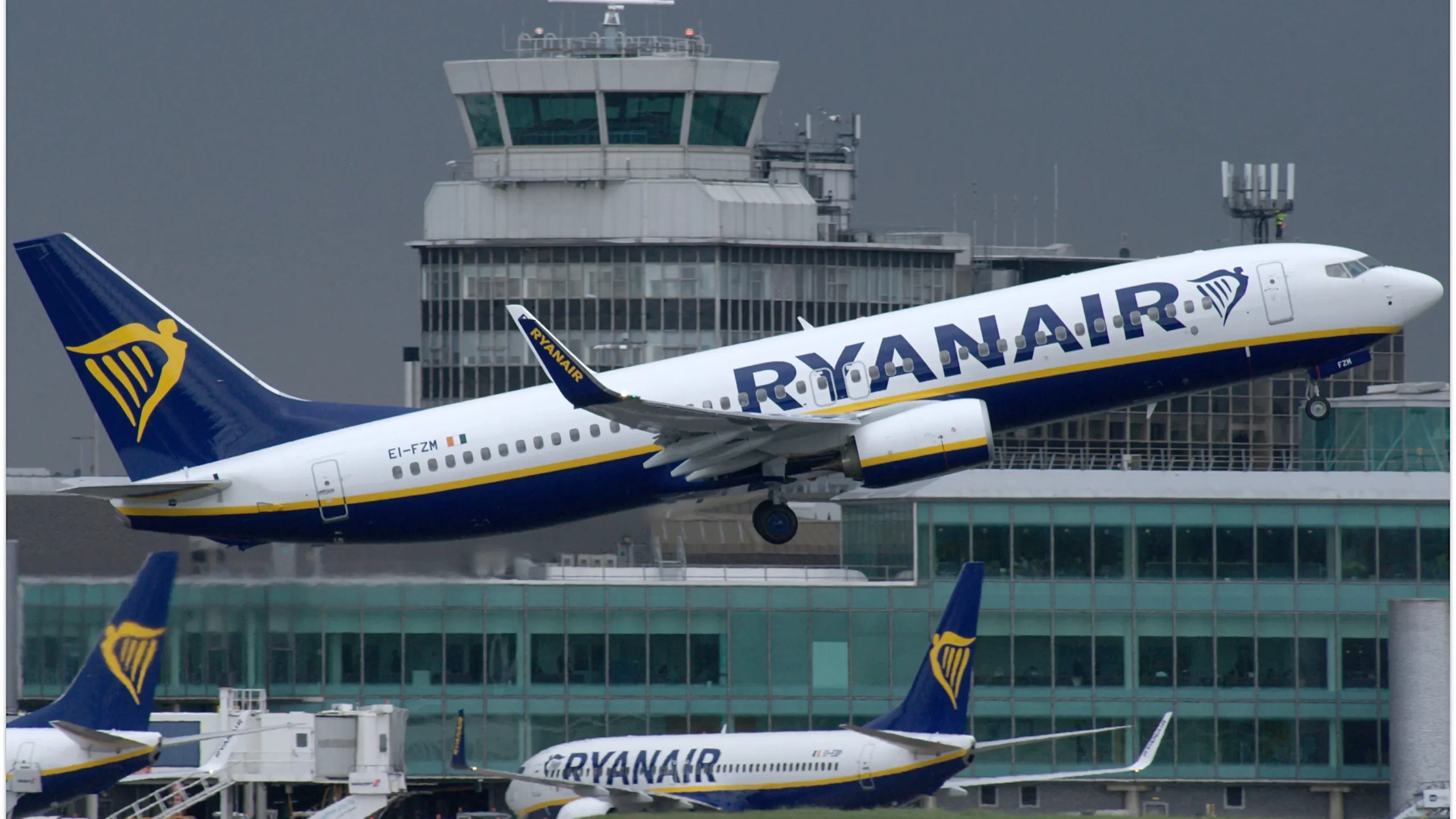
The Boeing 737-800 involved in the incident entered Ryanair’s fleet in 2008. The NTSB has not indicated when it expects to issue preliminary findings from the investigation.