When people picture life abroad, they usually imagine sunshine, a better salary, or a fresh start. But according to InterNations’ 2026 Expat Insider survey, none of that matters much if a person doesn’t feel safe in their new home. The Safety & Security category of the report asks expats to rate their host country on personal safety, political stability, and freedom to speak their mind — a lived-experience measure rather than a raw crime statistic.
Here’s the countdown of the top 10 countries in the world for safety & security for expats in 2026.
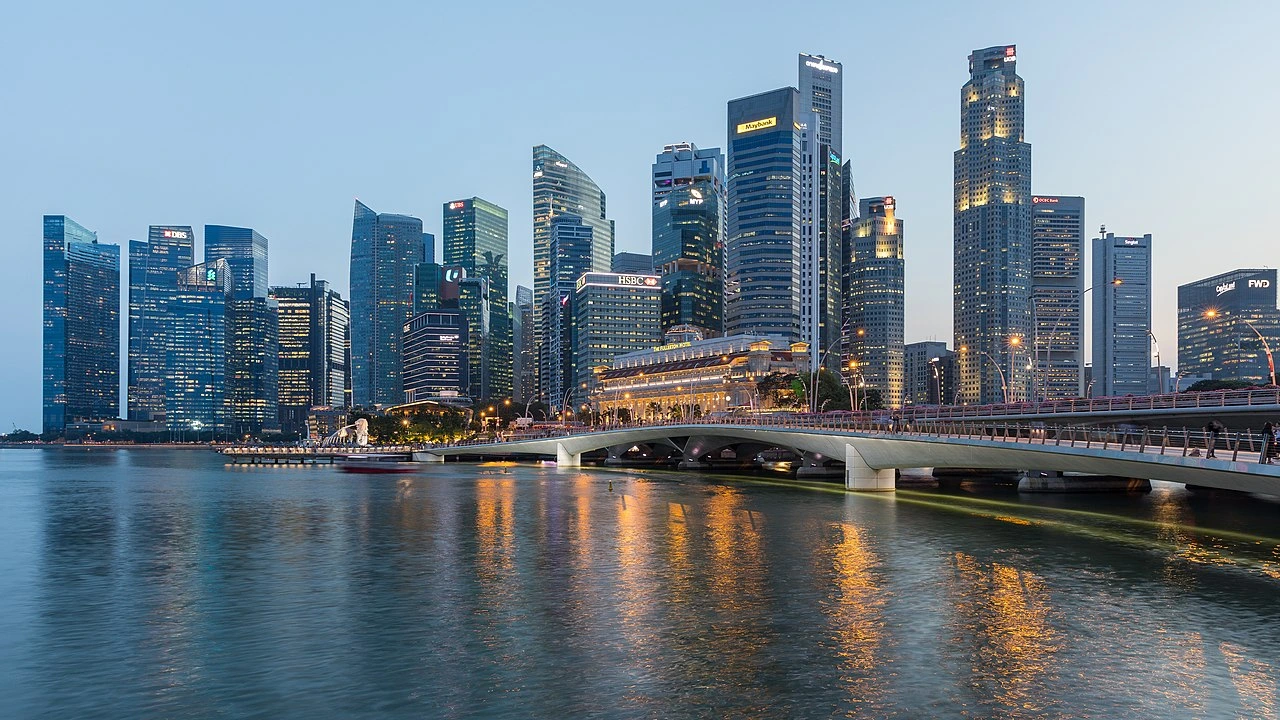

10. Singapore
Singapore closes out the list, prized for its tight organization and famously low crime rate. Strict enforcement and dependable infrastructure combine to make everyday life feel controlled and predictable, and the report highlights it as one of the more approachable places for newcomers — especially families — to settle in.
- Extremely low crime environment
- Efficient, well-enforced public order
- Strong reputation for family-friendliness
| Quick Facts | Details |
|---|---|
| Rank | 10 |
| Region | Southeast Asia |
| Best known for | Order and efficiency |
| Popular with | Families, new arrivals |
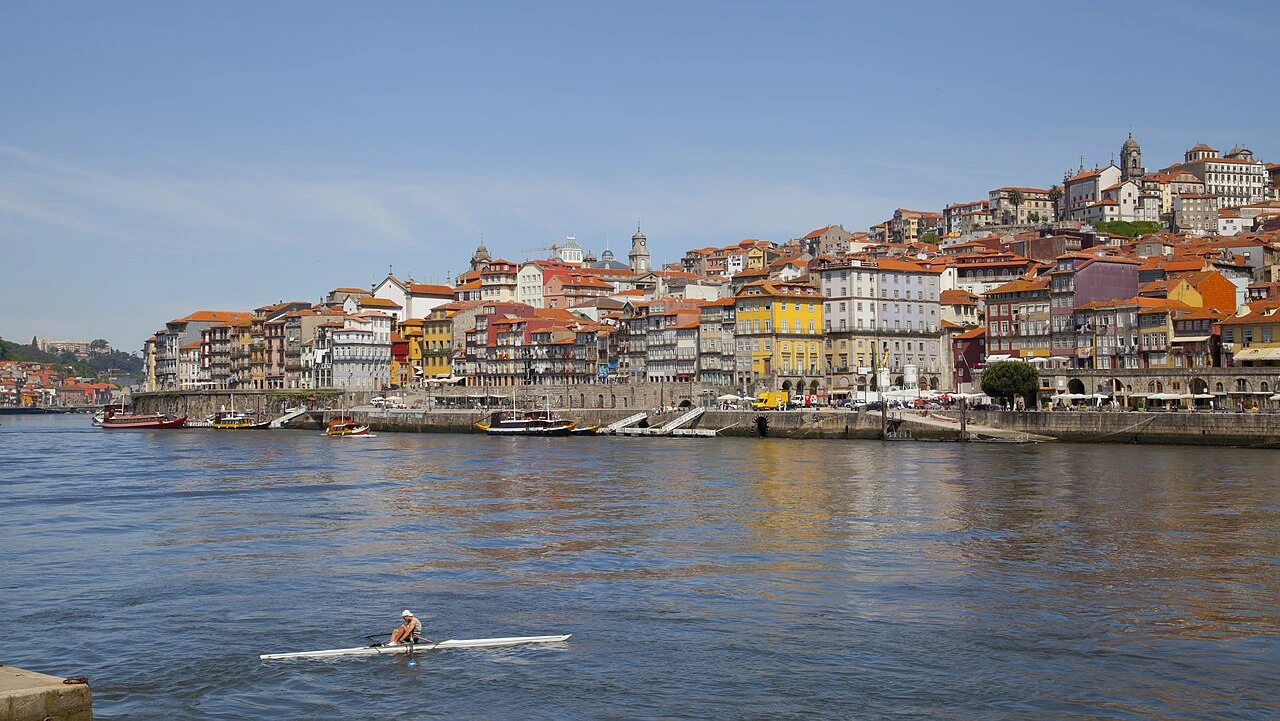

9. Portugal
Portugal remains a longtime favorite for relocation, and its ninth-place finish reflects a relaxed lifestyle paired with a general sense of security. Cities like Lisbon and Porto, along with coastal areas such as Cascais and the Algarve, draw retirees and remote workers who want an easygoing pace without sacrificing peace of mind.
- Warm, welcoming local culture
- Slower, less stressful daily rhythm
- Strong pull for retirees and remote workers
| Quick Facts | Details |
|---|---|
| Rank | 9 |
| Region | Southern Europe |
| Best known for | Calm lifestyle, friendly culture |
| Popular cities | Lisbon, Porto, Cascais, the Algarve |
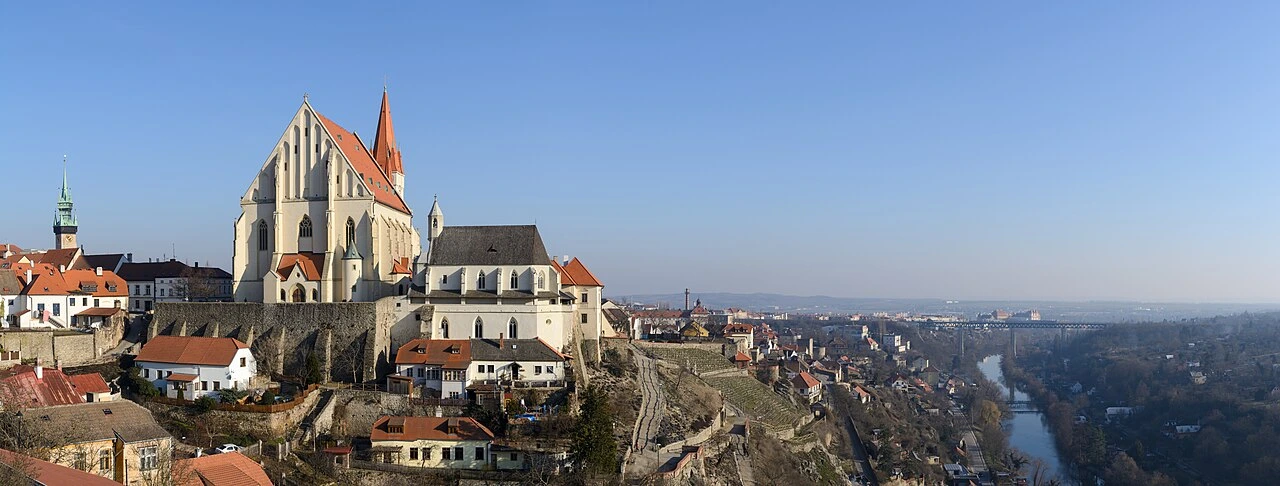

8. Czechia
Czechia takes eighth place largely on the strength of Prague, which the report frames as an efficient and safe European capital. Reliable public transit and walkable streets make daily life feel manageable, and its central location adds the bonus of easy travel across the continent.
- Dependable public transport system
- Walkable, practical city layout
- Central European location for easy travel
| Quick Facts | Details |
|---|---|
| Rank | 8 |
| Region | Central Europe |
| Best known for | Prague’s safety and efficiency |
| Bonus | Convenient access to rest of Europe |
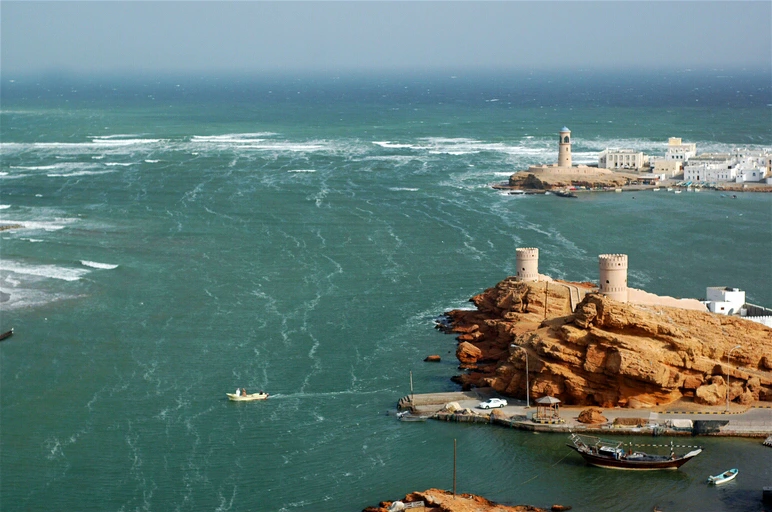

7. Oman
Oman ranks seventh, standing out for a quieter, more low-key lifestyle than some of its regional neighbors. Muscat in particular appeals to those seeking a slower pace combined with coastal scenery, stable conditions, and genuine hospitality — a combination that tends to resonate with families and long-term residents.
- Calm, unhurried atmosphere
- Strong hospitality culture
- Coastal scenery paired with day-to-day stability
| Quick Facts | Details |
|---|---|
| Rank | 7 |
| Region | Gulf / Middle East |
| Best known for | Muscat’s relaxed, secure lifestyle |
| Popular with | Families, long-term residents |


6. Qatar
Qatar comes in sixth, backed by low crime rates, strong governance, and modern infrastructure. Doha is regarded as one of the safer major cities in its region, and the report notes Qatar performs well not just on safety but also on healthcare and public transit.
- Low crime, strong governance
- Doha seen as a notably safe capital
- Also scores well on healthcare and transit
| Quick Facts | Details |
|---|---|
| Rank | 6 |
| Region | Gulf / Middle East |
| Best known for | Modern infrastructure, governance |
| Bonus strengths | Healthcare, public transit |

5. Panama
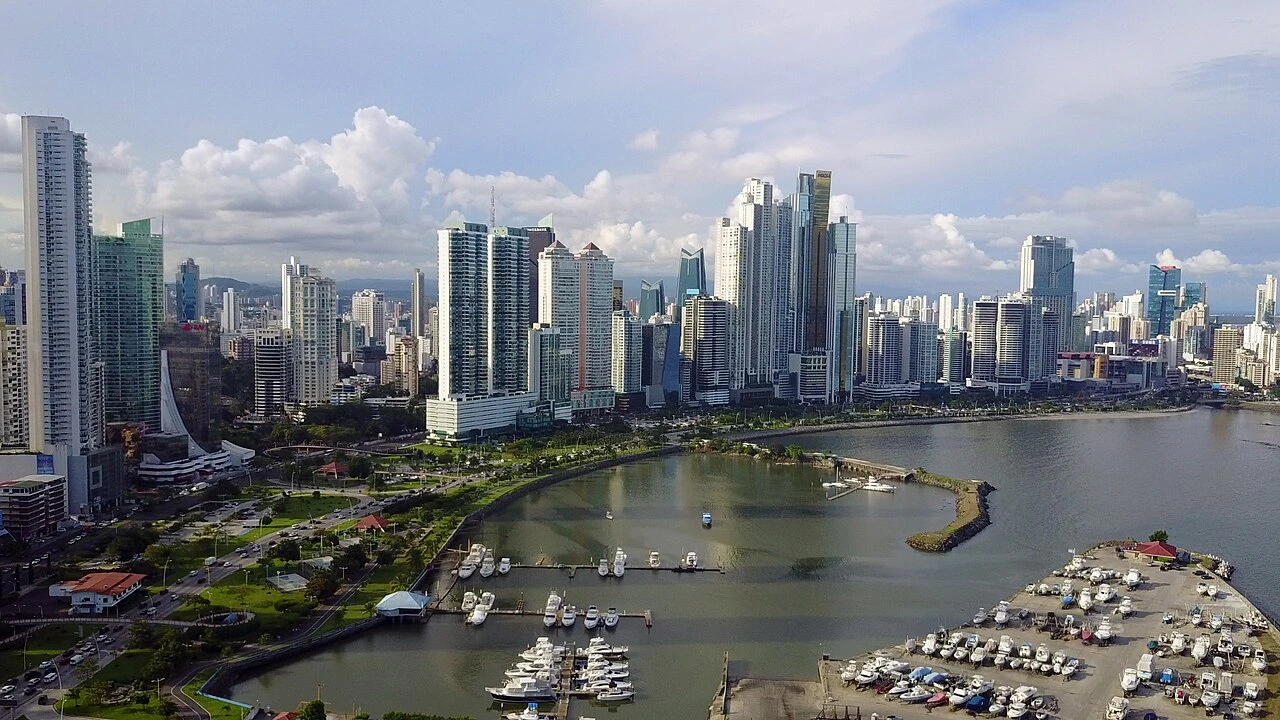
Panama lands at fifth and has been climbing in InterNations’ broader quality-of-life rankings. Its appeal lies in a relatively stable environment, a welcoming atmosphere, and a lifestyle that’s easy to settle into — a formula that has made it especially popular with retirees and remote workers chasing warm weather and strong international connectivity.
- Rising steadily in overall quality-of-life scores
- Welcoming atmosphere for newcomers
- Warm climate plus solid international connectivity
| Quick Facts | Details |
|---|---|
| Rank | 5 |
| Region | Central America |
| Best known for | Stability and manageable lifestyle |
| Popular with | Retirees, remote workers |


4. United Arab Emirates
The UAE takes fourth place and stands out as one of the strongest destinations overall for personal safety. InterNations describes personal safety as a major highlight of life there, and roughly 87% of surveyed expats rated the country’s political stability positively. Dubai, Abu Dhabi, and the other emirates draw people who want secure, highly organized urban living with minimal street crime.
- Personal safety cited as a standout strength
- ~87% of respondents rate political stability positively
- Low street crime across major emirates
| Quick Facts | Details |
|---|---|
| Rank | 4 |
| Region | Gulf / Middle East |
| Best known for | Personal safety, political stability |
| Popular cities | Dubai, Abu Dhabi |
.jpg)
3. Denmark
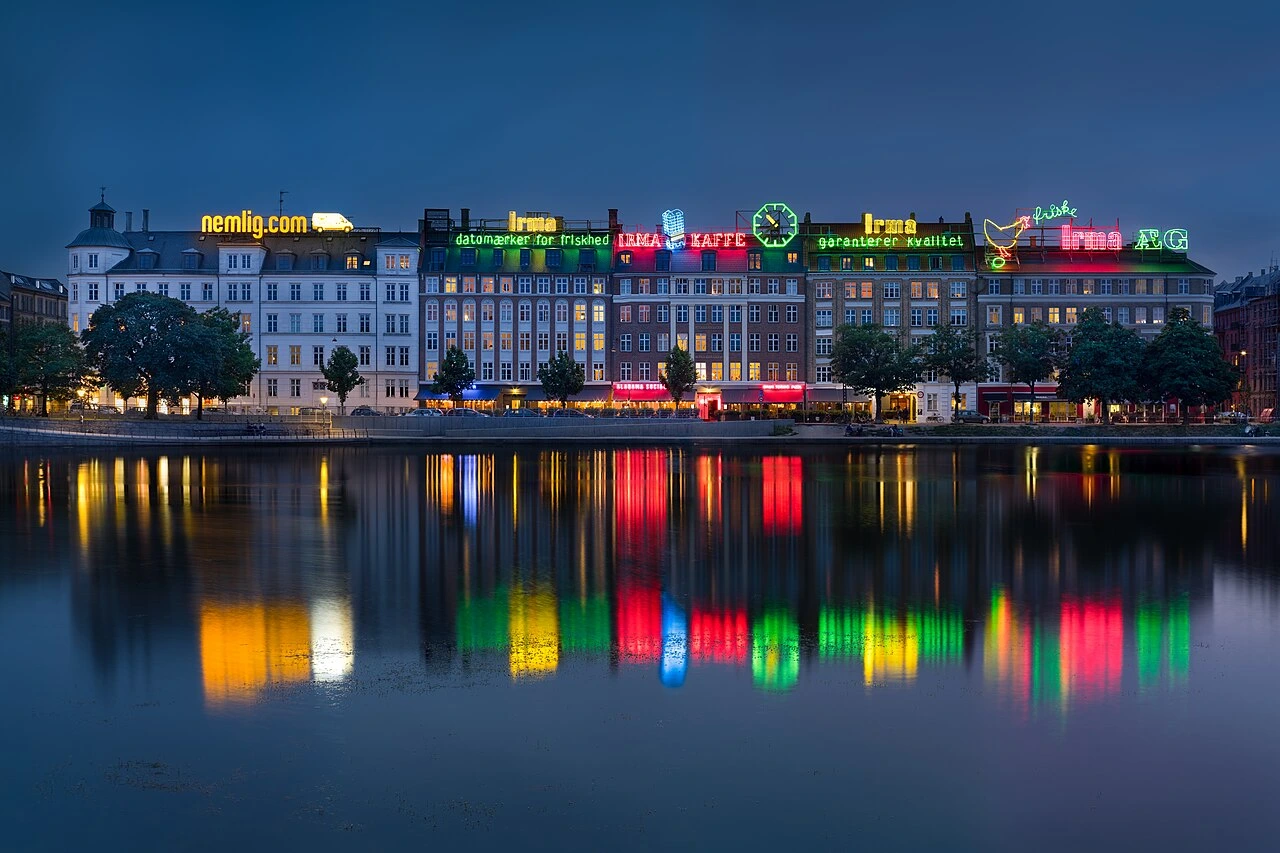
Denmark takes third, driven by low crime, high social trust, and a robust democratic system. Copenhagen and other Danish cities are known for safe neighborhoods and thoughtful urban planning, and the country consistently earns high marks from families and professionals who value a strong work-life balance alongside genuine security.
- Low crime paired with high institutional trust
- Well-planned, safe urban neighborhoods
- Strong reputation for work-life balance
| Quick Facts | Details |
|---|---|
| Rank | 3 |
| Region | Northern Europe |
| Best known for | Social trust, urban planning |
| Popular with | Families, professionals |

2. Switzerland
Switzerland ranks second, carrying its long-standing reputation for neutrality and social stability into 2026. Zurich, Geneva, Basel, and Lausanne are all seen as exceptionally safe places to live, with reliable public services and clean, well-run surroundings. Living costs run high, but many expats say the security and peace of mind are worth the price.
- Long-standing reputation for neutrality and stability
- Reliable public services across major cities
- High cost of living offset by strong sense of security
| Quick Facts | Details |
|---|---|
| Rank | 2 |
| Region | Central Europe |
| Best known for | Institutional trust, cleanliness |
| Popular cities | Zurich, Geneva, Basel, Lausanne |

1. Luxembourg
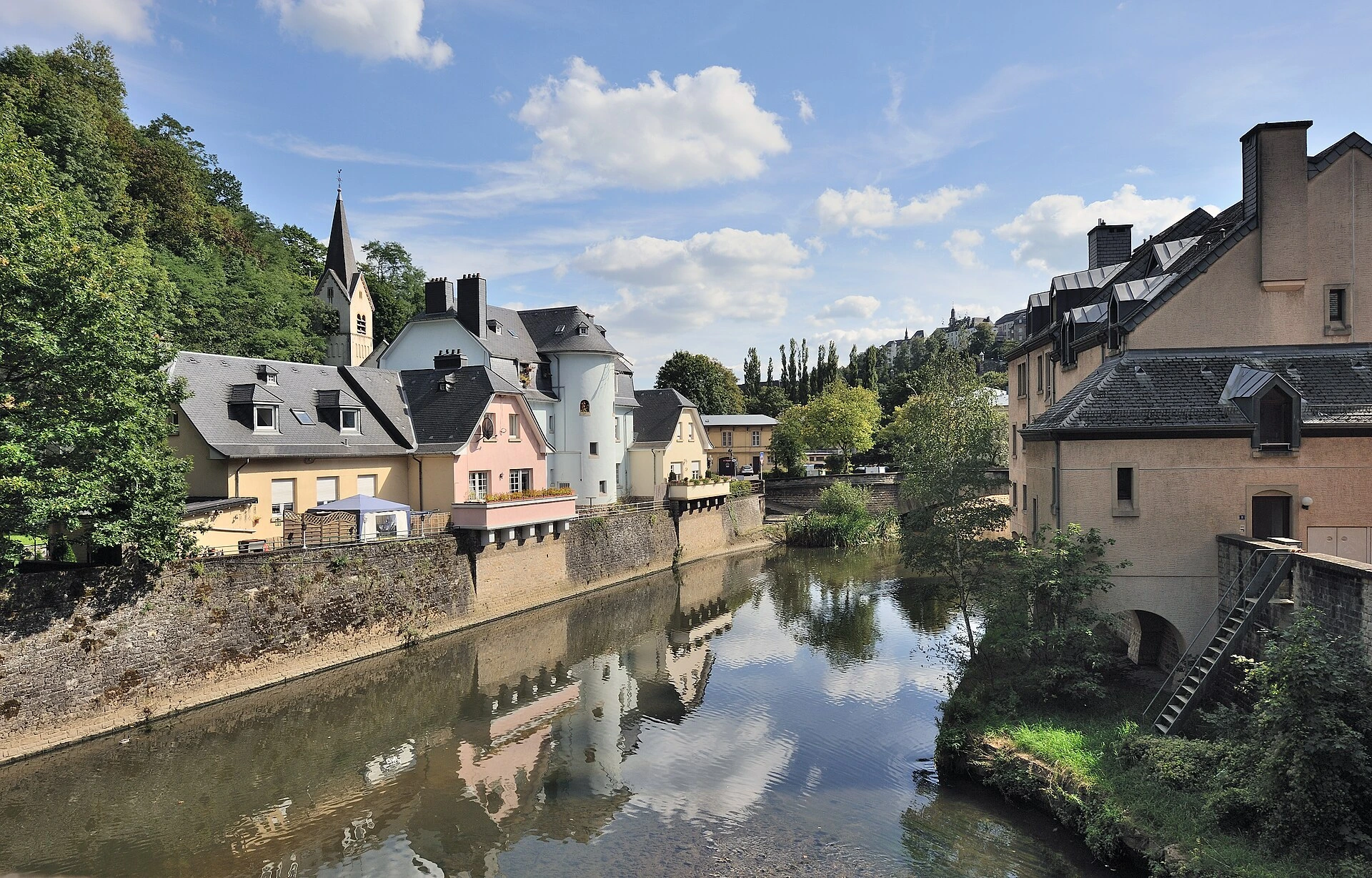
Luxembourg takes the top spot, and it’s easy to see why: political calm, strong institutions, and a very high quality of life define daily experience there. Expats frequently describe it as peaceful, orderly, and especially family-friendly. Its compact size supports efficient governance, while excellent infrastructure keeps things running smoothly — a particular draw for professionals in finance and at EU institutions who value predictability above all.
- Political stability and strong institutional trust
- Compact size supports efficient governance
- Strong pull for finance and EU-institution professionals
| Quick Facts | Details |
|---|---|
| Rank | 1 |
| Region | Western Europe |
| Best known for | Political calm, family-friendliness |
| Popular with | Finance and EU institution professionals |

The Bigger Picture
A few threads run through all ten countries: low everyday crime, political stability, trustworthy institutions, safe public transport, and clean, family-friendly cities. Luxembourg, Switzerland, and Denmark lead on institutional trust; the UAE, Qatar, and Oman show that the Gulf region can deliver strong modern security; and Panama, Czechia, Portugal, and Singapore prove that a safe expat life isn’t limited to any one region of the world.
Source: All rankings, ratings, and figures are drawn from InterNations’ 2026 Expat Insider survey (Safety & Security category).
FAQ
Which country is best for expat safety in 2026? Luxembourg ranks highest overall for safety and security among expats, per the InterNations report.
Which Gulf country is safest for expats? The UAE leads the Gulf nations on this list, followed by Qatar and then Oman.
Is this ranking based purely on crime statistics? No — InterNations measures expats’ own perceptions of personal safety, political stability, and freedom of expression, rather than relying solely on official crime data.