China’s three largest state-owned carriers expect to report deeper first-half net losses this year than in 2025, and they blame one main cause: fuel prices pushed up by the war in the Middle East. Air China (CA), China Eastern Airlines (MU), and China Southern Airlines (CZ) each filed separate earnings guidance this week ahead of their formal half-year results, with combined projected losses reaching as much as CNY9 billion, or roughly $1.33 billion, NIKKEI Asia reported.
The three airlines were all profitable in the first quarter of 2026, so the reversal marks a sharp swing back into the red for the six months ended June 30.
The carriers point to the same root cause. Jet fuel prices soared after the United States and Israel launched strikes on Iran in February 2026, and Chinese airlines hedge very little of their fuel purchases, which leaves them exposed to global oil swings.
China Southern, the country’s largest operator by passengers carried, expects to post the steepest loss among the three, at up to CNY4 billion. The losses come as China’s domestic travel market also faces new competition from an expanding high-speed rail network, a factor that limits how much of the extra fuel cost the airlines can pass on to passengers.
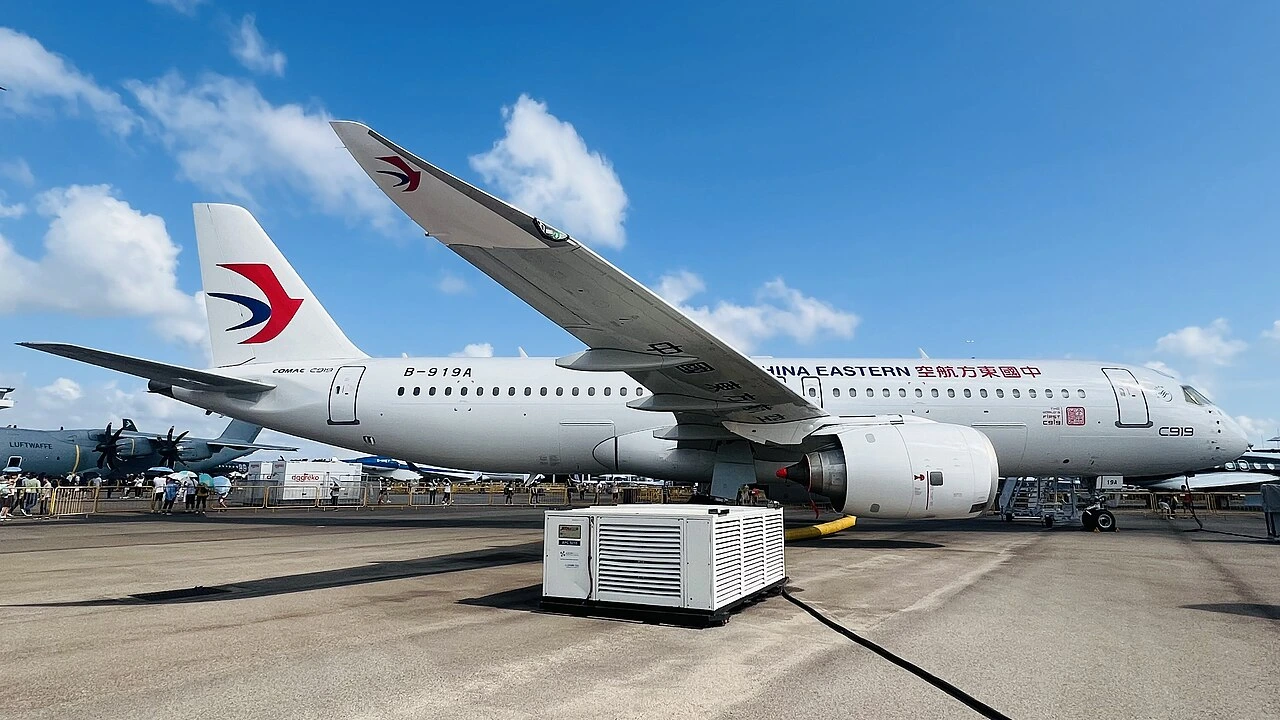
How Much Each Carrier Expects to Lose in the First Half
Each airline filed its own guidance to the Hong Kong and Shanghai stock exchanges, and the figures show a similar pattern of a much larger loss than a year earlier.
- Air China forecasts a net loss of CNY2.1 billion to CNY2.6 billion ($310 million to $384 million), compared with a CNY1.8 billion loss in the same period last year.
- China Eastern estimates a net loss of CNY1.8 billion to CNY2.4 billion, up from a CNY1.4 billion loss a year earlier.
- China Southern projects the widest loss of the three, at CNY3.5 billion to CNY4 billion, compared with CNY1.5 billion in the first half of 2025.
Air China said it “recorded substantial profits” in the first quarter, but that elevated jet fuel prices in the second quarter “drastically” squeezed its profit margin. China Eastern was more direct about the cause. “Since March, rising fuel prices triggered by geopolitical tensions in the Middle East have presented formidable challenges to the aviation industry,” the carrier said in its filing. It added that it had “promptly” rolled out measures to cope, including adjusting flight schedules, refining revenue management, and increasing the use of fuel-efficient aircraft.
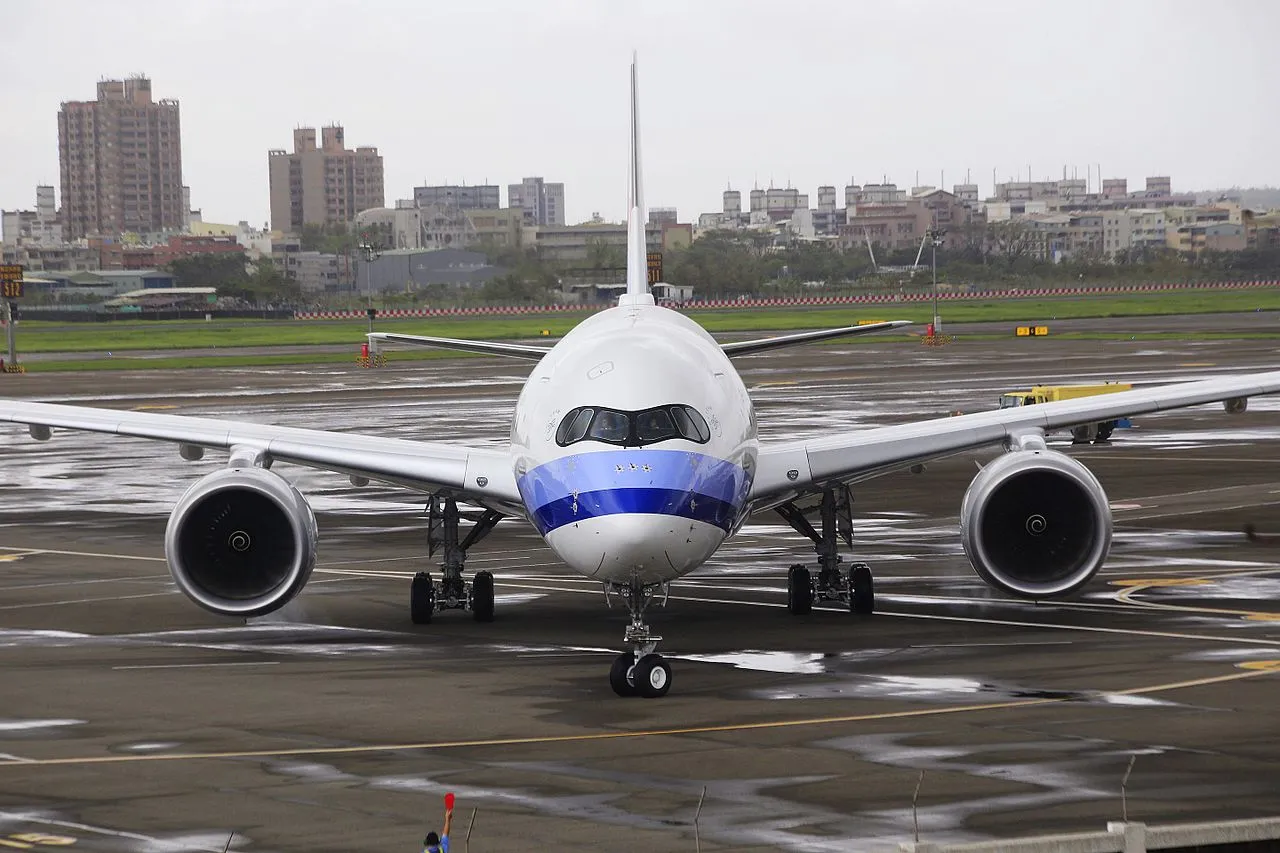
A Sharp Reversal from a Profitable First Quarter
The scale of the reversal stands out. All three carriers turned a profit in the first quarter of 2026, helped by strong travel demand. China Southern posted a net profit of CNY1.48 billion for the first three months, swinging from a loss of CNY747 million a year earlier.
Air China reported a CNY1.71 billion profit, compared with a CNY2.04 billion loss, and China Eastern posted a CNY1.63 billion profit against a CNY995 million loss. International passenger traffic was also climbing at the time, with Air China up 28% year on year in March, China Southern up 23%, and China Eastern up 22%.
That momentum did not survive the second quarter. A benchmark jet fuel price tracked in Singapore climbed from around $93 a barrel in late February to a record $242 a barrel in late March, before easing to about $163 a barrel. China’s own ex-factory jet fuel rates jumped 74% in April, according to research from HSBC.
Chinese carriers can legally pass through up to 80% of a fuel-price increase to passengers, but HSBC estimates the big three are recovering only around 60% of the added cost. HSBC’s global head of transport and logistics research, Parash Jain, explained why airlines are not using the full allowance: “In practice, they often choose not to use the full allowance because doing so could materially weaken demand.”
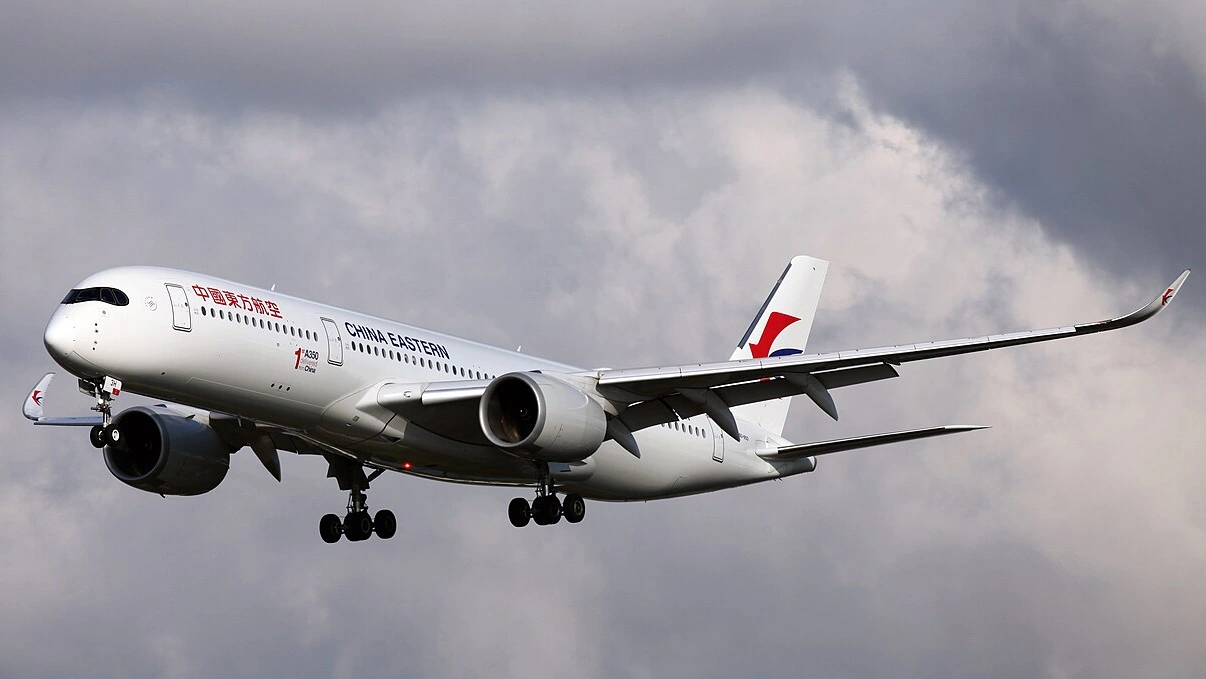
Why Domestic Fare Increases are not Covering the Gap
Chinese airlines have raised fuel surcharges to try to offset the shock. Starting April 5, domestic surcharges rose to CNY60 for flights under 800 kilometres and CNY120 for longer routes, up from CNY10 and CNY20 previously. Analysts say that response is not enough on its own. DBS Group Research analyst Jason Sum said: “The fare increases required to fully offset higher fuel expenses are too large to be realistically achieved, particularly in a highly price-sensitive and competitive environment.”
High-speed rail adds to that pricing pressure. China’s rail network gives price-sensitive domestic travellers on many routes a cheaper alternative to flying, which limits how far airlines can raise fares without losing passengers.
Analysts have contrasted this with markets such as India, where high-speed rail options are scarce and airlines have more room to pass on costs, and Indian Railways Minister Ashwini Vaishnaw recently said that some domestic corridors there could become “99% dominated by railways” once new rail lines open, a dynamic that runs in the opposite direction to China’s.

Stock Market Reaction
Investors have already priced in much of the bad news. Shares of Air China, China Eastern, and China Southern have each fallen at least 42% so far in 2026, a far steeper decline than Cathay Pacific, whose shares have risen nearly 6% over the same period. Morgan Stanley recently lowered its net profit forecasts for the three Chinese carriers by an average of 12%, citing soft domestic demand.
Hong Kong-listed shares of all three carriers slipped again after the first-quarter results were released in April, even though those results were profitable, suggesting investors were already anticipating the fuel-driven reversal that has now been confirmed.
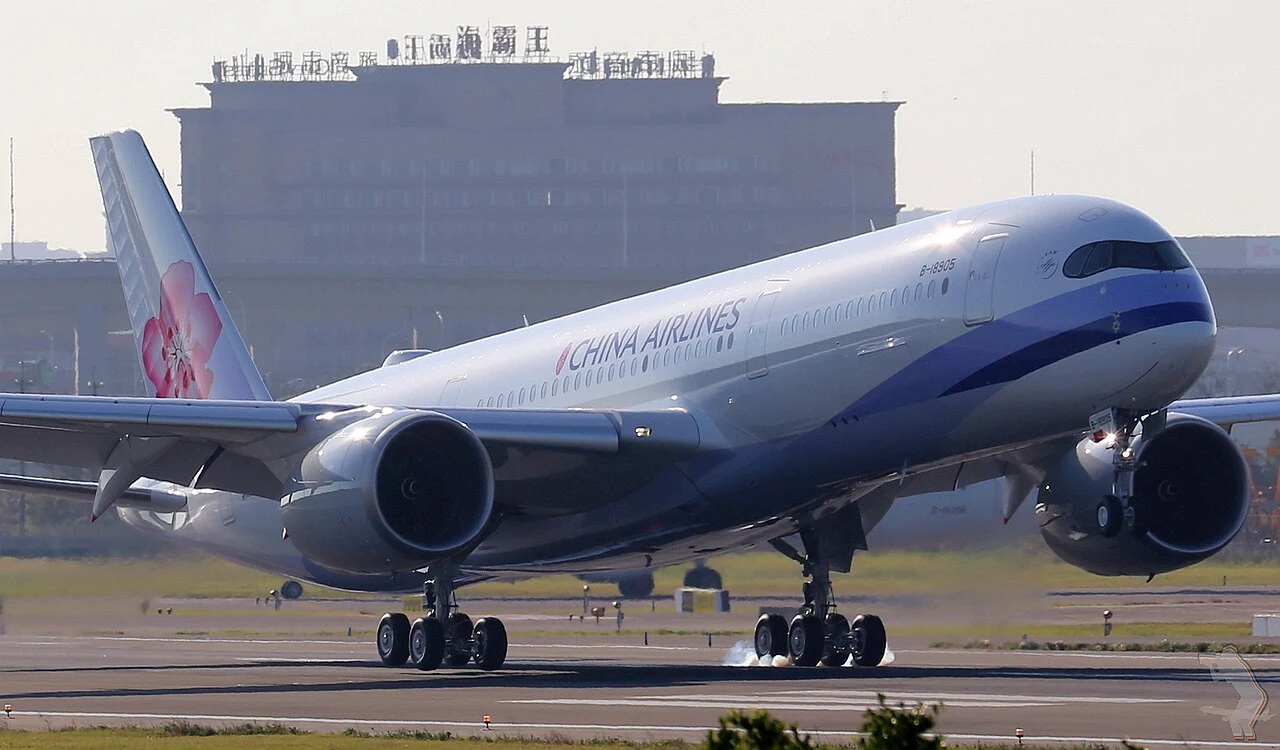
All in All
None of the big three has yet confirmed a date for its formal half-year results, though Cathay’s August 5 report is expected to offer an early read on how the wider region is performing. HSBC’s research points to a possible tailwind ahead: July domestic fuel prices were cut 30% from their May peak, with further cuts expected in August.

_China_Eastern_Airlines_Comac_C919-100ER_B-919A_@_Singapore_Airshow_2024-02-25_(1).jpg)
.jpg)
.jpg)
_-_China_Eastern_Airlines_panorama_LGW_120225.jpg)
_@_TPE,_Dec_2016_(02).jpg)