The New Terminal One at John F. Kennedy International Airport (JFK) named Tata Consultancy Services (TCS) as its strategic technology and innovation partner on July 14, 2026.
The announcement was made jointly from New York and Mumbai through a press release on PR Newswire, describing TCS as a global leader in IT services, consulting, and business solutions. TCS will build the digital systems behind passenger processing, baggage handling, and terminal security at the new international terminal.
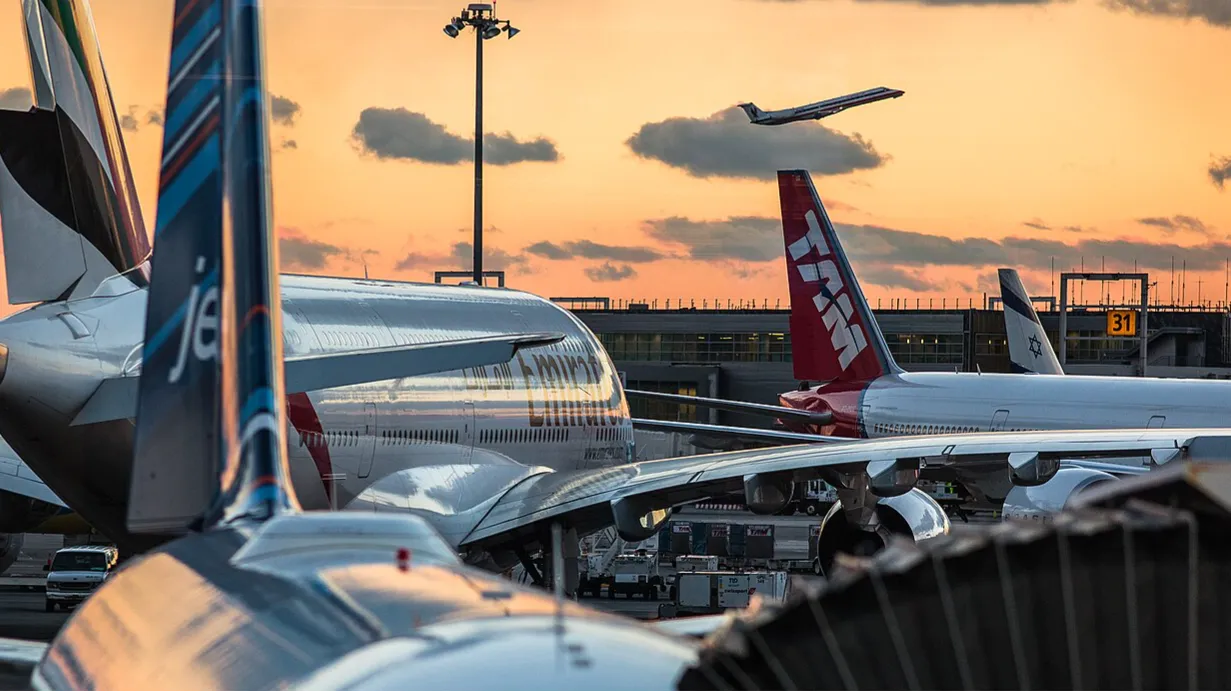
The deal covers the entire New Terminal One project, which forms part of the Port Authority of New York and New Jersey’s $19 billion plan to rebuild JFK Airport with two new terminals, two modernized terminals, a new ground transportation center, and a redesigned roadway network.
TCS will design the digital infrastructure meant to lower airline operating costs and improve the passenger journey through the terminal. The partnership was confirmed the same day TCS reported its quarterly earnings, and both events moved TCS shares on the Indian stock market.
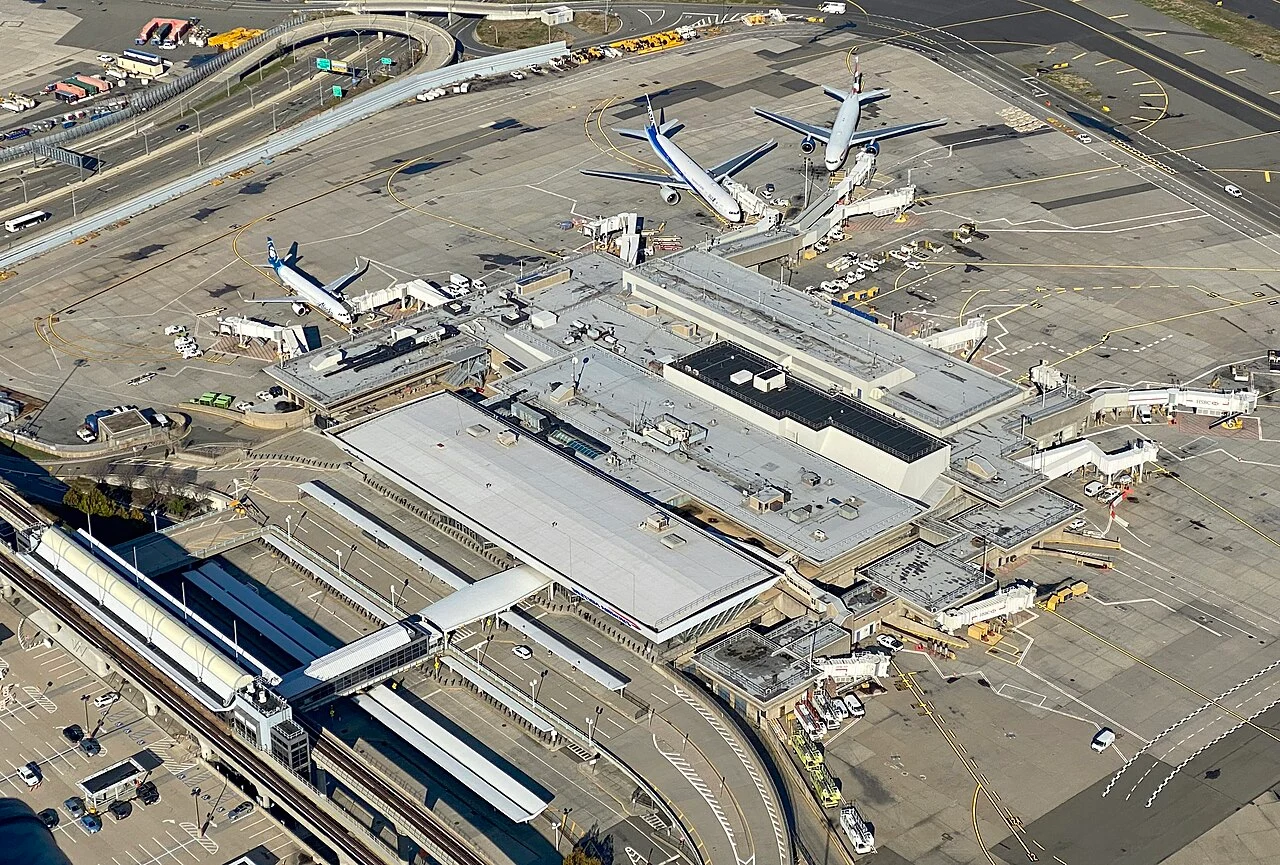
What TCS Will Actually Build at the Terminal
TCS will support all technology systems at the terminal, including passenger processing systems, AI-driven IT operations, infrastructure management, enterprise application support, and cybersecurity services. The company will draw on two of its existing platforms to run these systems.
The scope includes several linked functions:
- Passenger processing systems for check-in, security, and boarding
- AI-driven IT operations built on TCS’ ignio platform
- Infrastructure management and enterprise application support
- Cybersecurity services covering the terminal’s digital network
- Cognix-based tools for guest experience and personalization
The solutions, developed with TCS’ Cognix and ignio platforms, will give the New Terminal One and its partner airlines end-to-end visibility and proactive management of passenger processing, baggage handling, and terminal security. This single-system approach replaces the separate legacy platforms that most airport terminals still run today.
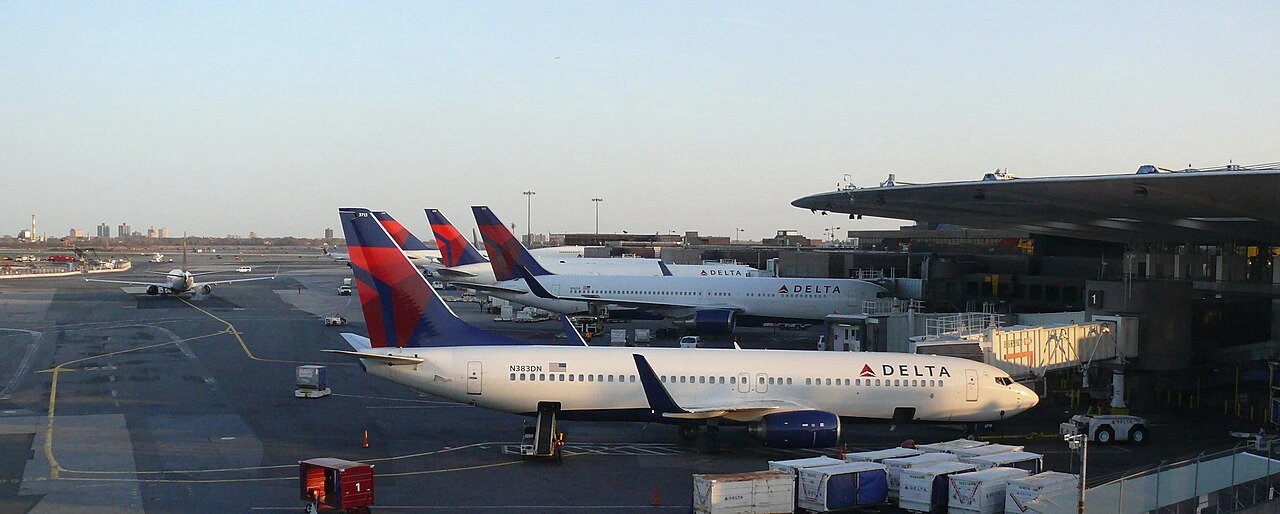
Executives Frame the Deal as a Guest Experience Play
Jennifer Aument, Chief Executive Officer of The New Terminal One, said “New York City and global travelers deserve an international airport terminal” that matches the world’s best facilities, according to the PR Newswire release. She tied the partnership directly to the terminal’s ambition to set new standards in operations and innovation.
Amit Bajaj, President of North America at TCS, placed the deal inside a wider industry shift. He said “airports are evolving into dynamic consumer ecosystems where operations, hospitality, retail and personalization work” together in real time, according to the same release. Bajaj added that AI will help the terminal become a state-of-the-art experiential zone designed to attract and retain global travelers.

The Business Case Behind the TCS Contract
The partnership rests on TCS’ Travel, Transport, and Hospitality practice, which works with airlines, hotels, and logistics providers to build interconnected digital ecosystems. The unit uses artificial intelligence, cloud-native infrastructure, and prescriptive analytics to modernize legacy systems for its clients.
TCS shares rose on the announcement, extending a rally already underway. Shares climbed around 5% over five trading sessions after the company posted its first-quarter earnings alongside the JFK news and a separate partnership with ABB. TCS confirmed the JFK deal through an NSE filing describing itself as the strategic technology and innovation partner to the New Terminal One.
TCS positions itself as pursuing a goal of becoming the world’s largest AI-led technology services company, enabling clients to transform across the full AI stack from infrastructure to intelligence. The company generated consolidated revenues of more than $30 billion in the fiscal year ended March 31, 2026, and operates from 194 delivery centers across 56 countries.
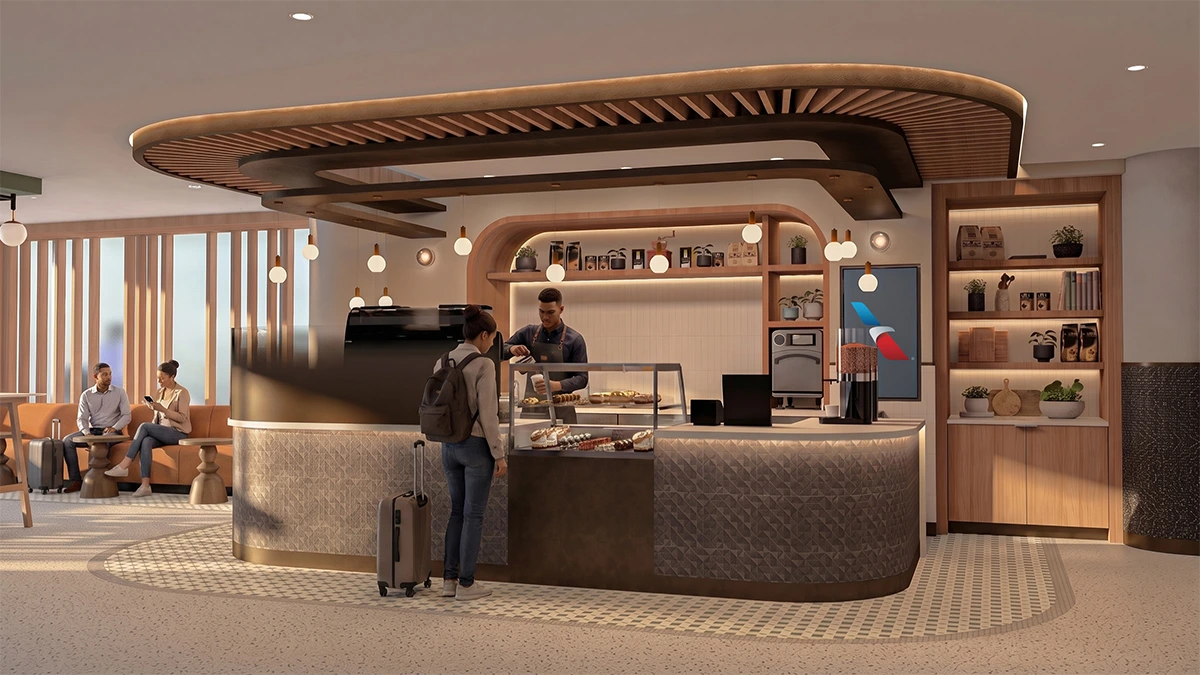
How This Fits the Wider New Terminal One Build-Out
The TCS deal is one of several technology partnerships The New Terminal One has struck ahead of its opening. In February 2026, the terminal launched Enhanced Passenger Processing with U.S. Customs and Border Protection (CBP), a biometric system for verifying the identity of returning citizens.
Marisa Von Wieding, Vice President of Operations at The New Terminal One, said “technology and innovation are central to New Terminal One’s mission to redefine the travel” experience, according to a PR Newswire release on the CBP partnership.
The terminal also partnered with TCR to launch the world’s first centralized fleet of all-electric ground support equipment, pairing its technology ambitions with a sustainability push.
What Comes Next for New Terminal One And TCS
The New Terminal One is still under construction as part of the Port Authority’s wider JFK transformation, and airlines including Air Europa and Saudia have already committed to operating from the facility once it opens.
TCS will now begin integrating its Cognix and ignio platforms into the terminal’s build-out, a process that typically runs in phases alongside construction rather than as a single launch event. Airlines operating from the terminal are expected to benefit from lower IT overhead once the shared digital infrastructure goes live.
Neither company disclosed the financial value of the technology contract. The terminal has stated its ambition to reach a top 5-star Skytrax rating, a benchmark held by a small number of airports worldwide, and the TCS partnership is presented as a central part of reaching that goal.
.jpg)

