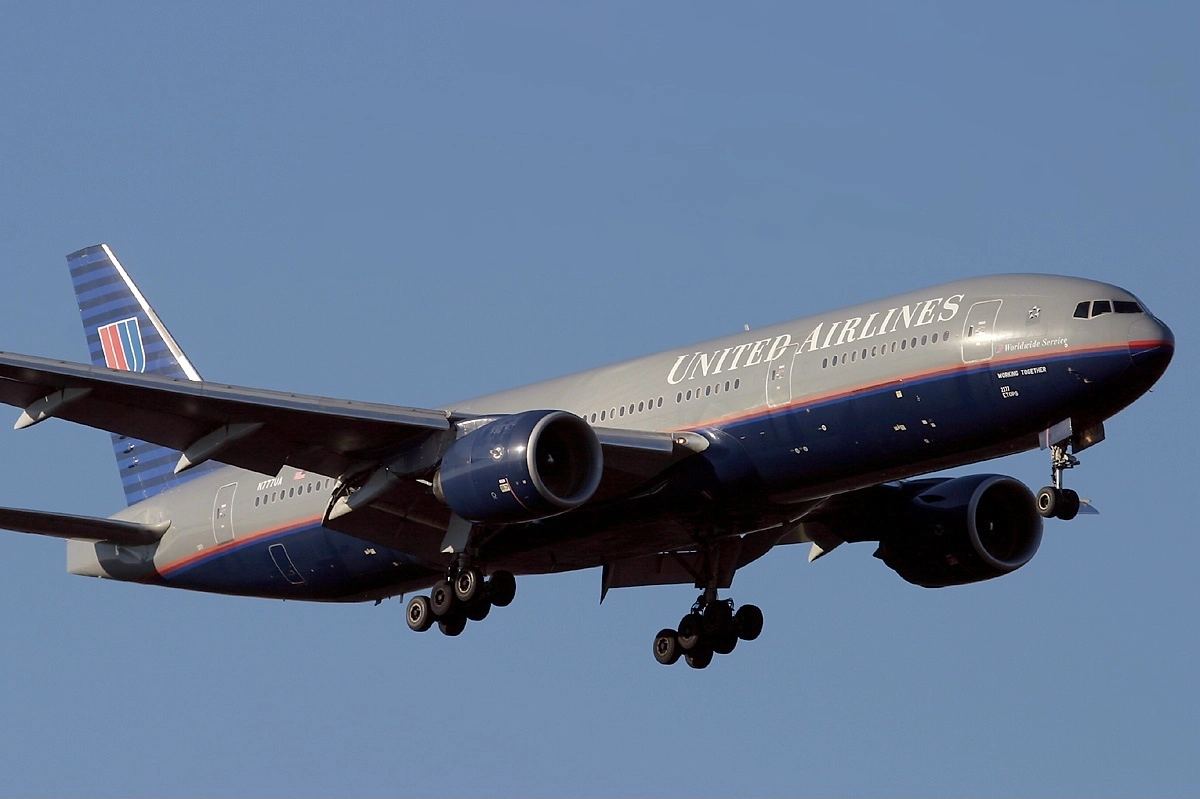
A photograph of a United Airlines (UA) Boeing 777-200 taken at San Francisco International Airport (SFO) has fueled widespread discussion online after a passenger claimed it showed what appeared to be a crack near the aircraft’s wing root before departure.
The image, which quickly circulated across social media, prompted thousands of reactions, with many users questioning the aircraft’s condition and whether it should have been allowed to depart for Chicago O’Hare International Airport (ORD). However, aviation specialists cautioned that photographs alone are insufficient to determine whether an aircraft has suffered structural damage.
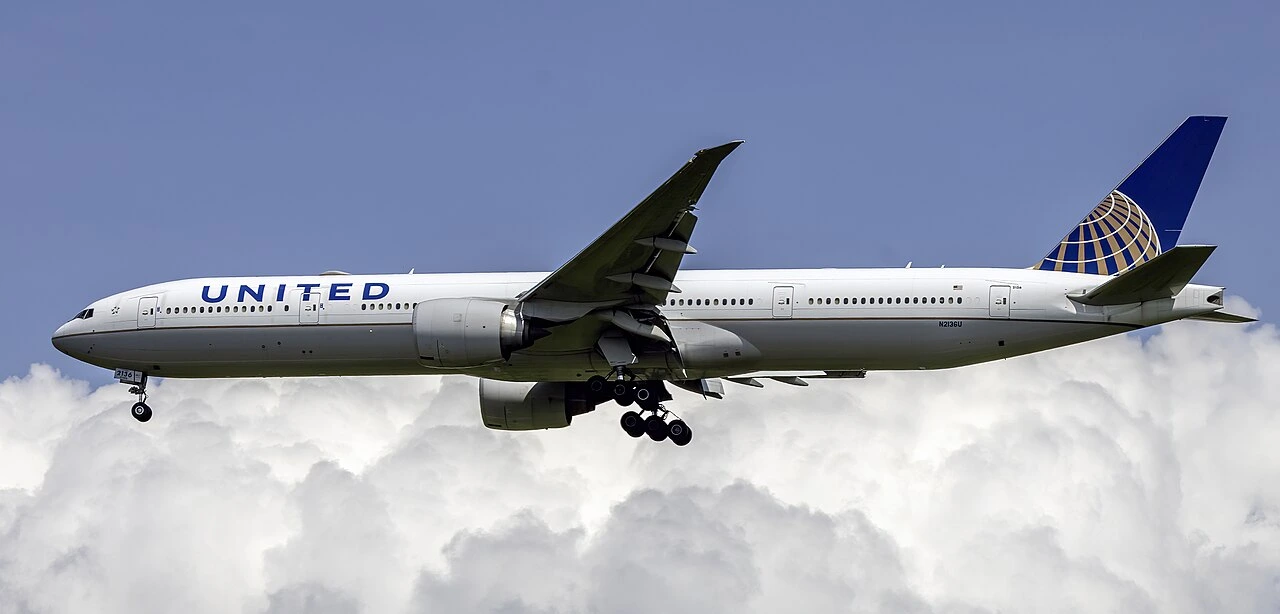

Passenger Raised Concern Before Flight Departed
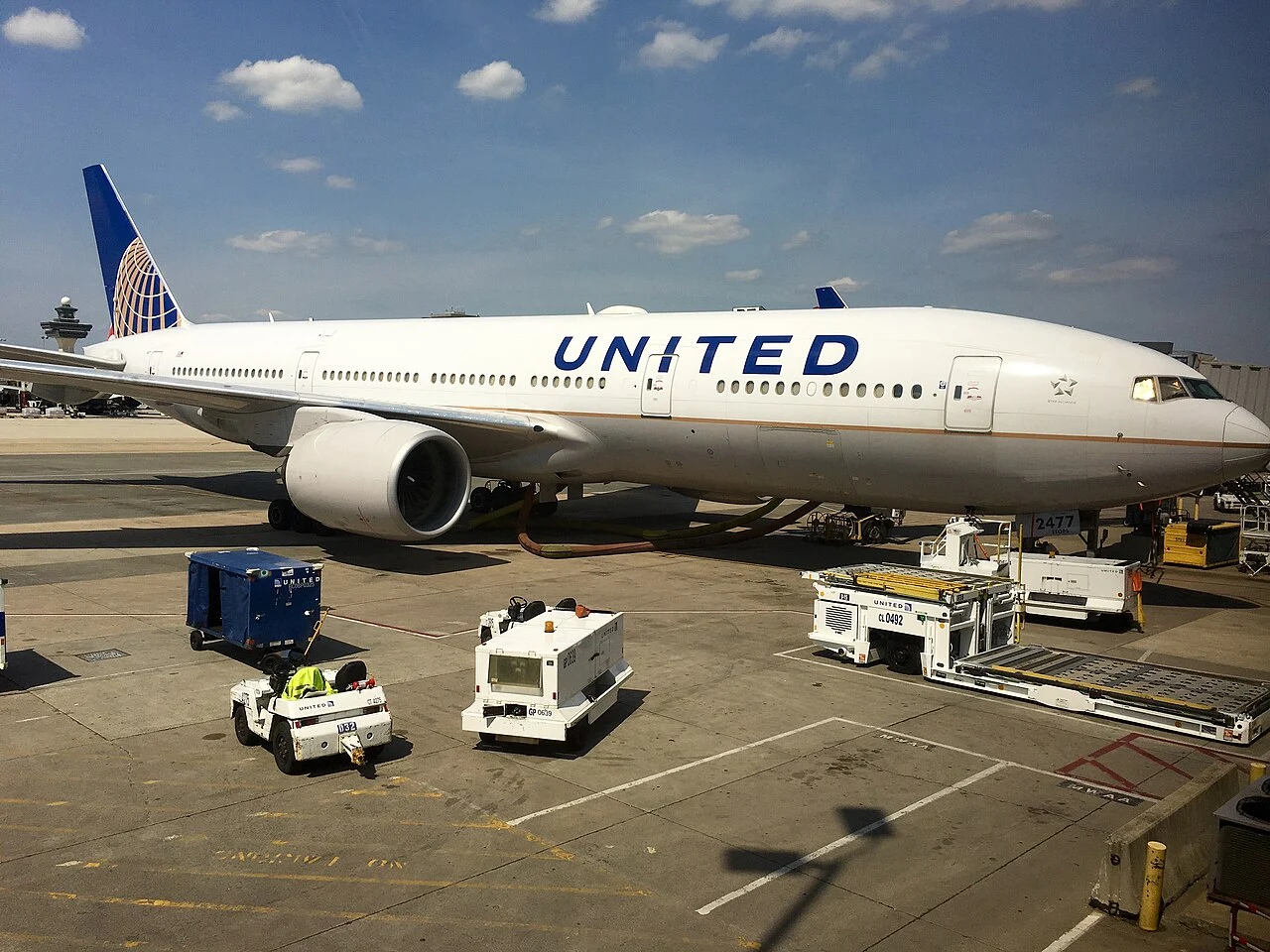
The image was shared by Lauren Self, who said she noticed what appeared to be a crack while observing a United Boeing 777-200 parked at the gate. Flight tracking information and fleet records indicate the aircraft was likely registered as N779UA, one of United’s earliest Boeing 777-200s that entered service during the mid-1990s.
Although Self was not traveling on the United flight, she was departing San Francisco aboard a Southwest Airlines (WN) aircraft. Concerned by what she believed she had seen, she showed the photograph to the pilots operating her own flight.
According to her social media post, the Southwest pilots attempted to alert United personnel before departure but were unable to contact the appropriate ground staff in time.
She wrote:
“I showed the pilots on the Southwest flight I was on. ‘Uhh, that’s not good. We need to get that grounded immediately.’ They tried to get UA to get it back to the gate, but couldn’t get to ground staff in time. So now it’s flying :(.”
The post rapidly gained attention, with many commenters expressing concern that a 30-year-old aircraft was continuing to operate scheduled passenger flights.
United has not publicly commented on the image, and there has been no indication from the Federal Aviation Administration (FAA) or other regulators that the aircraft was involved in a reportable safety event.
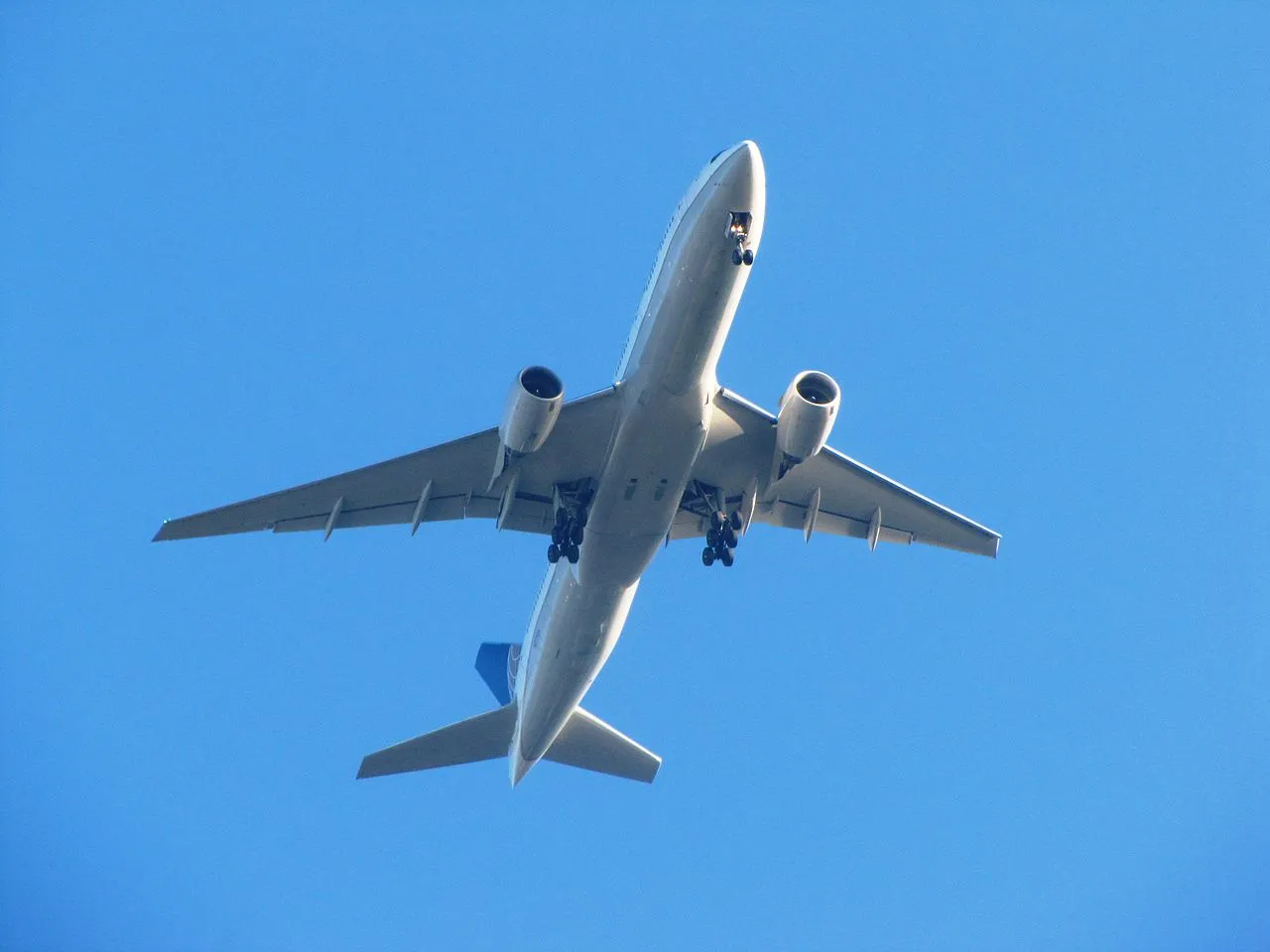

Experts Say One Photograph Cannot Confirm Structural Damage
As the image spread online, experienced pilots, aircraft mechanics and aviation enthusiasts urged caution before drawing conclusions.
They noted that many external aircraft components—including fairings, access panels, composite covers and sealant joints—can appear damaged depending on lighting, viewing angle and image quality. Shadows, paint seams and panel gaps are frequently mistaken for cracks in photographs taken through terminal windows or from nearby aircraft.
Without a detailed inspection by licensed maintenance personnel, it is impossible to determine from a single image whether an aircraft has experienced structural damage or whether the feature is simply part of the aircraft’s normal construction.
For that reason, aviation professionals stressed that photographs should not be treated as evidence of an airworthiness issue.
_@_Washington_Dulles,_2016.jpg)
Older Aircraft Continue Flying Under Strict Maintenance Programs
Much of the online discussion focused on the aircraft’s age rather than the alleged defect.
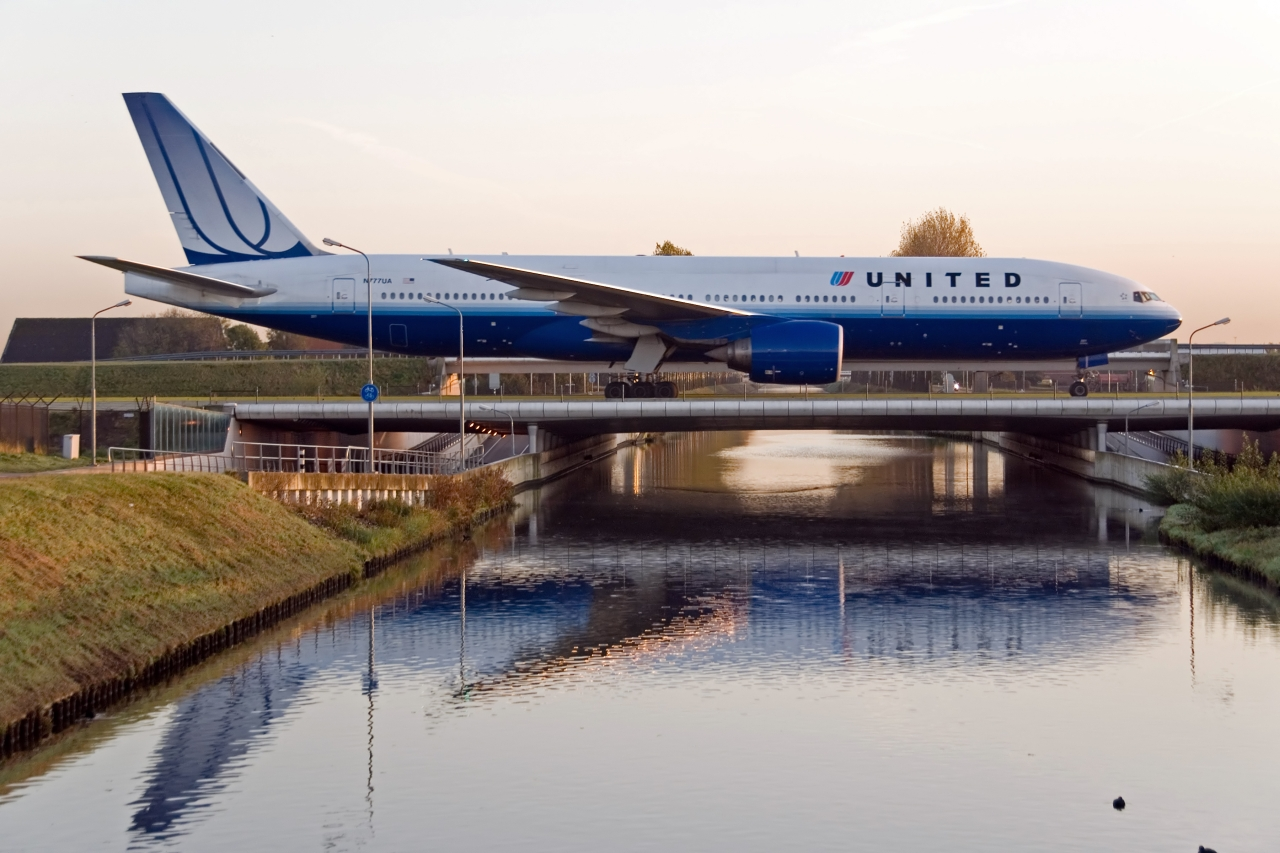
The Boeing 777-200 entered commercial service in 1995, and numerous early-production examples remain in active service with airlines around the world. Commercial aircraft are not retired solely because they reach a certain age.
Instead, airlines operate aircraft under maintenance programs approved by aviation authorities. These include routine inspections, scheduled A, C and D maintenance checks, structural examinations and mandatory inspections required under Airworthiness Directives.
Any component showing unacceptable fatigue, corrosion or wear must be repaired or replaced before the aircraft is cleared for service.
Consequently, an aircraft’s age alone is not considered an indicator of its safety or airworthiness.
.jpg)
Social Media Amplifies Aviation Concerns
The incident highlights how quickly images of commercial aircraft can spread online, particularly at a time when aviation safety remains under close public scrutiny.
Photos and videos shared by passengers often generate immediate speculation long before airlines or investigators have an opportunity to examine the aircraft involved. While such posts can draw attention to potential concerns, they rarely provide enough evidence to establish whether a genuine safety issue exists.
Historically, confirmed structural problems involving commercial aircraft have been investigated using physical inspections, engineering analysis, maintenance records and flight data—not passenger photographs.
The National Transportation Safety Board (NTSB) and FAA have followed this process during previous United Boeing 777 investigations, including high-profile engine failures, before publishing official findings.

No Evidence of an Airworthiness Issue
At present, there is no verified evidence that the Boeing 777 departed San Francisco with a structural defect or experienced any operational problems during its flight to Chicago.
Neither United Airlines nor aviation regulators have announced an inspection, investigation or enforcement action related to the photograph.
Until additional information becomes available, the image remains an unverified social media claim rather than confirmation of a safety concern.
The episode nevertheless demonstrates the growing role of social media in aviation, where passenger observations can quickly attract widespread attention—even as definitive conclusions continue to depend on certified inspections and regulatory oversight rather than a single photograph.