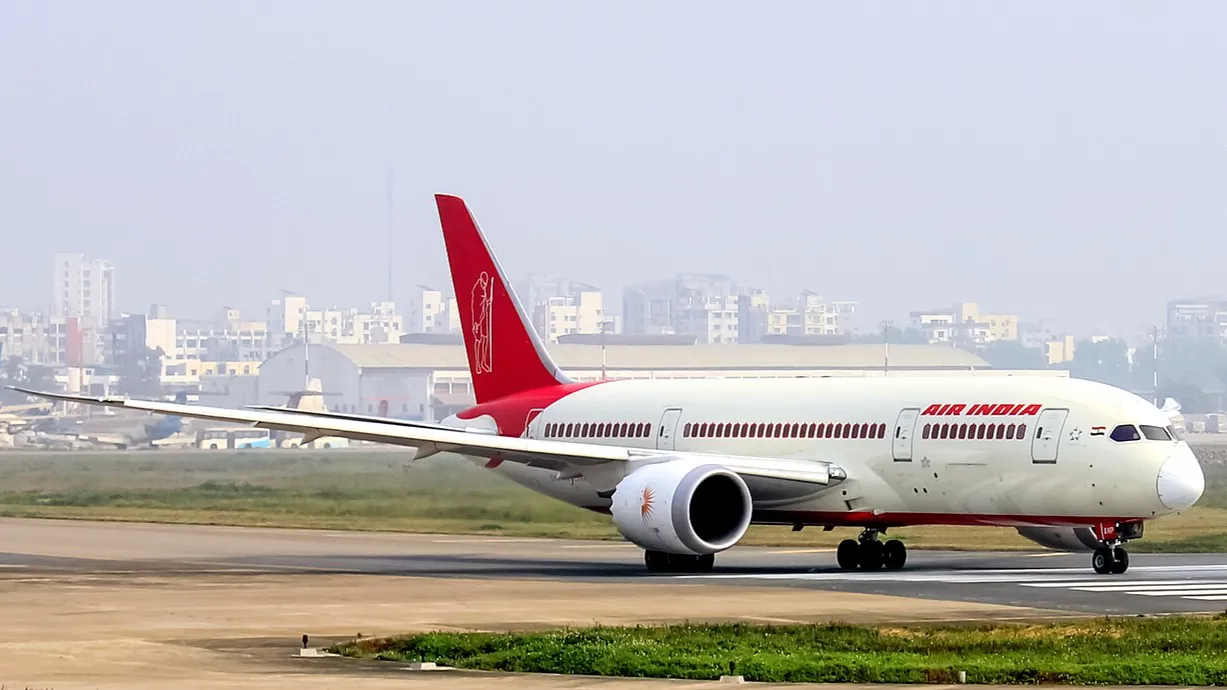
Air India (AI) has secured approval from India’s Directorate General of Civil Aviation (DGCA) to use Electronic Technical Logbooks (ETL) as the primary technical document for its Boeing 787 fleet, with parallel implementation authorised across its Boeing 777 fleet. The approval was confirmed on 13 July 2026 and makes Air India one of the first airlines to complete a fleet-wide ETL rollout across an entire Boeing 787 widebody fleet.
The Electronic Technical Logbook replaces paper-based maintenance records with a secure digital platform that shares information in real time between maintenance engineers, flight crews and operational teams. Air India said the system is designed to speed up defect reporting and rectification, strengthen regulatory compliance, and support its wider sustainability goals by cutting paper use. The rollout drew on engineering, flight operations and digital technology teams working alongside Boeing and the regulator.
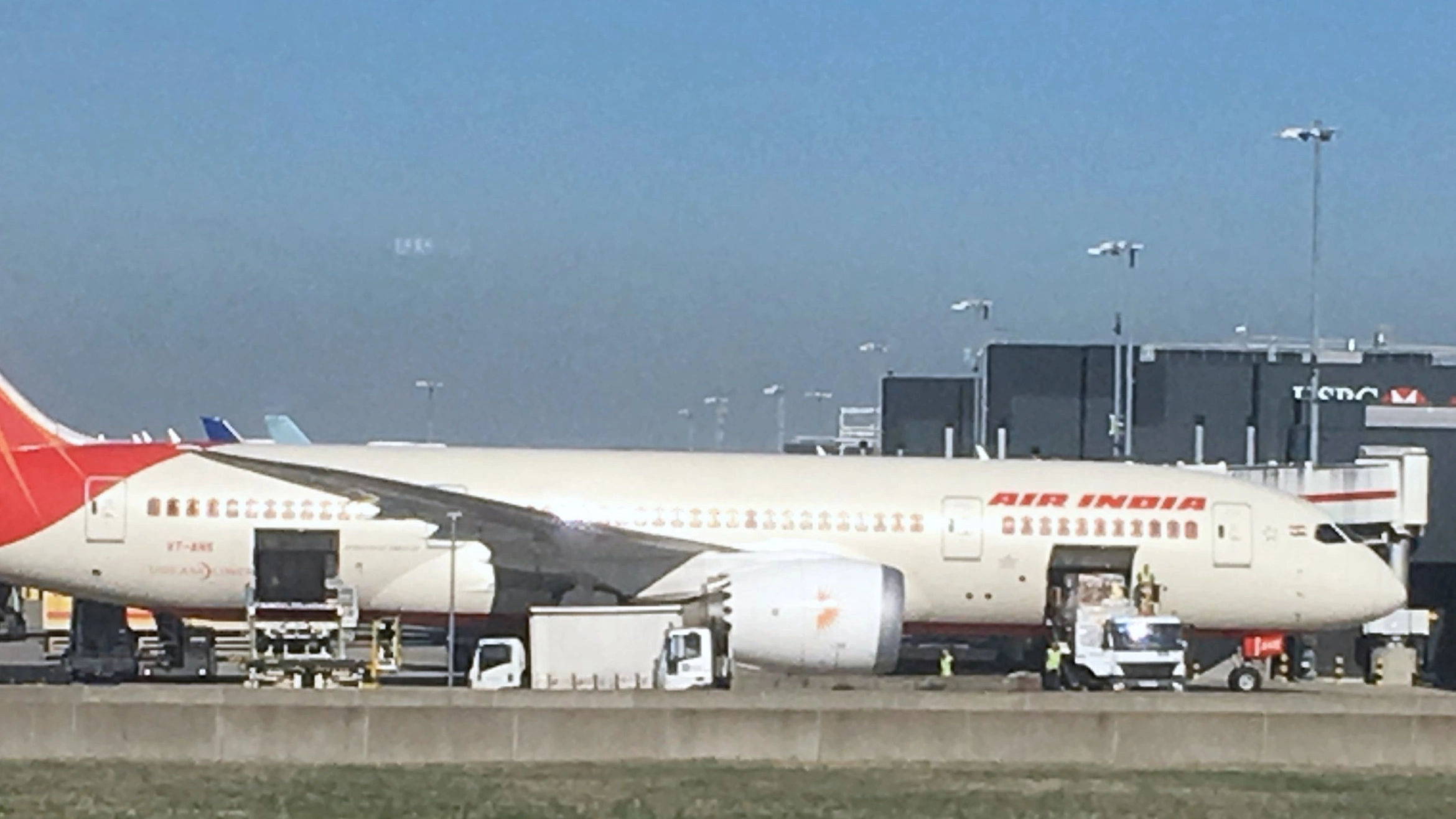
Air India Becomes One of the First Carriers with Fleet-Wide 787 ETL
With DGCA approval now in place, Air India has completed Electronic Technical Logbook implementation across its entire Boeing 787 fleet, a milestone the airline frames as part of its broader transformation programme under Tata Group ownership. The carrier said the achievement reflects continued investment in digital tools to modernise its engineering and maintenance operations while maintaining regulatory compliance.
Parallel implementation has also been authorised across the Boeing 777 fleet, meaning both of Air India’s widebody Boeing types will eventually run on the same digital maintenance platform. The airline has not disclosed a completion date for the 777 rollout.
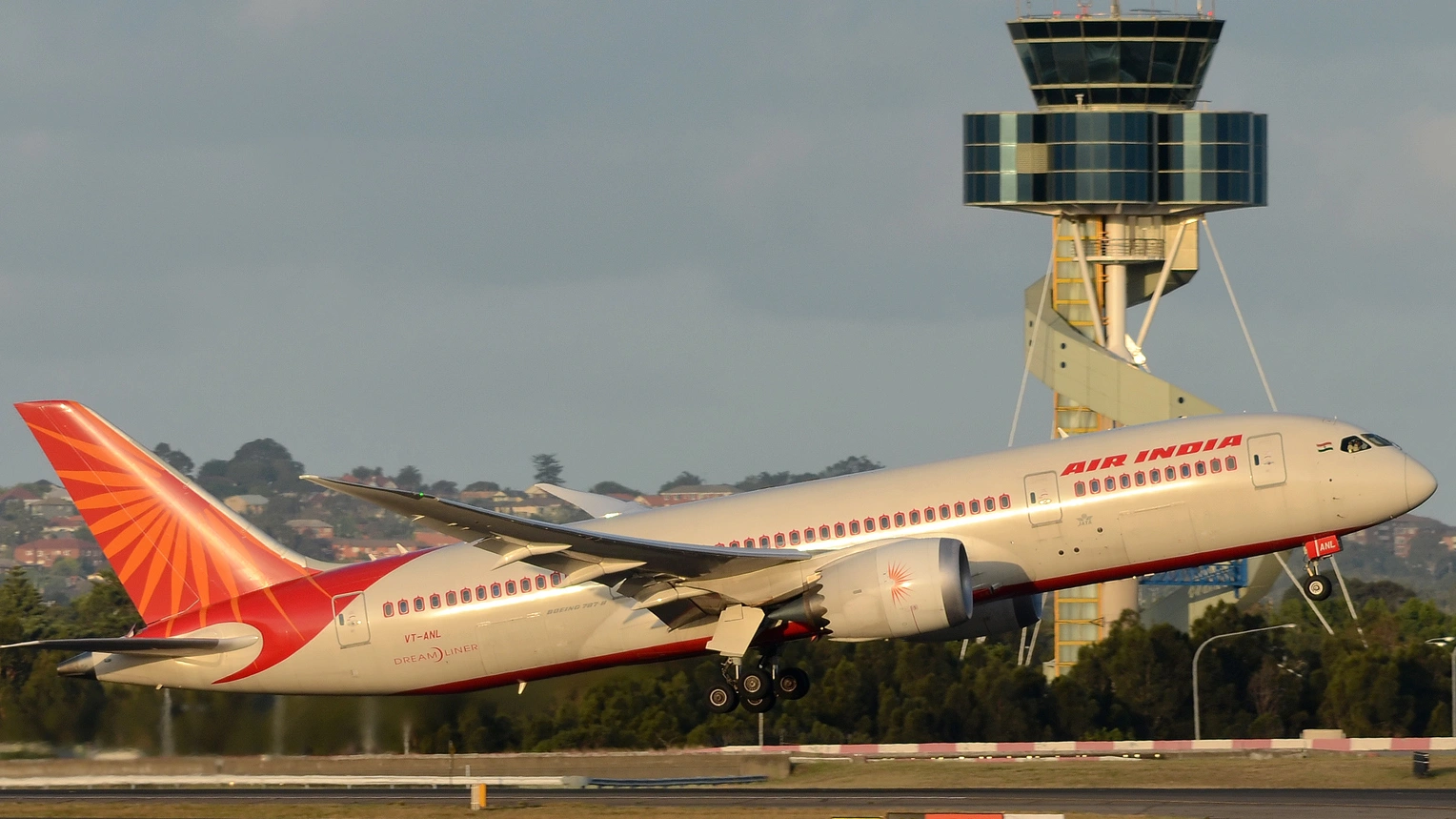
How The Electronic Technical Logbook Works
The ETL platform digitises functions that were previously recorded on paper across multiple logs. Its core capabilities include:
- Real-time information sharing between maintenance engineers, flight crews and operational teams
- Faster defect reporting and rectification, supporting improved aircraft dispatch reliability
- Enhanced data integrity and traceability, strengthening regulatory compliance records
- Advanced analytics that support predictive maintenance and engineering decision-making
- Reduced paper consumption, contributing to the airline’s sustainability targets
The shared, real-time view is intended to improve coordination between the ground and flight operations teams that previously relied on physical logbooks passed between crews and engineers.

Air India’s Engineering Leadership on the Rollout
Jeremy Yew Jin Kit, Senior Vice President of Engineering & Maintenance at Air India, credited the rollout to coordination across several departments. He said the project reaffirmed “collaborative work involving engineering, flight operations, digital technology teams, OEM partners and the regulator.”
The involvement of Boeing as an OEM partner in the rollout reflects a broader industry pattern, in which manufacturers work directly with airlines to integrate digital maintenance tools with aircraft systems rather than treating them as a standalone add-on.
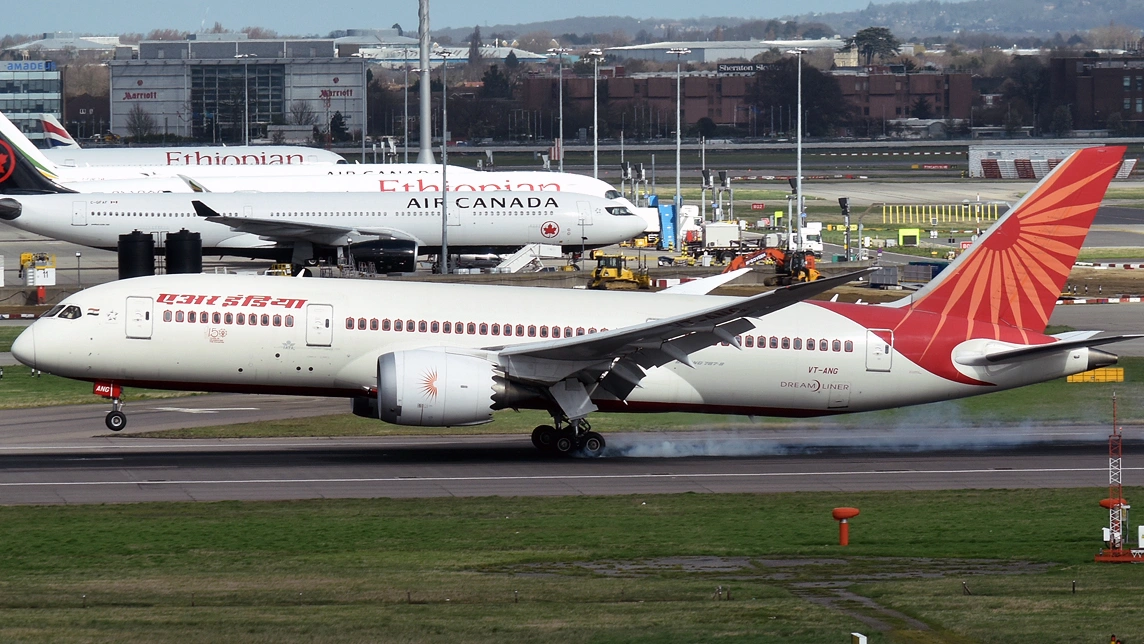
How India’s Airlines Compare on Digital Logbooks
Air India is not the first Indian carrier to move toward paperless operations, though its fleet-wide widebody ETL rollout is among the most complete announced so far. Other examples across the industry include:
- IndiGo (6E), India’s largest carrier, partnered with the DGCA’s eGCA platform to launch a Digital e-Logbook for pilots, becoming the first Indian airline to introduce the tool for flight-time record keeping.
- Vistara selected US-based Ultramain Systems for electronic logbook software and had planned to move its operations fully paperless.
- British Airways (BA) has operated Ultramain’s ELB software on its own Boeing 787 fleet since receiving approval from the UK Civil Aviation Authority in 2015, making it one of the earliest widebody ETL adopters globally.
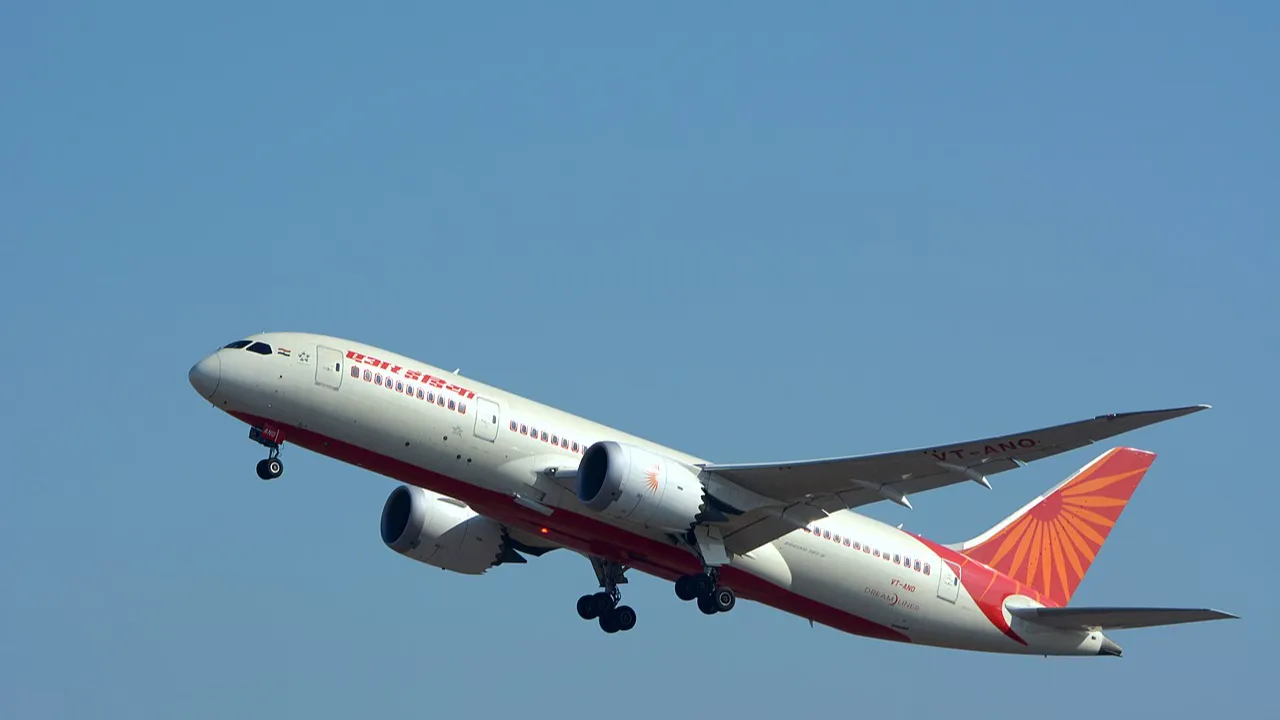
The DGCA’s Wider Digital Logbook Push
Air India’s approval sits within a broader regulatory push in India toward digital record-keeping. The DGCA introduced a centralised electronic logbook platform for pilots in 2021 through its eGCA portal, designed to minimise manual entry errors and simplify inspections and audits.
That pilot-facing eLogbook system is separate from the maintenance-focused ETL platform now cleared for Air India’s Boeing widebodies, but both reflect the same regulatory direction: replacing manual, paper-based aviation records with centralised digital systems that are harder to falsify and faster to audit.
All in All
Air India has framed the ETL rollout as one part of a wider vision to build what it calls a data-driven aviation business focused on operational performance and customer service. The airline has not given a timeline for extending the same digital-first approach to its narrowbody fleet.
With Boeing 777 implementation now authorised in parallel, Air India’s next milestone will be completing that rollout to match its Boeing 787 fleet, giving both widebody types a shared digital maintenance backbone as the airline continues its broader post-privatisation transformation programme.



.jpg)

.jpg)
