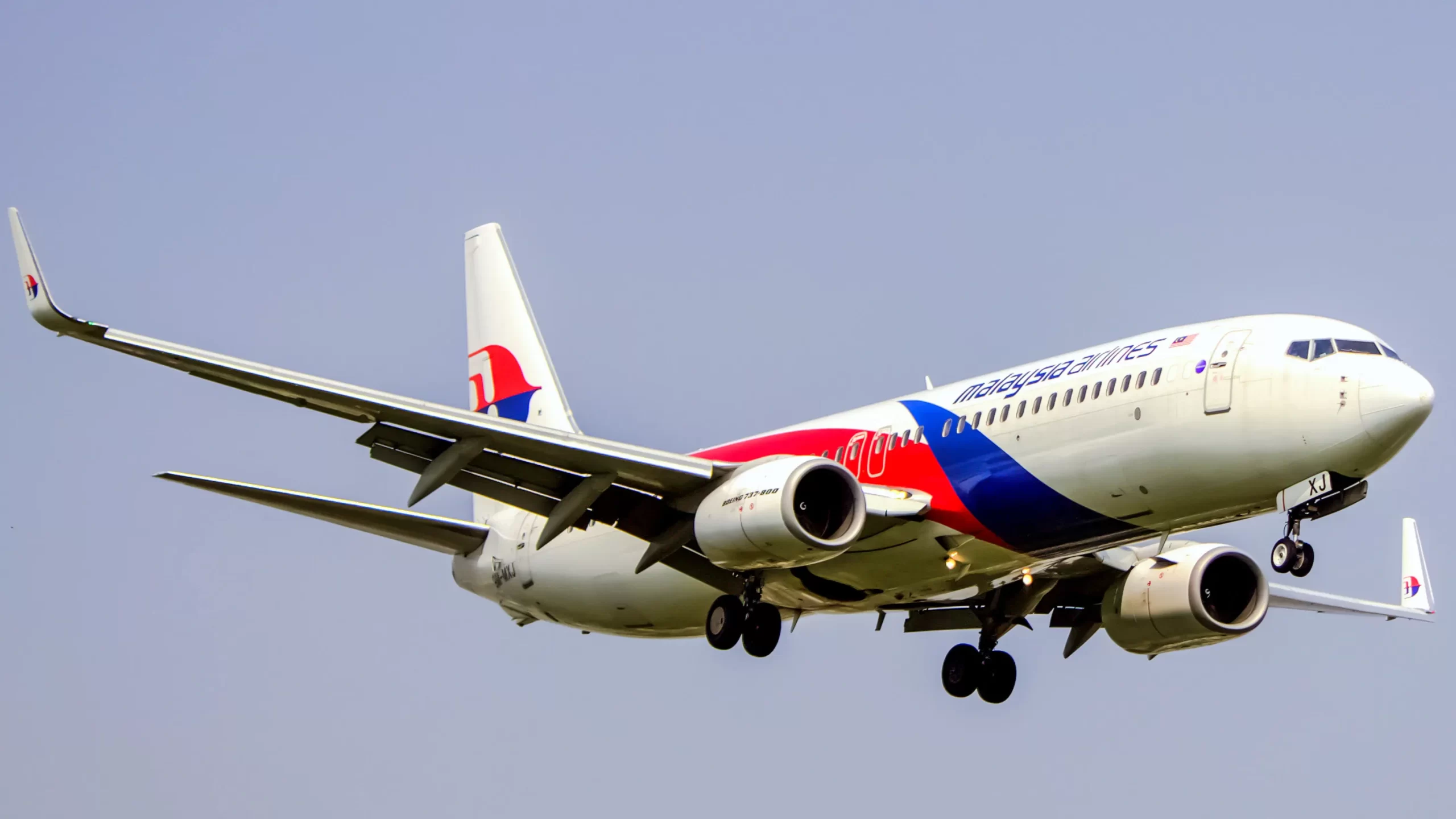
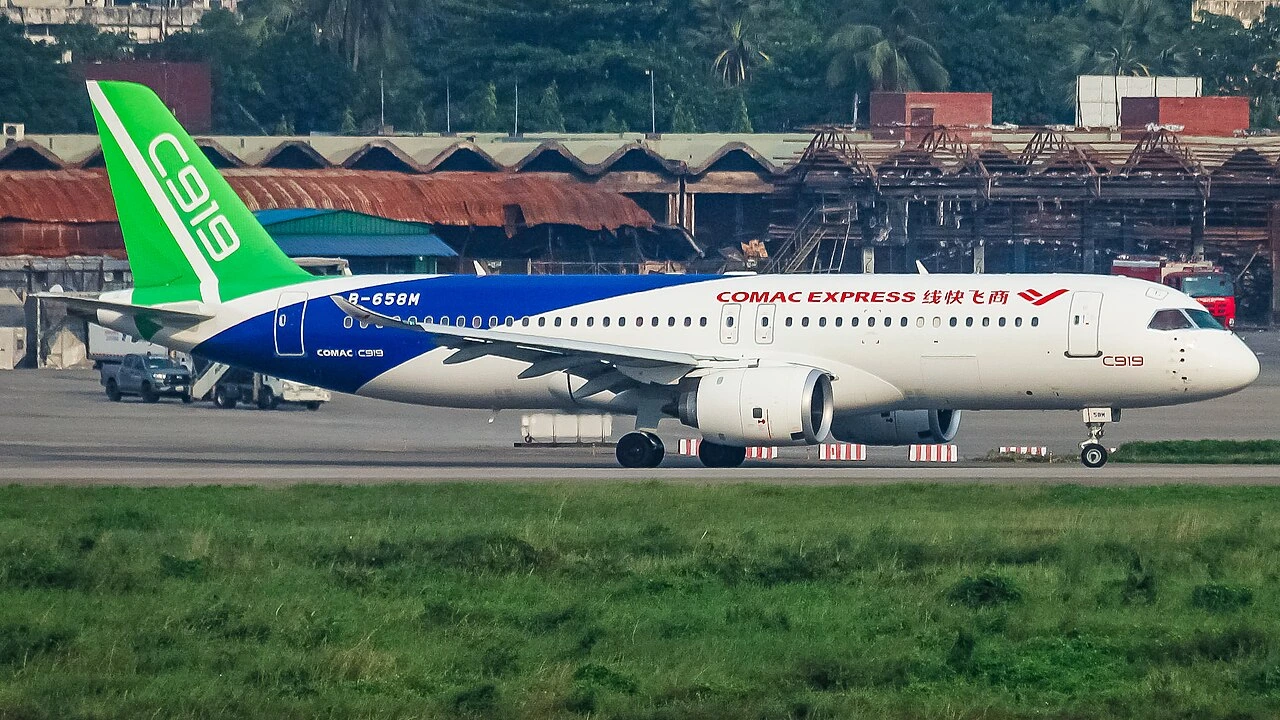
Malaysia Airlines (MH) is keeping China’s C919 narrowbody jet on its long-term fleet planning list, but the airline says it will wait for Western safety regulators to certify the aircraft before placing any order. Bryan Foong, chief executive officer of airline business at Malaysia Aviation Group (MAG), told the South China Morning Post that certification from Europe’s aviation regulator is the “preferred milestone” the carrier is watching for. He added that real opportunities for the jet could appear in 2035 or later.
The comments came in an interview published on July 13, 2026, and reflect a cautious stance from Malaysia’s national carrier toward the aircraft built by the Commercial Aircraft Corporation of China (Comac). Foong said certification matters because Malaysia Airlines needs the aircraft type to be accepted not just at home, but across the countries it flies to. That distinguishes Malaysia Airlines’ position from its low-cost sister carrier AirAsia, which has already gone further down the path toward a Comac order.
What Malaysia Airlines Said About the COMAC C919
Foong expressed confidence that the C919 will eventually clear European scrutiny. “I have no doubt that Comac will eventually receive European Union Aviation Safety Agency (EASA) certification,” he told the Post, adding that he hopes the US Federal Aviation Administration follows. He said the airline needs certification that is “ready and accepted by Malaysia and other countries” it serves before the C919 becomes a realistic option.
Foong tied the timeline for Malaysia Airlines’ interest to the broader trajectory of China’s aviation and economic ties with Malaysia and the wider Association of Southeast Asian Nations bloc. As those relationships deepen, he said, expectations around the C919’s certification will grow with them. That framing puts the decision on a longer horizon than the aircraft’s more enthusiastic backers in the region have suggested.
Why Western Certification Still Matters for the C919
Western certification carries weight beyond Malaysia Airlines’ own fleet decisions. Foong said many countries “rely on” the safety assessments carried out by EASA and the FAA before accepting an aircraft type into their own airspace and maintenance networks. Without that endorsement, an airline operating the C919 risks running into restrictions on where it can fly the aircraft internationally.
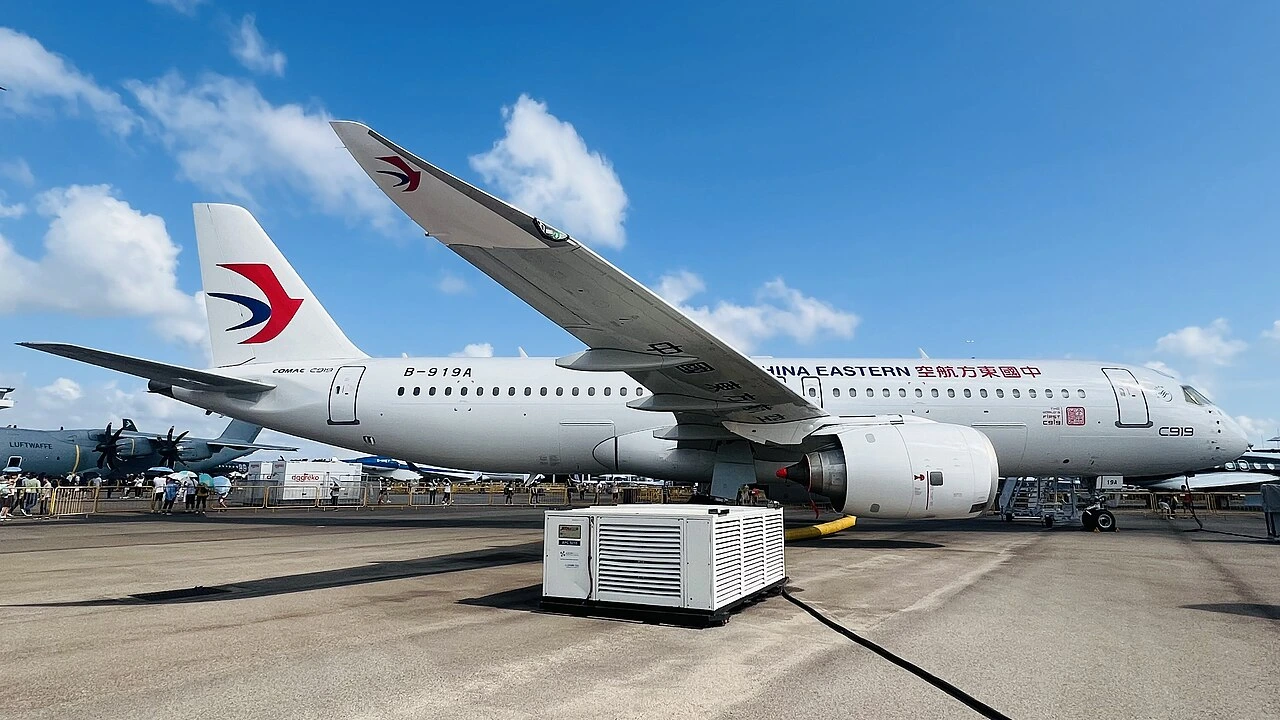
The C919 has held a type certificate from China’s Civil Aviation Administration (CAAC) since September 2022 and entered commercial service on its first scheduled flight in May 2023. That domestic certification has never been enough on its own to unlock sales outside China. Leasing companies and airlines outside the country have consistently said they need EASA or FAA validation before adding the type to their fleets.
How Far Away is EASA Certification for the C919
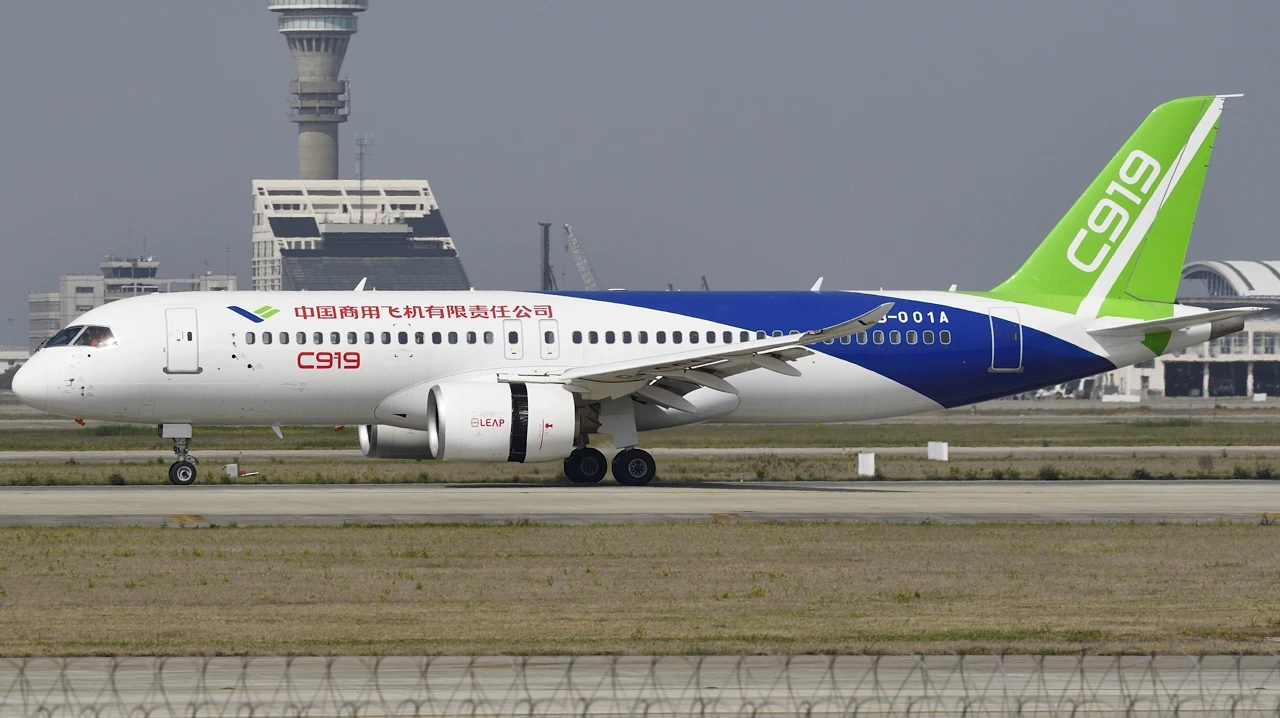
The certification process has moved slowly and repeatedly missed its own targets. Comac originally hoped for EASA approval by 2025, but EASA Executive Director Florian Guillermet said the timeline had slipped to three to six years, pushing a realistic approval date to somewhere between 2028 and 2031. EASA test pilots have since been stationed in Shanghai for extended periods, running the aircraft through the third of four certification phases.
That stage involves in-flight testing and technical validation, and EASA officials have visited Comac’s Shanghai assembly facilities directly to review production standards. Progress has been real but incremental, and geopolitical friction between China and the West has added further uncertainty to the schedule. Comac has not pursued FAA certification at all, a decision tied partly to the manufacturer’s placement on a Pentagon list of companies linked to China’s military.
AirAsia’s More Advanced Talks with COMAC
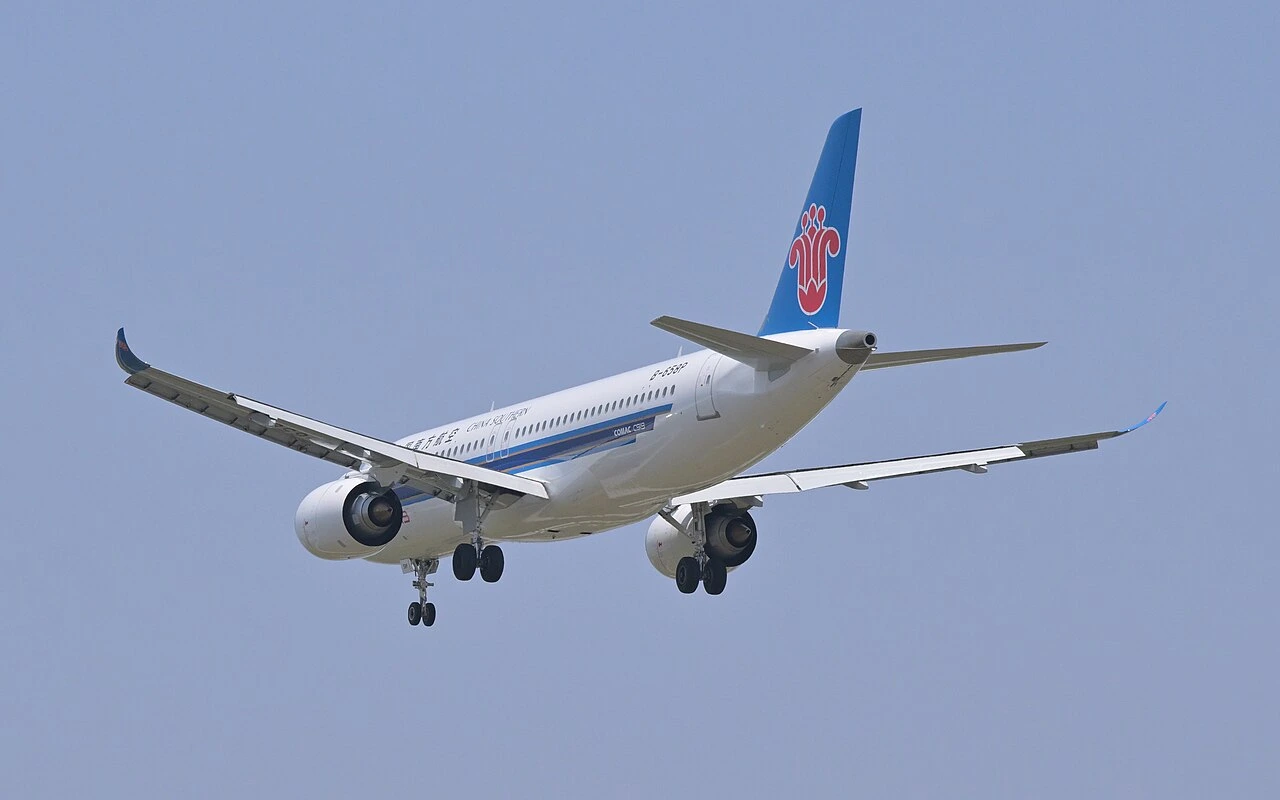
Malaysia Airlines’ caution stands in contrast to its low-cost counterpart. AirAsia’s parent company, Capital A, has been in direct talks with Comac since at least September 2025, when chief executive Tony Fernandes told the Belt and Road Summit in Hong Kong that the airline was “in active discussions to buy the C919.” Fernandes has said pilot conversion training from AirAsia’s current Airbus fleet could take as little as one day.
Malaysia’s Transport Minister Anthony Loke has publicly encouraged Comac to market the aircraft more aggressively to build international confidence, telling the Post that even a small number of jets flown by a foreign carrier would mark a meaningful step toward international recognition for the aircraft. If AirAsia finalizes an order, it would become the first non-Chinese airline to operate the C919, a milestone Malaysia Airlines appears content to let its sister carrier reach first.
All in All
Southeast Asia’s airlines are looking at the C919 largely because Airbus and Boeing cannot keep up with regional demand. Both manufacturers face years-long delivery backlogs, and carriers across the region, including Malaysia’s Air Borneo and Indonesia’s Garuda, have held exploratory talks with Comac as a result. Lao Airlines has already taken delivery of two C919s, making it one of the aircraft’s few operators outside China.

_China_Eastern_Airlines_Comac_C919-100ER_B-919A_@_Singapore_Airshow_2024-02-25_(1).jpg)


