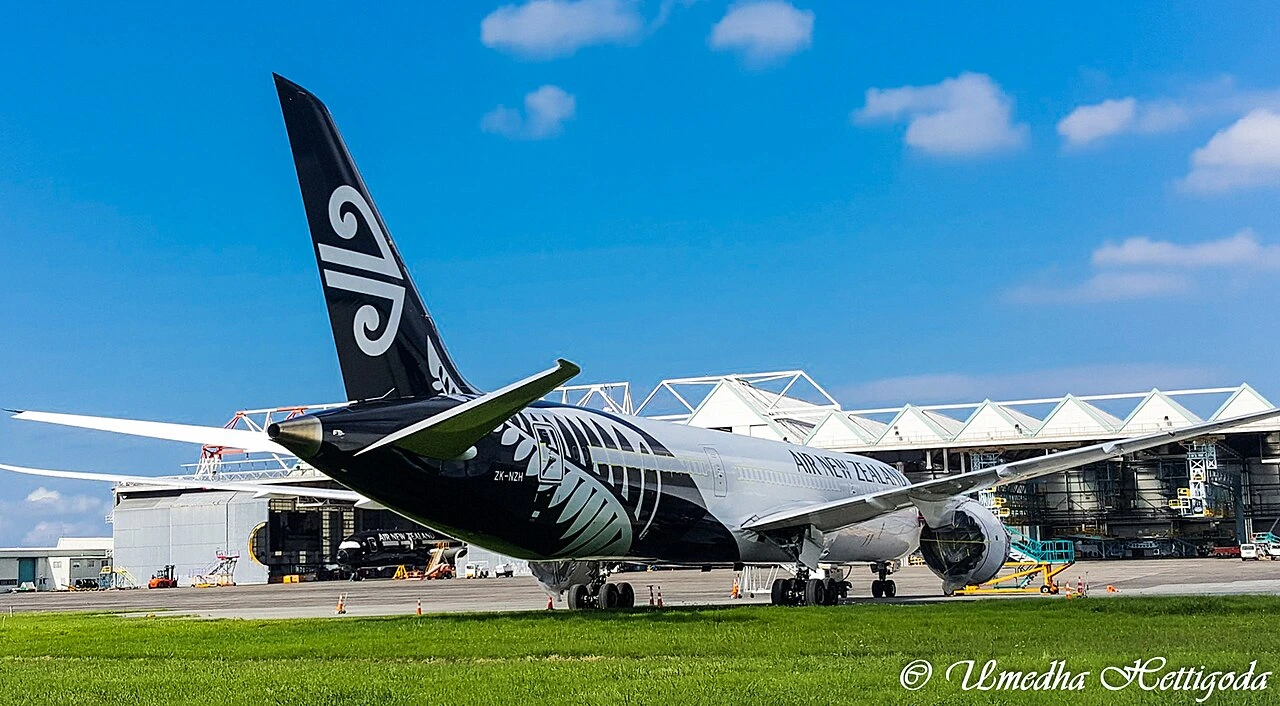
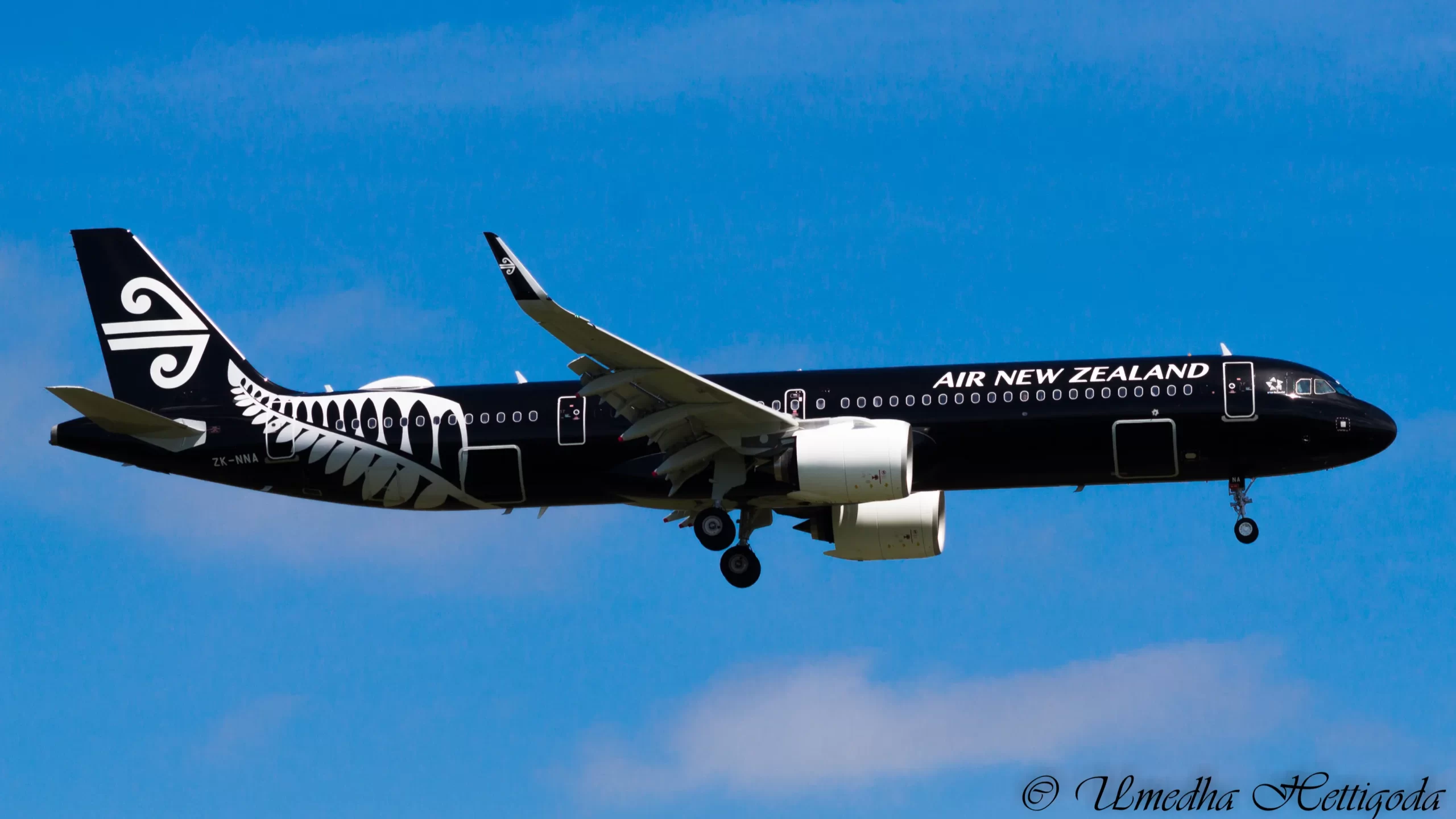
Air New Zealand (NZ) is working with Air India (AI) to build the foundations for a joint venture and, eventually, potential nonstop flights between the two countries. Chief executive Nikhil Ravishankar, who grew up in India before taking the top job at the New Zealand flag carrier, confirmed the airline is in active talks with Air India on a revenue-sharing deal that could form the basis for direct service by either carrier. Ravishankar says Air New Zealand is working with Air India to establish a joint venture deal, where revenue can be shared, and provide the foundations for what could develop into direct flights by one of the airlines.
The push comes as trade and diplomatic ties between the two countries deepen. During a visit to India in March last year by Prime Minister Christopher Luxon, both countries committed to explore non-stop flights, and Ravishankar says this remains a work in progress. No launch date has been set, and any new route would still need regulatory sign-off in both countries before an aircraft could be committed to the market.
Why Air New Zealand’s CEO Sees India through a Personal lens
Ravishankar’s connection to the route is not purely commercial. He grew up in what he describes as the “Dunedin of India,” a description he uses for Bengaluru, the city formerly known as Bangalore. That upbringing gave him a front-row view of how India’s fast-growing IT sector reshaped the wider economy around him.
He has also carried that outlook into how he frames New Zealand’s relationship with India more broadly. Ravishankar describes India and New Zealand as sharing a similar national temperament, calling both countries “introverted,” “humble,” and relationship-based. He argues that engaging with India directly, rather than only through intermediaries, produces stronger long-term partnerships, even if it takes longer to show results.
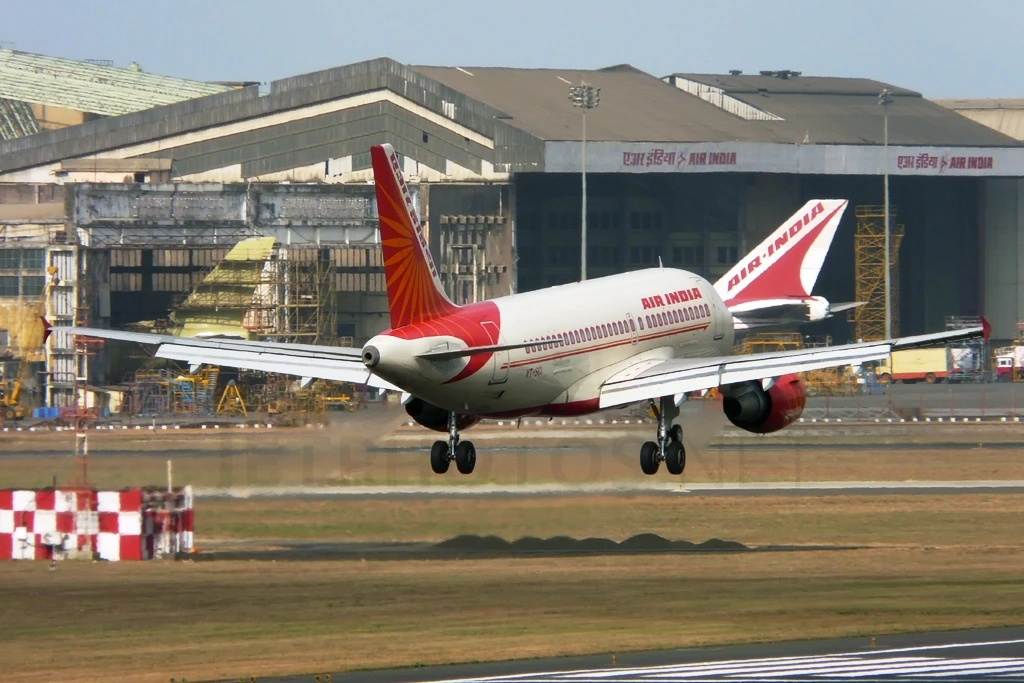
Air New Zealand and Air India are Building a Joint Venture Before any Nonstop Flight
Rather than jumping straight into scheduling a new route, Air New Zealand is treating the joint venture negotiation as the first real step. A joint venture would let the two carriers coordinate schedules, share revenue, and effectively treat connecting itineraries as a single combined product rather than two separate bookings. That structure typically requires both airlines to file applications with aviation regulators in their respective countries, a process that can take considerable time to clear.
The current relationship between the two airlines already runs deeper than a simple ticketing agreement. Air New Zealand and Air India signed a memorandum of understanding in March 2025 that expanded codeshare cooperation across 16 routes, letting passengers from Delhi (DEL), Mumbai (BOM), Bengaluru (BLR), and Chennai (MAA) book onward journeys to New Zealand on a single ticket. Those connections currently route through hubs including Singapore, Sydney, and Melbourne rather than flying nonstop.
Wikimedia Commons
What an Auckland–Delhi or Auckland–Mumbai Route Could Look Like
Industry reporting has narrowed the likely shape of a future nonstop service, even without a confirmed launch date. According to Outlook Traveller, the leading scenario involves the following:
- Auckland Airport (AKL) would serve as the New Zealand-side hub for any nonstop India service.
- Delhi or Mumbai are considered the most likely Indian gateway cities for an initial route.
- A nonstop Auckland-Delhi service would cover roughly 12,500 kilometres and take around 15 to 16 hours, placing it among the longest scheduled flights in the world.
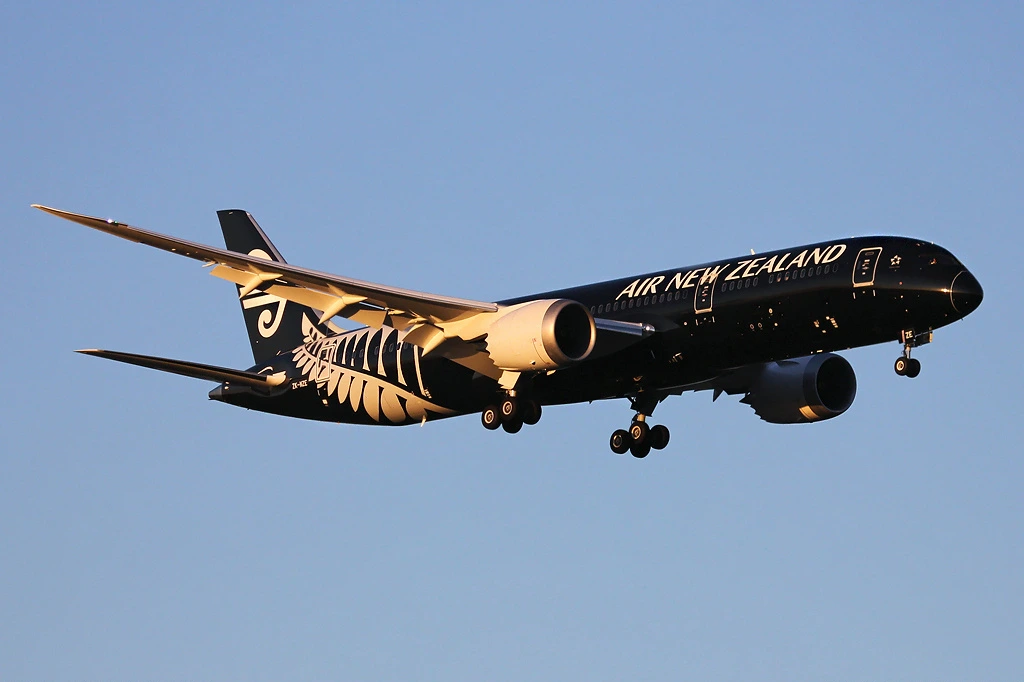
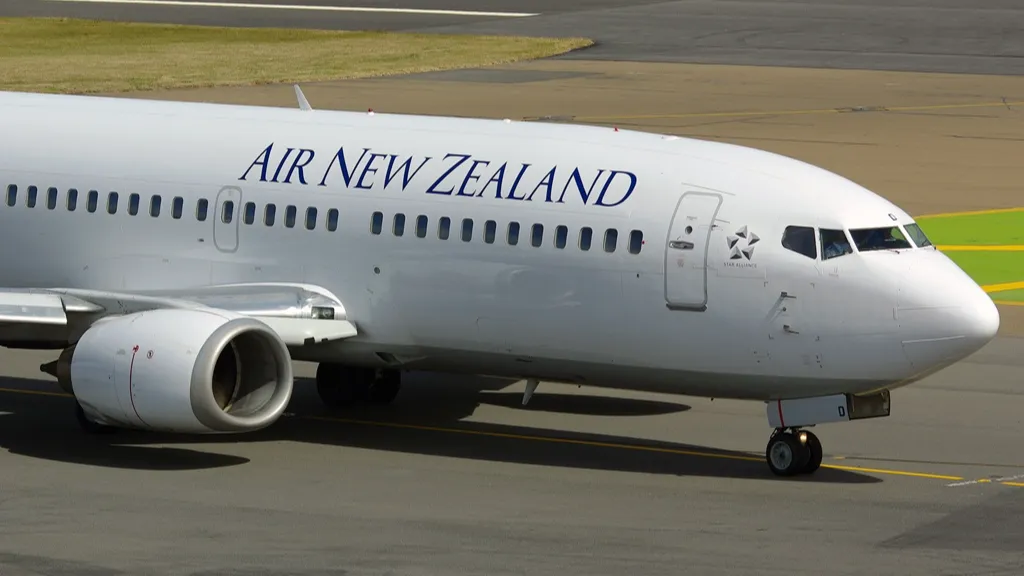
Any aircraft assigned to a route of that length would need to come from Air New Zealand’s long-haul widebody fleet, which is already committed to high-performing existing routes across the Pacific and Asia. Fleet planning, rather than commercial appetite alone, is likely to be one of the harder constraints the airline has to work through before committing to a firm launch date.
Why New Zealand’s Indian Community is Central to the Business Case
Behind the route evaluation sits a rapidly growing population base on the New Zealand side of the market. Census data shows the Indian population overtook the Chinese community to become New Zealand’s third-largest ethnic group, with 292,092 people identifying as part of the Indian community in the 2023 Census, up 22 percent since 2018. That growth has strengthened the “visiting friends and relatives” segment that airlines typically rely on to anchor demand for a new long-haul route before business and leisure travel catch up.
Outlook Traveller also cites Tourism New Zealand market research suggesting around 18 million people across Delhi, Mumbai, and Bengaluru are actively considering New Zealand as a travel destination. Combined with steady numbers of Indian students choosing New Zealand for higher education, that pipeline of potential demand gives Air New Zealand more to work with than a purely speculative route launch.
Building Demand Before Launch: VFR, corporate, and premium leisure
Ravishankar has been explicit that Air New Zealand will not simply launch a route and hope demand follows. Before committing hundreds of millions of dollars worth of aircraft and support structures, Air New Zealand says it needs to see demand from three parts of the market: VFR travellers, corporate travellers, and its key premium leisure segment. That framing reflects how expensive ultra-long-haul routes are to sustain if load factors fall short in the early years.
Ravishankar says the airline is working with Air India right now specifically to build that demand ahead of any launch, rather than waiting until after a route exists to start selling New Zealand as a destination. In practice, that means marketing New Zealand’s tourism appeal to the right traveller segments in India well before any aircraft is scheduled, so that a future nonstop route launches into demand that already exists rather than demand the airline hopes will appear.

.jpg)


