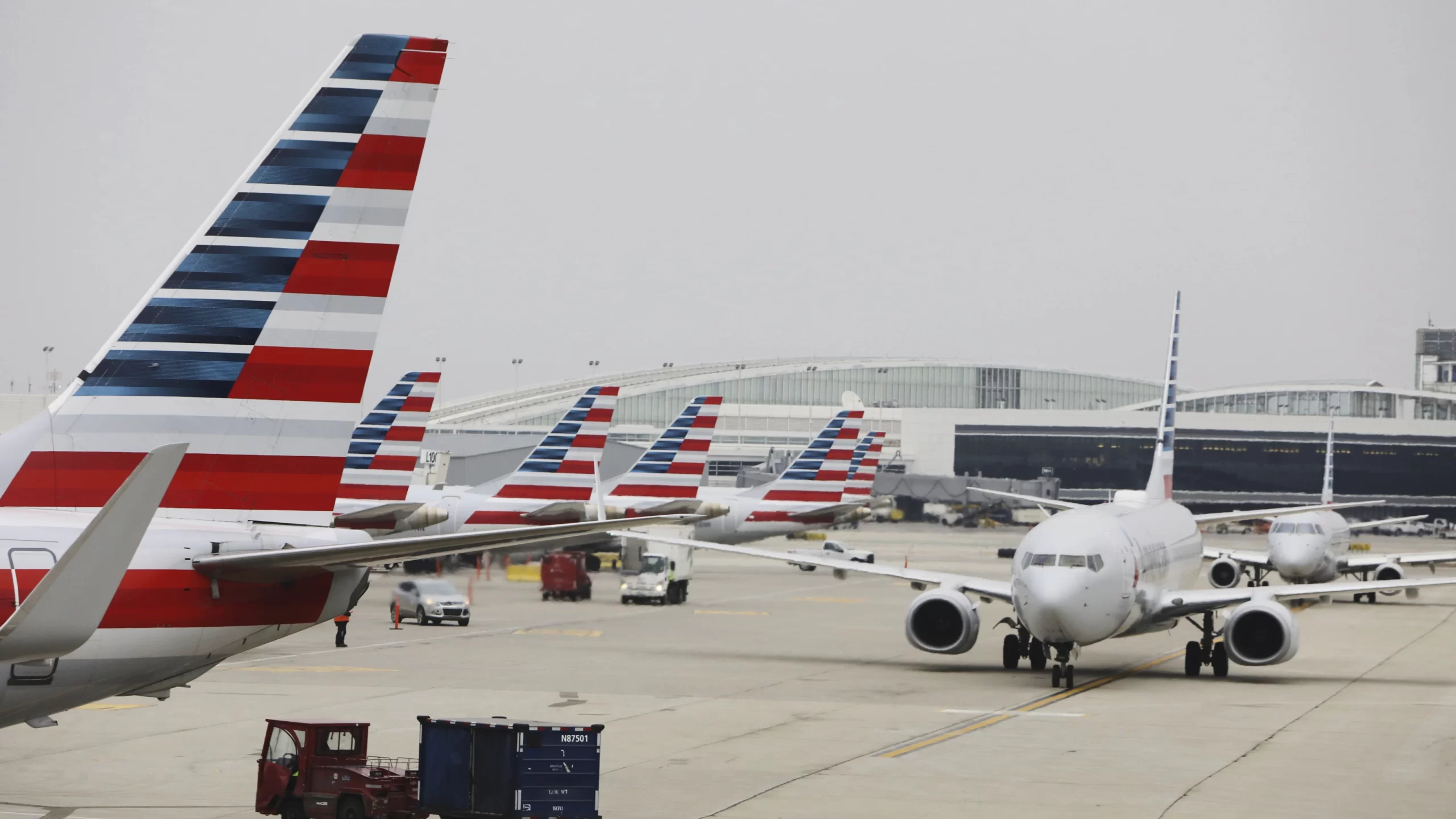
American Airlines (AA) is set to recover three gates at Chicago O’Hare International Airport (ORD) this October under the city’s annual gate redistribution process, reversing part of the setback it suffered a year ago. The move gives the airline fresh momentum at one of its largest hubs after rebuilding flight operations throughout the past year.
The outcome also represents a setback for United Airlines (UA), whose efforts to secure additional gate space through an aggressive schedule expansion were ultimately limited by Federal Aviation Administration (FAA) operating restrictions and Chicago’s gate allocation formula.
Chicago Awards Three Gates Back to American
Chicago officials have finalized this year’s gate allocation, confirming that American Airlines will receive three additional gates beginning in October. O’Hare reallocates gate space annually using each airline’s operational performance during the previous year.
The decision follows months of speculation that American had recovered enough flying activity to qualify for additional space. Revised airport terminal frontage maps obtained through a Freedom of Information Act request later reinforced those expectations.
The latest allocation partially reverses last year’s controversial redistribution, when United gained five gates while American surrendered four after the city accelerated the process ahead of the timeline outlined in the airport’s lease agreement. Although American challenged that decision in court, the redistribution remained in effect.
Recovery Restores American’s Position
American’s reduced presence at O’Hare stemmed largely from its slower post-pandemic recovery. The carrier retired a sizeable portion of its fleet during the COVID-19 downturn, delaying the restoration of schedules across several hubs, including Chicago.
As flight frequencies increased over the past year, American improved its utilization of airport facilities, enabling it to qualify for additional gates under Chicago’s established allocation methodology.
According to View from the Wing, the latest redistribution reflects the airline’s operational rebound and strengthens its competitive footing at O’Hare.
United’s Expansion Push Runs into FAA Limits
United Airlines had hoped to capitalize on American’s earlier decline by expanding its own footprint at O’Hare.
Under CEO Scott Kirby, the airline significantly increased scheduled flights, a strategy widely viewed as an attempt to justify additional gate allocations. Industry observers suggested many of those planned services would have generated limited profitability while pushing the airport beyond its practical operating capacity.
The FAA later determined that both O’Hare’s infrastructure and available air traffic control resources could not safely support the proposed level of operations. Flight caps were subsequently introduced, preventing airlines from expanding schedules beyond the airport’s operational limits.
United also argued that future gate allocations should reflect planned schedules rather than actual flight activity, a proposal that would likely have reduced American’s gate holdings even further. Regulators ultimately retained the existing allocation system based on completed operations.
American Also Added Former Spirit Gates
American further strengthened its Chicago position by acquiring two gates previously controlled by Spirit Airlines before the ultra-low-cost carrier ceased operations.
When combined with the three gates awarded through the city’s annual redistribution, the airline now holds a net gain of one gate compared with its position before last year’s losses.
The latest changes also mean United’s broader objective of significantly shrinking American’s role at O’Hare has not materialized.
United Retains the Largest Presence
Despite American’s recovery, United continues to operate from the largest gate portfolio at Chicago O’Hare.
Following the latest adjustments, United still records a net gain of two gates compared with its earlier position, helped by one gate retained through the annual allocation process and another obtained from Spirit Airlines. American, meanwhile, ends the latest cycle with a net gain of one gate.
United also continues to control more than 40% of the airport’s terminal linear frontage, preserving its position as O’Hare’s dominant airline even as the competitive gap narrows.
Chicago Remains Central to American’s Strategy
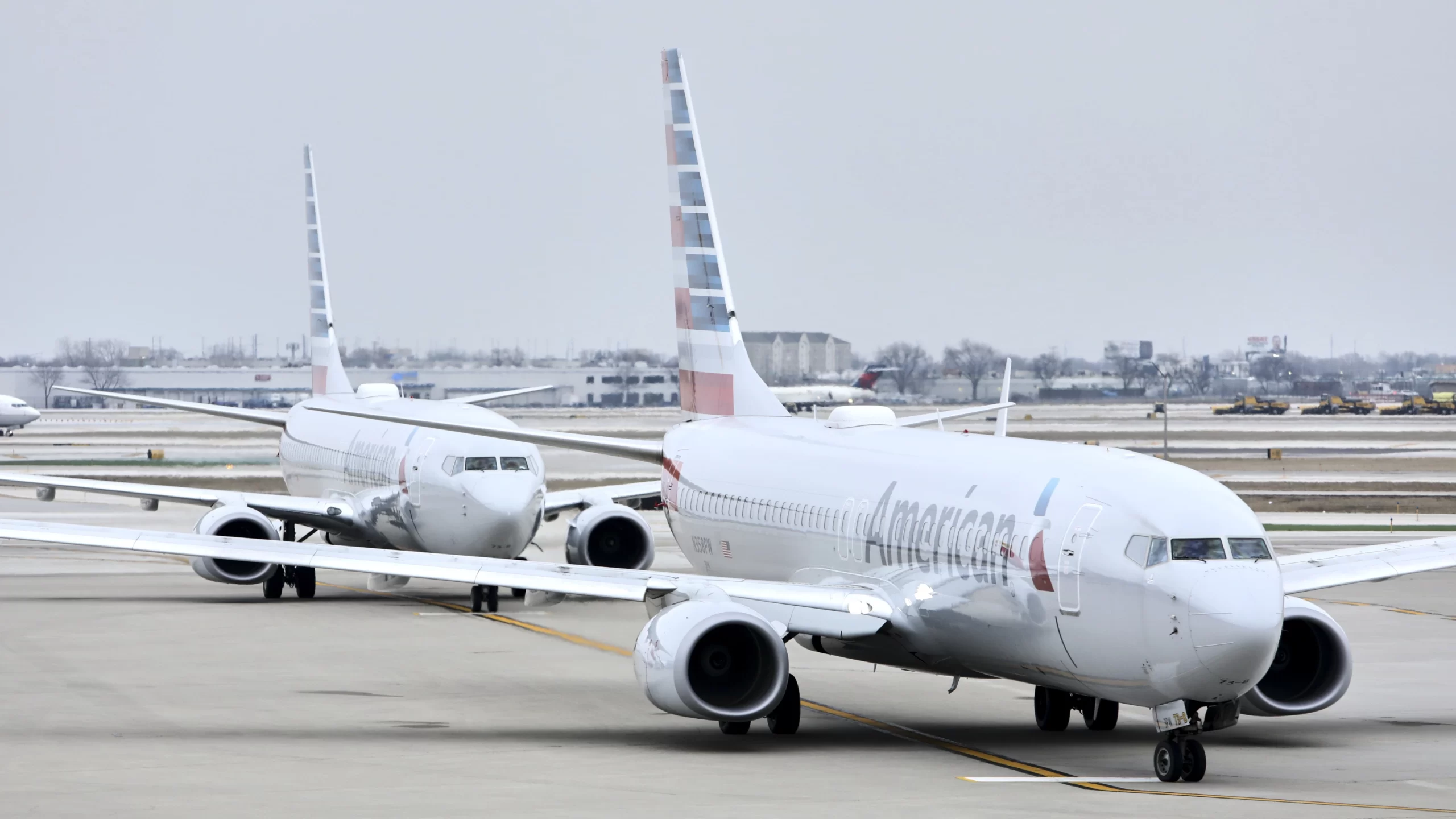
American has continued investing in its Chicago hub despite last year’s gate dispute.
The airline is renovating its Admirals Club in Concourse L while expanding operations at O’Hare to support long-term growth. Chicago has also become increasingly important to American’s co-branded credit card partnership with Citibank as the carrier seeks to strengthen revenue from premium travelers.
A larger presence at O’Hare helps the airline compete more effectively in one of the country’s most valuable business travel markets.
Bottom Line
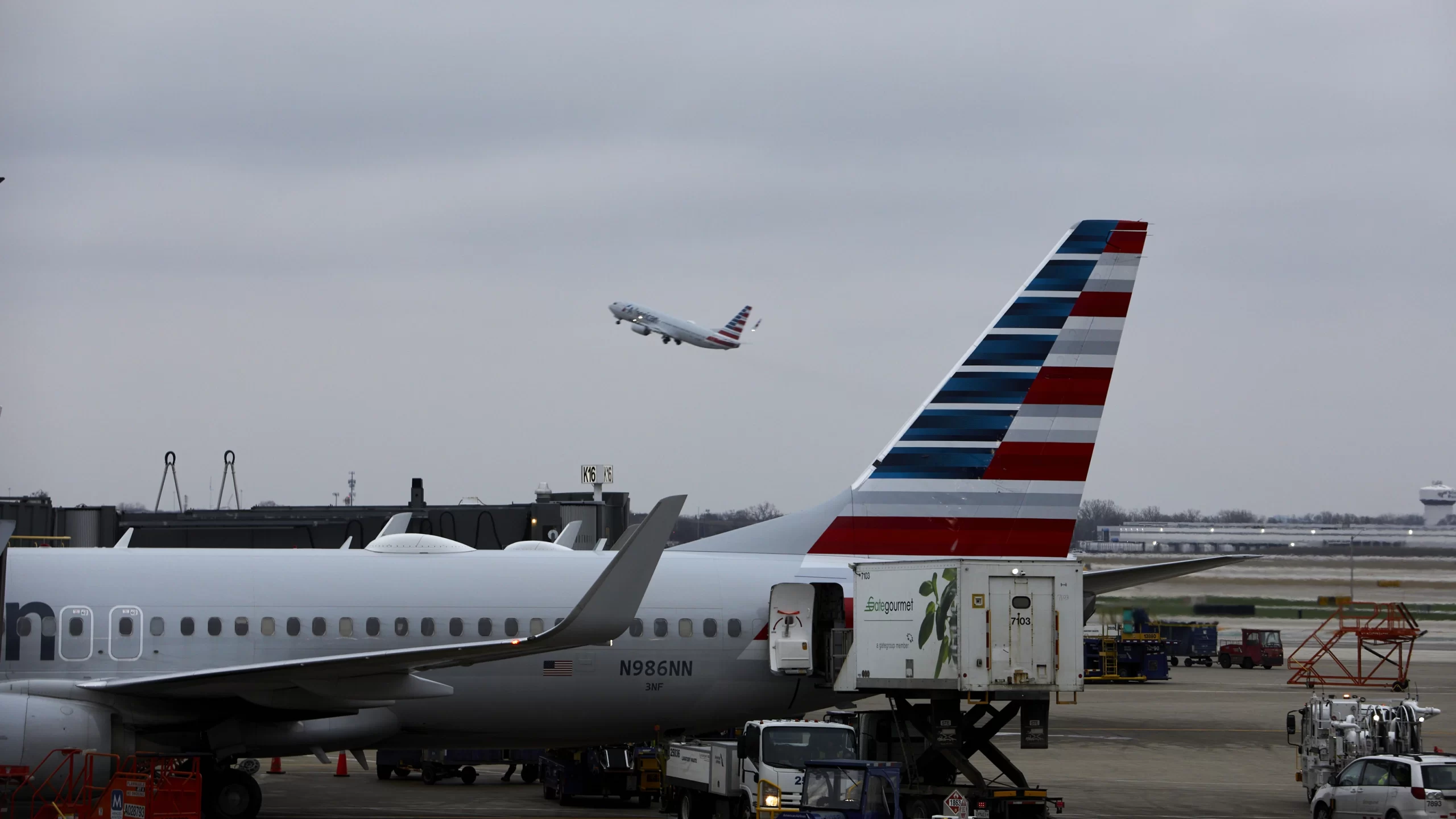
American Airlines has regained important ground in its long-running competition with United at Chicago O’Hare.
Recovering three city-allocated gates, combined with the acquisition of former Spirit Airlines facilities, leaves the carrier in a stronger position than it occupied after last year’s redistribution. While United remains O’Hare’s largest airline, its attempt to widen the competitive gap has fallen short, allowing American to reinforce its long-term commitment to the Chicago hub.