Boeing has started production on its fourth 737 MAX final assembly line, known internally as the North Line, at its widebody factory in Everett, Washington. The line began moving on July 6, 2026, marking the first time Boeing has built 737s outside its longtime home in Renton, Washington. Boeing CEO Kelly Ortberg confirmed the start date to CNBC weeks earlier, framing the new line as a direct copy of the Renton operation rather than a new design.
The North Line sits inside Boeing’s Everett complex, the site once dedicated to the 747, 767, 777, and 787 widebody programs. Boeing is opening the line to raise Boeing 737 MAX output and meet a backlog that has grown for years. The move comes as the company works to rebuild trust with regulators and airlines following a 2024 manufacturing crisis, and it gives Boeing a fourth production channel for its best-selling jet for the first time in the aircraft’s history.

North Line Adds a Fourth 737 Production Channel
Boeing announced the plan for a fourth 737 MAX line in January 2023, and it named the project the North Line soon after. The company originally targeted a mid-2024 opening, but a January 2024 door-plug blowout on an Alaska Airlines (AS) 737 MAX 9 pushed back the timeline by roughly two years. That incident, which involved a missing set of bolts on a nearly new jet, prompted the Federal Aviation Administration (FAA) to cap Boeing’s monthly 737 output and tighten oversight of its factories.
Boeing began hiring for the North Line in January 2026, drawing on a mix of new recruits and experienced staff from Renton, Everett, and Moses Lake. Workers trained at the Renton plant before transferring to Everett so the new line would mirror established practices. Stan Deal, who led Boeing Commercial Airplanes when the project was announced, said the decision reflected the availability of highly skilled workers and factory space.

Ortberg Says the Line Will Push Output Toward 52 Jets A Month
Boeing is currently building about 47 737 MAX jets a month, up from 42 earlier this year after the FAA cleared a rate increase. Ortberg told CNBC the North Line will help lift that pace to 52 jets a month next year, with a longer-term company goal of 63 a month if suppliers can keep up. He described the Everett operation as it’s really a carbon copy of what you see here in Renton, distinguishing it mainly by a new wing-transport system built for the move north.
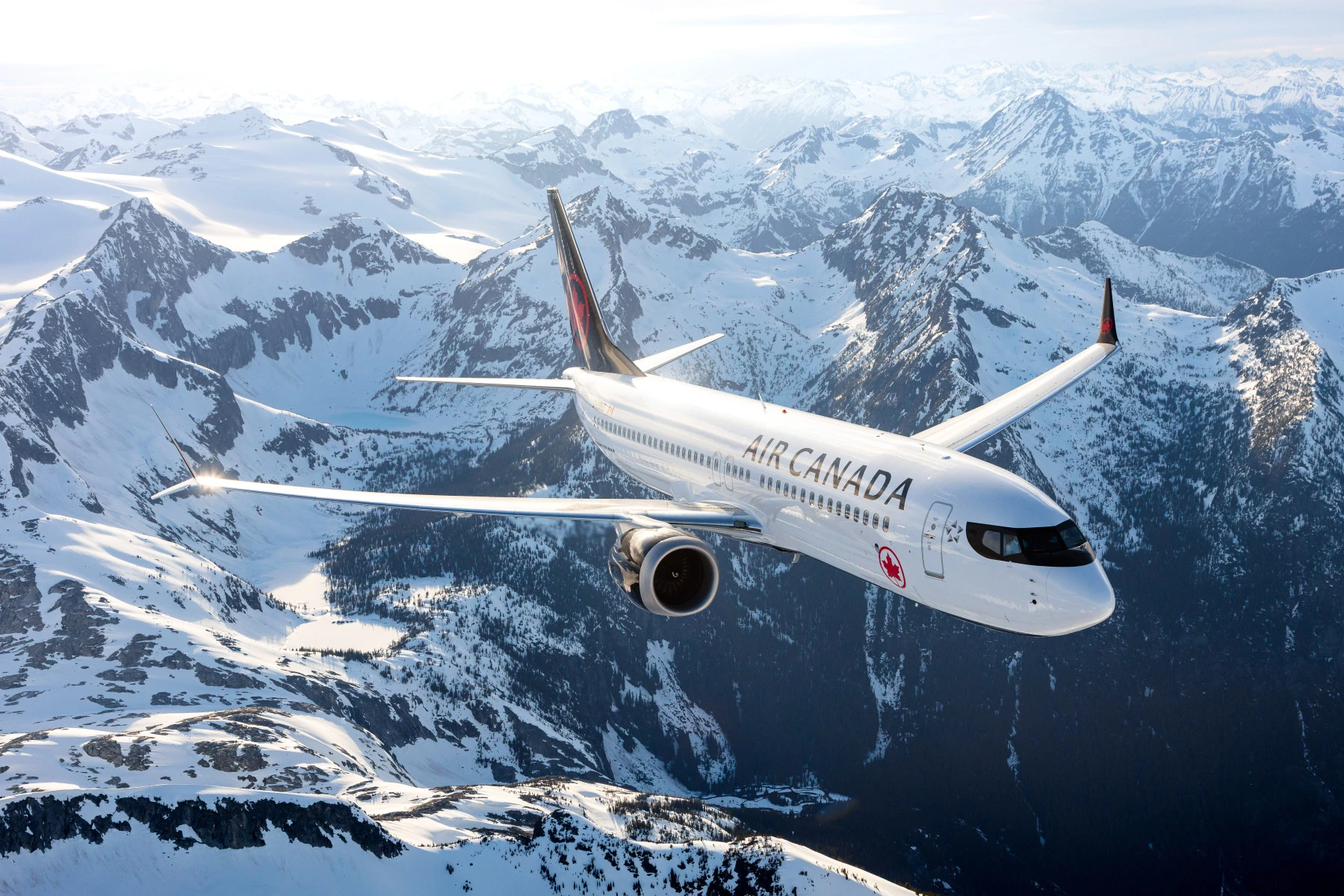
The North Line will assemble all three in-production 737 MAX variants: the MAX 8, the MAX 9, and the yet-to-be-certified MAX 10. Boeing expects the MAX 10 program to gain FAA certification later this year, with customer deliveries beginning in 2027. Company leaders have said the North Line will complement the three existing Renton lines rather than replace any of them, adding capacity instead of shifting it.
Inside The North Line’s Slow Start
Boeing is not moving straight to full-rate production. The North Line will first go through low-rate initial production (LRIP), a deliberately slow phase meant to let engineers check the new line before it joins the main output figures. Key features of this startup phase include:
- A new 737 Wing Transport Tool that moves partially built wings from their fabrication site to Everett for final assembly, a step not needed in Renton.
- Extra inspection checkpoints built into the early build process to confirm the line matches FAA-approved production standards.
- Aircraft built during LRIP that will be used to demonstrate conformity to the FAA before the line is folded into overall MAX output.
- A workforce combining Renton veterans with new hires, all trained on Boeing’s Safety & Quality Plan before starting on the floor.
Jennifer Boland-Masterson, Boeing’s production leader for the Everett line, has said the team is taking a cautious, step-by-step approach to getting the facility running. Ortberg echoed that caution, saying Boeing will move when the production system says it is ready to move, tying the North Line’s ramp-up directly to internal quality checks rather than a fixed calendar.
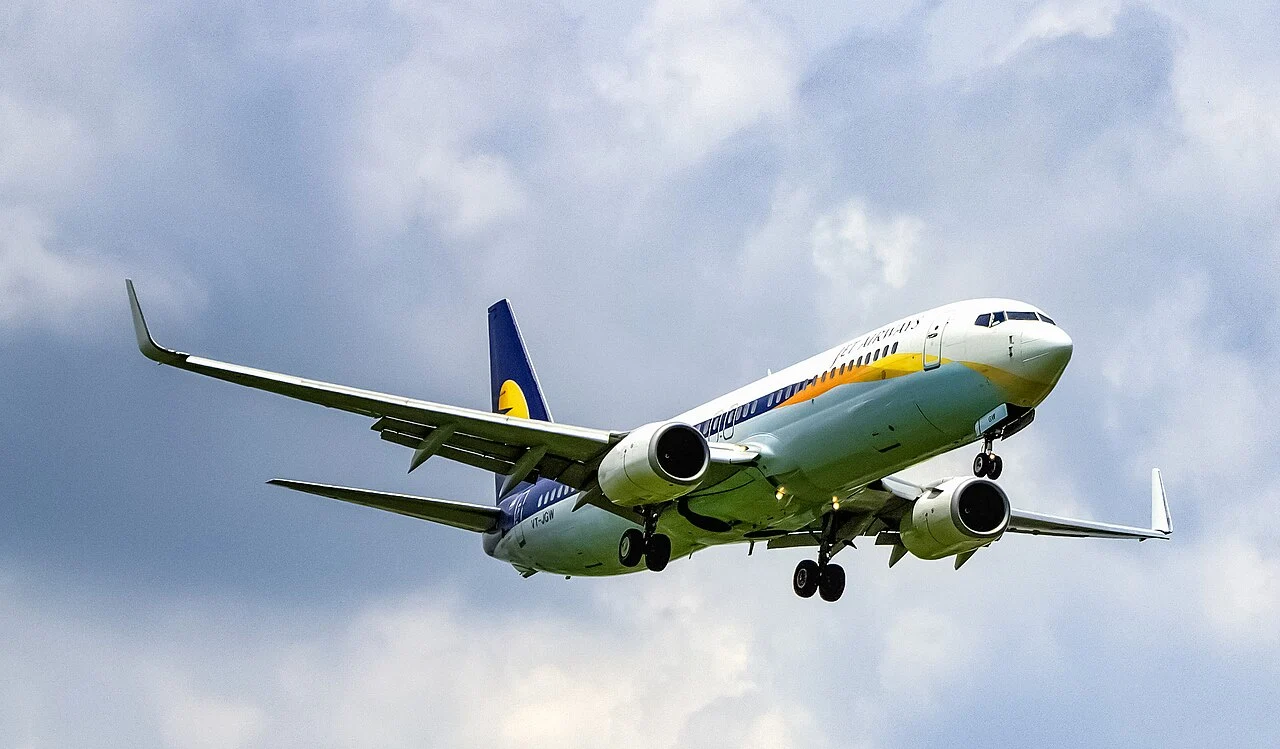
The Everett site is the largest building in the world by volume, and it has significant open floor space following the end of 747 production in 2023 and the shift of all 787 assembly to South Carolina in 2021. Boeing is now filling that space with narrowbody work for the first time, ending Everett’s decades-long identity as a widebody-only plant. The 737 MAX, Boeing’s entry in the single-aisle market, competes directly with the Airbus A320neo family for airline orders worldwide.
All in All
Boeing’s near-term priority is proving the North Line can operate reliably during LRIP before folding it into standard production reporting. The company also needs the FAA to certify the 737 MAX 10 this year to keep its 2027 delivery target on track. Flight testing for that variant is expected to wrap up this summer, according to Malave’s earlier investor comments.
Longer term, Boeing’s ability to reach a 63-jet-a-month pace depends on its supply chain, including the recently completed acquisition of fuselage supplier Spirit AeroSystems.


.jpg)

_-_cn_42176_-_4802_(30608964114).jpg)