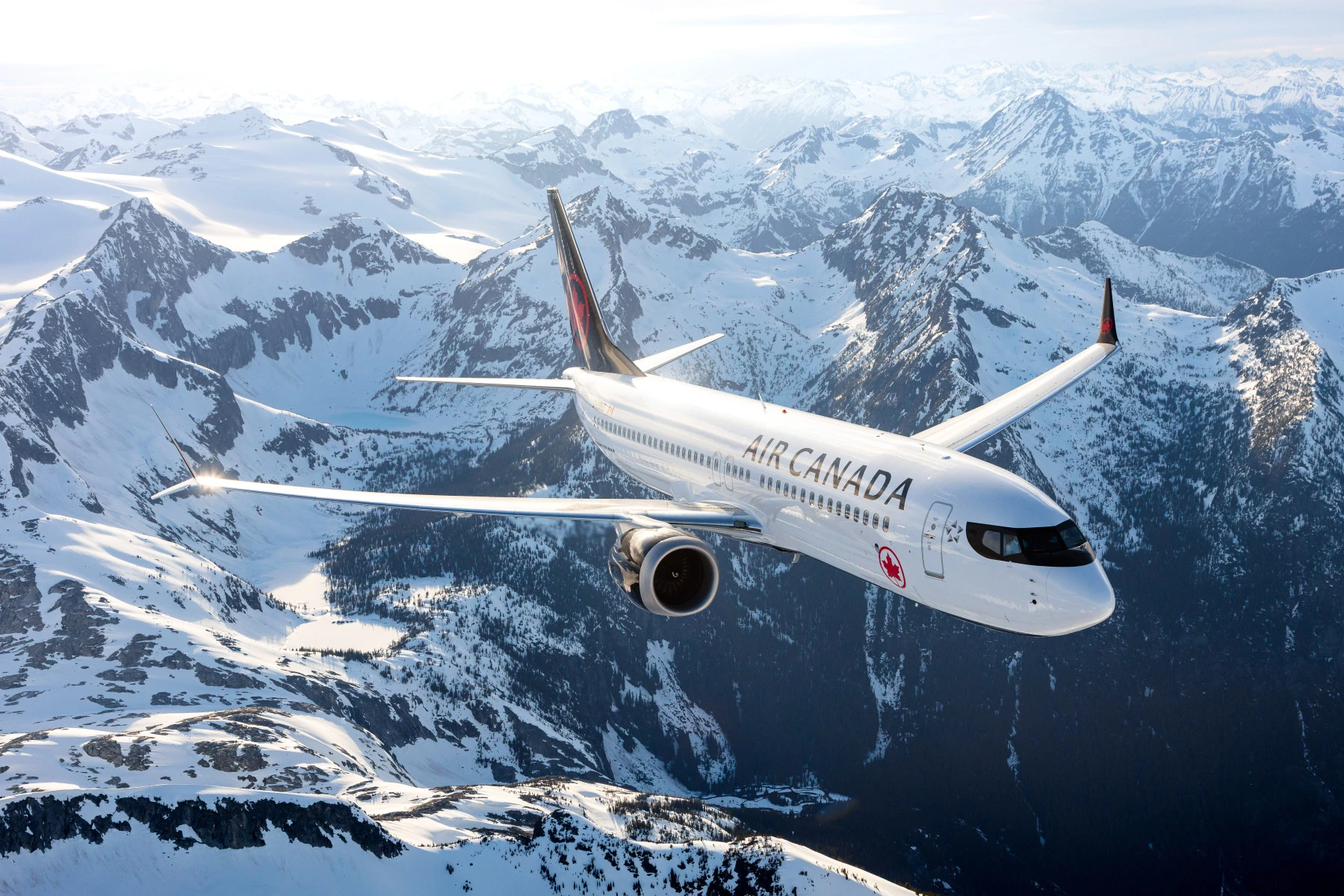
A United Airlines (UA) flight from Cincinnati to Chicago on July 4, 2026, carried exactly one passenger on a Boeing 737-900 built for 179 people. He had been left to arrange his own travel after British Airways (BA) diverted his London-to-Chicago flight because of storms. His story went viral, but he is far from the first traveler to end up alone on a scheduled commercial flight.
There Is No Official Global Count of Single-Passenger Flights
No aviation regulator, airline association, or government body tracks how many flights depart with just one paying passenger. The Federal Aviation Administration (FAA), the International Air Transport Association (IATA), and national civil aviation authorities all collect load-factor data in aggregate, not by individual flight. This makes it impossible to give an exact number for how many times this has happened worldwide.
What exists instead is a scattered public record. Passengers post photos and videos on social media, local news outlets pick up the stories, and aviation sites compile them into “strangest flights” roundups. Based on that public record, at least half a dozen high-profile cases have surfaced since 2018 alone, and industry commentary suggests many more go unreported each year.
The First Passenger Flight In 1919 Carried Only One Person
The very first scheduled international passenger flight in history had just one passenger on board. On August 25, 1919, Air Transport and Travel Ltd operated a flight from Hounslow Heath Aerodrome in London to Le Bourget Airport in Paris, and the sole passenger was a newspaper reporter.
An even earlier example predates that flight by five years. The St. Petersburg-Tampa Airboat Line, which began operating in Florida in January 1914, ran a single-plane seaplane service that carried one passenger at a time by design. Its first passenger, former St. Petersburg mayor A.C. Pheil, paid five dollars for an 18-mile trip that took 23 minutes.
Bad Weather and Long Delays Cause Most Modern Cases
The most common reason a modern flight ends up with one passenger is a severe delay or cancellation elsewhere in the network. When a flight is pushed back by many hours, most travelers rebook onto other flights, take a hotel, or abandon the trip entirely. The one person who waits it out ends up on a nearly empty aircraft that the airline still needs to fly.
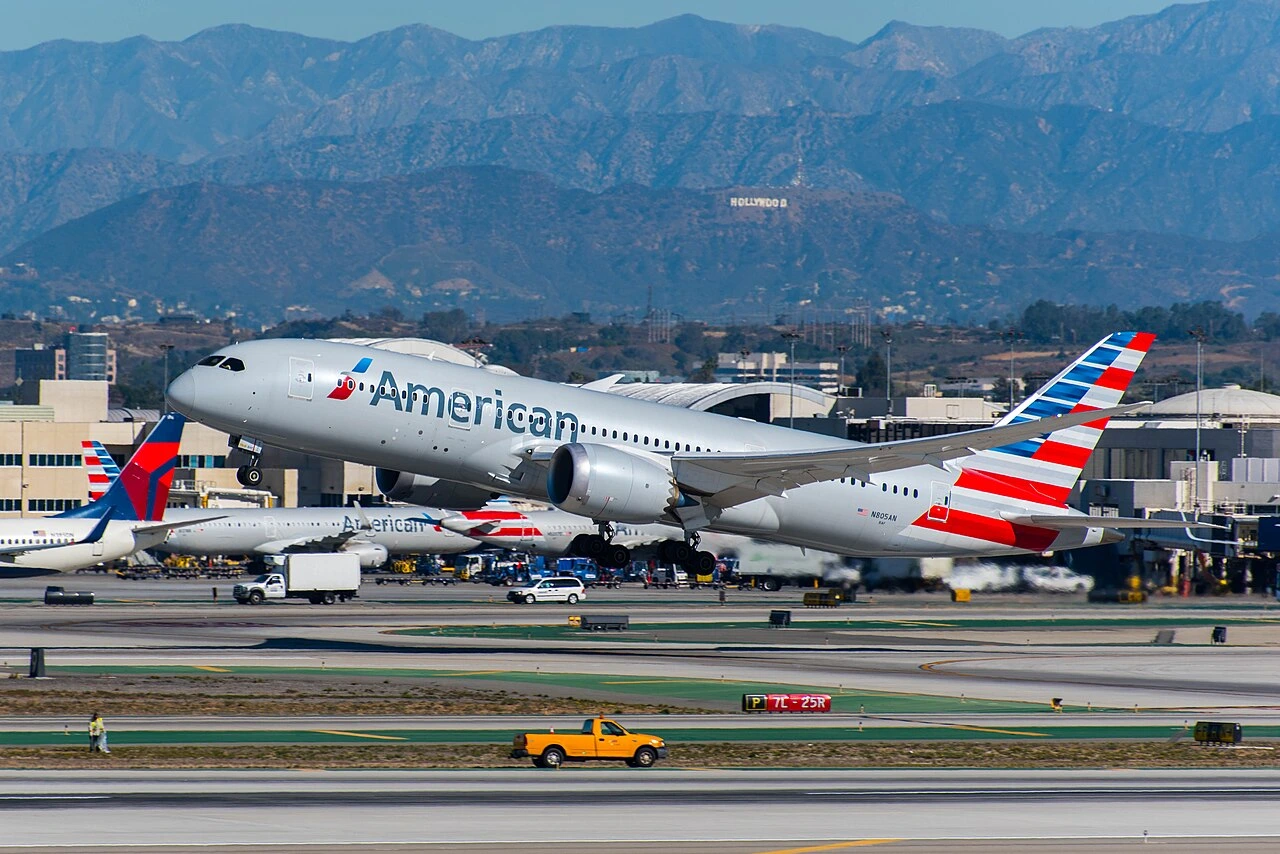
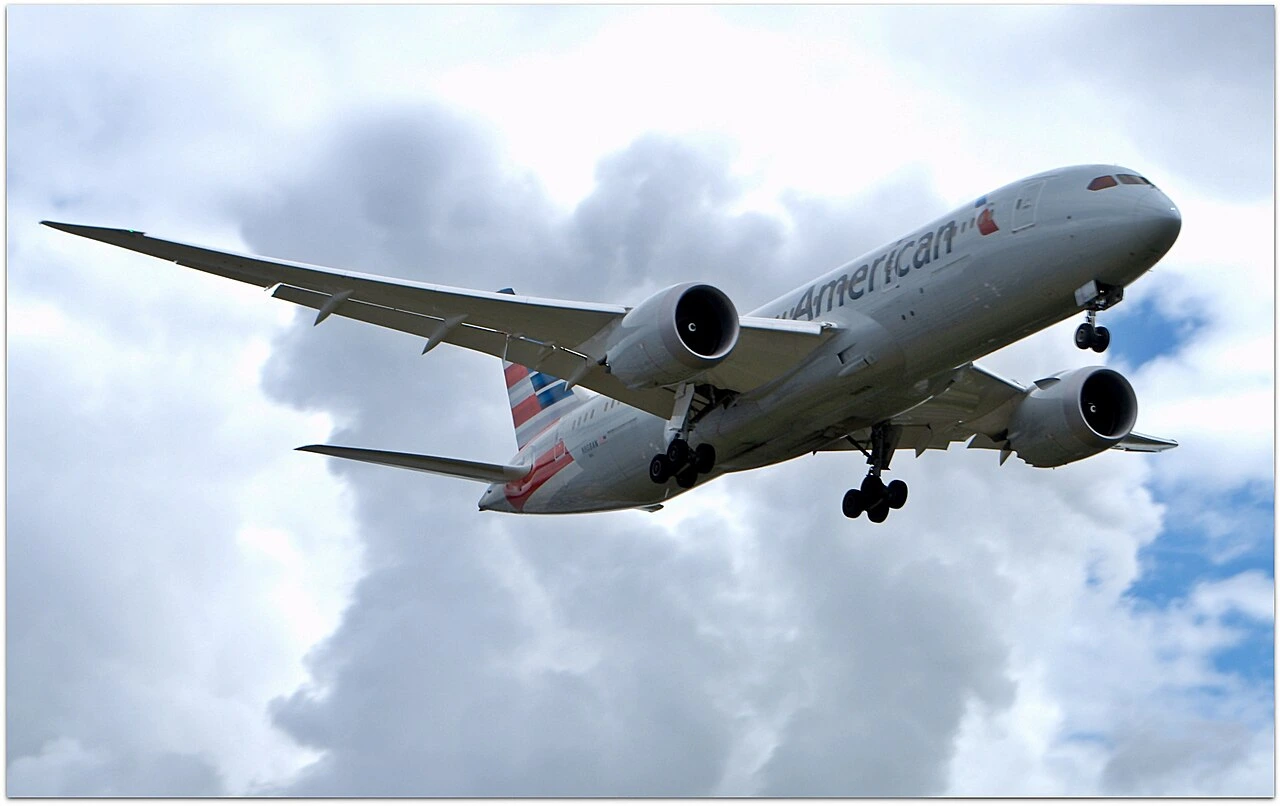
This is exactly what happened to Phil Stringer, an American Airlines (AA) passenger flying from Oklahoma City to Charlotte, North Carolina. His flight was delayed roughly 18 hours and pushed back seven times before finally departing just after midnight. Every other passenger had already rebooked or given up.
Stringer said a gate agent explained the airline’s logic simply. “It seems like they would have flown the plane with or without me,” he told NPR, paraphrasing what he was told about cargo revenue and aircraft positioning. The flight crew, called back in from a nearby hotel, treated the two-and-a-half-hour flight as a private party, complete with a personalized safety demonstration and inside jokes over the intercom.
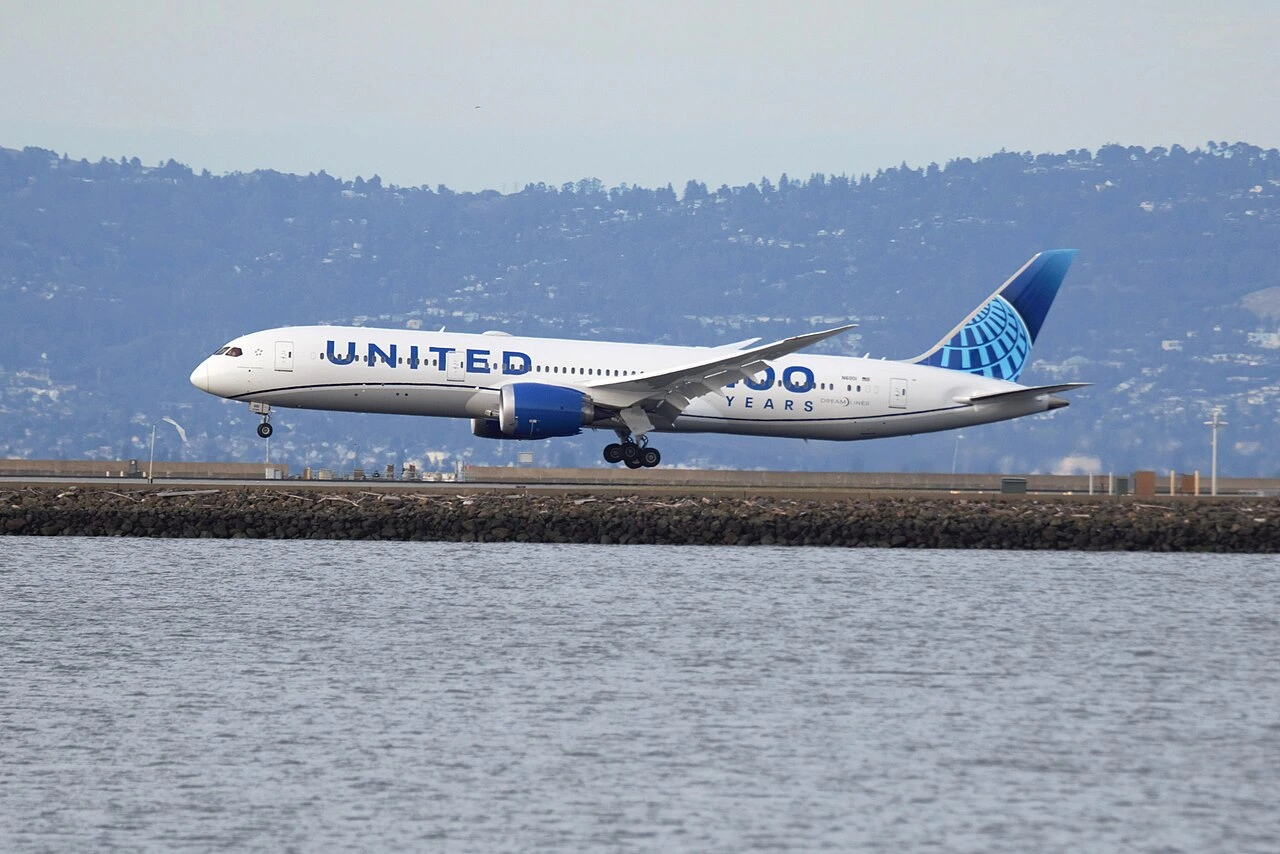
United Airlines Flight Ua1813 from Cincinnati to Chicago in July 2026
The most recent documented case followed a similar pattern but added an unusual twist involving two airlines. A British Airways flight from London Heathrow Airport (LHR) to Chicago O’Hare International Airport (ORD) diverted to Cincinnati/Northern Kentucky International Airport (CVG) because of thunderstorms near Chicago. The passenger said British Airways told him to arrange his own transportation onward.
He booked a seat on United flight UA1813, which was delayed more than seven hours by the same storm system. When it finally departed at 1:28 AM, he was the only passenger. Key details of that flight include:
- The aircraft was a Boeing 737-900 configured for 179 passengers in two cabin classes
- Chicago O’Hare recorded more than 400 cancellations and over 1,000 delays that day, the worst of any airport in the world
- The crew let him sit in United First, gave him free snacks, and brought him into the cockpit for a photo with the pilots
Emirates Flight Ek501 on A 427-Seat Boeing 777 In 2021
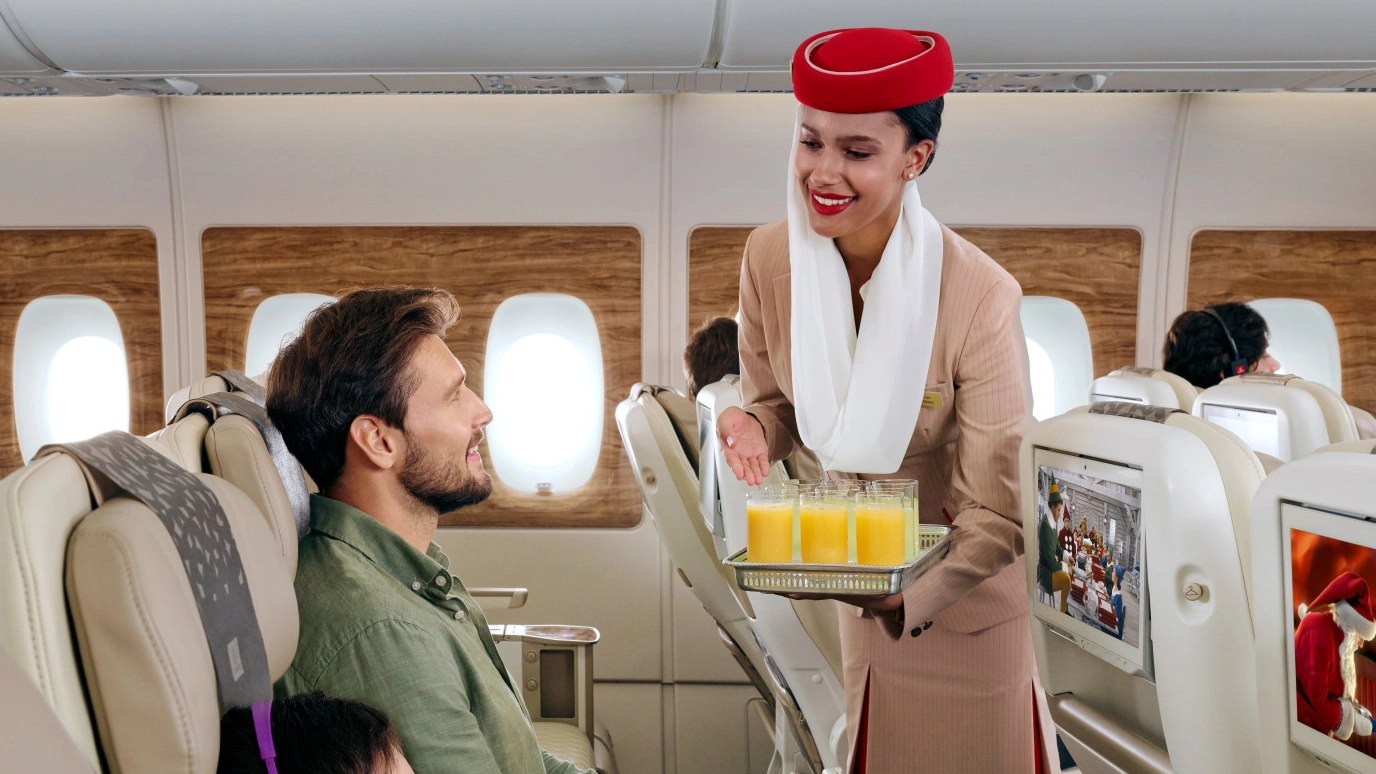
The largest aircraft known to have flown with a single passenger was an Emirates (EK) Boeing 777-300ER, a jet that can seat up to 427 people. On May 19, 2021, the airline operated flight EK501 from Mumbai to Dubai International Airport (DXB) with just one occupant, a diamond trader named Bhavesh Jhaveri.
The case was driven by COVID-19 travel restrictions rather than weather. The United Arab Emirates had banned most arrivals from India in April 2021 because of a surge in coronavirus cases, which left outbound flights from Mumbai nearly empty even as inbound flights carried cargo and returning residents. The captain reportedly told the passenger over a personal announcement rather than the public address system, “Since you are the only one passenger onboard, this 777 is just for you!!”
Jhaveri had paid roughly $250 for a business-class seat, well above the typical economy fare for the route. This case remains one of the most extreme examples because of the sheer size difference between the aircraft’s capacity and its single occupant.
Other Documented Cases Across North America and Asia
Beyond these three headline cases, several other solo-passenger flights have been reported in recent years. NPR’s coverage of the Phil Stringer story noted that other travelers had similar experiences, including a woman flying from New York City to Washington, D.C. in 2018, a Lithuanian man flying to Italy in 2019, a Florida college student returning from England, and a passenger traveling from Portugal to Ireland in 2023.
A separate case involved a traveler who boarded an Air Canada Jazz flight from Philadelphia to Montreal and discovered he was the only person on board, a story Simple Flying referenced alongside its United coverage without giving an exact date.
The Points Guy also documented a case involving a woman flying from Bangkok to the island of Koh Samui in Thailand, where the crew let her sit anywhere she liked and kept her fed throughout the flight.
Image:Shahram Sharifi | Wikimedia Commons
Why Airlines Still Operate Nearly Empty Aircraft
Airlines rarely cancel a flight just because ticket sales are low, and there are concrete operational reasons behind that decision. The Points Guy laid out the core logic that applies across nearly every documented case:
- Airline schedules depend on aircraft being in the right city at the right time for the next leg of their route
- Flight crews often need to “commute” or reposition to their next assignment, a practice known as deadheading
- Most passenger aircraft also carry cargo in their belly hold, and canceling a flight would forfeit that separate revenue stream
- Cancelling a scheduled flight can trigger refund obligations and reputational costs that outweigh the fuel cost of flying nearly empty
In short, a plane sitting on the ground rarely makes money, and getting it to its next destination is often worth more than the cost of flying it with one passenger or none at all.

Ghost Flights Show Empty Planes Are More Common Than Reported
The viral single-passenger stories described above are dramatic but rare. A far larger and less visible version of the same phenomenon occurs regularly in Europe because of airport slot rules. Under the European Union’s “use it or lose it” rule, airlines must operate at least a set percentage of their allotted takeoff and landing slots or risk losing them to competitors.
During the pandemic, this rule forced airlines to fly thousands of nearly empty aircraft simply to protect their slots. Lufthansa Group CEO Carsten Spohr said the airline expected to operate roughly 18,000 unnecessary flights across one winter season for that reason alone. Greenpeace estimated that more than 10,000 such “ghost flights” crossed European skies in the 2021-22 winter season.

All in All
Judging by the public record, a flight landing with exactly one paying passenger appears to happen at least a few times a year somewhere in the world, though the true number is almost certainly higher than what gets reported. Most cases share three ingredients: a severe delay or disruption, a route where alternative options exist for other passengers, and one traveler determined enough to wait it out.
_at_LAX_(22922365062).jpg)
_@_MAN,_July_2016.jpg)
.jpg)