A United Airlines (UA) passenger became the sole occupant of a Boeing 737-900 after British Airways (BA) told him to arrange his own onward travel. The incident happened on July 4, 2026, after his BA flight from London Heathrow Airport (LHR) to Chicago O’Hare International Airport (ORD) diverted to Cincinnati/Northern Kentucky International Airport (CVG) because of thunderstorms. The traveler, who posted his story to Reddit under the username Jaykwono, said British Airways refused to help him after more than ten calls to the airline and its US partner, American Airlines.
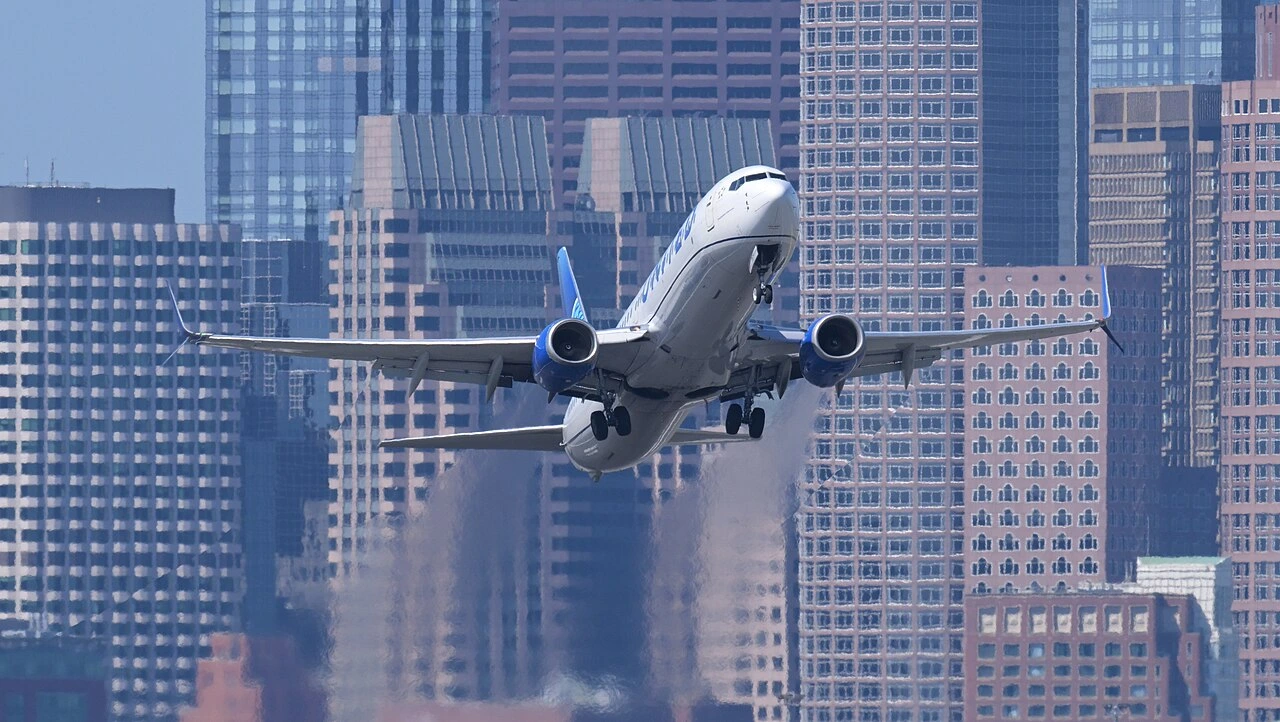
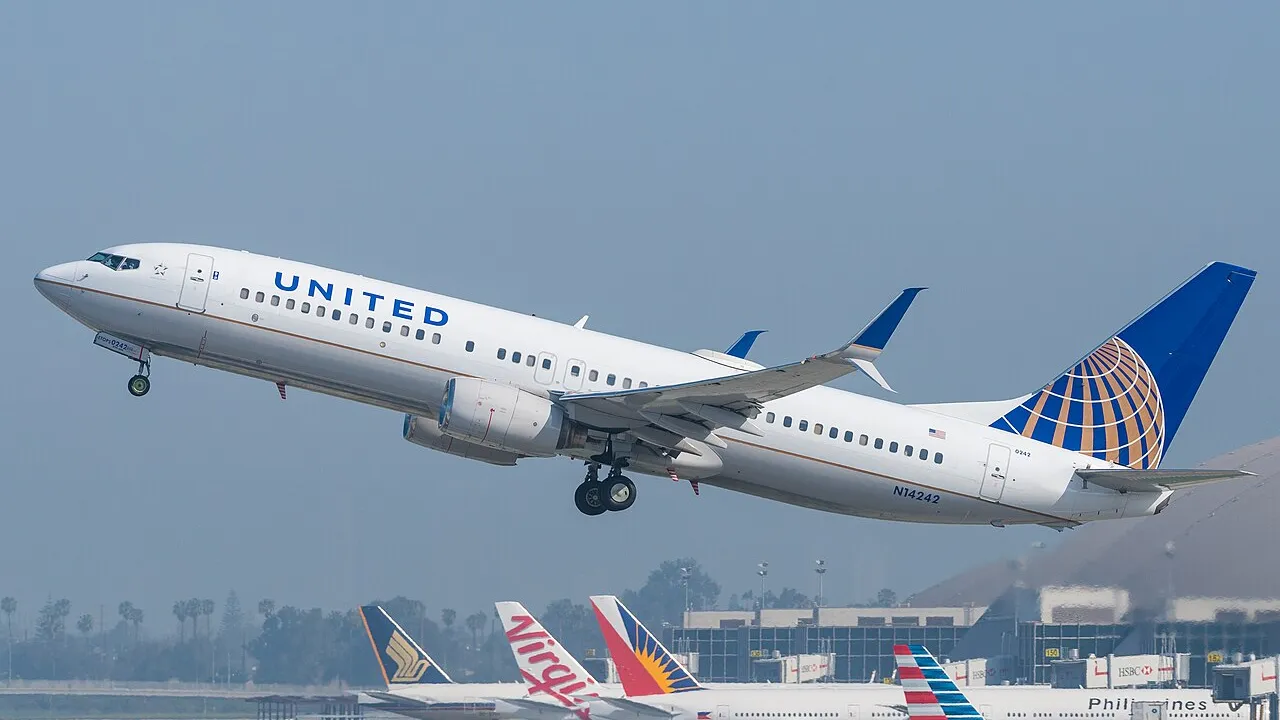
He booked a seat himself on United flight UA1813 from Cincinnati to Chicago, a flight that ran more than seven hours behind schedule. When it finally departed, he was the only passenger on board a jet built for 179 people. The crew let him sit anywhere he wanted, addressed announcements directly to him, and invited him into the cockpit for a photo with the pilots.
.jpg)
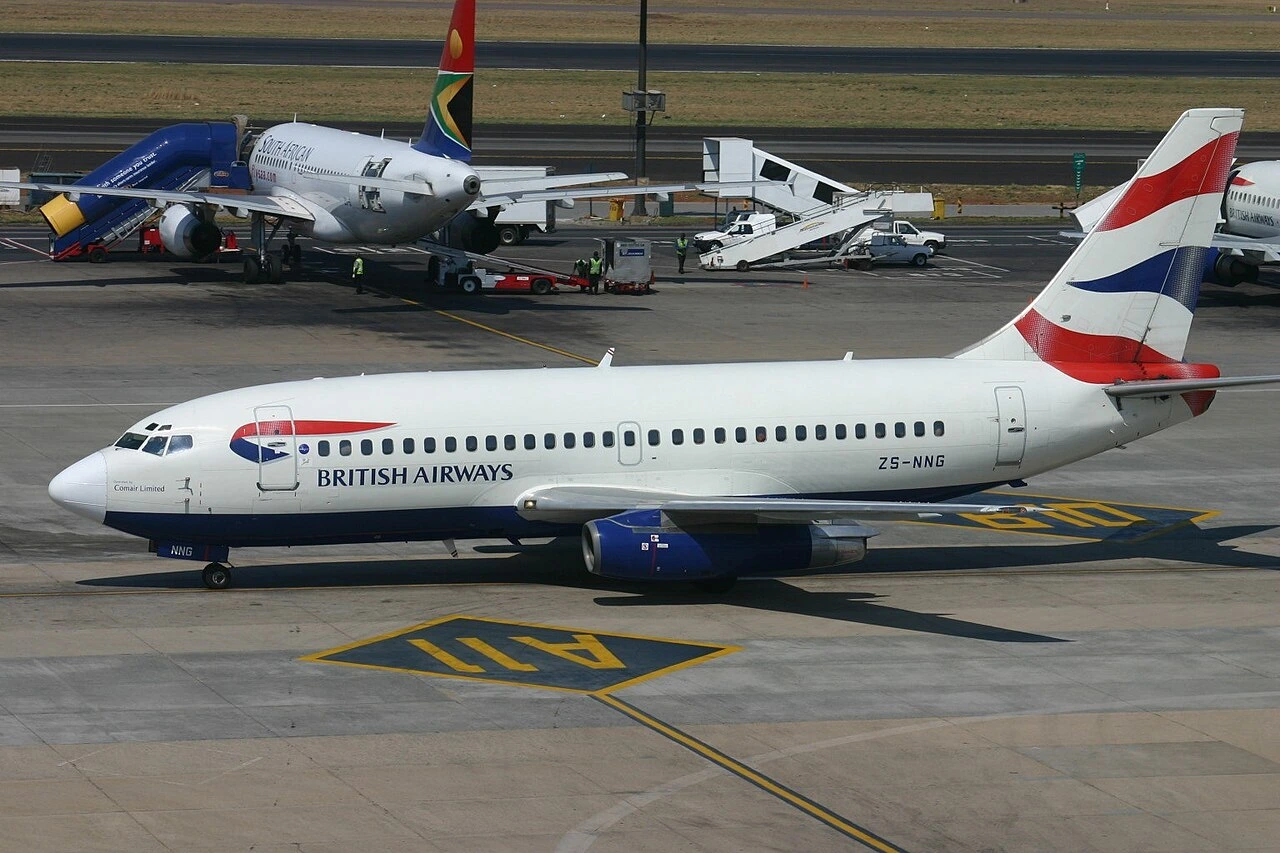
British Airways Flight Diverts to Cincinnati Amid Chicago Storms
The passenger’s original flight was BA299, which departed London Heathrow bound for Chicago O’Hare. Severe thunderstorms near Chicago forced the aircraft to divert, and flight-tracking data confirmed it landed in Cincinnati at around 6:00 PM local time, Simple Flying reported. Diversions of this kind are common when weather closes an airport temporarily.
What made this case unusual was what happened next. The passenger said British Airways told him to organize his own transportation to Chicago rather than rebooking him or arranging ground transport. He described the airline as having “refused to help me or get me home” despite his repeated attempts to reach representatives from both British Airways and American Airways.
How The Passenger Booked His Own Way to Chicago
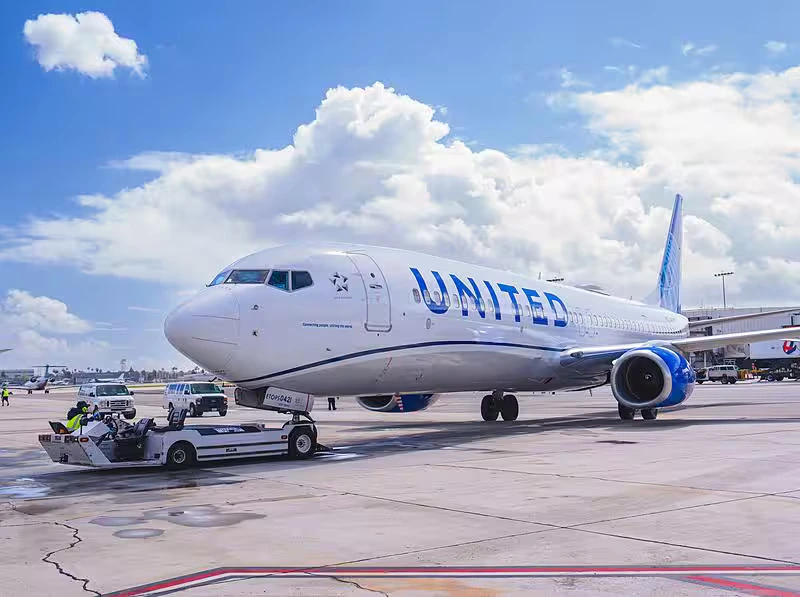
Left without support from British Airways, the traveler turned to a United Airlines employee at baggage claim. He credited “an extremely patient and friendly baggage claim employee” with helping him secure a ticket on UA1813, a short hop from Cincinnati to Chicago O’Hare. This flight was scheduled to leave at 6:12 PM but was delayed for hours by the same storm system disrupting O’Hare.
UA1813 eventually departed at 1:28 AM the next morning, more than seven hours late. The short flight lasted under 50 minutes and landed in Chicago at 1:15 AM local time. By the time it left the gate, every other booked passenger had either rebooked elsewhere or abandoned the trip, leaving one man on board.
_-_cn_42176_-_4802_(30608964114).jpg)
Inside The Boeing 737-900 With 179 Seats for One Passenger
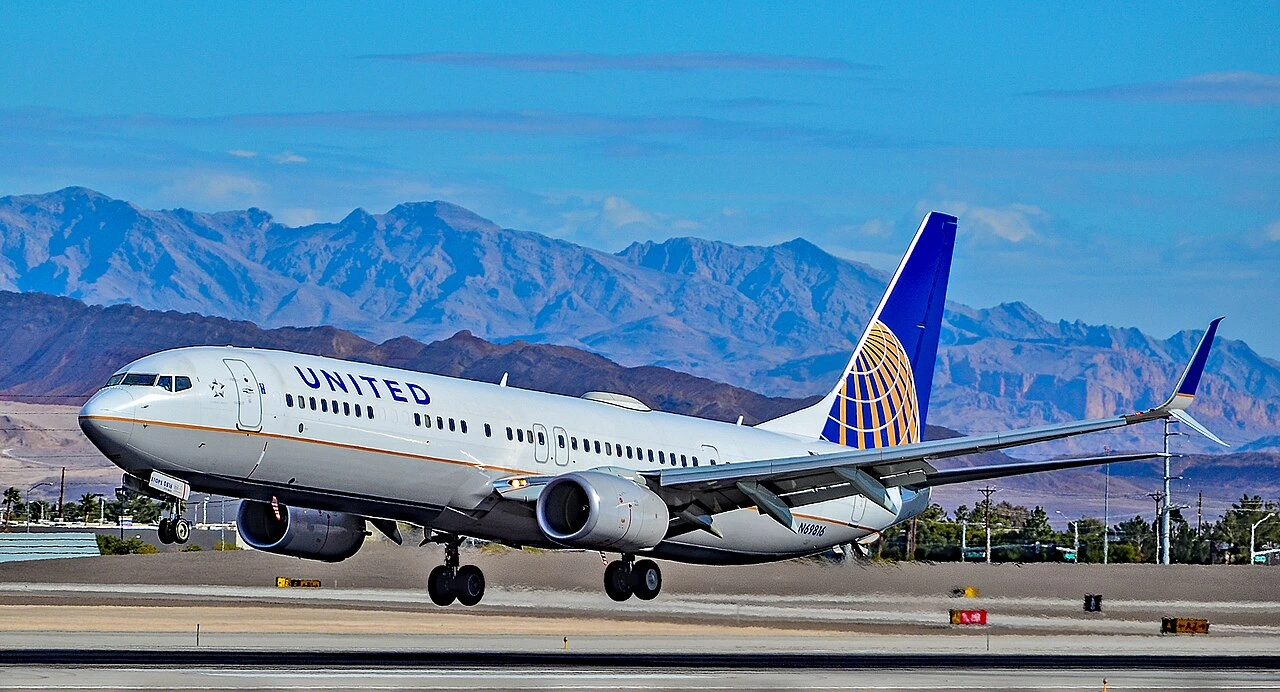
The aircraft operating UA1813 was a United Boeing 737-900, a narrow-body jet configured for two cabin classes. Simple Flying reported the passenger appeared to select seat 1B in United First, based on photos he shared from the flight. Key features of the cabin included:
- 20 United First seats and 159 United Economy seats, for a total of 179
- 42 United Economy Plus seats with extra legroom and recline
- 37 inches of seat pitch and 20 inches of width in United First
- More than double the recline of standard economy seating in First
Flight attendants gave him several free snacks during the short trip. He also received one of United’s Boeing 777 trading cards, which he said he likely got directly from one of the pilots.

Why Chicago O’Hare Faced Its Worst Disruption Day Of 2026
O’Hare’s troubles on July 4 were not limited to this single flight. The airport recorded more than 400 cancellations and over 1,000 delays that day, making it the world’s most disrupted airport, according to data from FlightAware. The Federal Aviation Administration (FAA) issued a ground stop as severe thunderstorms rolled through the Midwest.
The chaos extended into the following days. According to figures reported by Travel And Tour World, Chicago O’Hare logged 91 cancellations and 104 delays on July 4 alone. United Airlines, as O’Hare’s largest hub carrier, absorbed a large share of that disruption, which is why an aircraft built for 179 people ended up flying nearly empty.
.jpg)
What Passenger Rights Rules Say About a Diverted Flight
Weather-driven diversions typically qualify as events outside an airline’s control, which limits what passengers can demand under United States Department of Transportation (DOT) rules. The DOT’s own guidance states that airlines are not required to compensate passengers for weather-related delays or cancellations on domestic itineraries, and each airline sets its own policy on rebooking assistance in these cases.
Because this journey began in the United Kingdom, it likely falls under UK261, a stronger framework than US rules. Even when a delay stems from extraordinary circumstances like weather, UK261 still requires the operating airline to provide meals, communication, and hotel accommodation for stranded passengers, according to AirAdvisor’s guide to the regulation. Compensation for the delay itself would likely not apply, but the duty of care would.
.jpg)
How This Compares with Other Solo-Passenger Flights
This is not the first time a single traveler has had an entire aircraft to themselves. In 2023, an American Airlines passenger named Phil Stringer went viral after boarding a nearly empty flight following an 18-hour wait caused by repeated delays. Passengers around him had rebooked or given up, leaving him alone for departure.
A similar case occurred in January 2025, when a traveler ended up as the only passenger on an Air Canada Jazz flight from Philadelphia to Montreal after disruption tied to a US presidential inauguration. An earlier and more extreme example came in 2021, when a single occupant flew on an Emirates Boeing 777, an aircraft that can seat up to 427 people, because of COVID-19 travel restrictions. Each case shares a common thread: severe disruption thins out a flight until one determined traveler is the only one left standing at the gate.