Search “Tim Clark salary” and you’ll get a wall of confident-looking numbers — AED 25 million here, $8 million there. Almost none of it comes from an actual disclosure, because none exists. Emirates has never filed, published, or leaked a figure for what its president earns. Here’s the honest version: what’s on the record about Clark’s career and Emirates’ ownership structure, why a hard salary number can’t exist the way it does for a listed airline CEO, and how the estimates floating around compare to executives whose pay actually is disclosed.
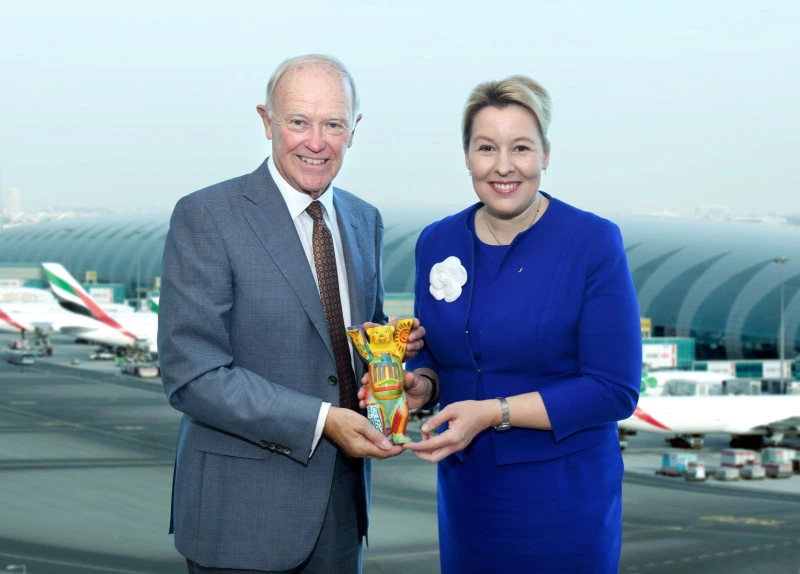
Who Is Tim Clark?
Sir Timothy Charles Clark was born on November 22, 1949, in the UK, and is an economics graduate of the University of London. He entered civil aviation in 1972 at British Caledonian, working in route planning, then moved to Gulf Air in Bahrain in 1975 before relocating to Dubai in 1985 — the year he became a founding member of Emirates, then a startup with two leased aircraft and two destinations, as Head of Airline Plannin.
He became President of Emirates (EK) in January 2003 and has held the role for more than two decades since, steering the airline through the 2008 financial crisis, its A380 megaproject, and a full recovery from COVID-19 into record profitability. He was knighted (KBE) in 2014 for services to British prosperity and aviation, was named CAPA Airline Executive of the Year in 2022, and received the FTE Visionary Award and an Air Transport World Lifetime Achievement Award in 2023 . Now in his mid-70s, he has repeatedly delayed retirement, telling Business Traveller he still gets “a real buzz” from arriving at his Dubai office at 6:15am.
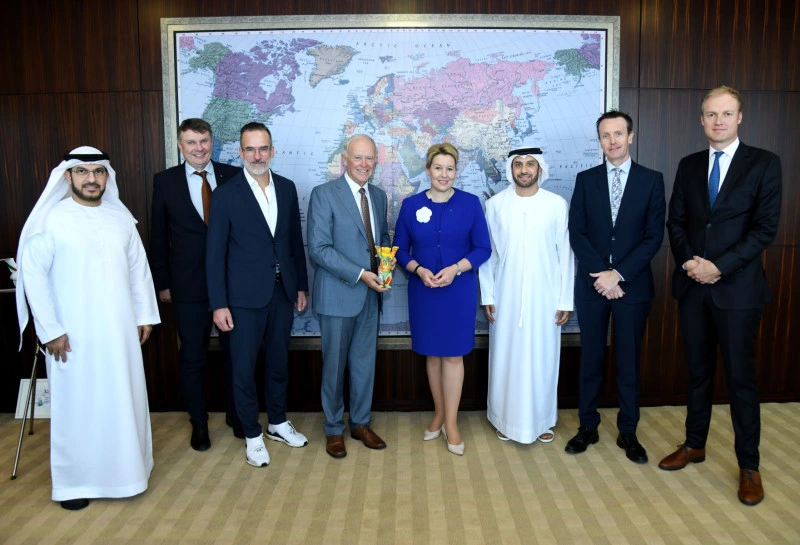
One structural detail matters for the salary question below: Clark is President, not CEO. Emirates’ Chairman and Chief Executive is His Highness Sheikh Ahmed bin Saeed Al Maktoum, who has led the airline since its 1985 founding and also oversees the wider Emirates Group, including dnata. Clark runs the airline day-to-day; Sheikh Ahmed sits above him. That’s a different power structure from Lufthansa’s Carsten Spohr or Air France-KLM’s Benjamin Smith, who hold both the “Group CEO” title and full pay disclosure obligations.
Why There’s No Real Salary Figure
Emirates is not a listed company. It’s wholly owned by the Investment Corporation of Dubai, the Dubai government’s investment arm, which means there is no shareholder AGM, no proxy statement, and no statutory compensation report of the kind that forces European carriers to publish exact numbers. A separate industry analysis of Emirates Group pay reached the same conclusion: executive compensation “remain[s] undisclosed,” with only broad regional benchmarks — UAE CEO pay running into “multimillion-dollar packages” — available as context.
That’s a meaningfully bigger disclosure gap than what you’ll find at European flag carriers. Even there, single-airline CEOs like Air France’s Anne Rigail or British Airways’ Sean Doyle don’t get a separately itemized number because their pay is folded into the parent group’s report — but the parent CEO’s pay is public. At Emirates, there is no parent-level filing at all, because there’s no public shareholder to report to.
Any AED or USD figure attached to Clark’s name — including ranges like “AED 25–31 million” that circulate on aviation blogs — is an outside estimate built by analogy to Gulf executive pay norms, not a number traceable to any filing, leak, or on-record statement. Treat those figures as speculative ballparking, not fact.
How That Compares to Airlines That Do Disclose Pay
Where real numbers exist, they come from listed holding companies with statutory reporting obligations — a category Emirates, Qatar Airways, and Etihad all sit outside of.
| Executive | Role | Most recent disclosed pay | Disclosure basis |
|---|---|---|---|
| Tim Clark | President, Emirates (state-owned, unlisted) | Not disclosed — no filing exists | None (private/government-owned) |
| Carsten Spohr | Chairman & CEO, Lufthansa Group (listed) | ~€8.83M, capped at €11.0M by German law | Statutory Compensation Report |
| Benjamin Smith | CEO, Air France-KLM (listed) | ~€5.11M | Group-level shareholder disclosure |
| Anne Rigail | CEO, Air France only (subsidiary of listed group) | Not separately disclosed | Folded into Air France-KLM group filing |
| Hamad Al-Khater | Group CEO, Qatar Airways (state-owned, unlisted) | Not disclosed | None — and note this is a 2026 correction: predecessor Badr Al-Meer was replaced on December 7, 2025 |
| Antonoaldo Neves | Group CEO, Etihad Aviation Group (state-owned, unlisted) | Not disclosed | None — Neves has led Etihad since October 2022 |
The pattern is consistent: every Gulf carrier chief — Clark, Al-Khater, Neves — sits in the “not disclosed” column, because all three airlines are state-owned with no public shareholders to report to. The only executives on this list with a real number are the ones running listed European holding companies. If you see a precise AED or QAR figure attached to any Gulf airline boss, including Clark, it did not come from a filing.
For a deeper look at how the European disclosure mechanics actually work — and why even Spohr’s €11M “cap” is a ceiling rather than a typical payout — see the companion breakdowns on Lufthansa’s Carsten Spohr and Air France’s Anne Rigail.
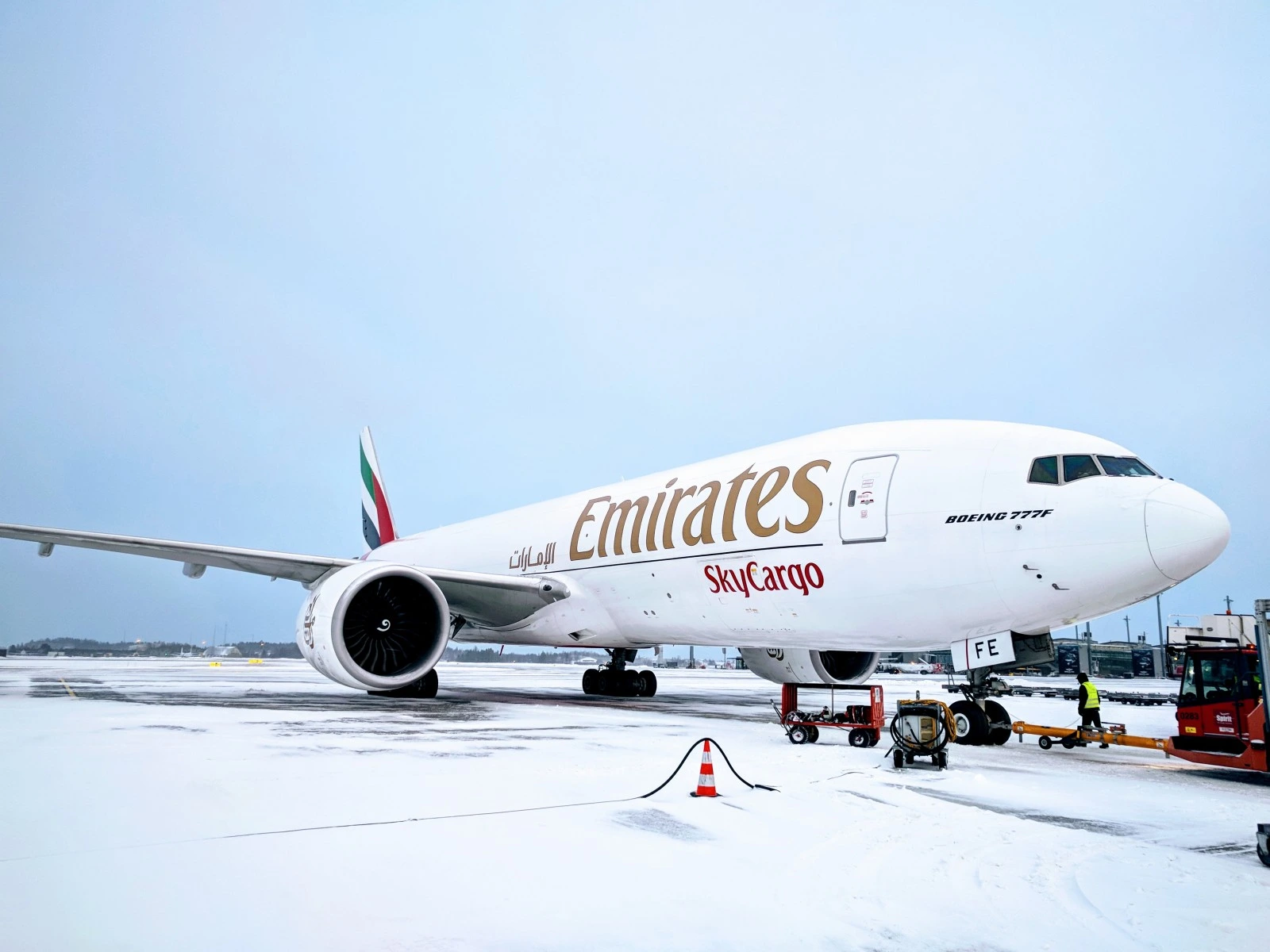
What Emirates Is Actually Prioritizing Under Clark in 2026
Compensation aside, Clark’s public statements and Emirates’ order book point to a clear 2026 agenda:
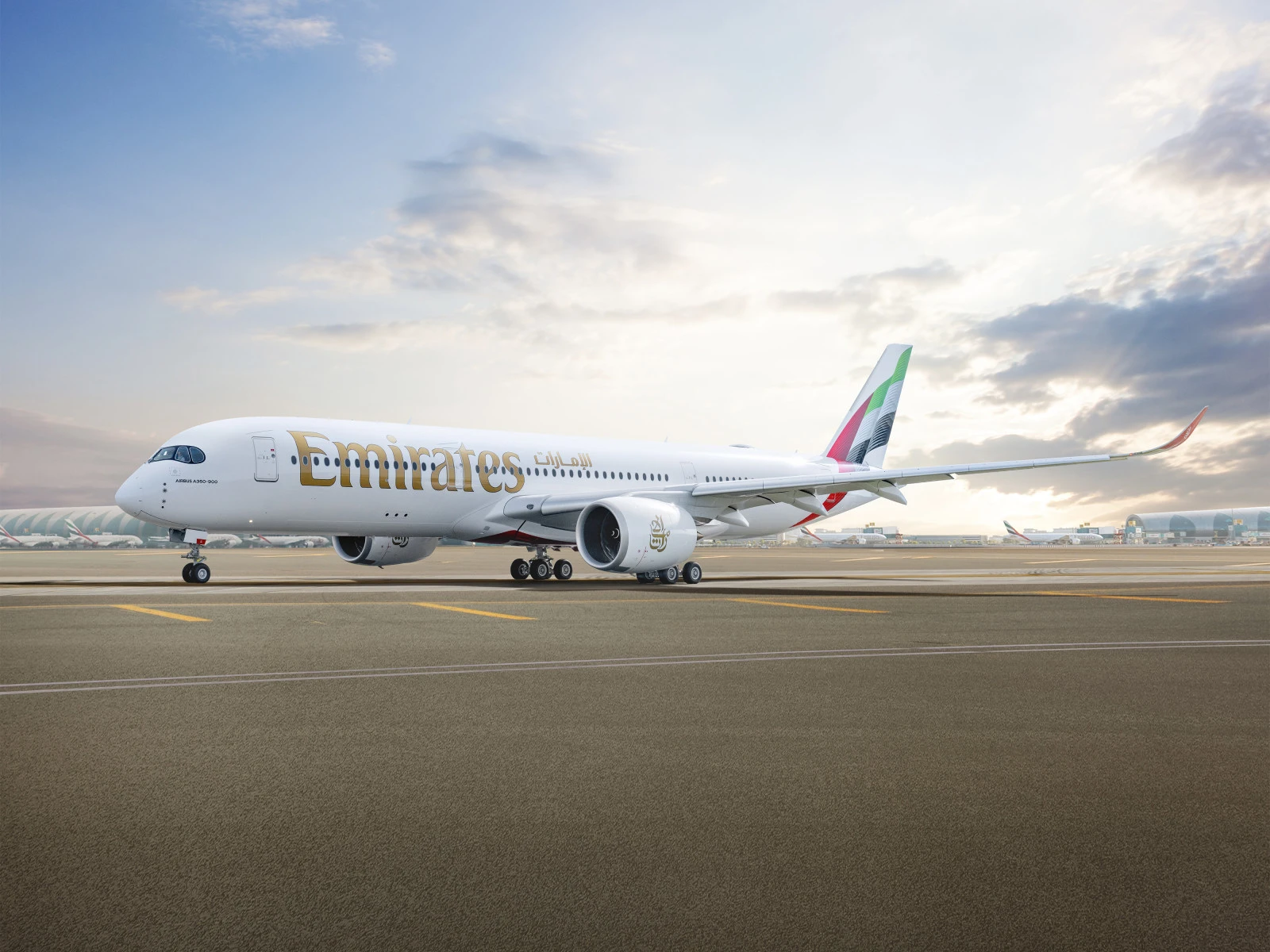
- Fleet renewal. At the November 2023 Dubai Airshow, Emirates placed a $52 billion list-price order for 95 additional Boeing widebodies — 55 more 777-9s and 35 777-8s — plus a follow-on Airbus order for 15 more A350-900s, taking that total to 65.
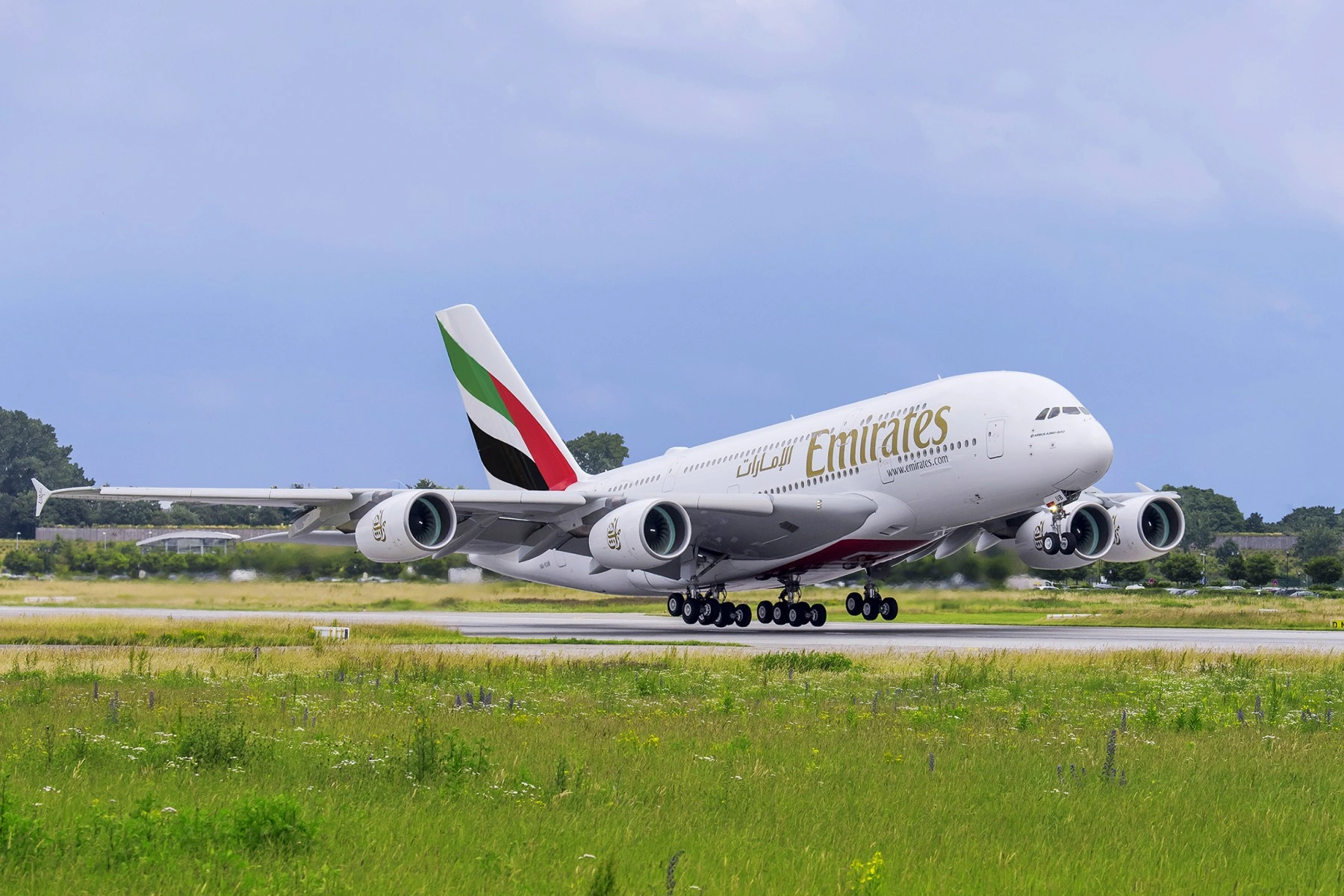
- Life after the A380. Clark has said Emirates is entering what he calls its “third epoch,” acknowledging the A380 — the aircraft that defined Emirates’ brand for two decades — will eventually be phased out as 777X and A350 deliveries ramp up.
- Premium cabin investment. Clark has been personally hands-on with interior design, particularly First Class suites, telling Reuters he’s spent enormous time on cabin details even as engine-certification delays (which he’s called “defective” Rolls-Royce XWB-97s on the A350-1000) have pushed some capacity back toward Boeing options.
- Hub strategy. Emirates continues to lean on Dubai’s geography to run a long-haul “sixth freedom” connecting-hub model that CAPA credited, in naming Clark Executive of the Year, with having “changed the map of world aviation”.
Bottom Line
There is no verified salary figure for Tim Clark — not AED 25 million, not any other specific number. Emirates’ ownership by the Dubai government, with no listed shares and no statutory pay disclosure, means his compensation simply isn’t public information, and neither is that of his direct Gulf peers, Qatar Airways’ Hamad Al-Khater or Etihad’s Antonoaldo Neves. What is verifiable is a 40-plus-year aviation career, more than two decades as Emirates President, a knighthood, multiple industry lifetime-achievement honors, and a fleet strategy currently running into the tens of billions of dollars. If a precise number gets attached to his name, ask where it came from — in Clark’s case, as with most Gulf-carrier executives, the honest answer is: nowhere on record.
FAQs
What is Tim Clark’s confirmed 2026 salary? There is no confirmed figure. Emirates is government-owned and does not publish executive compensation, so any specific number is an unsourced estimate.
Is Emirates’ pay disclosure different from Qatar Airways or Etihad? No — all three are state-owned Gulf carriers with no shareholder-facing pay disclosure. This is different from listed groups like Lufthansa or Air France-KLM, which are legally required to publish top-executive pay.
Who currently leads Qatar Airways? Hamad Al-Khater became Group CEO on December 7, 2025, replacing Badr Mohammed Al-Meer in an unannounced leadership change. Any 2026 comparison naming Al-Meer as the sitting CEO is outdated.
What is Emirates’ main strategic focus in 2026? Fleet renewal (777X, A350, and continued A380 operation while planning its eventual retirement), premium cabin upgrades, and reinforcing Dubai’s hub-connectivity model.