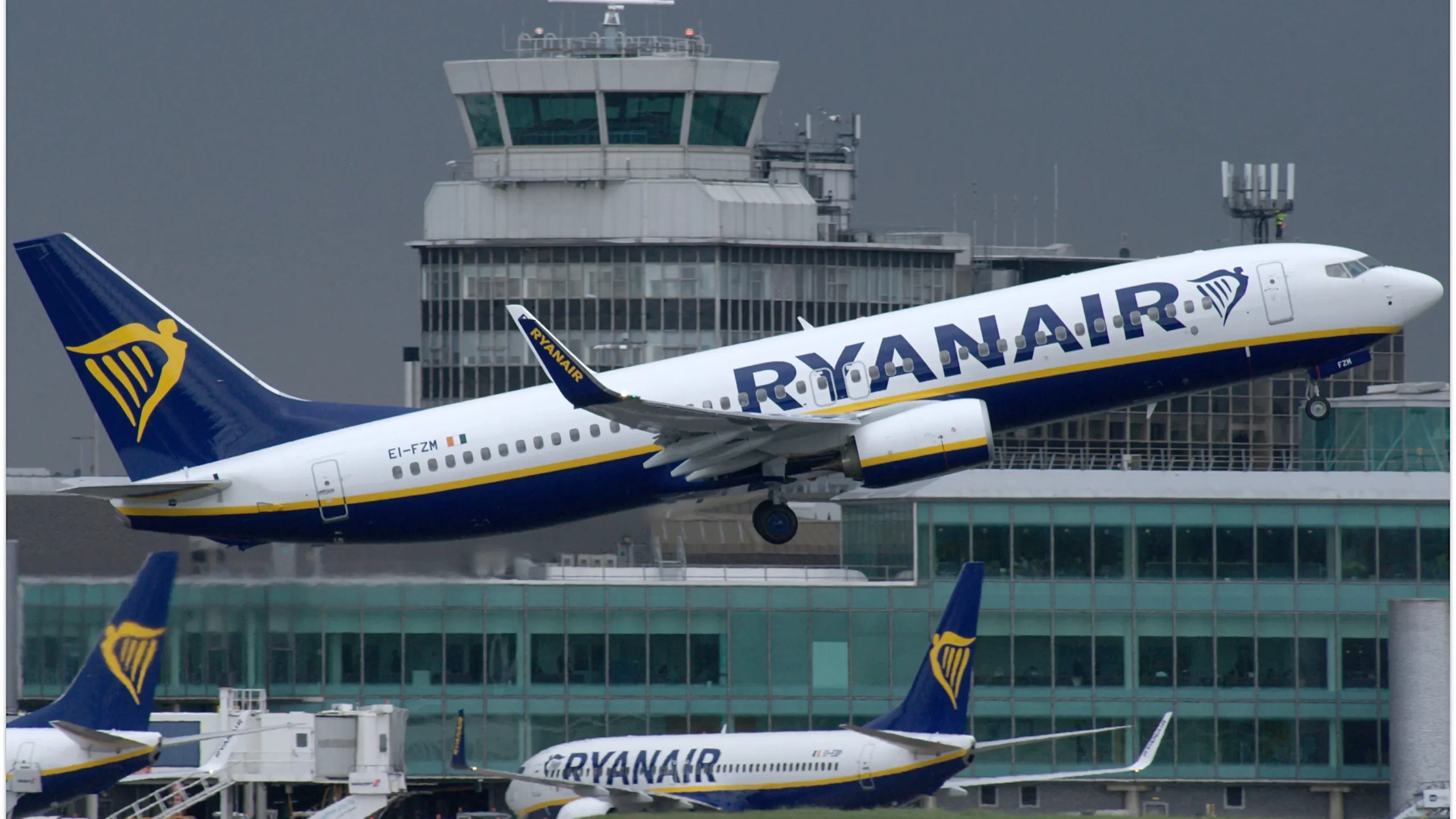
Ryanair (FR) said on June 25, 2026, that it will let parents sit beside young children for free, ending a long-running policy that required adults to pay for the privilege. The change follows a UK Competition and Markets Authority (CMA) investigation, opened on June 11, 2026, into whether the airline’s family seating fee broke consumer law.
Under the old rule, parents traveling with children aged 2 to 11 had to pay roughly £8 each way to reserve a seat next to their child. Ryanair calls the new arrangement a reluctant concession, not an admission of wrongdoing, and the CMA’s investigation remains open.
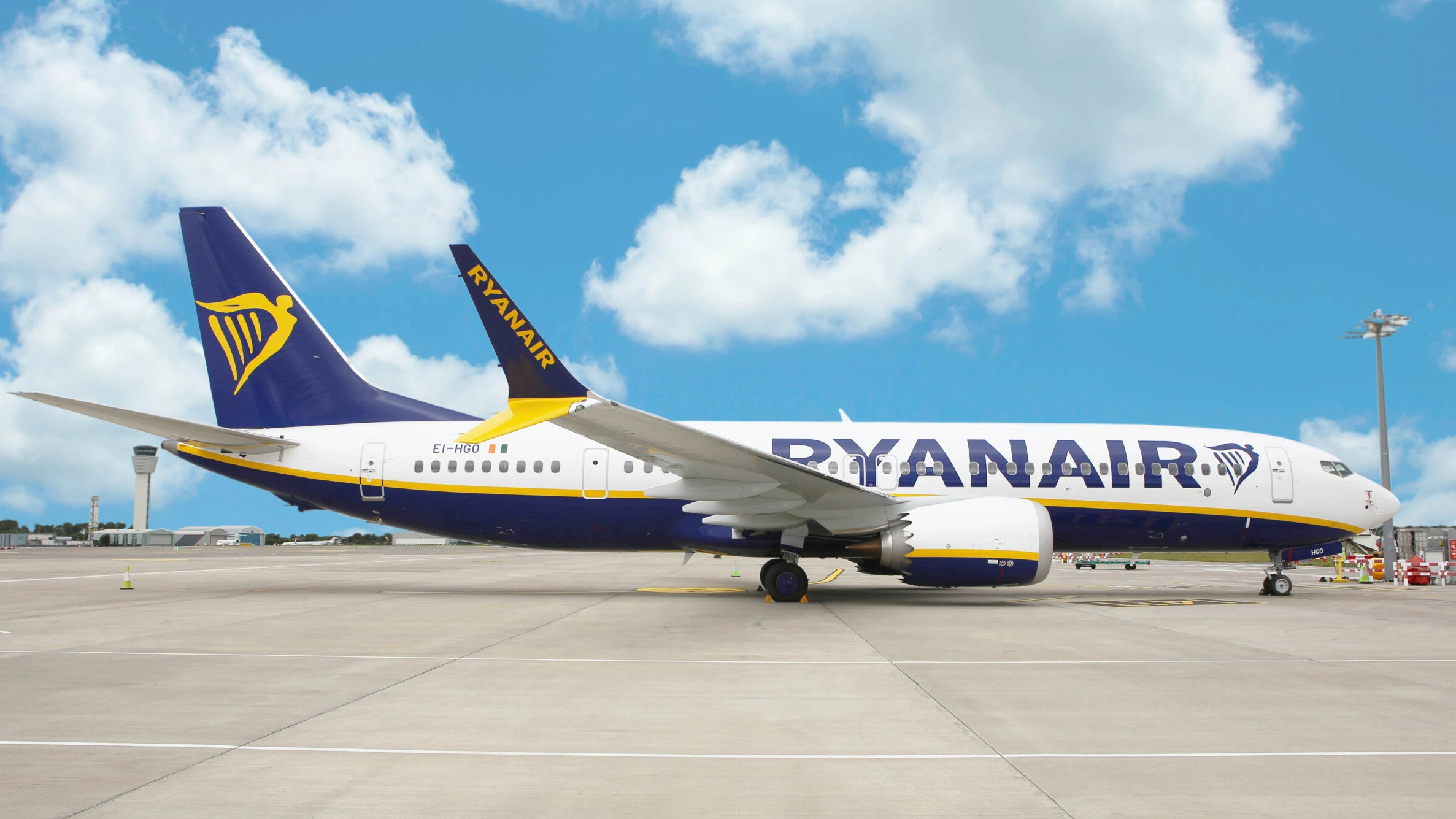
What the CMA Investigation Found
The CMA launched its probe on June 11 after a complaint from the consumer group Which?. Investigators wanted to know whether Ryanair’s contract term counted as an unfair contract term, since Ryanair’s terms and conditions require at least one parent to sit with children aged 2 to 11 when they fly through a charge the airline calls a “mandatory family seat.”
For every other passenger, reserving a seat is optional, and this fee applies to both outbound and return flights, typically costing around £8 each way. Regulators also examined whether the airline buried that cost during checkout, since UK rules barred businesses from hiding mandatory fees behind a lower headline price.
The CMA said it understands Ryanair is the only major airline flying out of the UK to impose this charge, and that other carriers either seat children with a parent for free or allocate seats together automatically during booking. UK law does not technically require airlines to seat families together, though the Civil Aviation Authority advises that young children should ideally sit in the same row as their accompanying adult.
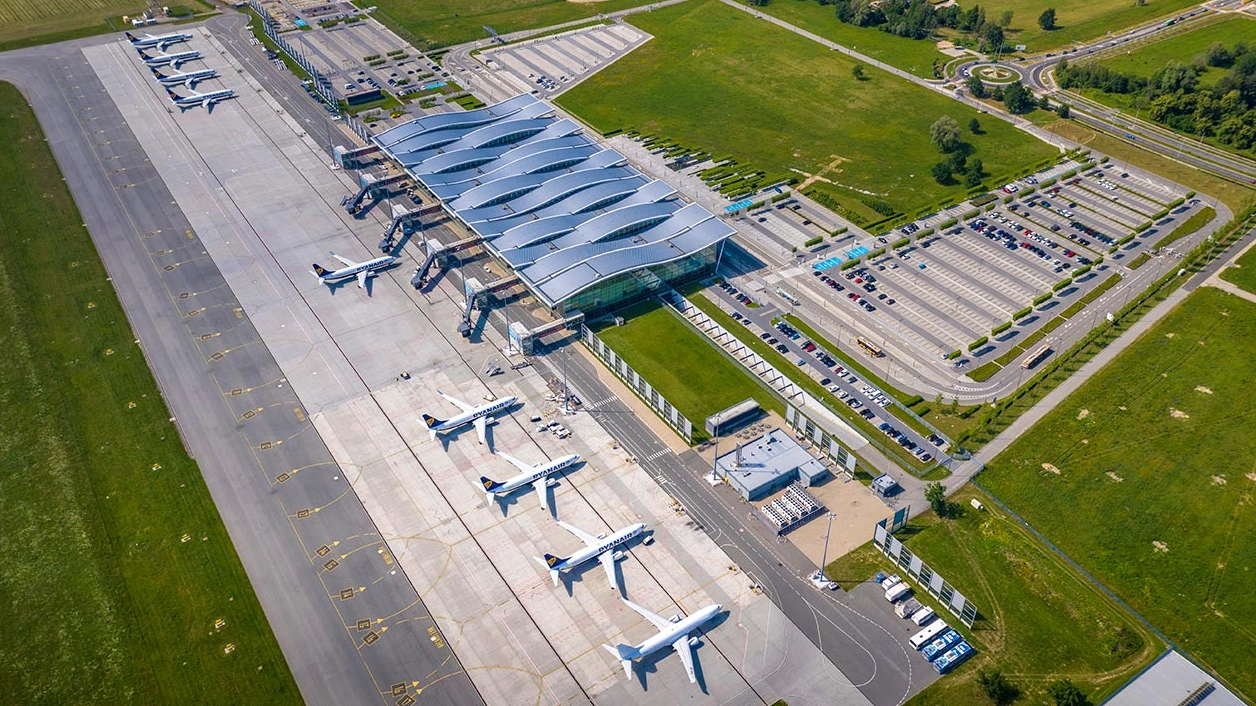
Ryanair’s Old Policy and its Loophole
Ryanair (FR) had structured its family seating system in a way that technically complied with the letter of seating rules while still generating revenue.
Under the old model, parents paid for one seat reservation, and the airline then let up to four children select adjacent seats at no extra charge, a structure that regulators argued was possibly an unfair contract term, since only families had to pay for assigned seats while other passengers could roll the dice on the seats they got.
The airline maintained that this approach never broke any rules. Ryanair said its “long-standing family seating policy fully complies with all relevant laws and regulations” and “does not charge any fee for children to sit beside their parent or accompanying adult.”
The carrier added that the policy “has given families certainty of seat allocation at the time of booking, which families have valued as much as they have valued Ryanair’s lowest fares.”
What Changes Under the New Policy
Starting with bookings made on June 25, 2026, the rules shift. Adults traveling with children who do not want to pay for seat selection will instead receive a free seat allocation, but only after they check in.
- Parents who skip the seat-selection fee will be told their seating only after online check-in, not at the time of booking.
- Families opting for the free allocation will likely end up toward the rear of the aircraft, since Ryanair treats front-cabin seats as a premium product.
- Families who still want a guaranteed seat at booking, or one closer to the front, will have to pay the standard seat-reservation fee for every member of their party, regardless of age.
This brings Ryanair roughly in line with the rest of the industry. The airline acknowledged as much, stating the change will “align Ryanair’s family seating policy with that of most other EU airlines.”
Ryanair’s chief executive did not frame the change as a concession to good policy. Instead, O’Leary criticized the CMA directly, arguing the regulator was forcing the airline to adopt a worse system simply because it matched what competitors already do:
“Instead of promoting competitiveness and lower fares for consumers, the CMA is on a mission to force Ryanair to adopt the less transparent and less consumer-friendly family seating policy applied by most other airlines – just because it’s the industry standard,”
….O’Leary said, according to Paddle Your Own Kanoo’s reporting.
He went further in describing the practical effect on families:
“We will reluctantly adjust to this industry standard as we don’t want to waste time explaining to misguided regulators how badly they misunderstand what is in the best interest of UK and Europe’s consumers,”
O’Leary added:
“Under our revised family seating policy, families may have to wait until after they have checked in to find out their seat allocation and are more likely to be seated at the rear of the cabin, but at least the CMA will be able to claim they have done something for consumers. Sadly, most consumers won’t notice.”
Reaction from Consumer Advocates
Which?, the group whose complaint triggered the CMA probe, welcomed the policy shift but criticized how long it took the airline to act. Rory Boland, editor of Which? Travel, argued the change should never have needed regulatory pressure in the first place.
“It should never have required Which? to report Ryanair’s unfair seating policy to the CMA to prompt action on these unjustified charges,” Boland said, according to Travel Weekly. “It was never fair to charge parents to sit next to children as young as three.” He added that Which? would keep monitoring whether “all parents are seated next to their children without charge over the next few months.”
The CMA itself struck a measured tone when it opened the case, emphasizing the financial pressure facing families. Hayley Fletcher, the CMA’s Senior Director of Consumer Protection, said:
“Lots of families save up to afford a summer holiday and we know that extra charges can quickly bump up the price. Our investigation will consider Ryanair’s approach to family seat reservations and how the cost is presented to consumers to determine whether they comply with consumer law.”
All in All
A comparison published by One Mile at a Time framed the move as consistent with the airline’s broader communication style: making a real concession while simultaneously mocking the regulator that prompted it. The outlet noted that Ryanair’s public statement leaned on sarcasm rather than an apology, a pattern that has defined much of the airline’s public messaging under O’Leary.

.jpg)