A United Airlines (UA) flight from Shanghai to San Francisco diverted to Japan on June 24, 2026, after a passenger got into what the airline called a “small quarrel” with a flight attendant. The crew dumped an estimated $30,000 to $50,000 worth of jet fuel to land safely, less than two hours after takeoff on a flight from Shanghai Pudong (PVG) to San Francisco International Airport (SFO).
Police boarded the aircraft after it landed and removed the passenger. Witnesses say confusion, not clear wrongdoing, defined the entire episode.
Key Facts at a Glance
| Category | Details |
|---|---|
| Flight | United Airlines Flight UA858 |
| Route | Shanghai Pudong International Airport (PVG) → San Francisco International Airport (SFO) |
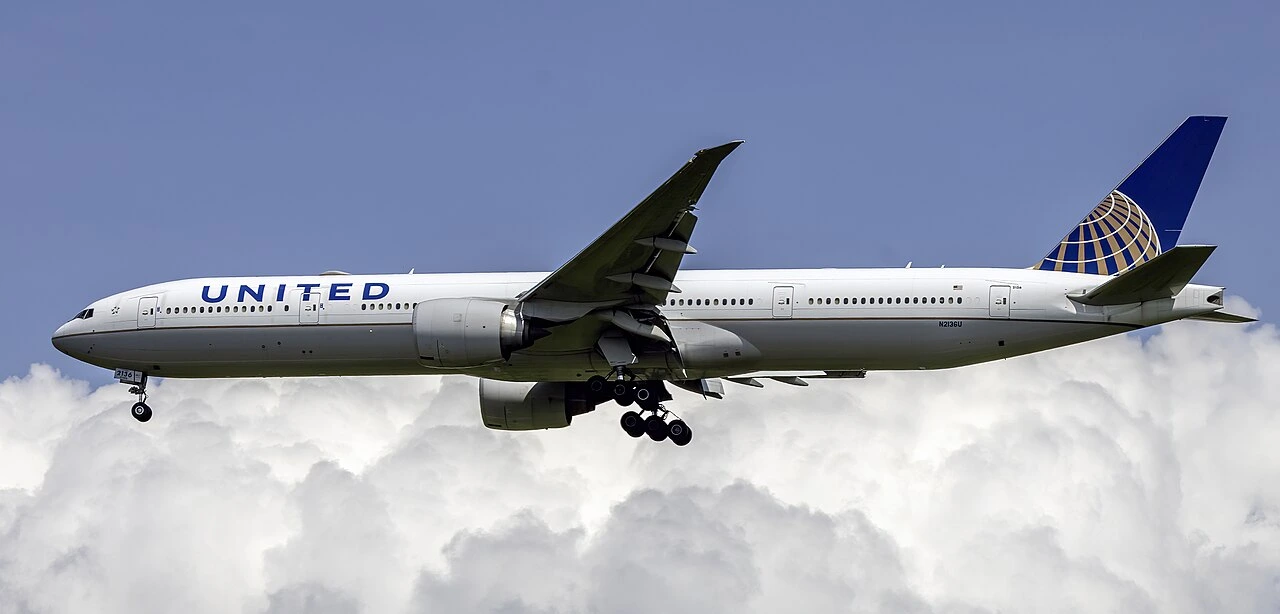
| Aircraft | Boeing 777-300ER (9 years old) |
| Passengers & Crew | 285 passengers, 16 crew members (301 people onboard) |
| Departure | 12:43 p.m. local time, June 24, 2026 |
| Diversion Airport | Tokyo Narita Airport (NRT) (most reports); one source identified Kansai International Airport (KIX), Osaka |
| Landing Time | 4:37 p.m. local time |
| Estimated Fuel Cost | US$30,000–US$50,000 |
What Happened on Flight UA858
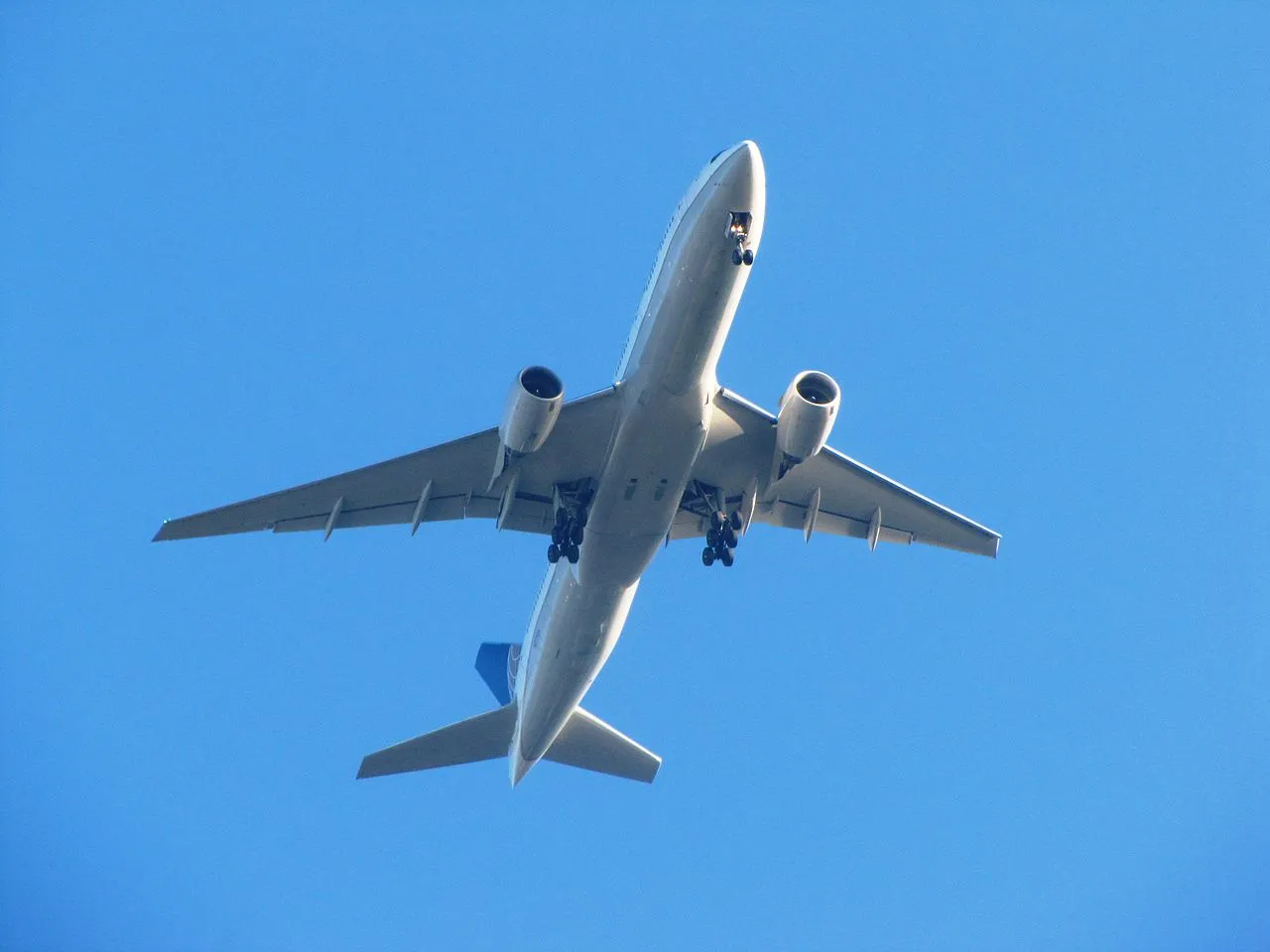
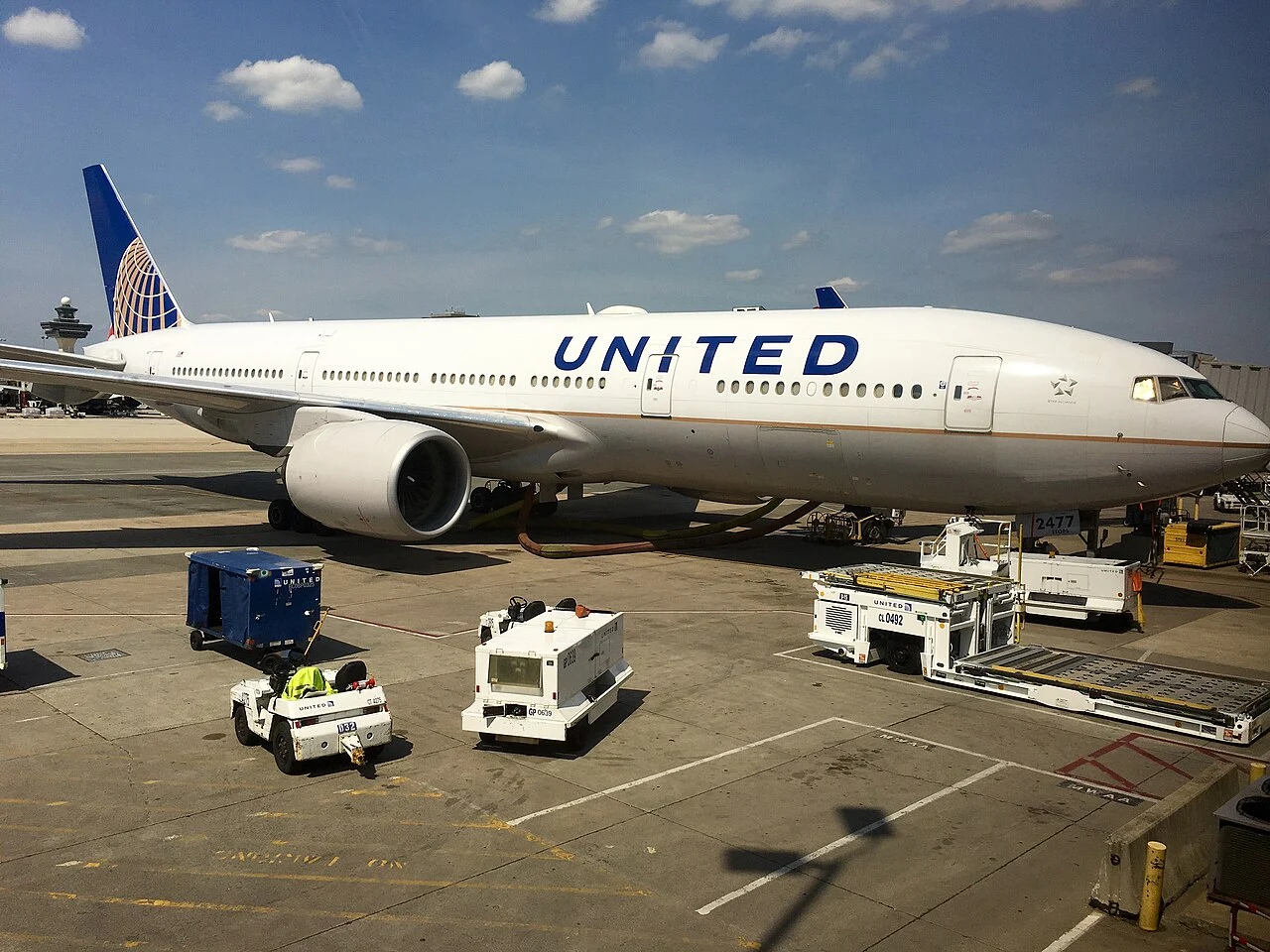
United flight UA858 left Shanghai Pudong International Airport (PVG) at 12:43 local time. The aircraft was a Boeing 777-300 carrying 285 passengers and 16 crew.
The jet climbed to a cruising altitude of 31,000 feet as the first meal service began. Trouble started almost right away in the economy cabin.
A middle-aged Chinese-speaking woman tried to show fellow passengers what she described as proof that crew members were mistreating her, according to a passenger account published by Paddle Your Own Kanoo. The flight attendants soon noticed her behavior and stepped in to ask what was happening.
The Dispute with the Flight Attendant
She accused the crew of trying to “oppress” her, the witness said. The flight attendants tried to calm the situation and called the lead crew member, known as the purser, to speak with her directly.
By the time the purser reached her seat, the woman appeared to be resting with her eyes closed. When the purser tapped her shoulder for attention, she elbowed back in what looked like a startle reflex, as if signaling not to be touched. The purser then raised her voice, and the exchange escalated into shouting, the witness added.
Tensions did not ease after that. When she was later given food, she threw the trash on the floor of her row, leaving a mess around her seat. A separate witness account, reported by Simple Flying, said she alternated between claiming she was being “oppressed” and speaking aggressively in Chinese.
Why the Crew Chose to Divert
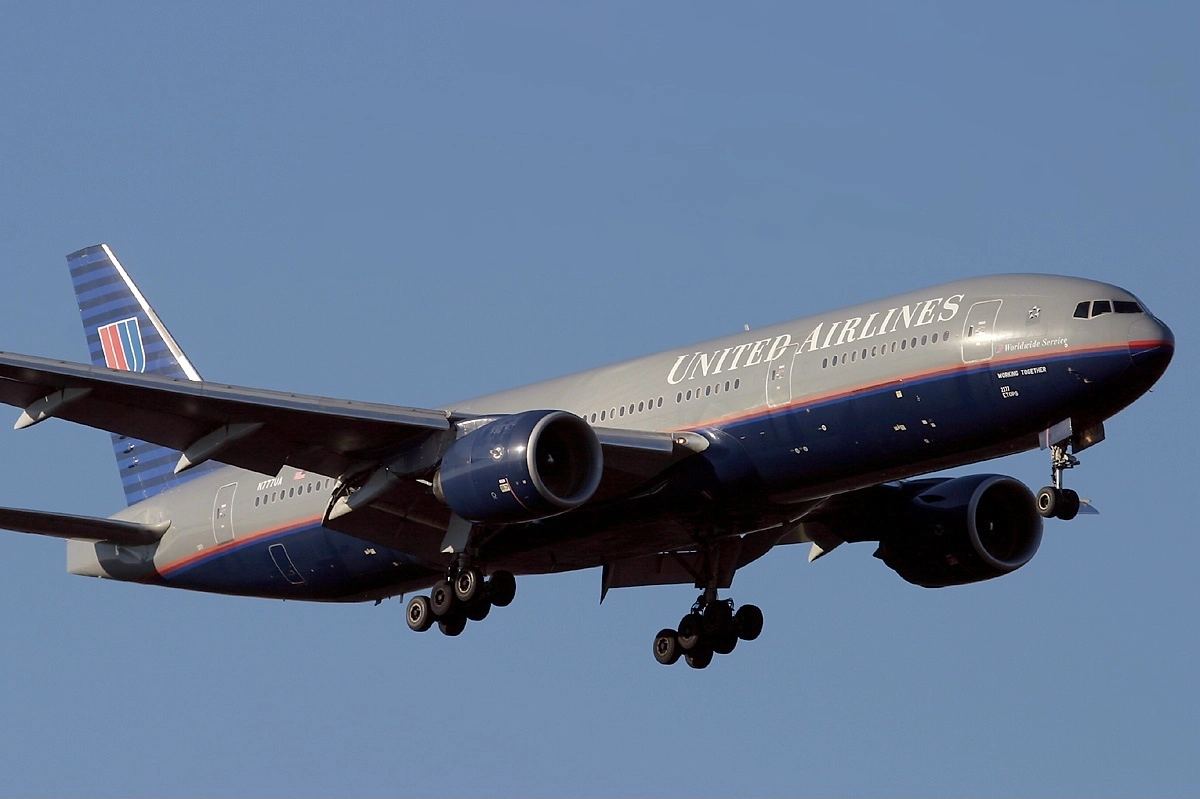
About two hours after departure, the captain decided to divert rather than continue the roughly 11-hour transpacific crossing. The crew diverted the jet to Tokyo Narita Airport, where it touched down at 4:37 p.m. local time, according to flight tracking data.
That decision lines up with standard crew authority on long-haul flights. Flight attendants can ask a captain to divert if they believe a situation will not improve, and the captain has final say once the aircraft is airborne.
One witness offered a blunt summary of the whole affair: “Personally, I felt it was a mix of misunderstanding, overreaction, and mismanagement from both sides.”
The cost of Dumping Fuel Mid-Flight
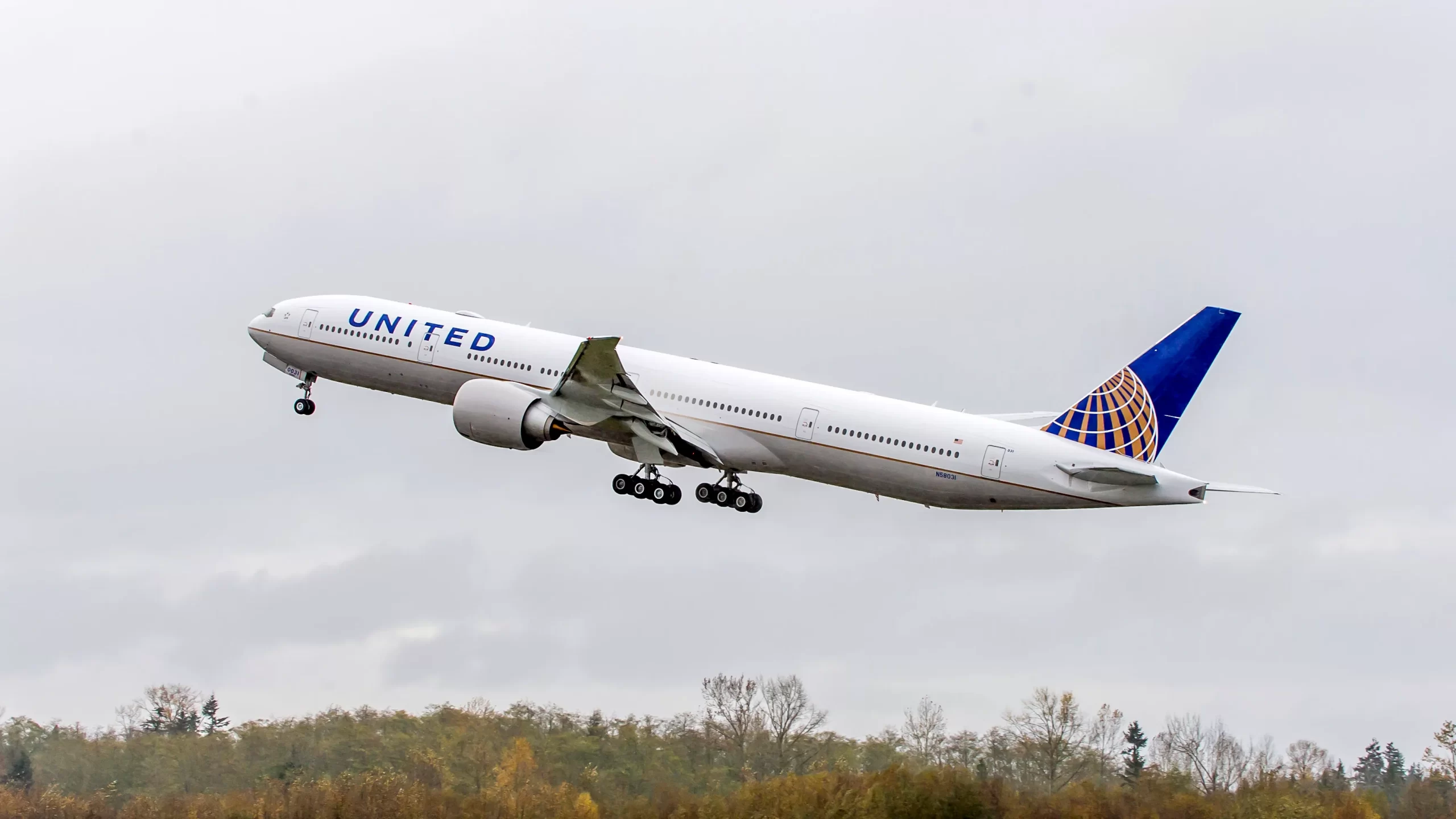
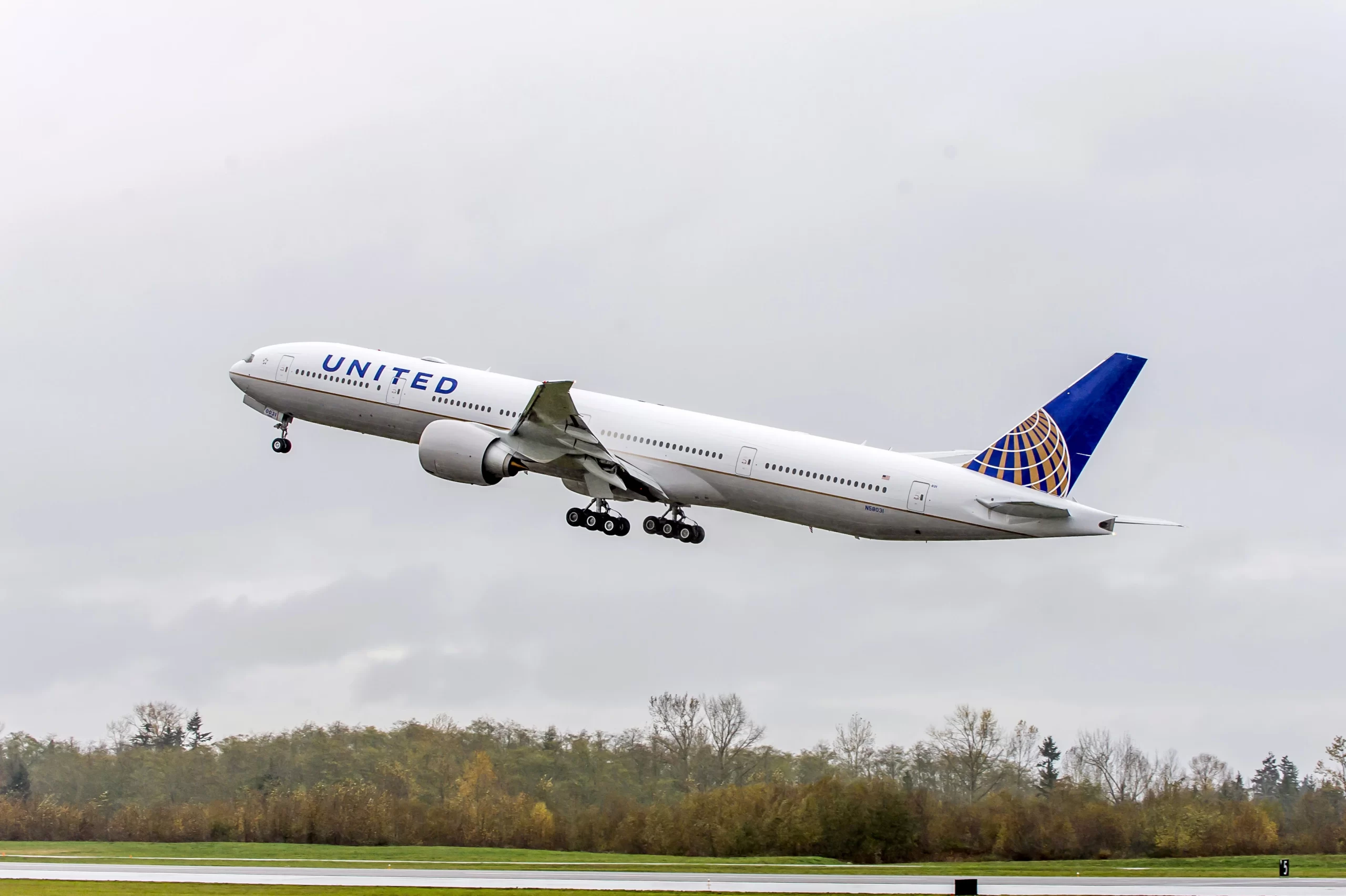
Diverting so soon after takeoff created a problem of its own. The 777 had been loaded with enough fuel for an 11-hour ocean crossing, which made it too heavy to land safely at a much closer airport.
To bring the aircraft down to a safe landing weight, the crew jettisoned fuel before descending into Narita. Estimates of the cost varied by outlet:
- Paddle Your Own Kanoo and AeroXplorer put the loss at roughly $50,000.
- Simple Flying, citing separate calculations, put the figure closer to $30,000.
Police Response and Removal in Japan
Seven officers from the Chiba Prefectural Police responded when the plane touched down to escort the traveler, who continued alternating between accusations of being “oppressed” and speaking aggressively in Chinese.
Witnesses on board said the confusion did not end once police arrived. According to Paddle Your Own Kanoo, neither the woman nor the responding officers initially appeared certain why she was being removed, which suggests the situation looked murkier on the ground than the in-flight dispute had suggested.
Another account, shared with the New York Post and cited in coverage from Yahoo News, described her conduct in starker terms:
“She tossed all the documents in her seat pockets in the air, shouted cuss words periodically, and also periodically started hitting herself.”
Conflicting Reports on the Diversion Airport
Most flight-tracking-based reports, including Yahoo News and the witness account published by Paddle Your Own Kanoo, say the aircraft diverted to Tokyo Narita following an argument between a flight attendant and a passenger. AeroXplorer’s write-up of the same incident instead named Kansai International Airport in Osaka as the diversion point.
Flightradar24 data referenced in the Simple Flying report supports the Narita version of events, as does a flight-tracking post from aviation account Turbine Traveller on X, which confirmed the passenger, a middle-aged Chinese woman, became involved in a dispute with the flight attendant, prompting the diversion to Narita. After landing, Japanese police boarded the aircraft and escorted her off the plane.
United Airlines has confirmed the diversion took place but has offered little detail beyond describing the dispute as a “small quarrel.” The carrier has not said whether the passenger faced legal consequences in Japan or whether she was placed on a no-fly list.
The airline also has not disclosed what triggered the original disagreement with the flight attendant. Japanese authorities have likewise stayed quiet beyond confirming officers met the aircraft.
All in All
Witnesses and aviation commentators have floated the possibility that the passenger experienced a medical or psychological episode rather than ordinary unruly behavior. A passenger-conduct newsletter published by Paddle Your Own Kanoo argued that limiting contact with her may have been the safest course for the crew, given that the flight attendants appeared to be the trigger for her distress.
That same analysis noted that pilots have to weigh whether a disruptive situation can be managed safely for the rest of an 11-hour transpacific flight, especially on a route with few diversion options over open ocean. Diverting early, even at a cost of tens of thousands of dollars in fuel, can be the more cautious choice when a passenger’s condition is uncertain.

_@_Washington_Dulles,_2016.jpg)

