Nepal has spent more than 15 years promising to separate its civil aviation regulator from its service provider, a reform demanded by international safety bodies. Fifteen tourism ministers have held office since the push began, yet the legislation needed to split the Civil Aviation Authority of Nepal (CAAN) has never passed, according to The Kathmandu Post.
The consequence is concrete. On June 9, 2026, the European Commission published its 48th update to the EU Air Safety List and kept Nepal on it, citing a lack of meaningful progress on aviation governance, per the European Commission. The new government, led by Balendra Shah, has now set a fresh deadline of mid-January 2027 to finally split the authority.
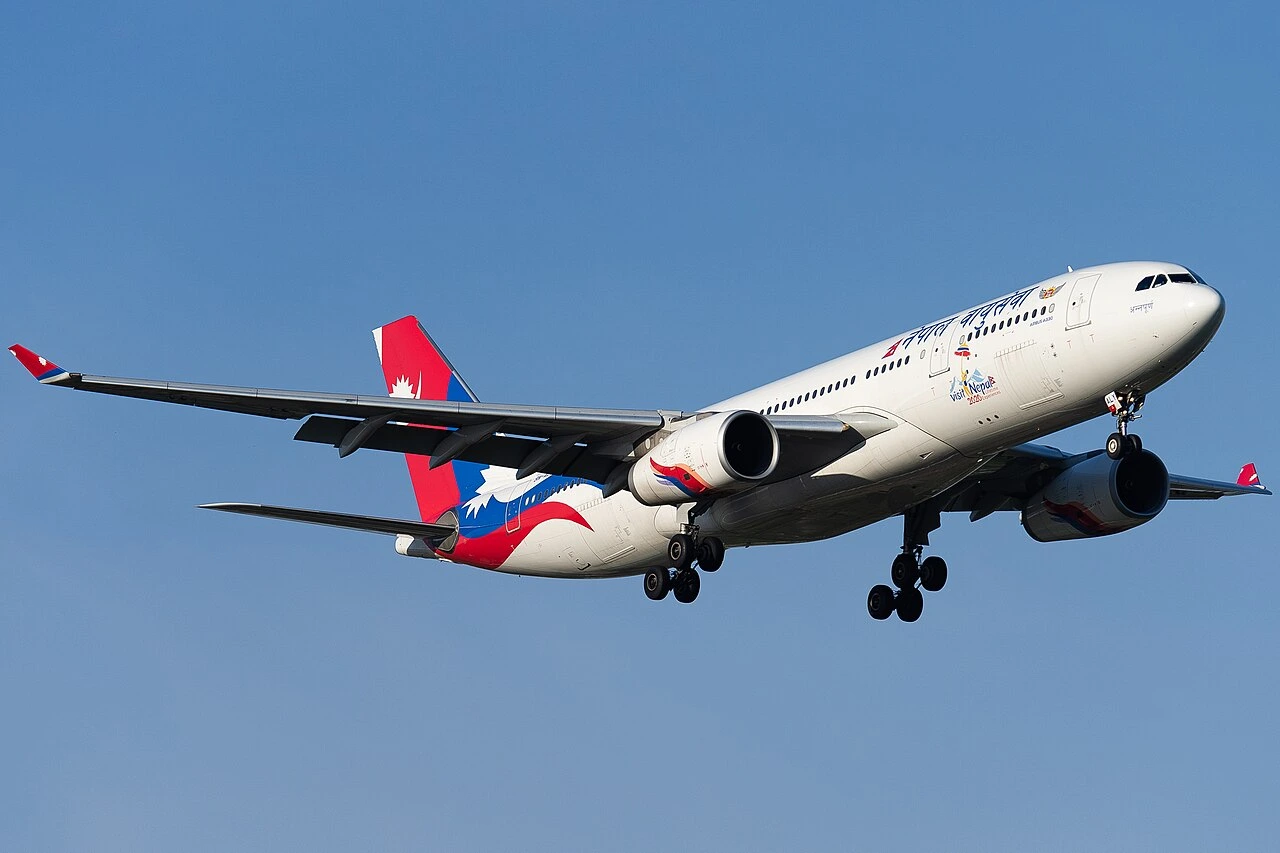
What The CAAN Split Would Change
CAAN currently performs two roles at once. It regulates Nepal’s airlines for safety, and it also operates Nepal Airlines and the country’s airports.
International aviation bodies argue this dual role creates a conflict of interest. An organization cannot credibly police itself.
The proposed reform splits CAAN into two separate bodies:
- A regulator responsible for oversight and safety compliance
- A service provider responsible for airport operations and air navigation services
Two bills underpin this plan. The Civil Aviation Authority of Nepal Bill and the Air Service Authority of Nepal Bill together form the legal basis for the split.
Indu Ghimire, joint secretary at the Ministry of Culture, Tourism and Civil Aviation, said the bills are moving forward internally. “We are working on the civil aviation bills internally,” Ghimire said, according to The Kathmandu Post. She added that the ministry is “on track to meet the mid-January deadline” once internal assessment work is complete.
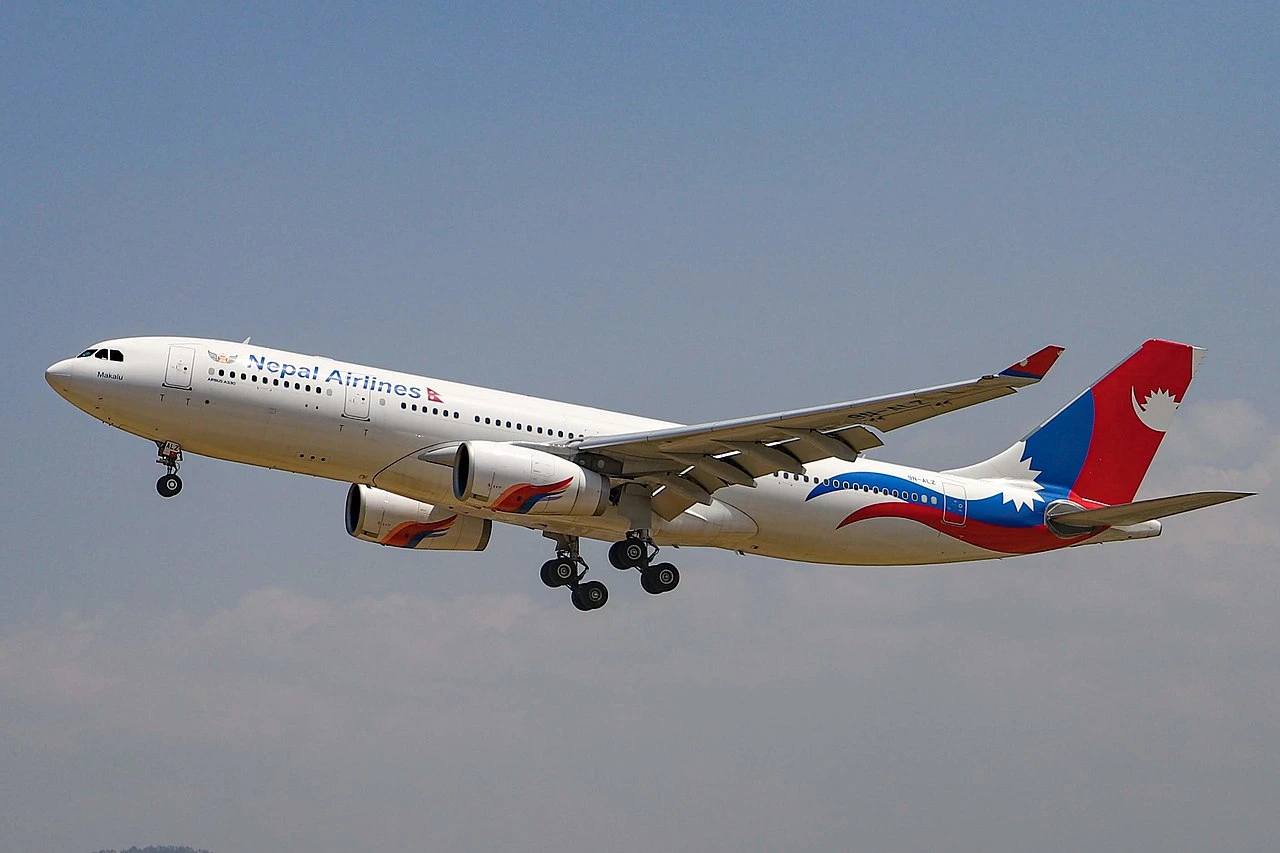
A Decade of Stalled Bills
The push for reform dates back to 2010, when Nepal signed a financing agreement with the Asian Development Bank under the Air Transport Capacity Enhancement Project. According to the Kathmandu Post, a Spanish consultancy, INECO, drafted the first version of the legislation in 2014 at a cost of $4.2 million.
The bills have moved through Parliament several times since, only to stall.
- February 2020: The legislation was registered in Parliament
- August 2021: The National Assembly unanimously endorsed both bills
- March 2022: The bills were scheduled for debate in the House of Representatives, then pulled on the same day after objections from CAAN employees
- 2022: Parliament was prorogued two weeks later, ending that attempt
- February 2025: Then tourism minister Badri Prasad Pandey re-registered the bills, but political instability stalled them again
The bills are now back at the ministry, where officials say they are incorporating feedback from employees and stakeholders before sending the legislation for inter-ministerial consultation.
Why Critics Say Reform Keeps Failing
Nepal’s aviation sector has faced long-standing criticism over political interference and weak oversight. Leadership appointments at CAAN have often reflected political loyalty rather than technical expertise, which has produced policy discontinuity each time governments change.
Nepali Congress leader Udaya Shumsher Rana has been one of the most vocal advocates for the split. Following major air accidents, Rana urged Parliament to fast-track the bills, it is imperative for CAAN into separate regulatory and operational bodies.
In 2024, Rana went further, alleging that an “invisible hand” was blocking the bills’ passage. He said former tourism ministers had told parliamentary committees that efforts to advance the legislation faced resistance from undisclosed interests.
Industry insiders have echoed this concern, suggesting that bureaucratic and political actors have resisted reform because the current structure concentrates control over significant financial resources.
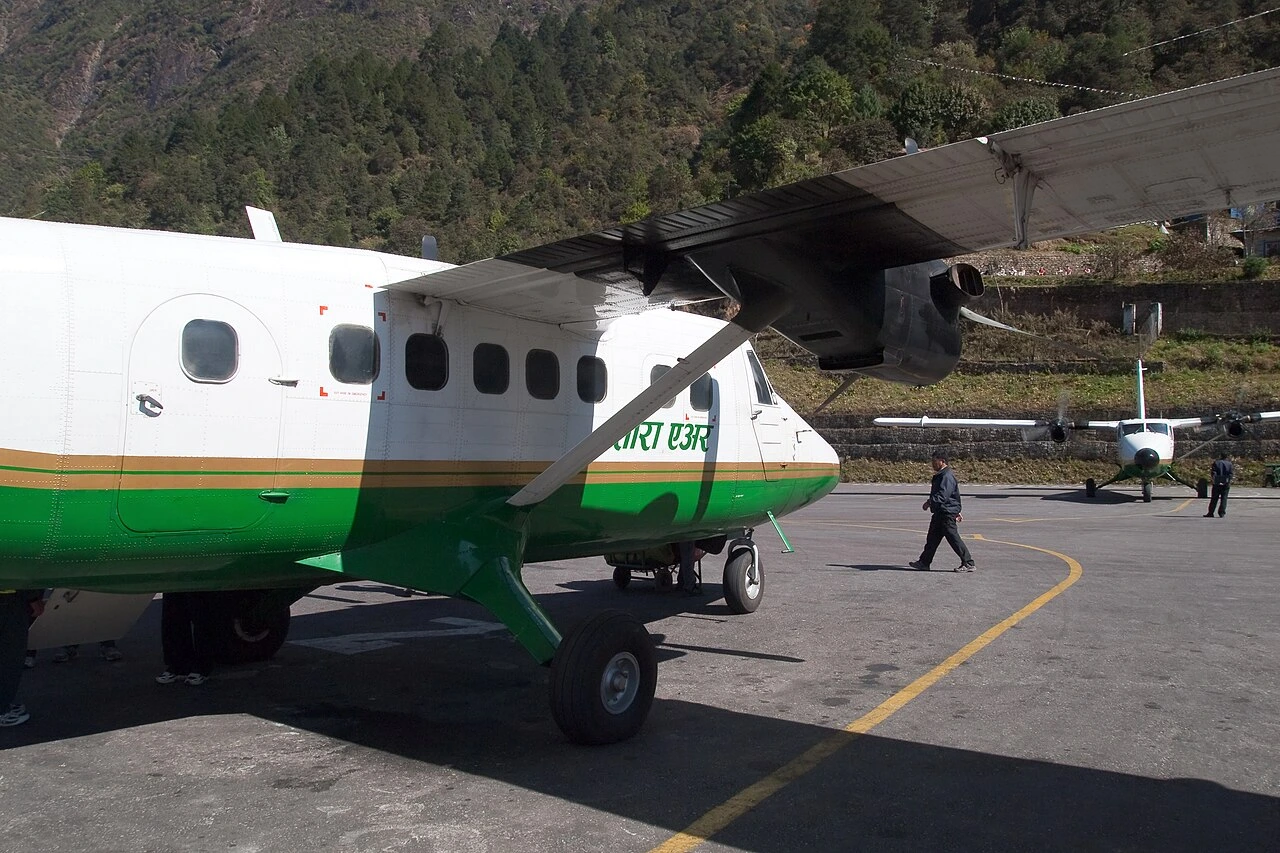
The Cost to Nepal’s Aviation Industry
Birendra Bahadur Basnet, executive chairman of Buddha Air, Nepal’s largest private airline, said the financial toll of the EU ban is difficult to measure but significant.
Basnet said the new government appears serious about the mid-January 2027 deadline, but cautioned that success depends on how independent the new regulator is allowed to be once the laws pass. “The effectiveness of the reform will be determined by the degree of autonomy granted to the regulator after the laws are formulated,” he said.
Nepal’s safety record adds urgency to the debate. Since the Covid-19 pandemic, the country has recorded eight aircraft accidents, six of them fatal, resulting in more than 100 deaths. Readers can find a fuller account of these incidents in our history of Nepal’s deadliest air crashes, which traces the chain of accidents that led to the original 2013 EU ban.
How This Compares to the EU’s Position
European officials have consistently said their concern is structural, not legislative wording. EU Ambassador Veronique Lorenzo told journalists in Kathmandu in May 2026 that nearly every Nepali minister she had met had pledged commitment to reform. “Every single minister in Nepal has worked towards that direction,” she said. “We hope there will be some progress in the future.
Lorenzo clarified that the EU has never demanded a specific legal text. “We never urged for change in legislation. We had only urged for independent functioning to end the conflict of interest,” she said.
This statement matters when set against the European Commission’s own published criteria. The Commission’s official safety list update explained that 126 airlines across 16 countries, including Nepal, remain banned due to inadequate national safety oversight, not due to any single missing law, according to the European Commission. That framing places the burden on Nepal to demonstrate independent oversight in practice, regardless of how the bifurcation bills are eventually written.
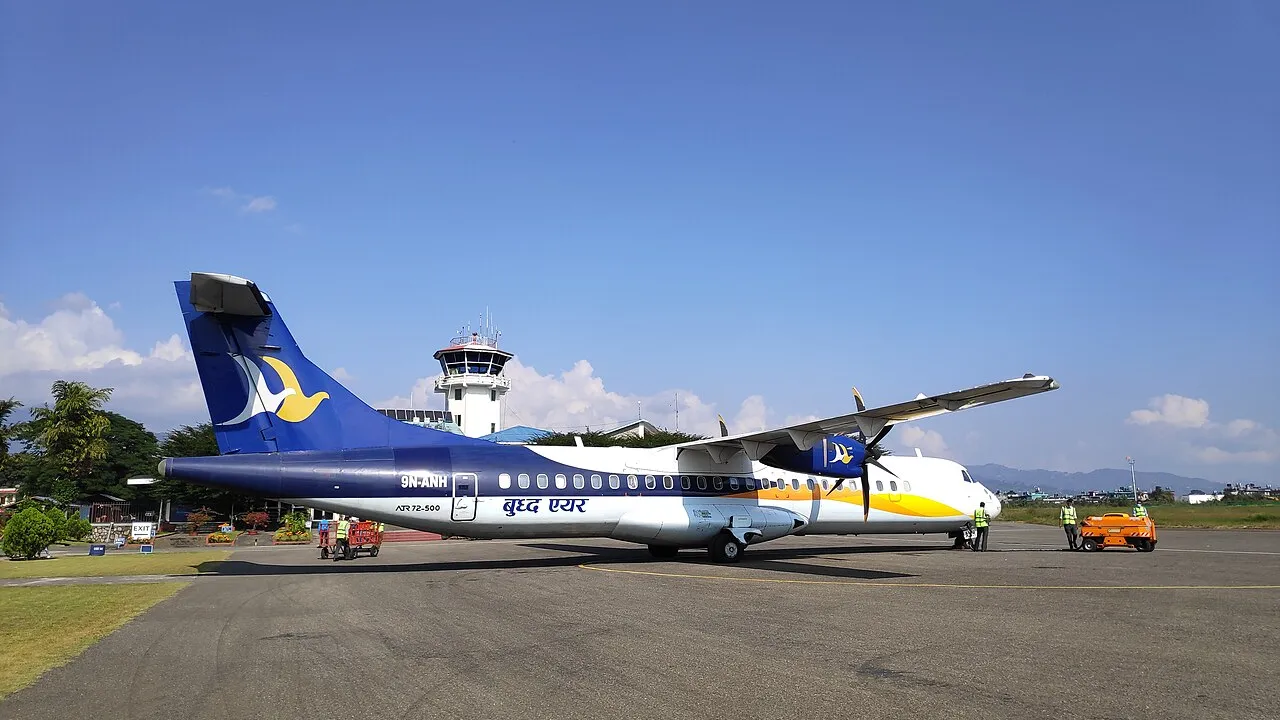
Background on the EU Ban
The European Commission imposed a blanket ban on all Nepali carriers in December 2013, following a string of fatal accidents. The crash that drew the most international attention was Sita Air Flight 601, which went down shortly after takeoff from Tribhuvan International Airport (KTM), Kathmandu, in September 2012, killing all 19 people on board, including seven British nationals.
Between 2008 and 2012, Nepal recorded at least two air crashes every year, a pattern that first triggered international scrutiny of CAAN’s oversight capacity, per The Kathmandu Post.
The issue has remained on the bilateral agenda since. It was raised at the 15th Nepal-European Union Joint Commission meeting in Kathmandu in March 2024, where both sides named air safety a priority area. In 2023, Paola Pampaloni, then deputy managing director for Asia and the Pacific at the European External Action Service, called air safety a fundamental issue, stating that passenger protection applies equally to EU and Nepali travelers.

.jpg)


