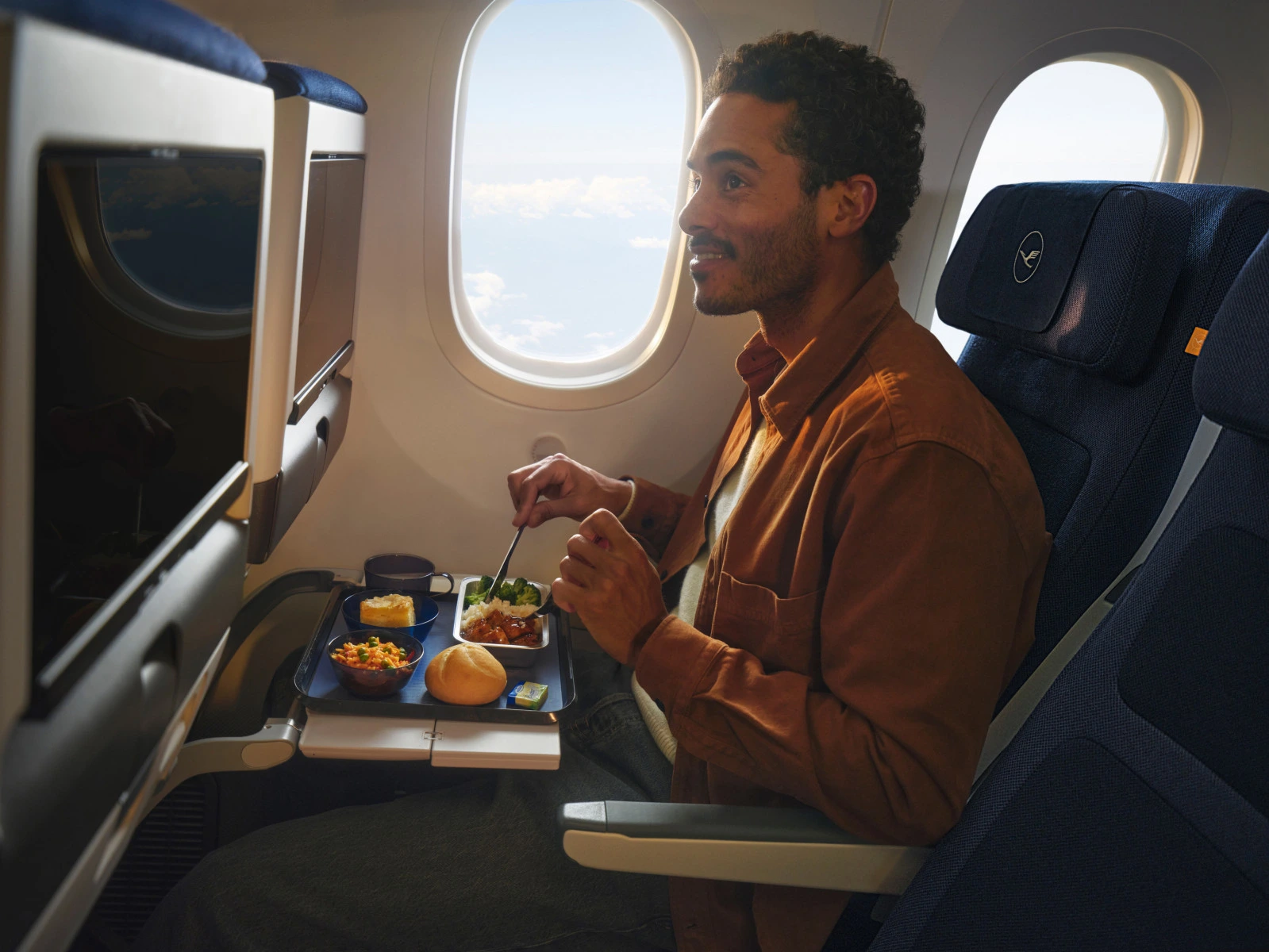
Several major airlines omit row 13 from their aircraft seating charts entirely, with seat numbering jumping directly from row 12 to row 14. The practice is a direct commercial response to triskaidekaphobia, the clinical term for the fear of the number 13, which first appeared in an American psychology journal in 1911 and continues to influence passenger behaviour (and inturn, an airline policy) to this day.
The omission costs airlines nothing in terms of actual seat count; it is a purely numerical sleight of hand intended to spare a subset of passengers the discomfort of being assigned to a row they consider inauspicious.
The phenomenon extends well beyond number 13. Airlines operating in East Asian markets frequently remove row 4 to avoid the number’s phonetic proximity to the word for death in Mandarin and Cantonese. Carriers serving Italian and Brazilian passengers often drop row 17, whose Roman numeral form (XVII) can be rearranged to spell VIXI — a Latin phrase carrying connotations of finality.
Lufthansa omits both rows 13 and 17 simultaneously, acknowledging in a widely cited 2017 tweet that these were simply “bad luck numbers” with the hashtag #bettersafethansorry. The result is that the seat-numbering logic on any given commercial aircraft reflects not just engineering and regulatory constraints, but centuries of cross-cultural fear and folklore.
Does Flying Amplify the Superstition of Number 13?
Aviation is, statistically, one of the safest forms of transport ever devised. Yet the cabin environment produces a peculiar amplification of pre-existing anxieties that rational safety data alone cannot fully suppress. Between two and five per cent of the population experience severe anxiety about flying, and up to 40 per cent of all passengers report some form of discomfort in the air.
The psychological literature on flight anxiety points to a consistent underlying mechanism: the perception of lost control. From the moment a passenger fastens their seatbelt, they relinquish agency over their immediate physical fate to an aircraft, a crew, and systems they cannot see or influence. This sense of powerlessness makes the mind particularly susceptible to compensatory rituals. A 2016 survey found that around 17 per cent of passengers report feeling better after touching the outside of the plane before boarding, making it the single most common flight superstition observed among travellers.
Passengers assign negative significance to specific row numbers for the same reason people avoid the 13th floor in office towers or hotel lifts. A 2007 Gallup poll found that 13 per cent of Americans said they would feel bothered by being assigned a room on a 13th floor. Airlines have concluded, not unreasonably, that eliminating the source of that discomfort is cheaper and simpler than arguing passengers out of it.
Professor Bruce Hood of the University of Bristol, a psychologist quoted in reporting on the Brussels Airlines logo controversy, articulated the logic plainly: “Why make [the irrational customer uncomfortable] when you don’t have to?” he asked, as reported by NBC News. “Catering to the irrational can be a rational choice.”
The Origins of 13 as an Unlucky Number
The negative associations of the number 13 have multiple competing origin points, none of them definitive and most of them rooted in pre-modern religious or mythological traditions. The two most frequently cited explanations come from Christianity and Norse mythology.
In Christian tradition, the Last Supper assembled 13 people at the table — Jesus and his 12 disciples — and it was Judas Iscariot, widely identified as the 13th to be seated, who subsequently betrayed Jesus. This association between the number 13 and betrayal or catastrophe became deeply embedded in Western European culture and has persisted through centuries of religious transmission.
The Norse account is structurally similar. Twelve gods sat together for a feast in Valhalla when Loki, the trickster deity, arrived uninvited as an unwelcome thirteenth guest. Loki subsequently engineered the killing of Baldr, the most beloved of the gods, by tricking the blind god Höðr into throwing a spear of mistletoe at him. The resulting grief plunged the world into mourning. The intrusion of a 13th figure thus became synonymous in Norse tradition with catastrophe and the disruption of divine harmony.
Beyond these dominant explanations, the Mayan calendar assigned the 13th baktun — a calendrical unit of approximately 390 years — to a predicted end-of-world event in 2012. That the world did not end in 2012 did not substantially diminish the power of the association. In Latin America, the tradition of “martes 13” (Tuesday the 13th) persists as the unlucky day equivalent, rather than the Friday the 13th familiar to Western European and North American cultures.
Which Airlines Skip Row 13, and Which Do Not?
The practice of omitting row 13 is widespread but not universal. Airlines cluster broadly into two groups: those operating primarily in Western and Middle Eastern markets, where triskaidekaphobia is most commercially significant, and major American carriers, which have largely declined to participate.
Airlines confirmed to omit row 13 on at least some of their aircraft include:
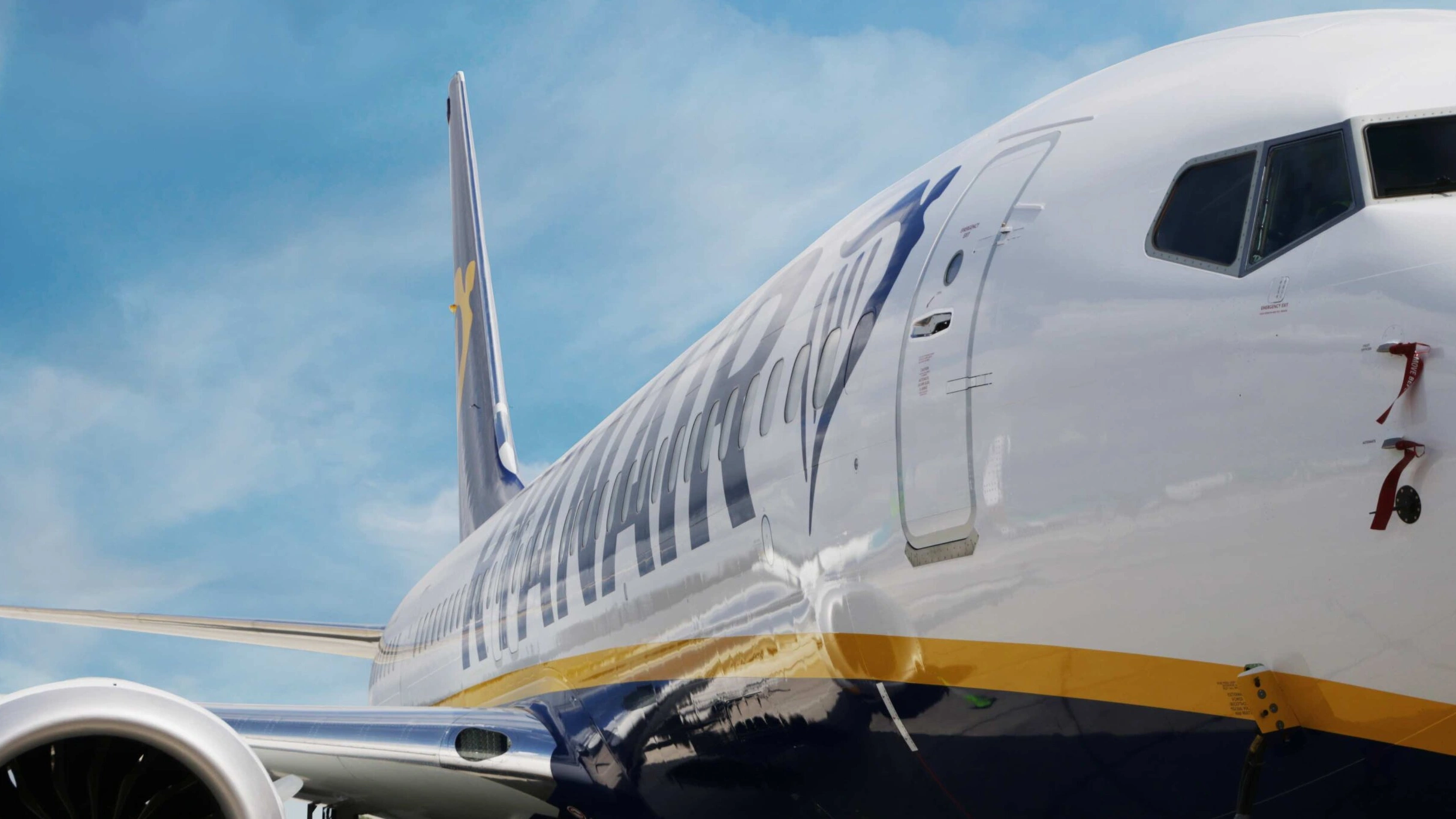
- Ryanair — omits row 13 across its entire Boeing 737 fleet
- Air France — skips row 13 on affected aircraft types
- Iberia — omits row 13 across its network
- Lufthansa — skips both rows 13 and 17
- KLM — omits row 13 on certain aircraft
- Emirates — skips row 13 across its fleet
- Qatar Airways — omits row 13 on affected aircraft
- Singapore Airlines — skips row 13 on certain aircraft
- Cathay Pacific (CX) — skips row 4 rather than 13, reflecting East Asian rather than Western superstition
- Air New Zealand — omits row 13 on certain aircraft
- Alaska Airlines — omits row 13 on its Boeing 737-800 fleet
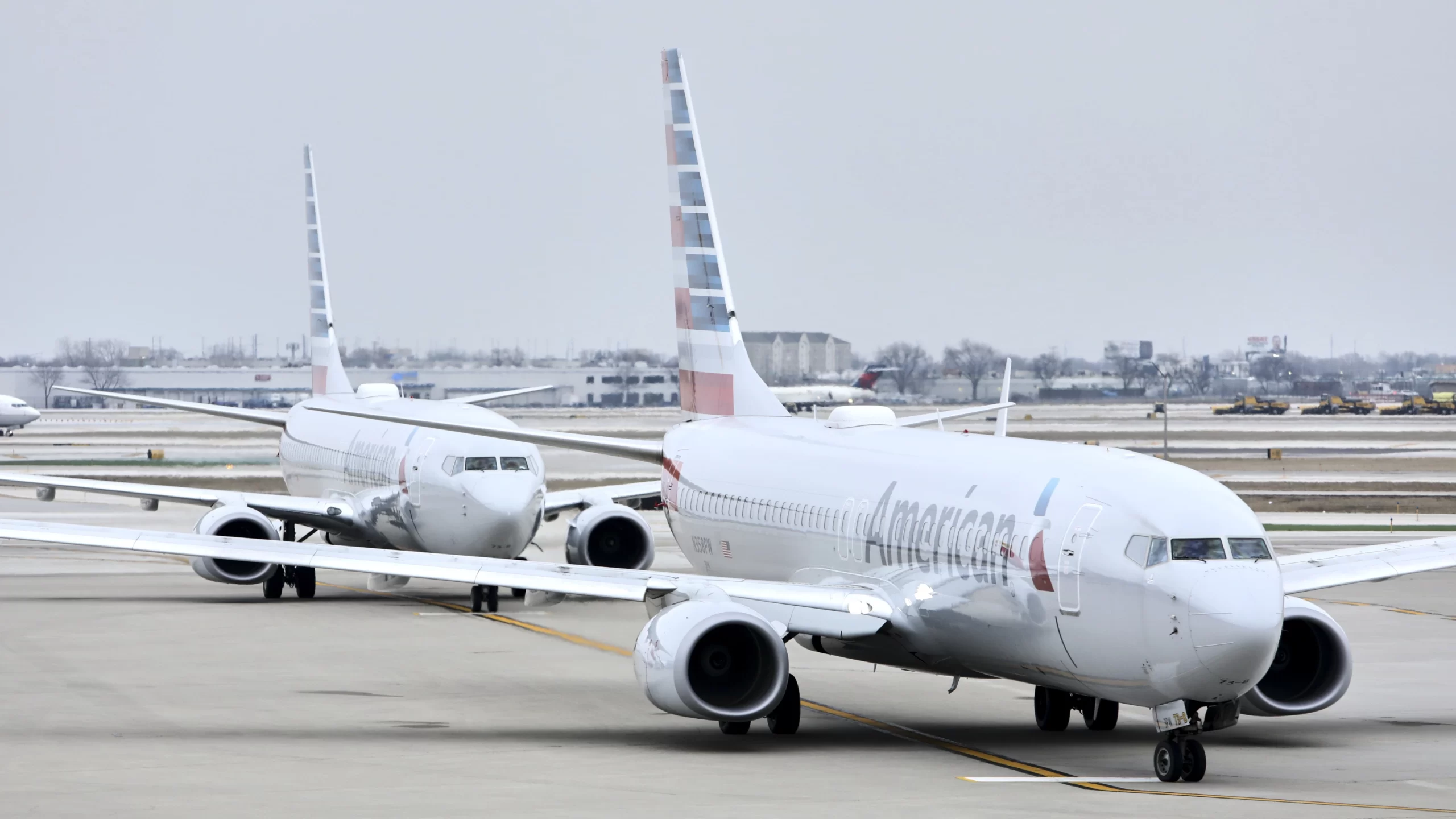
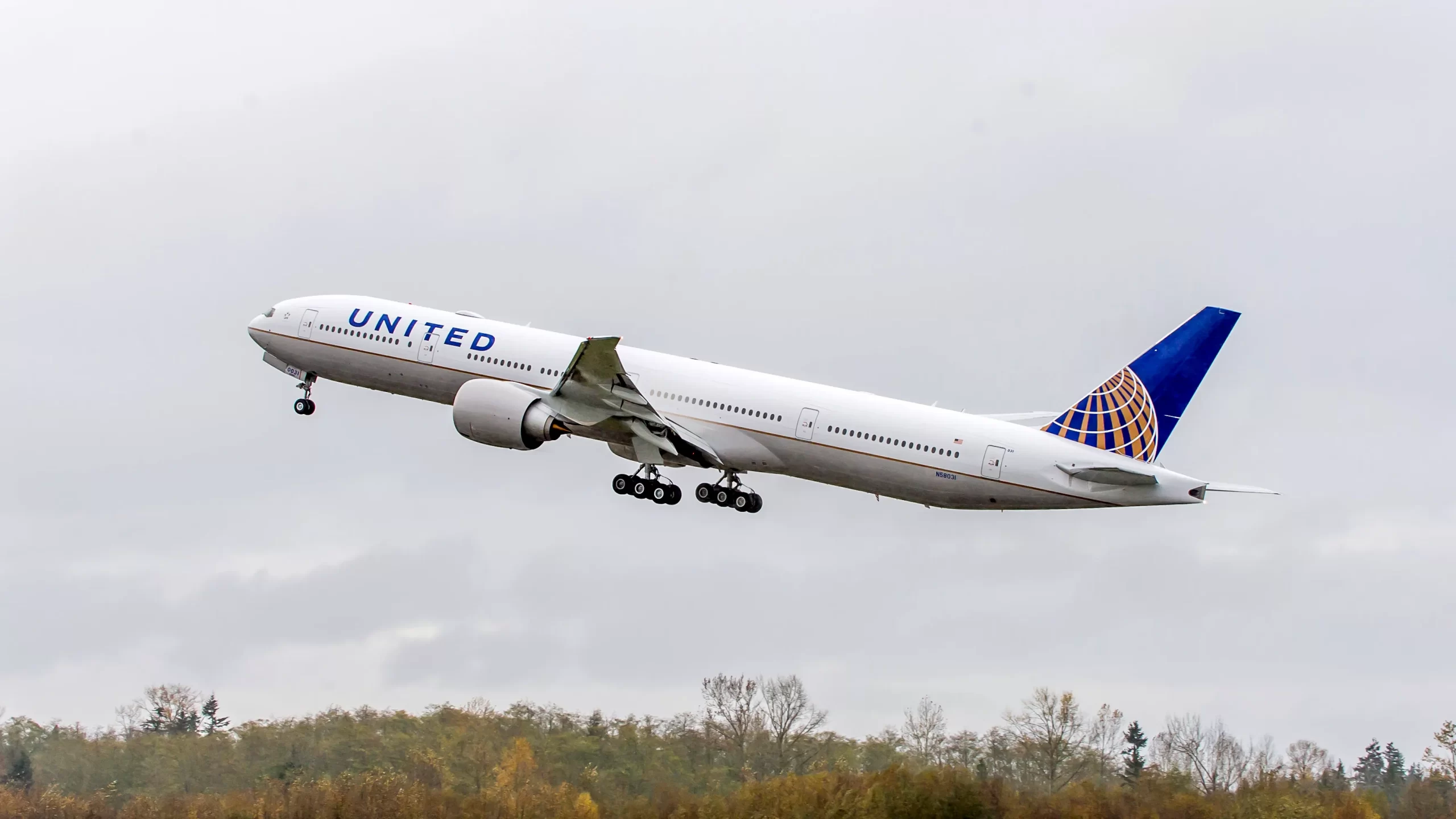
By contrast, American Airlines, Delta Air Lines, Southwest Airlines, and JetBlue Airways retain row 13 on their aircraft, reflecting a more secular approach to seat numbering among major US domestic carriers. United Airlines (UA) takes a distinctive position: it omits both row 13 and row 14, with the latter excluded because the number 14 — pronounced “yī sì” in Mandarin — sounds like the phrase “to want to die” in Chinese-speaking markets, a significant commercial concern given the carrier’s extensive transpacific network.
The Brussels Airlines Logo Incident Triggered a Similar Superstition Around 2007
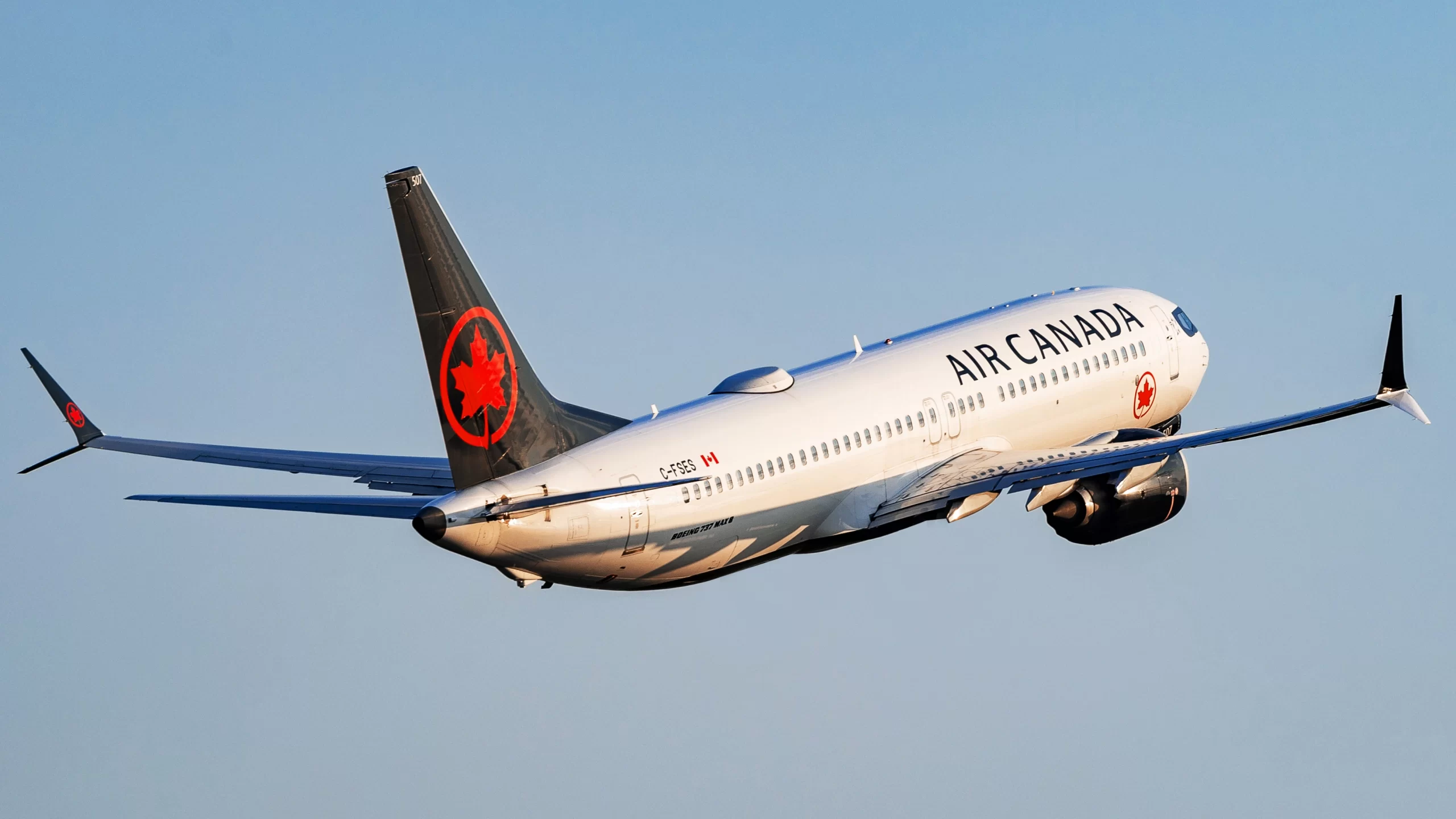
No episode in commercial aviation history illustrates the commercial power of numerical superstition more vividly than the Brussels Airlines logo crisis of 2006 and 2007. When the Belgian carrier launched as the successor to the merged SN Brussels Airlines and Virgin Express, its designer Ronane Hoet created a livery featuring a stylised lowercase “b” composed of 13 red dots. The number matched the airline’s then-13 routes to Africa, a key market, and Hoet described the result as possessing “harmony,” as reported by NBC News.
Within days of the logo’s November 2006 unveiling, the airline was flooded with emails and phone calls from passengers in the United States and Italy who refused to fly on an aircraft bearing 13 dots on its tail. Airline spokesman Geert Sciot admitted to reporters:
“They said they were not pleased with an aircraft with a logo with 13 balls because they think it brings them bad luck. We are never surprised by reactions — but that it was that bad? It really took us aback.”
Hoet, who had conceived the 13 dots as an aesthetic achievement, described her reaction as one of bafflement.
Brussels Airlines faced a choice: reduce the dots to 12 or increase them to 14. It rejected 12 on the grounds that the number carries its own significant religious connotations — the 12 apostles — and Brussels Airlines wished to remain confessionally neutral. It also rejected reducing to 12 because, in Chinese-speaking markets, 14 sounds like “to want to die.” Fourteen was, ultimately, the least problematic option for a carrier that did not then serve Chinese routes.
Workers repainting the Airbus A319 added the 14th dot before the airline had even operated its first commercial service. The redesign stands as a rare instance of passenger superstition directly altering a major corporate identity before the company had flown a single scheduled flight.
Not all airlines treat row 13 as a liability. On the Airbus A320, the physical location of row 13 — immediately forward of the overwing emergency exit — often provides meaningfully greater legroom than standard economy rows. Airlines that retain row 13 on the A320 can and do price these seats at a premium, marketing them as extra-legroom positions that happen to bear a number some passengers prefer to avoid. The effect is a self-selecting passenger pool: those unbothered by the number occupy seats with genuinely superior comfort, while superstitious passengers choose alternatives. For the airline, the row generates ancillary seat-selection revenue that a numbered gap would not.
The broader revenue dimension of seat numbering is increasingly data-driven. Research in the low-cost sector, particularly involving Ryanair, has examined whether specific row assignments correlate with different pricing patterns and booking behaviours. The working hypothesis is that passengers who avoid row 13 will instead purchase alternatives at a premium, effectively subsidising the removal with their own upgrade expenditure.