United Airlines (UA)‘s Boeing 777-200ERs, inherited from Continental Airlines following the 2010 merger, are set to become the first widebody aircraft in the United fleet to carry Starlink in-flight Wi-Fi, Simple Flying reported. The aircraft in question aare technologically distinct from the rest of United’s widebody inventory, and their selection as the inaugural platform for Starlink reflects engineering pragmatism and long-haul strategic planning.
The development arrives amid mounting passenger frustration over connectivity outages on long-haul United flights. One theory circulating online suggested that United had not renewed its contract with Panasonic for wide-body aircraft ahead of a planned transition to Starlink. This claim drew skepticism given it would take roughly 19 more months before all long-haul United aircraft have Starlink installed.
Aviation source JonNYC reported that United pilots received a memo acknowledging that the long-haul satellite provider Panasonic was effectively saturated at certain times of day, especially over the Pacific. The Starlink transition on these 22 jets, therefore, is an operational necessity.
.jpg)
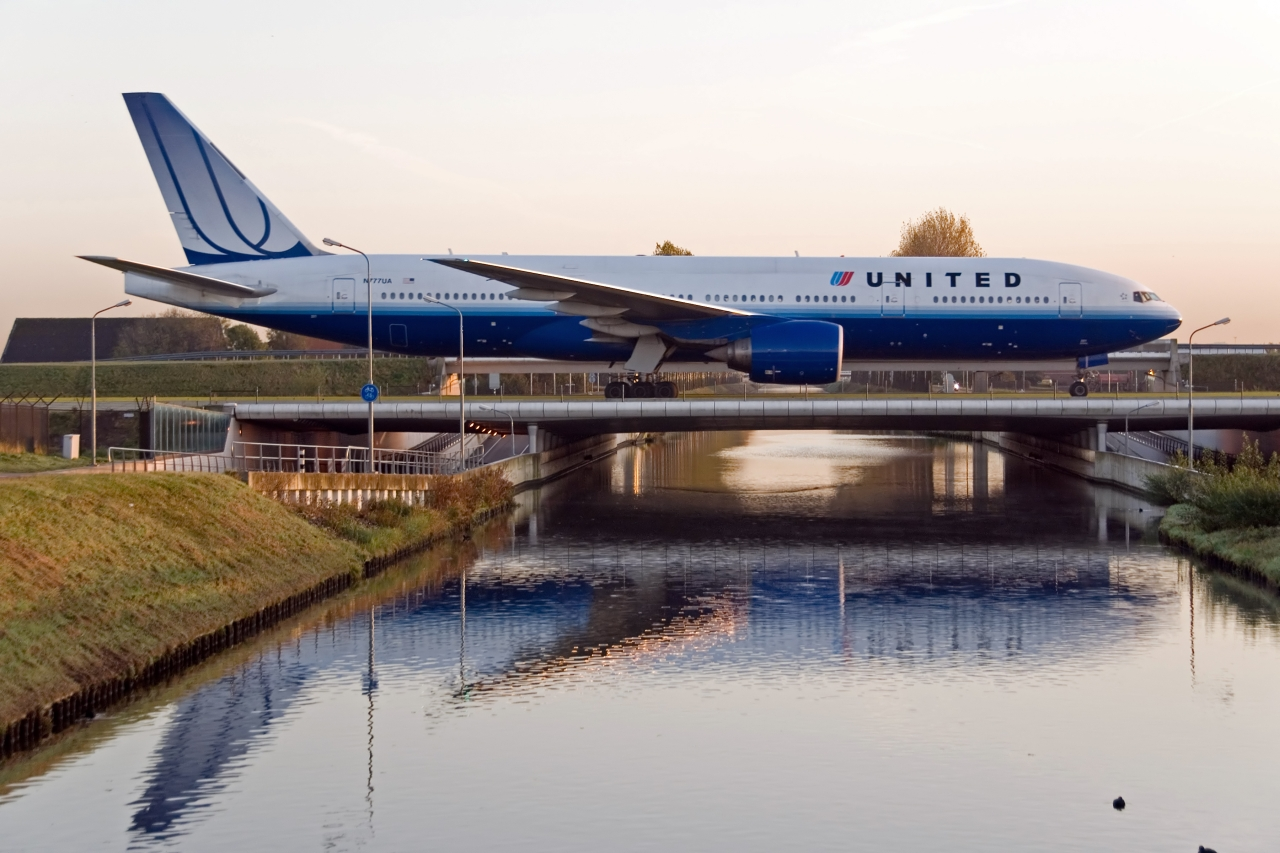
United’s GE90-Powered 777-224ERs Will Have Starlink
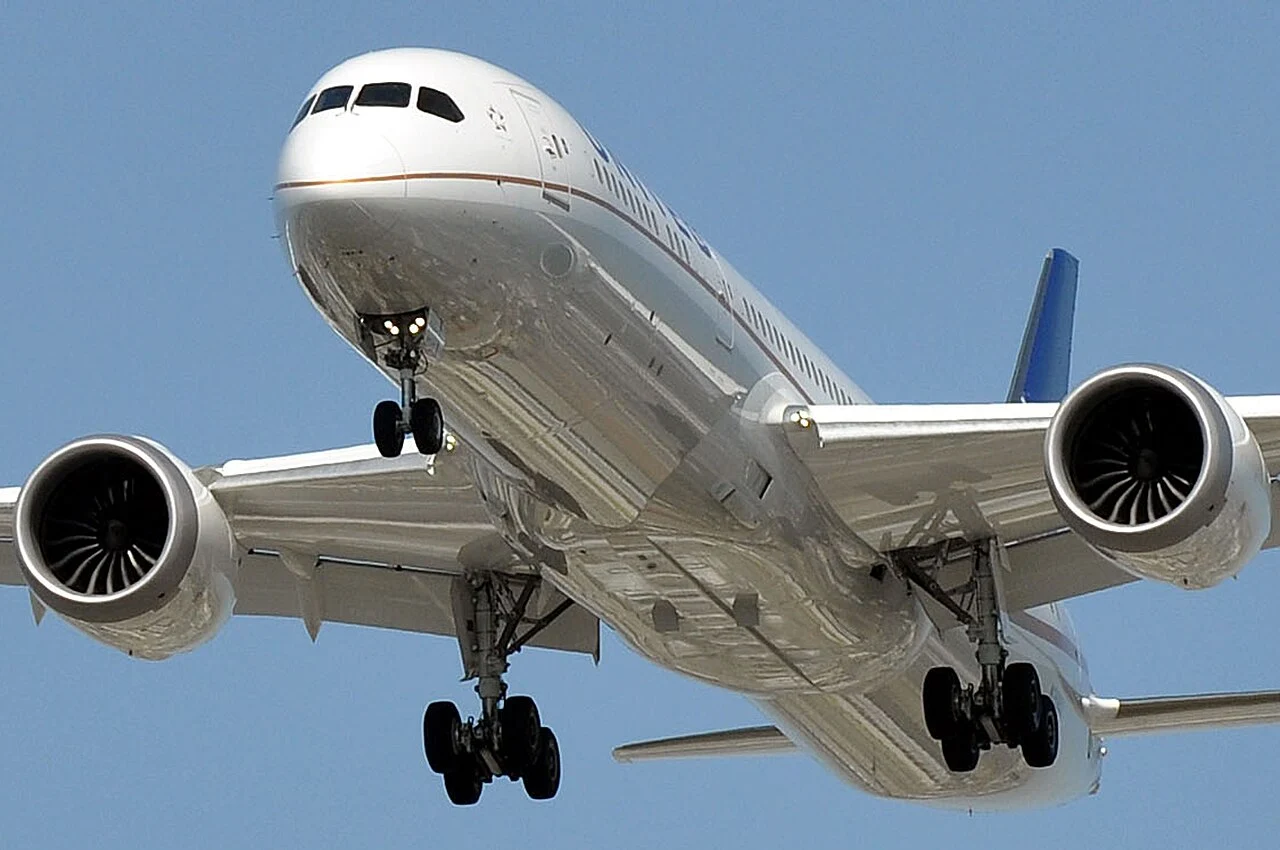
The 777s selected for the inaugural widebody Starlink retrofit are noteworthy because they differ from the rest of United’s inventory as they are powered by the General Electric GE90, which is the most powerful engine option available for the 777 airframe. While United’s legacy 777-200ERs (those ordered directly by United before the merger)use Pratt & Whitney PW4000-112 engines, the ex-Continental aircraft entered service with a fundamentally different powerplant.
Continental Airlines equipped all of its 777-200ERs with the General Electric GE90-92B, which were later upgraded to the GE90-94B specification, and these aircraft came with the maximum 297-ton Maximum Take-Off Weight (MTOW) option.
Each GE90 engine delivers up to 100,000 lbf of thrust at takeoff, and GE Aerospace describes it as “the first engine in the 100,000-pound thrust class” and “the most technologically advanced commercial turbofan engine in 25 years” at the time of its launch. The GE90 has since been surpassed in raw output only by its own successor, the GE9X.
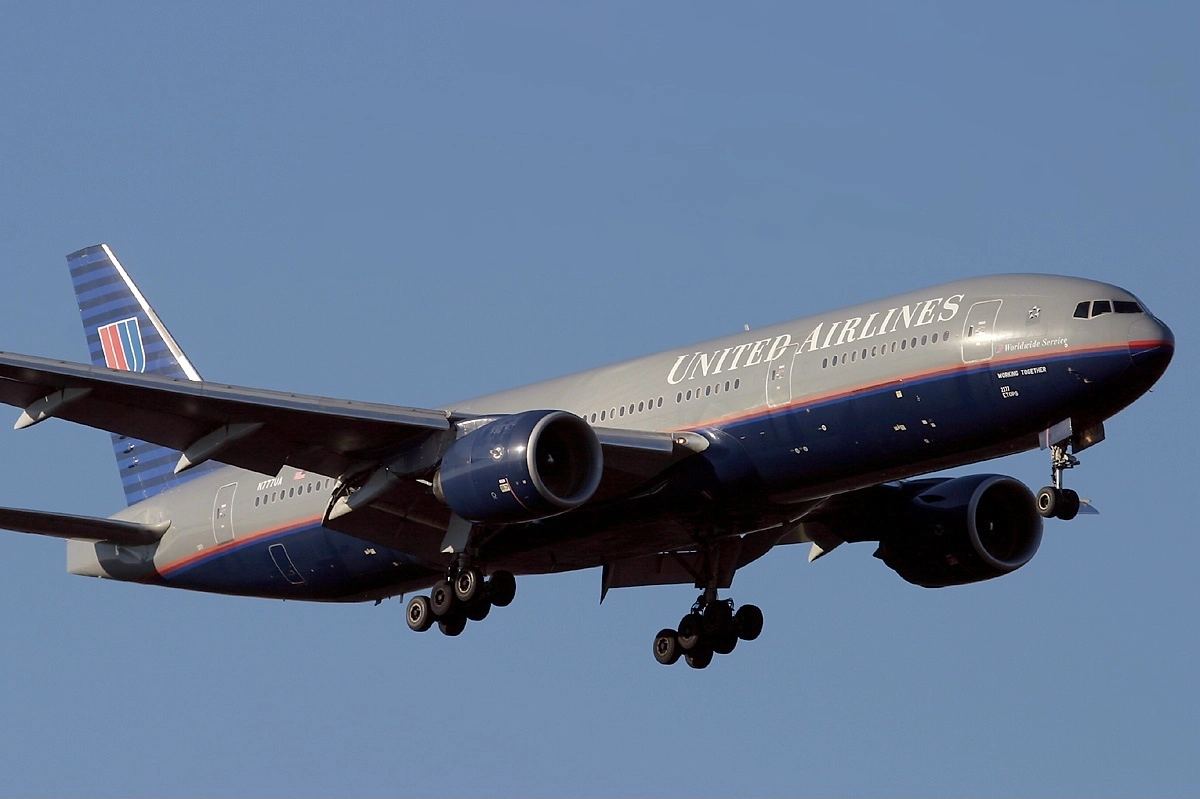
The first two Boeing 777-200ERs in the Continental Airlines fleet — registered N78001 and N78002 — were delivered in September 1998, making the oldest of these aircraft approximately 26 to 27 years old today.
The aircraft inherited from Continental are newer than the rest of United’s 777 fleet and, having rolled off the factory line later, also received more modern electrical systems capable of supporting the equipment powered by the enormous GE90 turbofans.

Why These 22 Jets Were Chosen First
The selection of the 777-224ERs as Starlink’s widebody debut platform is not coincidental. A more probable reason for their prioritisation is that this group of aircraft is approaching deep depot work sooner — these airframes are roughly 20 to 27 years old and nearing their third or fourth D-Check, the most extensive heavy maintenance cycle in aviation.
Conducting a Starlink installation during a D-Check, which already mandates extensive disassembly and rework of internal systems including wiring, avionics, and fuselage panels, dramatically reduces the incremental cost and downtime of the retrofit.
Performing this installation as a first batch is efficient because the aircraft all share the same configuration. It also serves as a useful trial run to gather data ahead of the larger upgrade program that will follow across the rest of the widebody fleet. The Supplemental Type Certificate (STC) process for Starlink on the 777 types will likewise benefit from this concentrated rollout, as the FAA’s certification will cover the variant at scale.
Via X, industry monitor JonNYC posted the latest confirmed update on the widebody rollout:
“N37018, currently in Rio de Janeiro–Galeão International Airport (GIG), is the first 777 to receive Starlink. Should do test flights near the end of this month and receive STC approval shortly after. Currently only applicable to the 22 GE 777-224s.”
The reference to Rio de Janeiro places the initial installation at a maintenance facility, consistent with a D-Check or heavy maintenance visit rather than a line installation at a United hub.
Polaris Suites Aboard and Extended Range of the 777-224ER
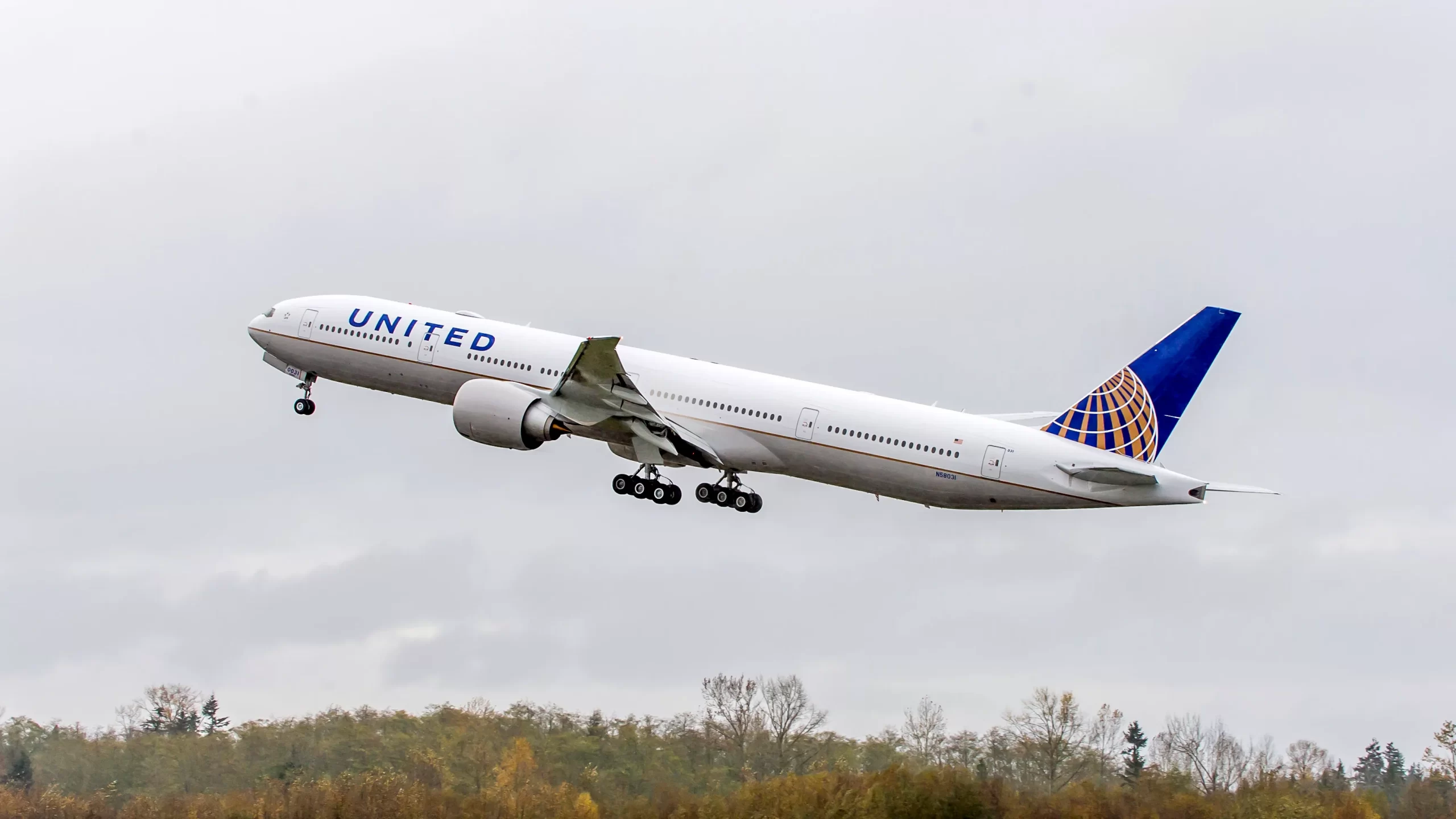
Beyond their powerplant distinction, the ex-Continental 777-224ERs carry particular commercial value because of the cabin configuration they now carry under United’s ownership. According to AeroLOPA, United’s Boeing 777-200ER (type 77E) is configured with 50 Polaris business class seats, 24 seats in a premium economy-equivalent section, and 202 seats in economy — with the Polaris seats arranged on Safran’s Optima platform, all offering direct aisle access.
The -224s are Extended Range variants with Polaris business class suites, which makes them valuable assets well beyond the near term — United considers them worth retaining until at least 2030. Many of United’s other 777 variants are configured for high-density domestic flying and lack the spacious cabin floor plan required for premium long-haul comfort features. The 777-224ERs, by contrast, are purpose-built for long-haul international routes where connectivity is not a convenience but a competitive necessity for premium cabin travellers.
United requires FAA Supplemental Type Certification for each individual aircraft model in order to install Starlink — a process that covers a total of 16 regional and mainline aircraft types across its fleet. The approval for the 777-224ER sub-variant will therefore represent a discrete and consequential milestone within a much larger certification programme.
_@_Washington_Dulles,_2016.jpg)
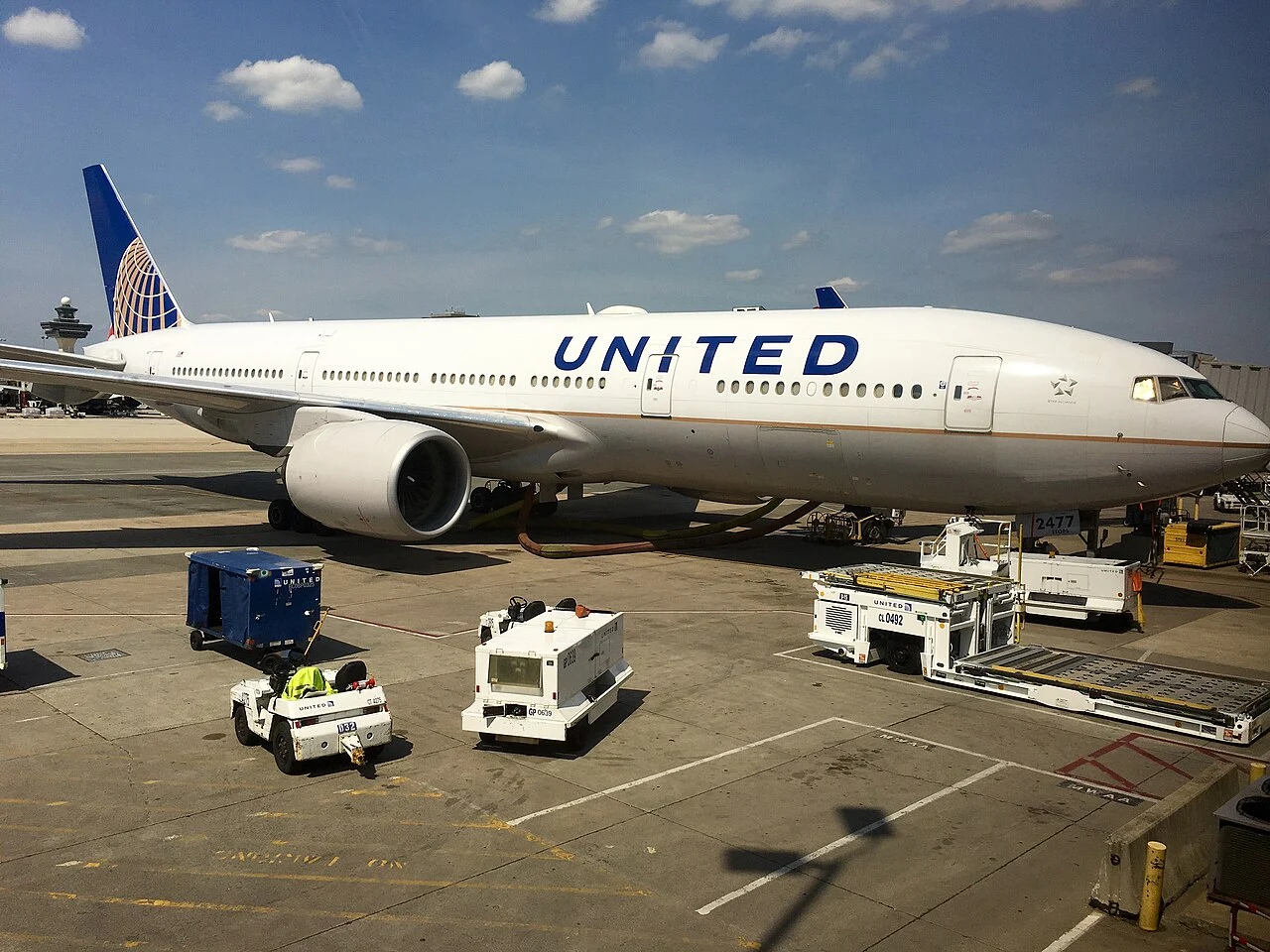
United’s Starlink Progress Across All Fleet Types
The widebody debut follows a regional and narrowbody rollout that has proceeded at considerable pace. United has already completed Starlink installation on nearly its entire fleet of just under 250 Embraer E175 regional aircraft, while the Boeing 737 fleet continues to undergo retrofits.
United currently has Starlink Wi-Fi on over 300 aircraft; by the end of 2026, it expects to have Starlink on over 800 aircraft; and by the end of 2027, the carrier plans to have it on its entire fleet.
United stated via X in February 2026 that the service had already been used by over seven million passengers across 129,000 flights — and that it is available free of charge to MileagePlus members. At its two-day “Elevated” event held at Los Angeles International Airport (LAX) in late March 2026, United operated a special Starlink demonstration flight aboard a 737-900ER, with members of the media and industry influencers aboard, offering gate-to-gate connectivity.
United’s Chief Customer Officer David Kinzelman, quoted at the event, said: “We know that connectivity matters, and it’s important to our customers. It’s really taken partnership with Starlink to be able to deliver the experience that we’ve always hoped for in the space of Wi-Fi.”
In April 2026, United also extended Starlink’s reach beyond its own loyalty scheme. Aeroplan members flying on United Airlines can now enjoy complimentary Starlink Wi-Fi by adding their Aeroplan number to their United reservation at booking or during check-in, with access activated onboard via their date of birth and PNR, though the reciprocal benefit applies only on Starlink-equipped aircraft.


Connectivity Race Between United and Delta
The widebody Starlink debut comes at a moment when United’s connectivity strategy has diverged sharply from that of its primary domestic rival. View From The Wing reported that a branding and portal-control dispute between Delta Air Lines and SpaceX contributed to the collapse of Starlink partnership talks, although Delta later disputed Musk’s characterization of the disagreement.
Billionaire investor Ron Baron, an early backer of both Tesla and SpaceX, disclosed on CNBC that the Starlink deal with Delta collapsed because Delta insisted that Starlink access sit behind its Delta Sync-branded interface — a condition SpaceX refused to accept. Delta subsequently confirmed a partnership with Amazon’s LEO service. Delta plans to begin Amazon LEO installations on roughly 500 aircraft starting in 2028 — a figure that covers only approximately half of the carrier’s operation, leaving the remaining aircraft on older connectivity systems for an undefined period.
While United plans to equip its entire fleet with Starlink by the end of 2027, the first of Delta’s aircraft will only receive Amazon LEO connectivity in 2028. Business travellers, who represent the most lucrative passenger segment on the transatlantic and transpacific routes that these 777-224ERs serve, increasingly factor in-flight connectivity into airline selection decisions.
Starlink’s average download speeds of 135 Mbps to 350 Mbps — with peak speeds frequently exceeding 500 Mbps — far exceed the performance typically associated with legacy in-flight systems from providers such as Panasonic and Viasat.
American Airlines (AA), for its part, has moved in a different direction. American began offering free, high-speed Wi-Fi on many flights in early 2026 for AAdvantage members, initially on most narrowbody aircraft and select widebody jets, with full fleetwide coverage targeted by early spring 2026. However, American has not announced a Starlink partnership, and its connectivity infrastructure remains tied to existing providers.
.jpg)
What Is Actually Happening on United’s Long-Haul Fleet with Panasonic
The run-up to the 777-224ER Starlink debut has been colored by a wave of passenger complaints about United’s long-haul connectivity. Prominent traveler Sam Liccardo wrote on X in late April 2026:
“I’ve just endured my third consecutive long-haul flight on United with no Wi-Fi. I’ve just decided to choose any other airline available, even if I have to connect to DC through New Zealand.”
United’s contract with Panasonic remains in force and will continue on an indefinite basis, since there are many aircraft which will not receive Starlink for some time yet. This leaves a meaningful portion of its long-haul fleet dependent on ageing satellite infrastructure in the interim.
United has quietly expanded free inflight Wi-Fi access beyond its Starlink-equipped aircraft, with multiple passengers reporting that MileagePlus members can connect at no cost on planes equipped with Viasat and Panasonic systems — a move that appeared to bridge the gap following the abrupt end of United’s inflight Wi-Fi agreement with T-Mobile on April 13, 2026.
United’s Chief Commercial Officer Andrew Nocella confirmed on recent earnings call that Starlink installations are on track to wrap up in 2027, though that timeline is contingent on all regulatory approvals proceeding at the anticipated pace. The 777-224ERs, once certified and returned to service with Starlink aboard, will be the first evidence that this long-haul commitment has moved from projection to operational reality.