British Airways (BA) has reduced or suspended flights to seven Middle Eastern destinations:
- Dubai International Airport (DXB)
- Hamad International Airport, Doha (DOH)
- Ben Gurion International Airport, Tel Aviv (TLV)
- King Khalid International Airport, Riyadh (RUH),
- Queen Alia International Airport, Amman (AMM),
- Bahrain International Airport (BAH)
- King Abdulaziz International Airport, Jeddah (JED)
…as part of a sweeping summer 2026 schedule overhaul driven by the ongoing regional conflict. The carrier confirmed that the changes will remain in place throughout the current summer season, which ends on 24 October 2026, with some routes subject to temporary frequency cuts and others facing full suspension, Gulf News reported.
The announcement came as the airline conducted what it described as a comprehensive operational review, the outcome of which included one permanent network withdrawal — the Jeddah route — effective 24 April 2026. The proximate cause is a conflict that began on 28 February 2026, when the United States and Israel launched strikes on Iran, prompting Tehran to retaliate with missiles and drones targeting Gulf neighbours and Israel.
At least eight states — including Iran, Israel, Iraq, Jordan, Qatar, Bahrain, Kuwait, and the UAE — declared their airspace closed in the immediate aftermath of the initial strikes, triggering one of the most severe aviation disruptions since the Covid-19 pandemic. British Airways suspended services across the region almost immediately and has been managing a phased, cautious return ever since — one that still falls far short of pre-war frequencies.
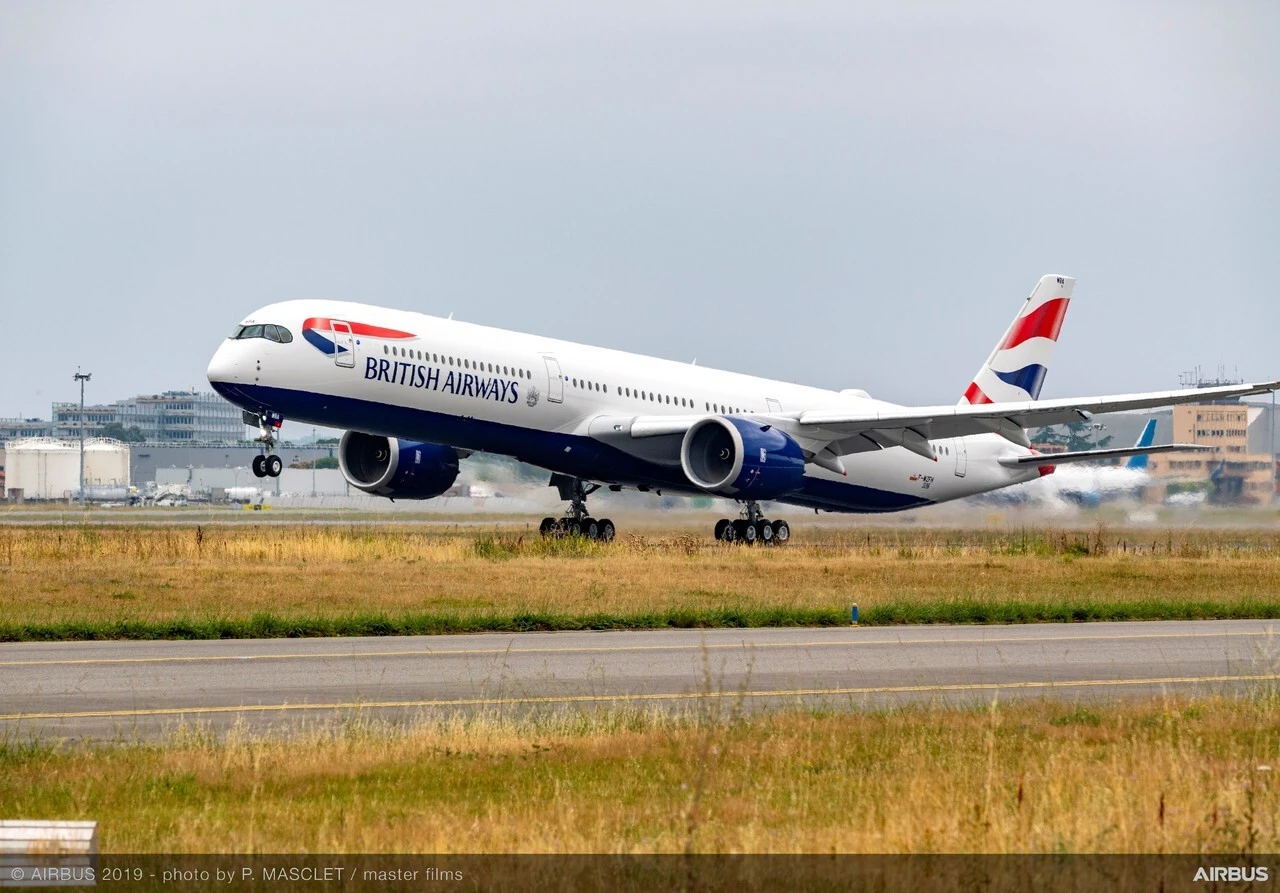
How The Iran War Triggered a Cascade of Airspace Closures Across the Middle East
The scale of the airspace disruption that followed the outbreak of hostilities on 28 February 2026 was immediate and sweeping. CNN Travel described the Middle East as “a high-capacity bridge” between Europe and Asia, and when that bridge collapsed, traffic funnelled into narrow northern and southern corridors — creating congestion, delays, and structural uncertainty across the global network.
In April, reports of over 150 aircraft being GPS-spoofed near the Persian Gulf within a single 24-hour period, creating acute misidentification risks for civil operators. By mid-March 2026, BA confirmed it was unable to operate flights from Abu Dhabi, Amman, Bahrain, Doha, Dubai, and Tel Aviv, operating instead a limited set of repatriation flights from Muscat in Oman for stranded customers. The airline described its position as one of constant review, staying in direct contact with affected passengers and offering a range of alternative travel options.
In a statement at the time, the airline said:
“Due to the continuing uncertainty of the situation in the Middle East and airspace instability, we’ve had to temporarily reduce our flying schedule in the region. We’ve cancelled all flights to and from Amman, Bahrain, Doha, Dubai and Tel Aviv until later this month and to and from Abu Dhabi until later this year.”
The carrier’s cautious posture contrasted with several Gulf carriers, which moved more rapidly toward partial resumption.
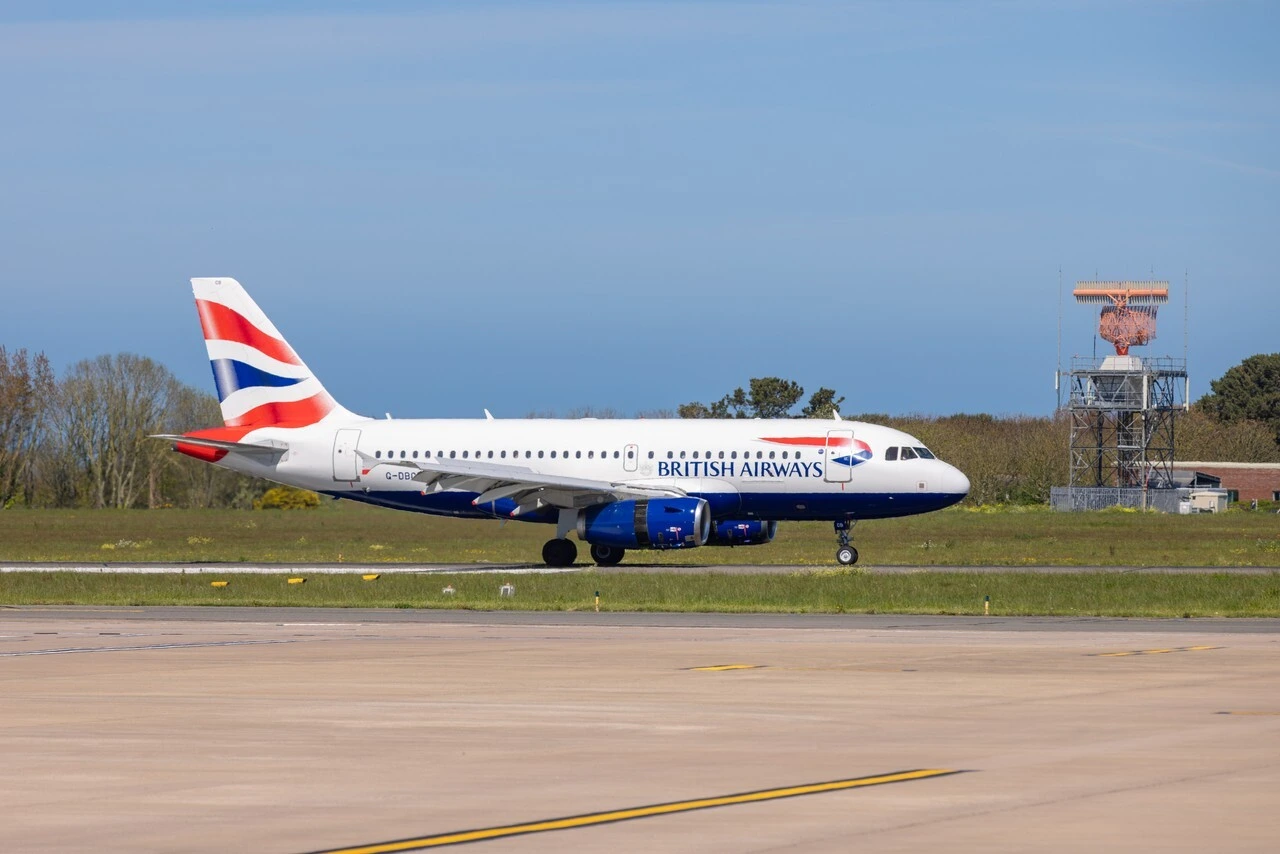
A Route-By-Route Breakdown of British Airways’ Summer 2026 Middle East Cuts
The seven affected destinations face different fates, ranging from deep frequency reductions to full suspension and, in one case, permanent discontinuation. The breakdown is as follows.
Dubai (DXB): British Airways is cutting London Heathrow–Dubai from three daily services to one, with a full single-daily schedule resuming from 1 August 2026 and a second daily flight planned from 16 October. This represents a two-thirds reduction in seat capacity on one of the world’s busiest city-pair routes.
Doha (DOH), Riyadh (RUH), and Tel Aviv (TLV): Services to all three destinations have been reduced from twice daily to once daily, with normal operations expected to resume from August 2026. Riyadh was the one Gulf capital where BA maintained limited operations during the initial disruption, but it was not spared a frequency cut in the subsequent restructuring.
Bahrain (BAH) and Amman (AMM): Both routes are suspended for the entirety of the summer season and are scheduled to restart on 25 October 2026 — the first day of the northern hemisphere winter schedule.
Jeddah (JED): British Airways permanently discontinued its London Heathrow–Jeddah route from 24 April 2026, following what the airline described as a comprehensive operational review. The route had only launched in November 2024, making this one of the shortest-lived route additions in the airline’s recent history. The Independent reported that the Jeddah axe follows Virgin Atlantic’s own decision to close its Riyadh route, suggesting broader commercial reassessment of Saudi Arabia’s long-haul market by UK carriers.
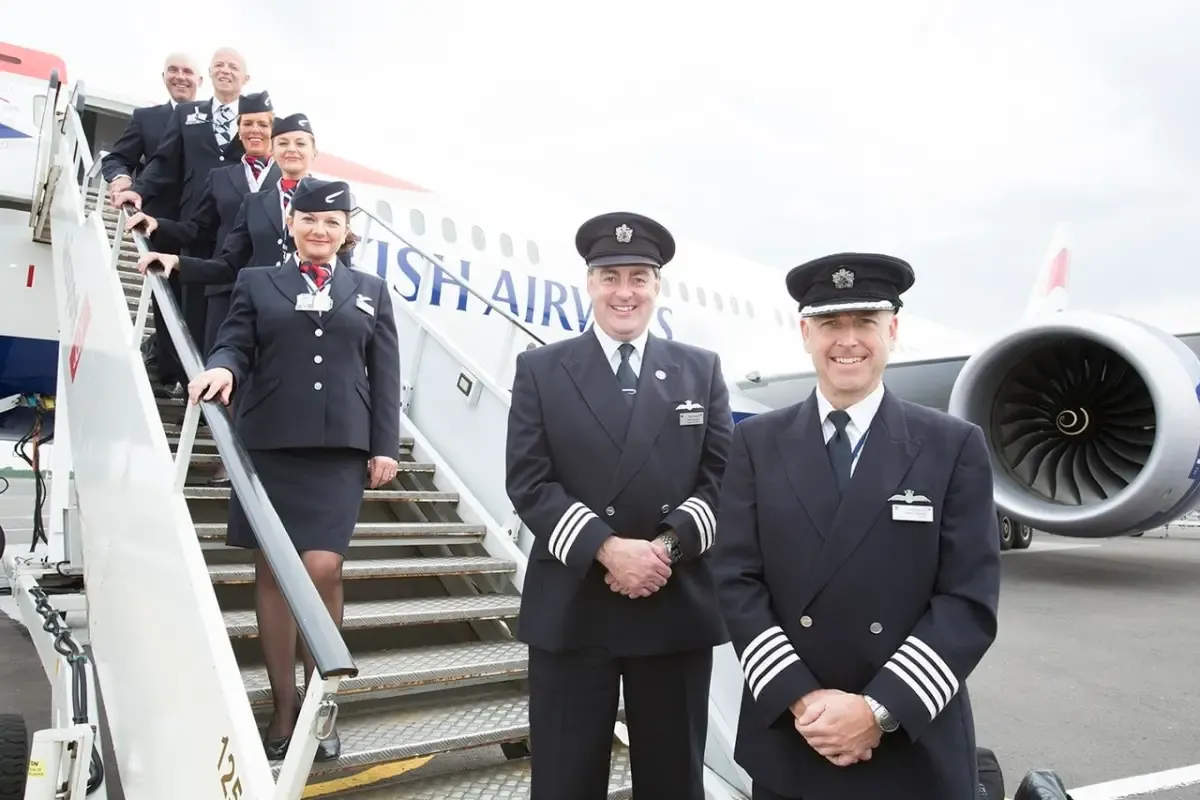
Why BA is Being More Cautious Than Some Competitors
British Airways’ approach stands in marked contrast to the strategy adopted by Gulf carriers. Emirates has restored services to 137 destinations across 72 countries, Qatar Airways has rebuilt toward 150 or more destinations, and Etihad Airways continues to expand gradually — creating what analysts describe as a two-speed recovery, where Gulf operators race ahead while European carriers remain cautiously on the ground.
The financial incentive for BA’s caution is clear. IAG, British Airways’ parent company, warned shareholders that surging jet fuel costs triggered by the closure of the Strait of Hormuz — through which roughly a fifth of the world’s oil and gas flows — would push its annual fuel bill to approximately €9 billion, up from €7 billion in 2025. IAG’s chief executive, Luis Gallego, nonetheless insisted the group was “uniquely positioned” to ride out the turbulence.
Insurance and regulatory constraints also weigh heavily on European airlines in ways that Gulf carriers — operating closer to home territory — do not face to the same degree. BA, like Lufthansa and KLM, has been subject to UK and EU regulatory guidance on overflight risks across Iranian, Iraqi, and Israeli airspace, which narrows available routing options and increases operating costs even on routes not directly overflying conflict zones.