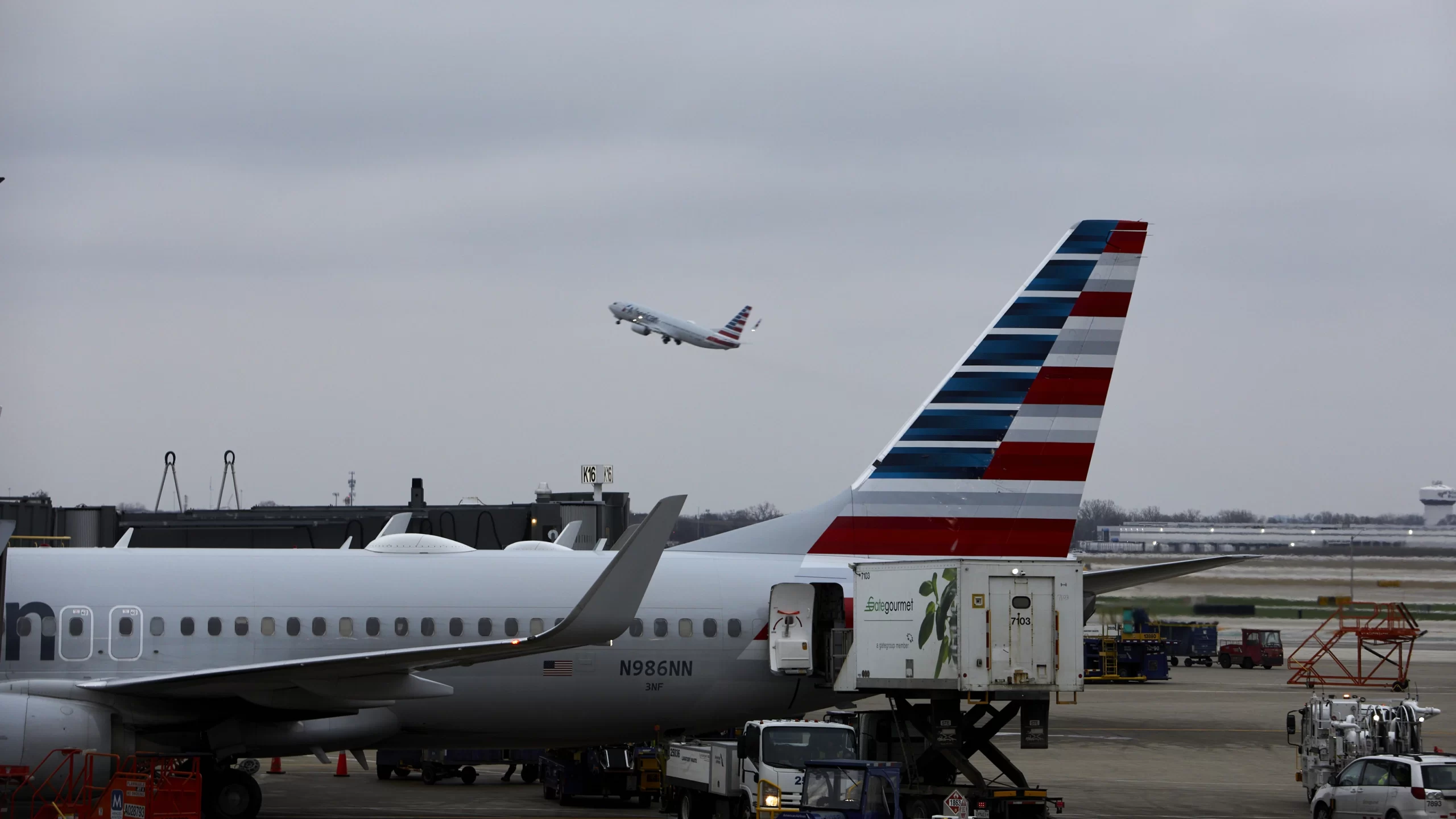
American Airlines (AA) , an airline with one of the largest fleet in the world, has formally proposed restoring scheduled commercial service to Naples Municipal Airport (APF), Naples, Florida, targeting a December 2, 2026 launch date with three daily round-trip flights to Charlotte Douglas International Airport (CLT), North Carolina.
According to View from the Wing, the proposal, submitted in a letter dated May 13, 2026, by Jason Reisinger, American Airlines Managing Director of Global Network Planning, to Naples Airport Authority (NAA) Executive Director Chris Rozansky, marks the first serious bid by a legacy carrier to operate at APF in more than two decades. American intends to operate the route through its wholly owned regional subsidiary, PSA Airlines, using 65-seat Bombardier CRJ-700 regional jets — aircraft with a maximum takeoff weight (MTOW) of precisely 75,000 pounds, matching APF’s long-standing weight restriction to the pound.
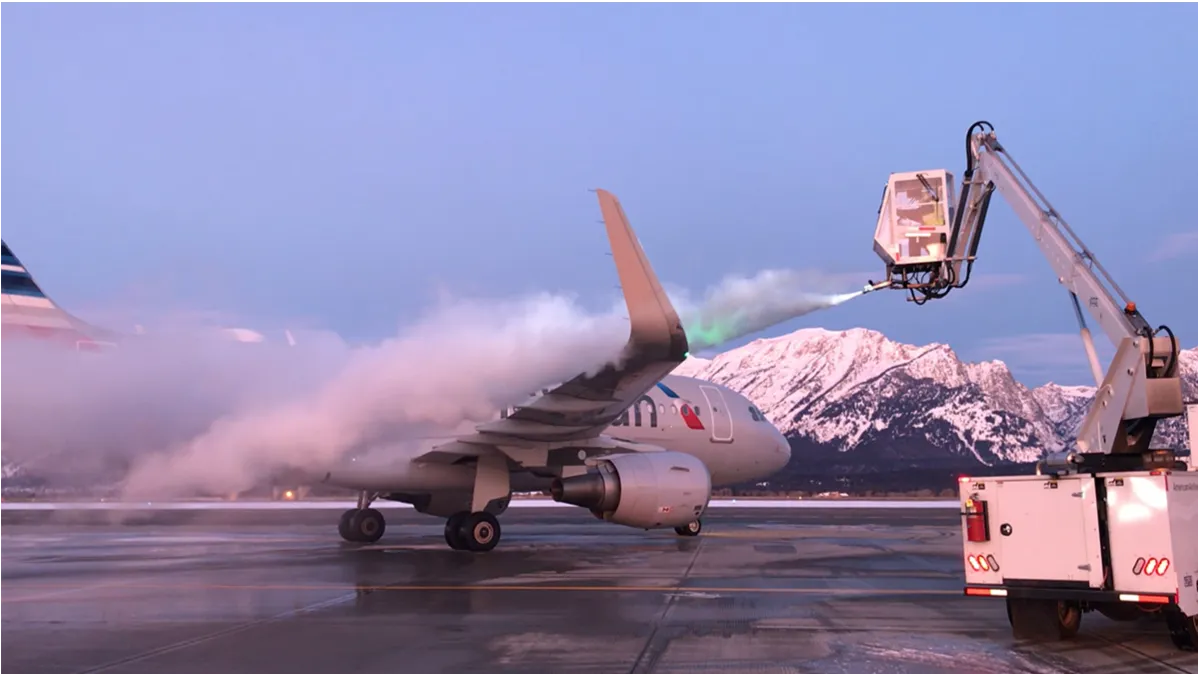
American Airlines’ Proposal: Route Details, Aircraft Choice, And the Weight Limit Question
In his letter to Rozansky, Reisinger wrote that American “looks forward to bringing the Naples community back into the American Airlines global network for the first time in over two decades,” adding that the carrier believes “the connectivity that these flights provide will bring substantial economic benefit to the local community and make travel more convenient for both local Naples residents and inbound visitors.”
The airline plans to operate all three daily departure and arrival rotations out of the North Road Terminal, the same building that currently houses JSX, a pilot’s lounge, NetJets private jet service, and car rental companies. All flights will operate within APF’s voluntary curfew window of 7 a.m. to 10 p.m. — a schedule the FAA does not permit airports to enforce as a legal mandate, but which the NAA observes operationally.
The aircraft selection is noteworthy. Aviation analyst Gary Leff noted on View from the Wing that the use of CRJ-700s — rather than, say, Embraer E-170s — provides a more comfortable regulatory fit. The airport publishes a 75,000-pound maximum gross weight restriction for operating aircraft, and Rozansky confirmed in his board presentation that PSA Airlines’ CRJ-700 configuration meets that limit exactly, making it “consistent with the existing fleet mix operating at APF.” The CRJ-700 also meets Stage 4 noise standards, which would place it among the quieter aircraft currently using the airport.
The Governance Shift That Changed the Equation At APF
For years, Naples Airport’s biggest obstacle to commercial expansion was its governing structure. The Naples Airport Authority (NAA) was controlled by a board appointed by the Naples City Council, which has faced pressure from local residents opposed to expanding commercial air service.
That changed on April 6, 2026, when Florida HB 4005 took effect. Signed by Governor Ron DeSantis, the law replaced the appointed board with five members elected by Collier County voters. Three must live in Naples, while two must reside elsewhere in the county, with candidates required to have at least five years of experience in finance, small business, or aerospace.
The first elections will take place in November 2026, meaning the new board will not be seated before American Airlines’ proposed December 2 launch.
According to View From the Wing, a May 26, 2026 conflict-assessment meeting was also set to examine whether federal law overrides city zoning authority at the airport and whether Naples can alter or terminate the 1969, 99-year airport lease without FAA approval.
Photo: American Airlines
Naples is A Contested Airport with a Long History of Failed Commercial Service
Naples Airport (APF) has a commercial aviation history dating to the postwar era, when Provincetown-Boston Airlines launched scheduled service to Miami. By 1995, the airport had six airlines operating 30 weekday flights, including American Eagle, Delta Connection, Continental Express, USAir Express, Cape Air, and Gulfstream International.
Scheduled service declined steadily after American Eagle ended its Miami flights in 2001. US Airways Express dropped Tampa service in 2003, while Delta Connection operated Atlanta flights from 2004 to 2007 before ending the route after retiring its turboprops. Elite Airways later attempted a revival from 2015 to 2017, but the service was not commercially sustainable.
The airport faces strong competition from Southwest Florida International Airport (RSW) in Fort Myers, about 35 miles north, which offers significantly broader airline service. The Florida Department of Transportation estimates APF contributes $781 million annually to the local economy.
Today, JSX is the only scheduled passenger operator at APF, having launched seasonal charter service in November 2024 with Stage 4 jets. JetBlue previously considered Embraer E190 service but ultimately dropped the plan, with the National Business Aviation Association citing community opposition and limited terminal infrastructure as likely factors.
Community Opposition: The Residents Who Tried to Move an Airport
Naples Airport’s residential neighbors have long opposed commercial expansion, citing aircraft noise, emissions, traffic, and flight paths over schools and residential areas. According to View From the Wing, opposition even led to proposals to relocate the airport, which cannot simply be closed because it receives federal funding and has operated since 1943.
Relocating the airport has been estimated to cost more than $1.5 billion. Meanwhile, the Naples Airport Authority (NAA) has spent more than $10 million on noise-abatement measures since 2000 and maintains a noise complaint hotline. The airport also observes a voluntary 10 p.m. to 7 a.m. curfew, with exceptions for emergency, military, and law-enforcement flights.
Residents remain concerned about a return of commercial service. One local resident told WINK News that increased flights could bring “increased noise pollution and increased traffic,” concerns that have influenced previous airline proposals and could affect American Airlines’ plans.
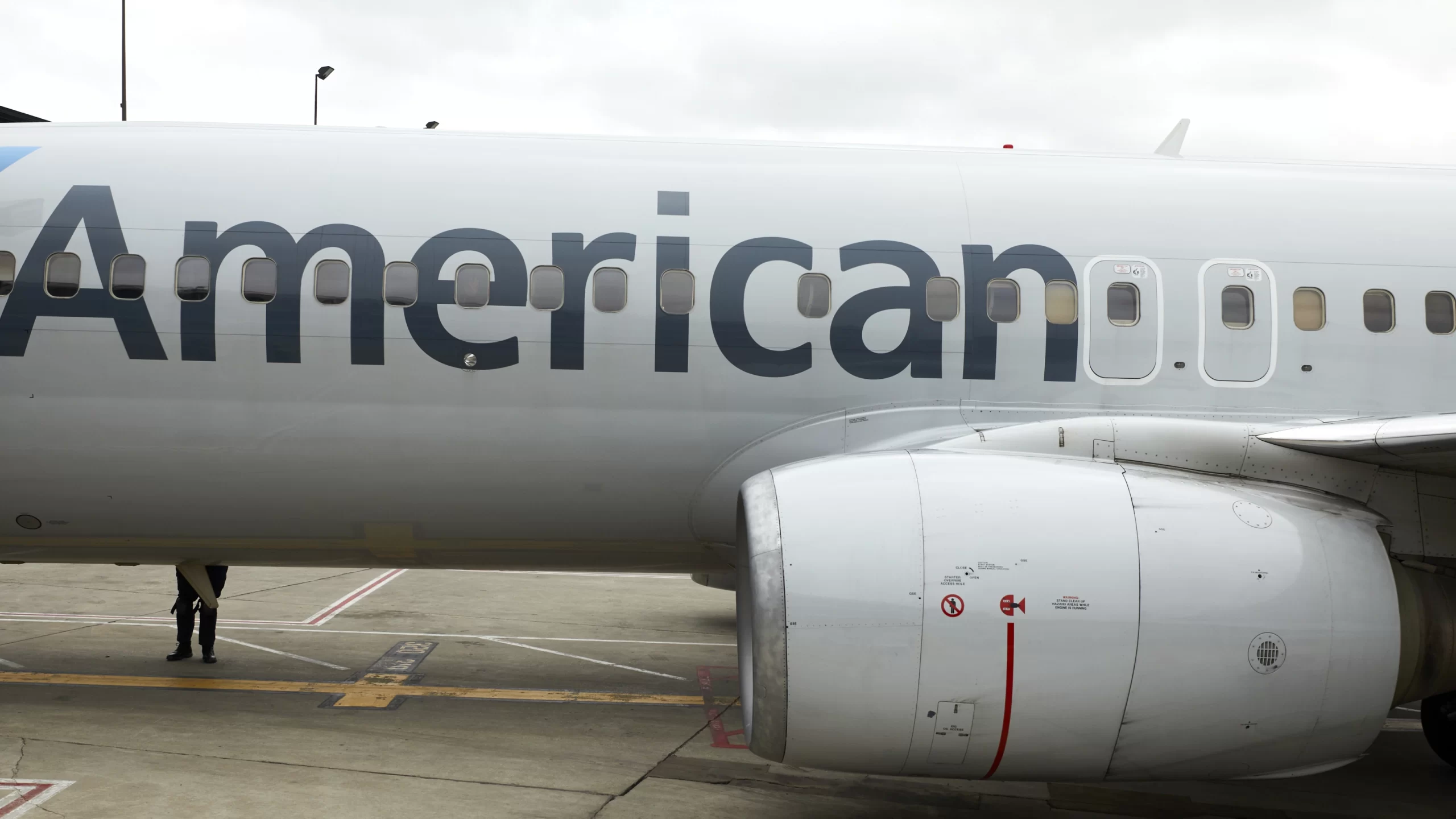
Photo: American Airlines
All in All
American Airlines’ proposed return to Naples Airport still requires several approvals. Under NAA Resolution 2026-1, the airport’s executive director cannot sign an airline service agreement without board approval. The full proposal is scheduled to be presented at the NAA’s May 21, 2026 meeting.
Meanwhile, the North Road Terminal is undergoing a $4.41 million Phase II renovation following the completion of Phase I in 2025. The work includes upgrades to the lobby, waiting areas, rental car facilities, air conditioning, interior finishes, and a new grab-and-go café. American would operate from this terminal.