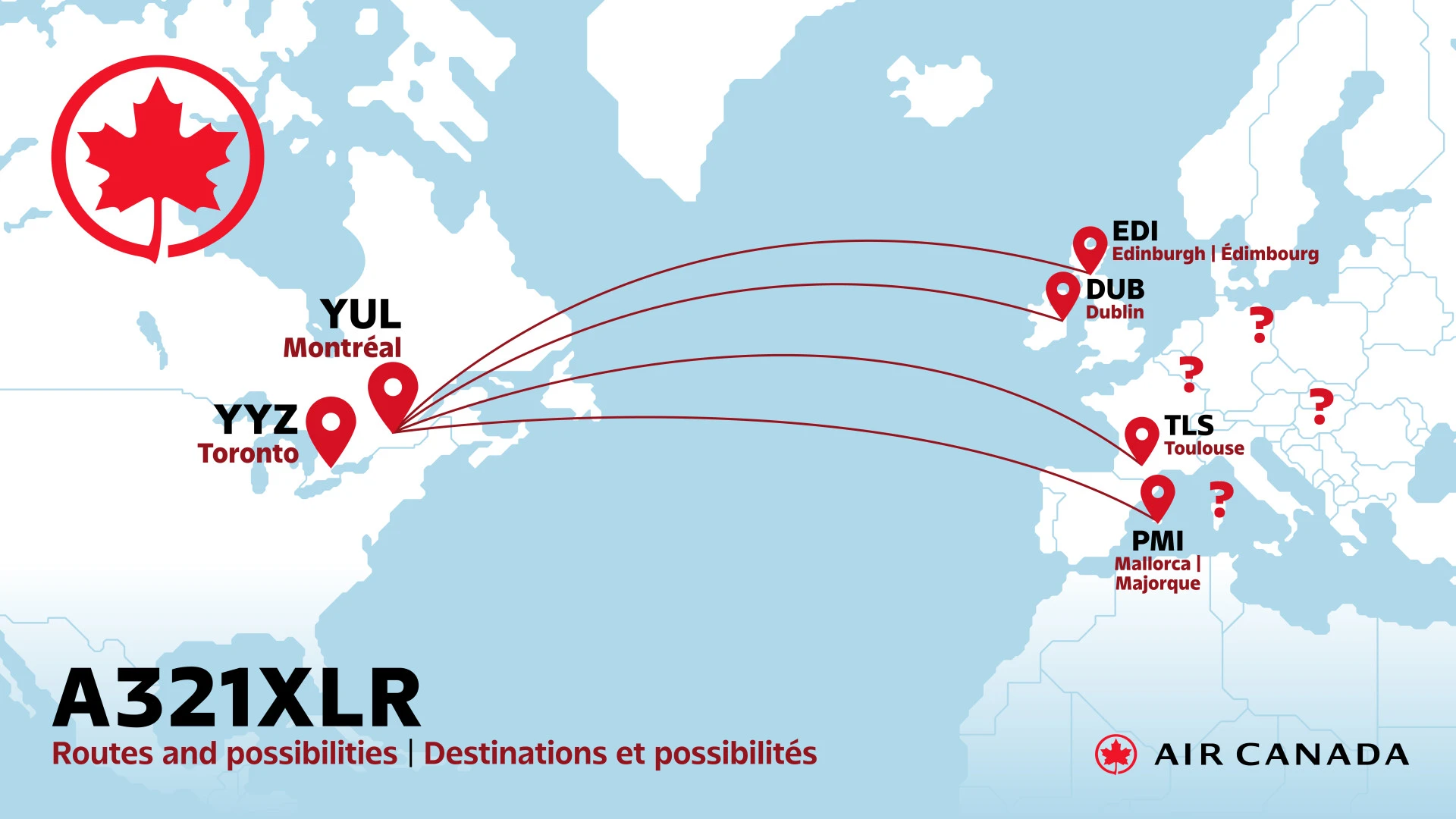
Air Canada (AC) is preparing to launch a new nonstop transatlantic service between Montréal–Trudeau International Airport (YUL) and Dublin Airport (DUB) using the Airbus A321XLR, with schedule data published by AeroRoutes indicating the flights will commence on 2 May 2027. The route will operate four times weekly for the month of May before transitioning to a Boeing 787-9 for the peak summer season.
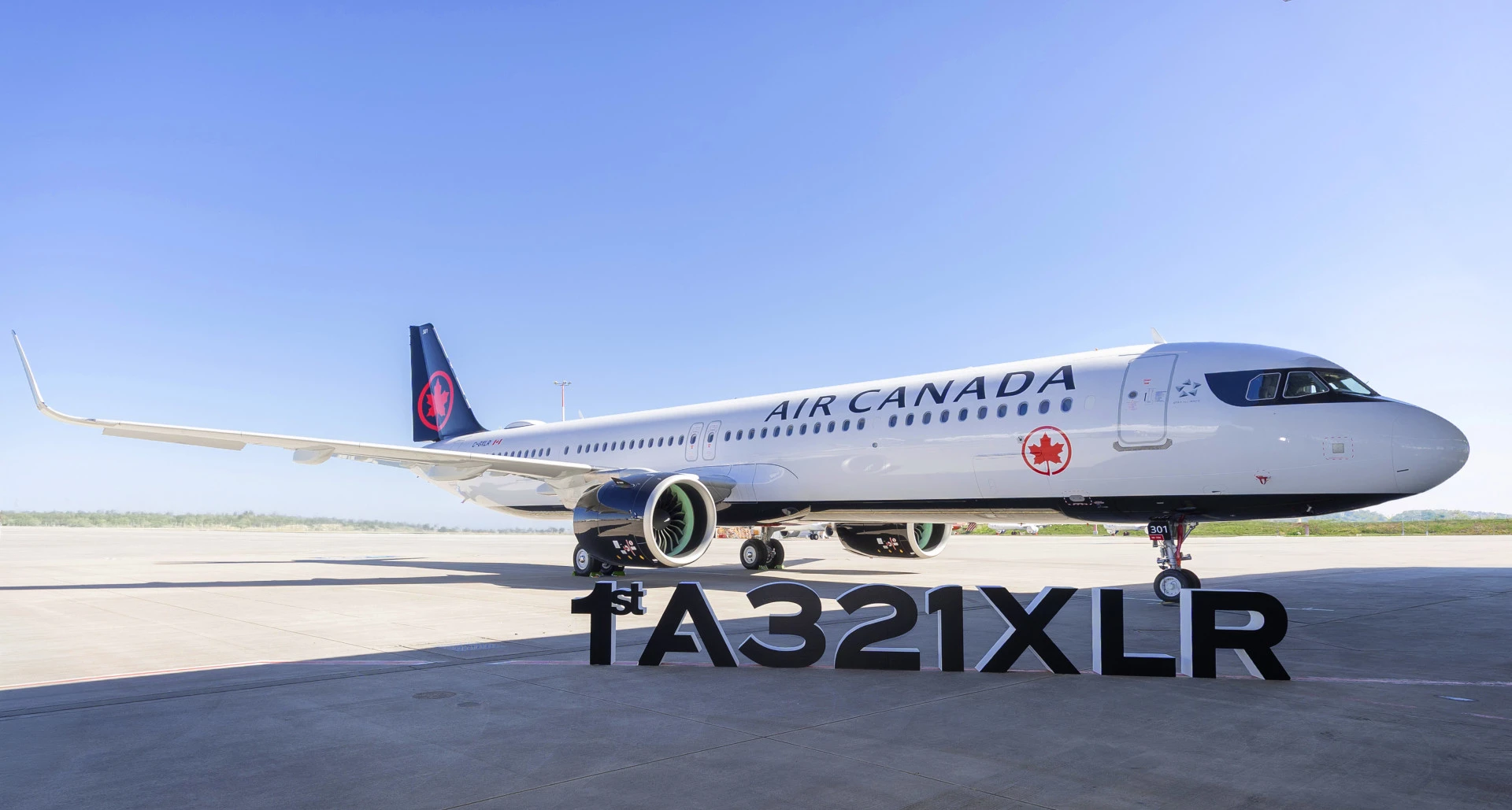
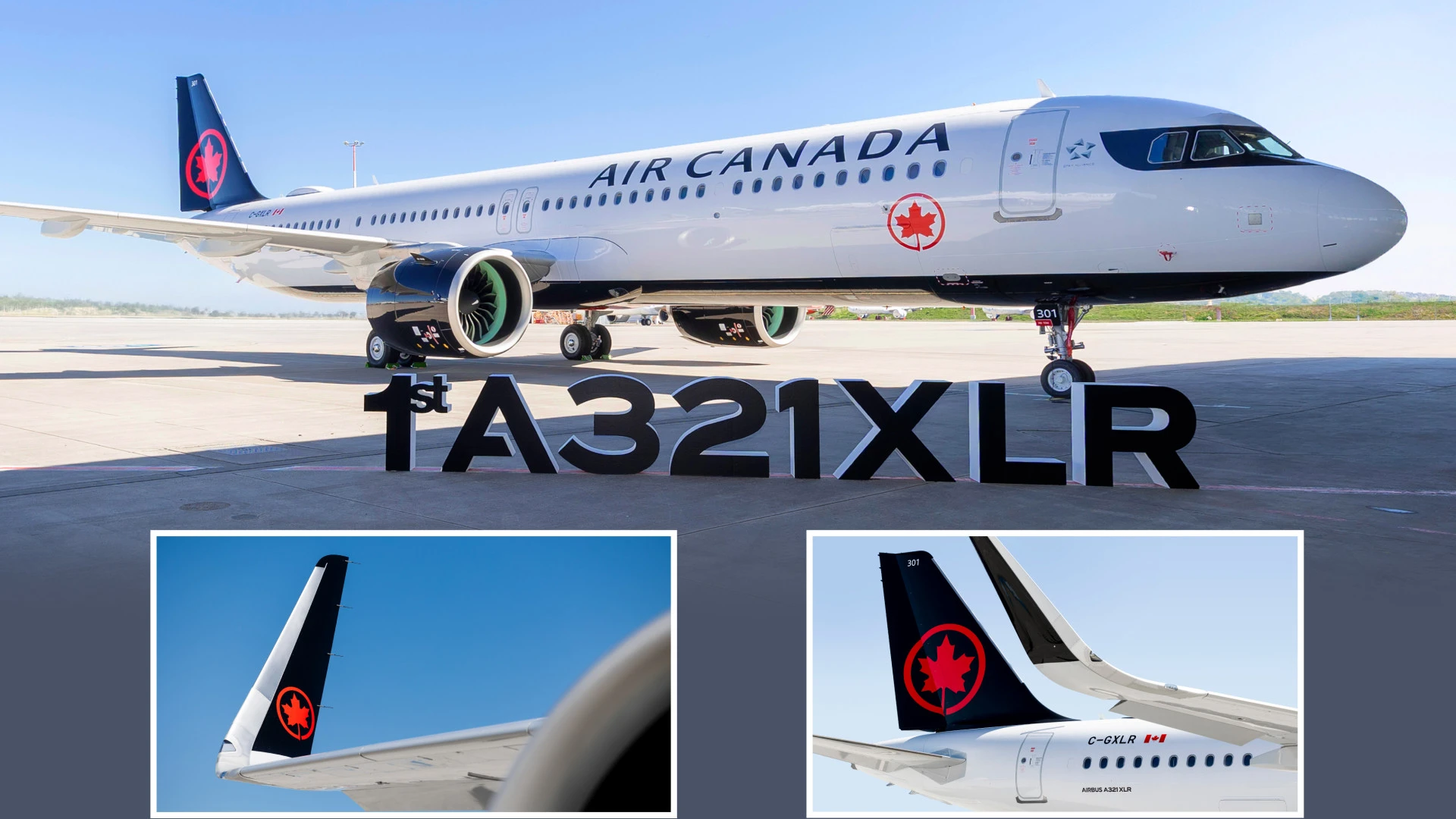
The announcement coincides with a transformative moment in the airline’s fleet story. Air Canada took delivery of its first A321XLR at Airbus’ Hamburg facility on 24 April 2026, making it the first Canadian operator of the extended-range narrowbody — and the first Canadian airline to offer lie-flat seats on a single-aisle aircraft. The Montreal–Dublin route for May 2027 adds yet another data point to the carrier’s expanding A321XLR network.
Air Canada’s YUL–DUB Route Has a Complicated History
The Montreal–Dublin corridor is not new territory for Air Canada, but the carrier’s relationship with it has been anything but linear. The airline has served the market on and off for years as part of its broader summer transatlantic network, with the route experiencing periodic suspensions and fleet adjustments tied to demand trends, aircraft availability, and network priorities, as Simple Flying reported.
Air Canada initially planned to operate Montreal–Dublin flights in 2026 using A321XLR equipment, with the Dublin destination appearing as early as September 2025 in preliminary route disclosures. Those 2026 A321XLR schedules were later stripped from reservation systems — with Simple Flying noting that by early February 2026, Dublin had been removed from the A321XLR’s 2026 plan entirely.
The route has since re-emerged for the 2027 summer season, this time tied explicitly to the A321XLR, with flights departing Montreal in the evening and arriving in Dublin the following morning.
Meanwhile, between May and December 2026, Air Canada is expected to operate the YUL–DUB market using the Boeing 787-9 Dreamliner, with Airbus A330-300 aircraft also scheduled periodically depending on operational requirements and seasonal demand patterns.
Air Canada’s “Glowing Hearted” Cabin Design on the A321XLRs on Dublin
The A321XLR is the first narrowbody in Air Canada’s fleet to carry lie-flat seats, making it the only Canadian airline to offer such a product on a single-aisle aircraft. According to Aerotime’s delivery report, the aircraft is configured for 182 passengers in a two-cabin layout:
- 14 Signature Class lie-flat seats arranged in a 1-1 configuration providing direct aisle access for every premium passenger
- 168 Economy seats in a 3-3 layout.
The cabin debuts Air Canada’s new “Glowing Hearted” design standard [or “Glowing Hearted” interior] which mirrors the aesthetic being introduced on the carrier’s incoming Boeing 787-10.
As described in the Aerospace Global News delivery coverage, the Airbus Airspace interior is enhanced with:
- personal device power at every seat
- Bluetooth-enabled in-flight entertainment screens larger than on previous-generation aircraft
- complimentary Wi-Fi for Aeroplan members
- tunable LED ambient lighting, and XL overhead bins offering 60% more volume than standard narrowbody lockers.
Talking about this cabin design, Mark Nasr, Executive Vice President and Chief Operations Officer at Air Canada, stated:
“From the moment of stepping on board, we’re setting a new standard for how Canadians and the world connect with our brand. Details matter: we listened closely to feedback and challenged ourselves to create an experience defined by a strong Canadian sense of place, alongside a commitment to craftsmanship, functionality, and long-term durability.”
Notably absent from the A321XLR’s cabin is a Premium Economy section — a structural decision that Simple Flying’s comparative analysis attributes to the route economics of the long, thin leisure-oriented corridors the aircraft is designed to serve. Air Canada’s VP of Network Planning has reportedly indicated that business and economy are the split that makes the financial proposition work on such markets, where premium economy demand is still developing.
Delivery Details and Fleet Significance of Air Canada’s First A321XLR
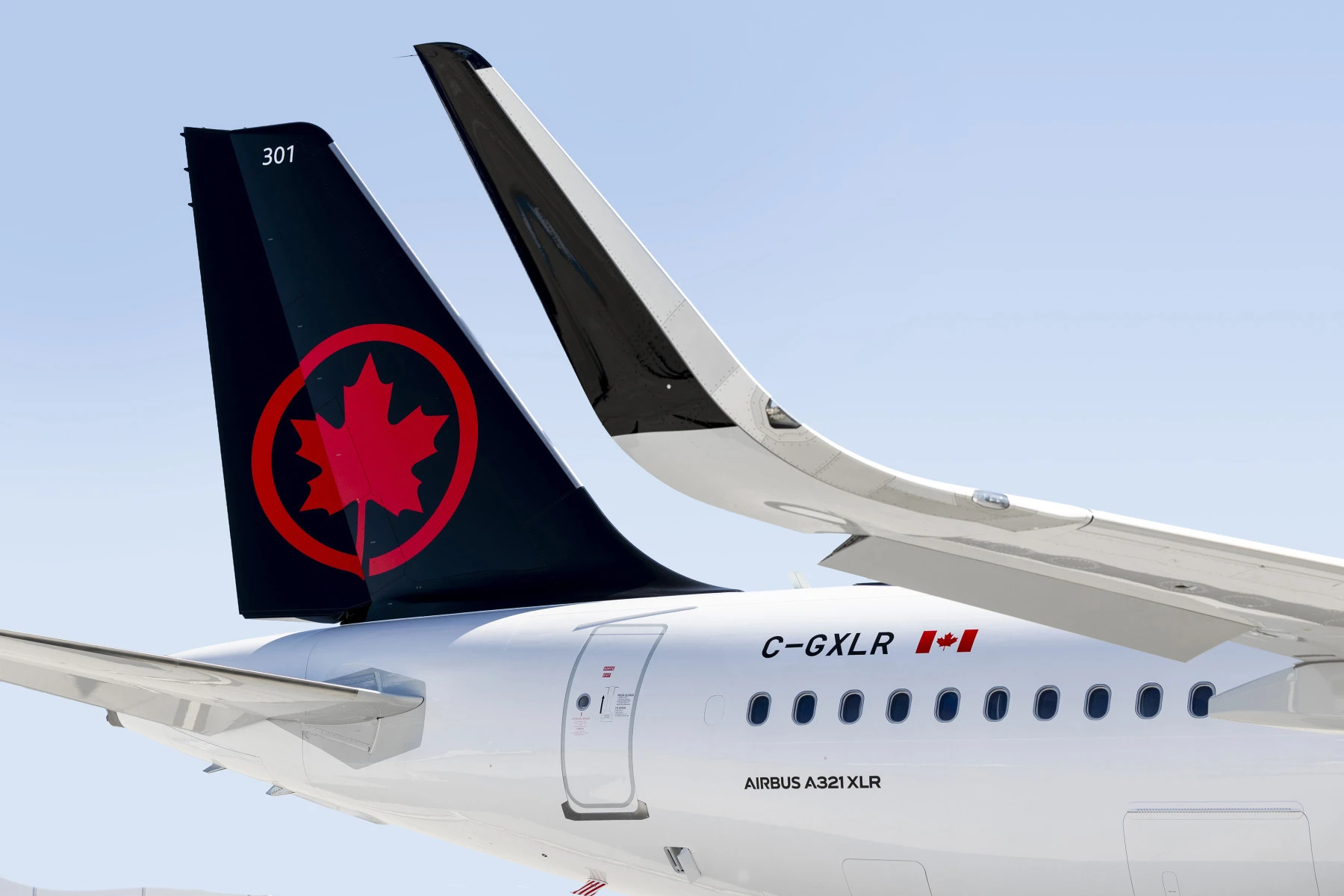
The aircraft that will eventually operate the Montreal–Dublin route arrived in Canadian hands on 24 April 2026. Air Canada took delivery of the A321XLR — registered C-GXLR — at Airbus’ Hamburg production facility, with the aircraft leased from SMBC Aviation Capital.
According to Air Canada’s official press release, the airline holds a total of 30 A321XLR aircraft — 15 on lease and 15 purchased directly from Airbus — expected to enter the fleet over the coming years.
Mark Galardo, Executive Vice President and Chief Commercial Officer and President of Cargo at Air Canada, said the Airbus A321XLR is an important addition to the airline’s fleet modernization and growth strategy. He said the aircraft will give Air Canada greater flexibility to launch new international routes while strengthening its offering on existing markets.
Galardo added that the A321XLR will soon operate transatlantic services from Montréal and Toronto, while also being deployed on important North American transcontinental routes.
Benoît de Saint-Exupéry, Executive Vice President of Sales at Airbus Commercial Aircraft, said the delivery marked an important milestone for Air Canada and Airbus. He highlighted the A321XLR’s combination of transatlantic range, lower fuel consumption and reduced CO2 emissions, saying these capabilities would allow Air Canada to develop new routes with greater operational efficiency.
Separately, Barry Flannery, Chief Commercial Officer of SMBC Aviation Capital, described the delivery as a moment that would “elevate the customer experience through enhanced comfort and service, while delivering the efficiency and operational flexibility required to support Air Canada’s continued global expansion.”
All in All
Aerospace Global News notes that for passengers, the A321XLR means more direct routes to secondary European cities with a smaller, quieter cabin compared to widebody aircraft, a new premium product, and an improved economy experience. The XL overhead bins, cabin altitude maintained at 6,000 feet matching the Boeing 787, and human-centric LED lighting represent material improvements over previous-generation narrowbody infrastructure.
Air Canada continues to take delivery of additional aircraft across its fleet renewal programme alongside the A321XLR. The carrier has orders outstanding for:
- eight Airbus A350-1000s for delivery from 2030
- 14 Boeing 787-10 Dreamliners with first deliveries expected later in 2026
- 23 remaining Airbus A220 aircraft on a firm order of 65.
Five Boeing 737 MAX aircraft on lease were also delivered in 2026.