An American Airlines (AA) passenger has triggered renewed scrutiny over airline seating enforcement policies after alleging he was forced into “contortionist positions” during a three-hour flight because a neighboring passenger could not fit within a single assigned seat, View from the Wing reported. The complaint, which circulated widely across social media and aviation discussion forums this week, reignited debate over how US carriers manage so-called “passengers of size” on full flights.
The incident has also placed fresh attention on American Airlines’ own published seating and accessibility rules, which state that travelers requiring additional space may need to purchase an extra seat.
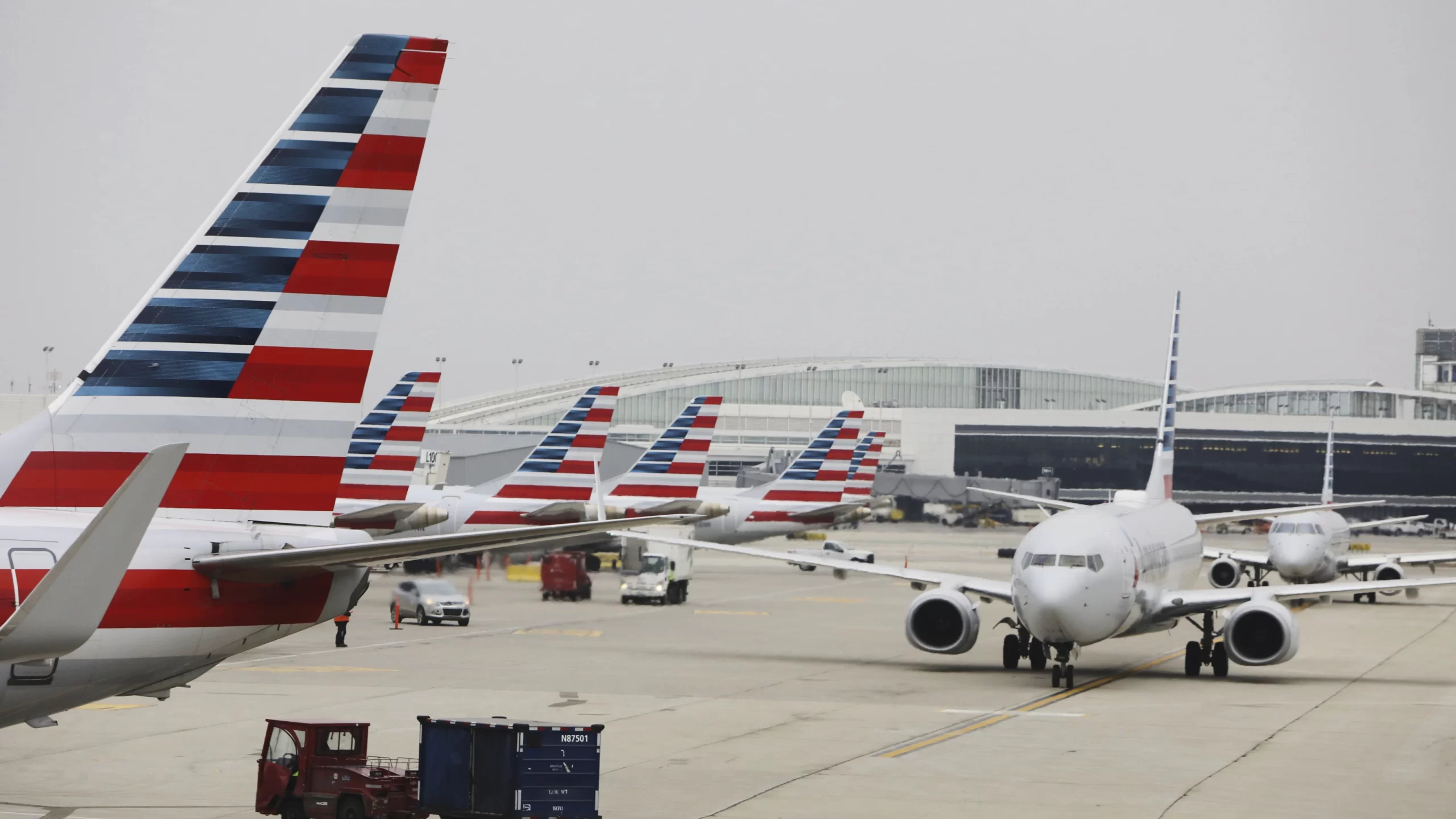
American Airlines Policy Requires Additional Seat In Certain Cases
American Airlines’ publicly available customer service and seating documentation states that the airline reserves the right to reassign seats for “operational, safety or security reasons.” The carrier also maintains policies concerning passengers who may require additional seating space.
According to the carrier, if you need more than one seat to travel comfortably and safely, you “must book an additional seat by calling Reservations“. T
The carrier also asks passengers to notify American Airlines of their seating requirements when making a booking. It states that Reservations will arrange two adjacent seats at the same fare, although passengers may need to pay the fare difference if they opt for a higher class with additional space.
Those who did not request an extra seat before the flight can ask an airport agent whether two adjoining seats are available. If the airline cannot meet the passenger’s seating needs on the original flight, it allows them to purchase seats on another flight at the same price as the original booking.
Despite the wording previously cited by the airline in customer correspondence and accessibility guidance, passengers who require a seatbelt extension and whose body extends beyond the armrest area may be required to purchase an additional seat to “travel comfortably and safely.”, multiple documented passenger complaints suggest the policy is rarely enforced consistently in real-world operations.
In several widely shared (over Reddit) incidents involving American Airlines flights, travelers alleged they lost substantial portions of their assigned seating space because neighboring passengers overflowed into adjacent seats while armrests could not be fully lowered. In case dating eight months ago, one person who suffered from the case of a “person next to you overflowing into your seat right” got a from AA’s customer service age. The person who had complained said that the agent was “the most NON-empathetic person for this role“.
The latest complaint involved a middle-seat passenger who reportedly spent the entire flight leaning away from the adjoining traveler, later describing his “neck [and] back” as “wrecked” after landing.
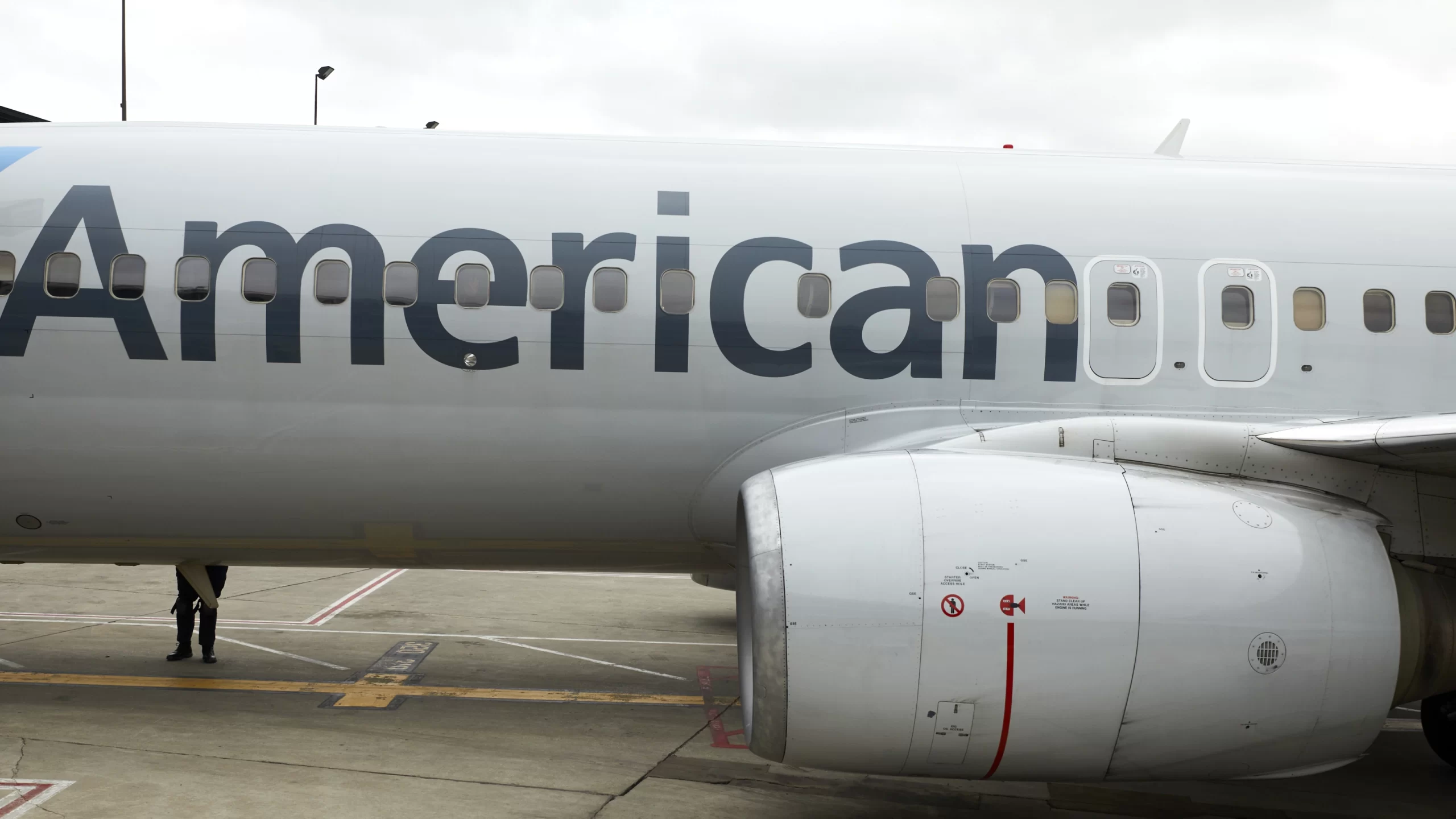
Passenger Complaints Highlight Operational and Ethical Challenges
The controversy underscores a broader dilemma confronting US airline as seat dimensions continue shrinking while passenger loads remain historically high. Industry-wide seat pitch and seat width reductions over the past two decades have intensified. According to a report published in the Los Angeles Times, “the average seat pitch — the distance between the back of one seat and the back of the next — has dropped from 35 inches to 31 inches” since 2011. This comes against a backdrop of the fact that:
“since the late 1980s, the average American man over age 20 has gained about 15 pounds and his waist size has increased by more than 2 inches. The average American woman over age 20 has gained about 16 pounds and increased her waist size by more than 3 inches.”
Several passengers posting on Reddit’s American Airlines forum described similar experiences in which cabin crews allegedly struggled to resolve seating conflicts on full flights. In one account, a passenger claimed a flight attendant suggested the affected traveler could be rebooked instead of relocating the larger passenger occupying part of the adjacent seat space.
Aviation publication Simple Flying noted that the space concerns were not confined to Economy Class. It highlighted the limited space in American Airlines’ new Airbus A321XLR Business Class cabins, which are already operating internationally, including to Edinburgh. According to the publication, the aircraft feature a particularly compact Business Class product, with suites offering a 32-inch pitch and seats angled nearly 50 degrees toward the aisle. The layout has reportedly left some passengers feeling highly confined, with some comparing the experience to being inside a coffin.
Another traveler flying from Phoenix Sky Harbor International Airport (PHX), Arizona, to Cancún International Airport (CUN), Mexico, said American Airlines customer service later informed him that “all passengers are welcome” onboard and that space overflow disputes were effectively not the airline’s responsibility.
Those complaints have intensified criticism from some frequent flyers who argue airlines continue monetizing increasingly restrictive seating layouts while inconsistently applying published accommodation policies.
All in All
The debate surrounding “passengers of size” policies remain one of the aviation sector’s most sensitive operational issues. Scoot, a budget airline, notes that “if you are a guest of size who requires 2 seats … fares and fees for 2 guests apply”. The note says: “Failure to do so may result in you being denied transportation.” However, it is not clear which passengers can, in advance, be considered a “guest of size”.