Gautam Buddha International Airport (BWA), one of the three international airports of Nepal, has initiated a coordinated expansion strategy to scale up international flight operations, with authorities targeting full operational utilization beginning from the upcoming winter schedule.
Airport management, in conjunction with the Civil Aviation Authority of Nepal (CAAN), is engaging foreign carriers, refining policy frameworks, and exploring network innovations such as fifth freedom traffic rights to reposition BWA as a viable regional hub.
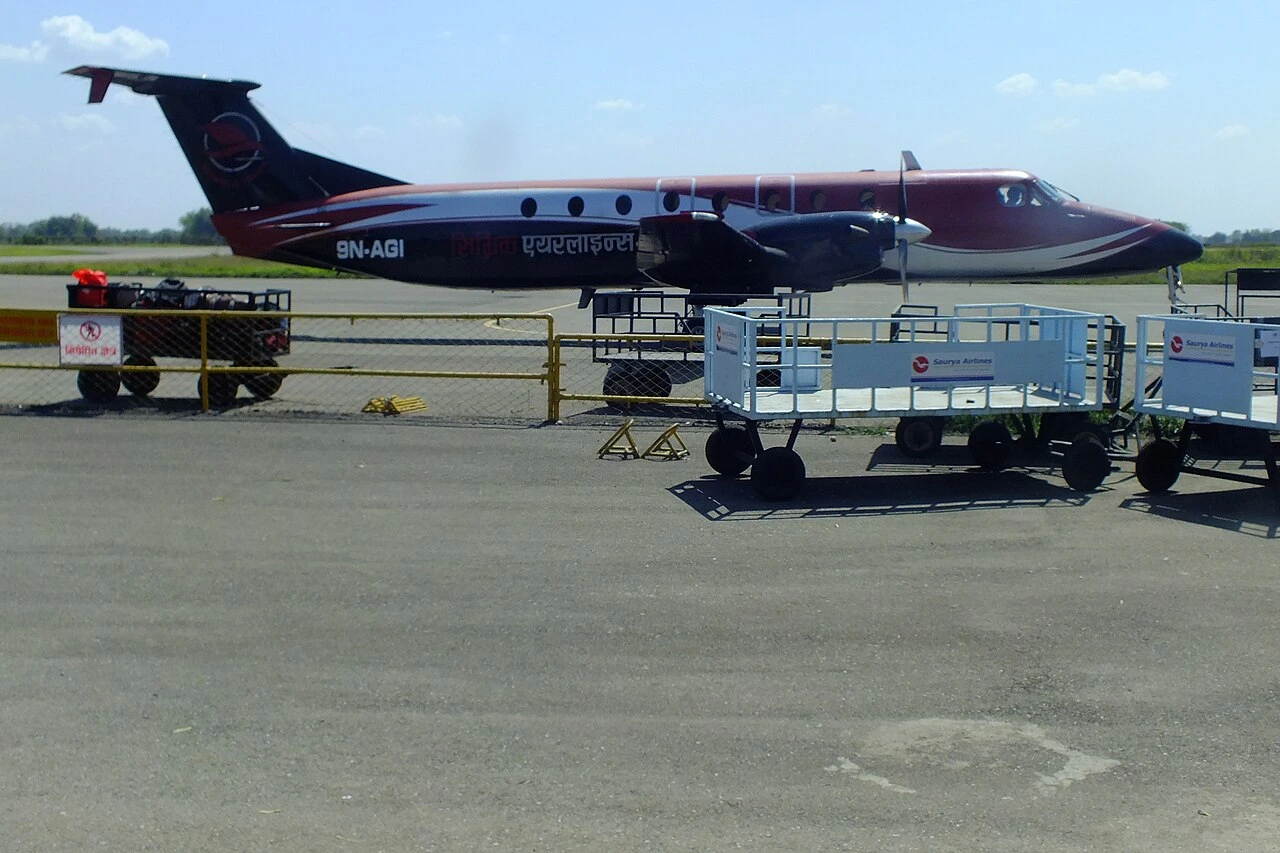
Gautam Buddha Airport Seeks International Traffic Recovery
According to The Kathmandu Post, despite substantial infrastructure investment, BWA has struggled to sustain regular international services since its inauguration, with flight operations remaining sporadic due to weak passenger demand and airline hesitancy.
Airport General Manager Shyam Kishor Sah was quoted in Ratopati having acknowledged the current operational deficit, noting that authorities are actively coordinating with airlines to increase frequencies from the summer schedule onward, saying that Gautam Buddha Airport was “coordinating with airlines to increase the number of flights”:
“To create an environment that attracts more tourists, we have been holding regular meetings with private-sector representatives over the past few weeks..Only when tourist numbers increase do issues of resources come into play…The airport and aircraft are there, but promotion has not been effective.”
Pokhara International Airport is another international aerodrome of Nepal that has been struggling with gaining international flights, and has been dubbed as China’s debt trap.
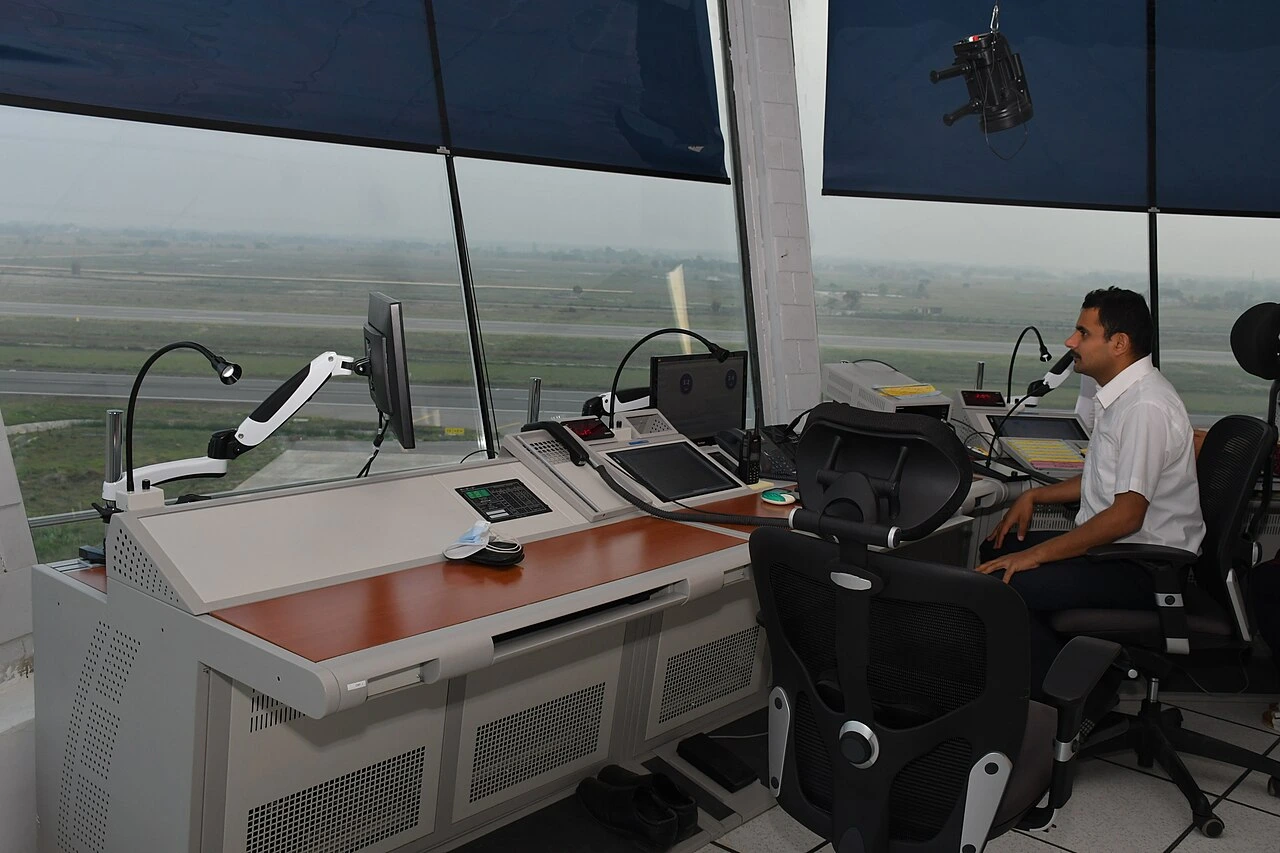
Winter Schedule Expansion Targets Buddhist Circuit Demand
At present, Thai AirAsia remains one of the primary international operators at BWA, serving routes largely oriented toward Buddhist pilgrimage traffic. According to Khabarhub, the airport is set to scale up this service to twice-weekly winter flight schedule next season, strengthening links across the Buddhist circuit—particularly Lumbini and Gaya—in a bid to boost religious tourism.
This targeted expansion reflects a demand-driven strategy, leveraging Nepal’s religious tourism potential to establish baseline passenger volumes necessary for sustained airline participation.
However, international tour guides are sometimes unaware that Lumbini is the Buddha’s birthplace. This shows that there is a need for stronger, coordinated tourism promotion by private-sector groups. One of the ways to promote religious tourism in BWA would be for domestic airlines feature information about Gautam Buddha International Airport in their in-flight publications.
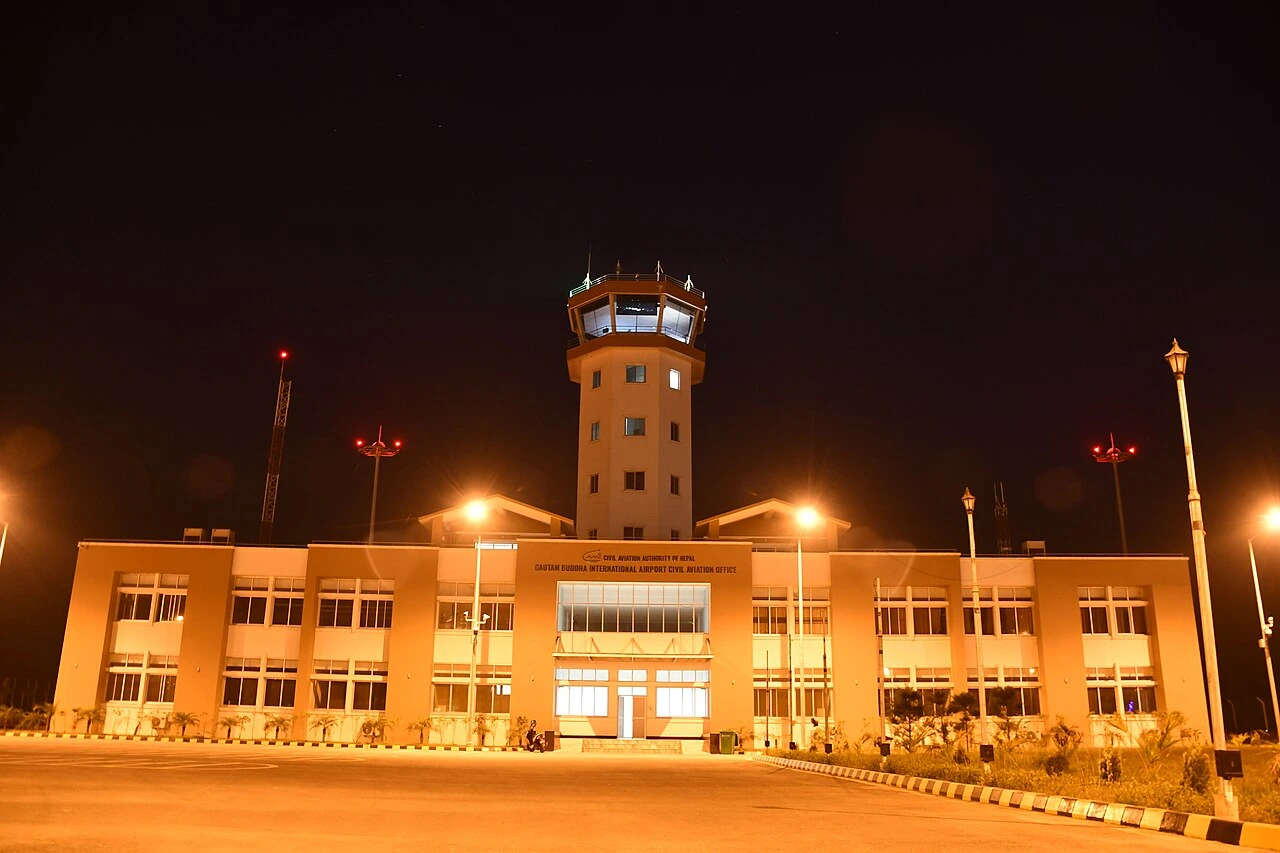
Fifth Freedom Rights Proposed to Attract Global Carriers
A central pillar of the airport’s expansion strategy involves the introduction of fifth freedom traffic rights, a mechanism that would permit foreign airlines to operate multi-sector routes via Bhairahawa.
Under this framework, carriers such as Qatar Airways could operate routing such as Doha–Bhairahawa–third-country sectors, thereby improving aircraft utilization and commercial viability.
Sah confirmed that regulatory groundwork is underway, stating that policy and technical preparations have been initiated and a cabinet-level decision is expected in the near term:
“Even now, Qatar Airways is operating from other countries rather than Qatar; we are preparing for Qatar Airways to operate from Bhairahawa in accordance with the ‘Fifth Freedom’….We are confident that the Council of Ministers will make a decision on this matter soon.”
Nepal Airlines basing plan to Stabilize Operations
Parallel to foreign carrier engagement, the government is advancing plans to station aircraft from Nepal Airlines (RA), the carrier which recently increased services to Resunga Airport, at Bhairahawa, a move designed to anchor consistent international operations.
According to stakeholders, including regional political representatives, the basing strategy will enable more predictable scheduling while reducing reliance on Kathmandu-centric operations.
This approach aligns with broader network decentralisation objectives, aimed at redistributing international traffic flows beyond Tribhuvan International Airport (KTM).
Charter Operations and Labour Traffic remain a Priority for Bhairahawa
In the interim, charter operations continue to play a critical role in sustaining airport activity, particularly for outbound labour migration flows.
Carriers such as Kuwait Airways are already operating charter flights connecting Kuwait City with Bhairahawa, while additional routes from Saudi Arabia remain under regulatory consideration.
Sah stressed that both charter and scheduled services will be developed concurrently, noting that “regular operations will soon be strengthened” without compromising existing charter demand.
Structural Challenges continue to Constrain Utilisation
The renewed expansion push follows a prolonged period of underutilisation, during which airlines withdrew services citing:
- low demand
- operational constraints
- limited commercial incentives.
Industry observers have consistently pointed to insufficient passenger volumes and weak international awareness of Lumbini as structural impediments to sustained airline engagement.
Moreover, past operational patterns indicate that BWA has frequently functioned as a diversionary or supplementary airport rather than a primary origin-destination hub, limiting its network stability.
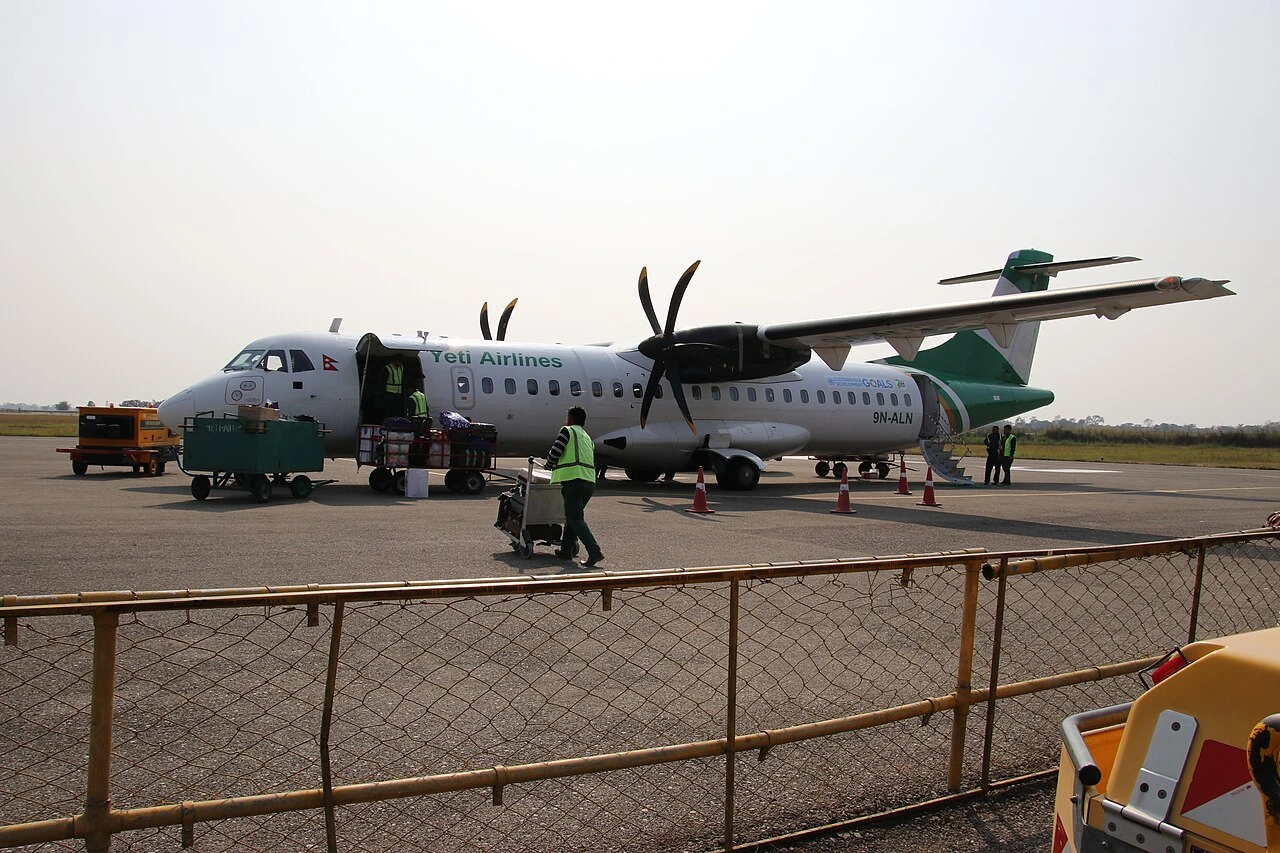
Will Bhairahawa Airport boost Lumbini Tourism?
Authorities maintain that achieving full international operations at BWA could unlock significant economic spillovers across Lumbini Province.
Enhanced connectivity is expected to stimulate religious tourism, facilitate labour mobility, and catalyse ancillary sectors including hospitality and logistics.
If successfully implemented, the current strategy could reposition Bhairahawa as a complementary international gateway, alleviating congestion at Kathmandu while integrating Nepal more effectively into regional aviation networks.