An easyJet (U2) flight from Edinburgh Airport (EDI), Edinburgh to Tenerife South Airport (TFS), Tenerife was forced to divert mid-air to London Gatwick Airport (LGW) following what the airline described as a “welfare issue” onboard, as reported by The Scottish Sun. The incident involved flight EZY3201 on Wednesday, which departed at approximately 15:35 local time but did not continue to its intended destination as scheduled.
The Airbus A320 operating the service altered course while cruising over north-west France and landed safely at Gatwick shortly after 17:30. The diversion, while not classified as an emergency, disrupted the flight schedule and required operational adjustments before the journey could resume.
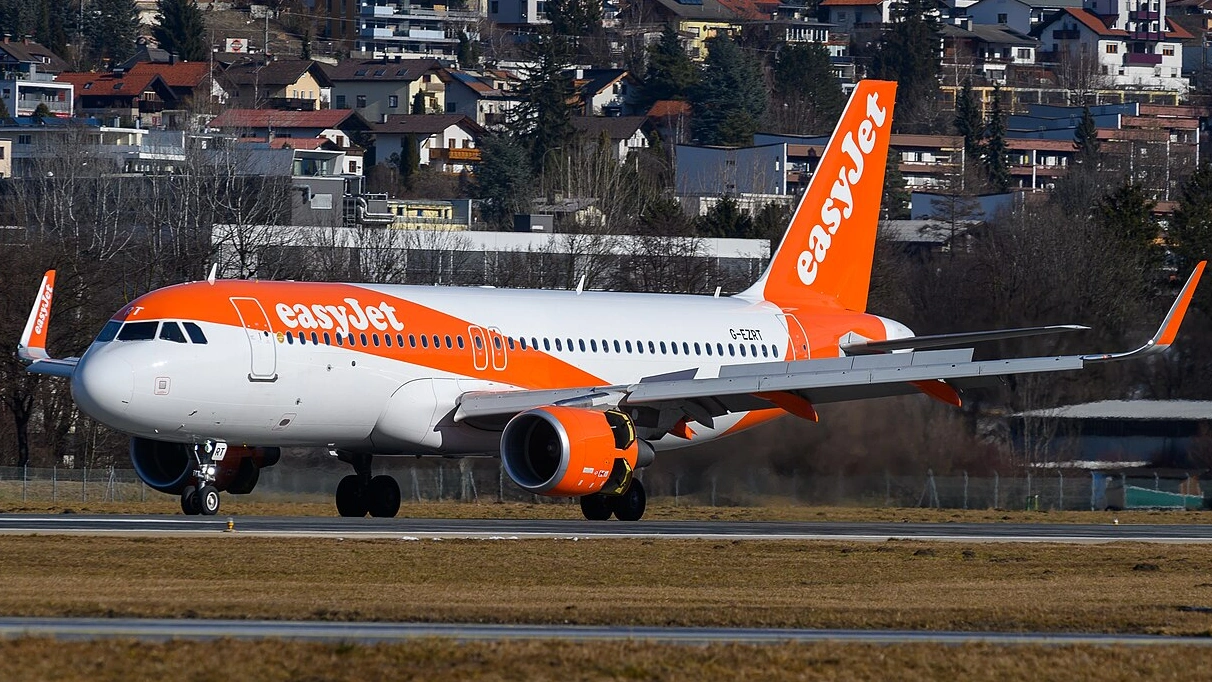
easyJet Flight Diversion Details
According to flight tracking data, EZY3201 was cruising at around 35,000 feet over Brittany when the crew initiated a course reversal toward London, Birmingham Mail reported. The same publication also reported that the aircraft made a controlled diversion without broadcasting a squawk 7700 emergency signal, indicating that the situation, while serious enough to warrant diversion, did not meet the threshold of a full emergency declaration
The aircraft subsequently landed safely at London Gatwick Airport, where ground teams were prepared to manage the arrival. Reports confirm that the flight path deviation occurred smoothly, with no indication of technical malfunction or operational instability
The diversion reflects standard aviation protocol, where flight crews prioritize passenger welfare and safety over schedule adherence when onboard concerns arise.
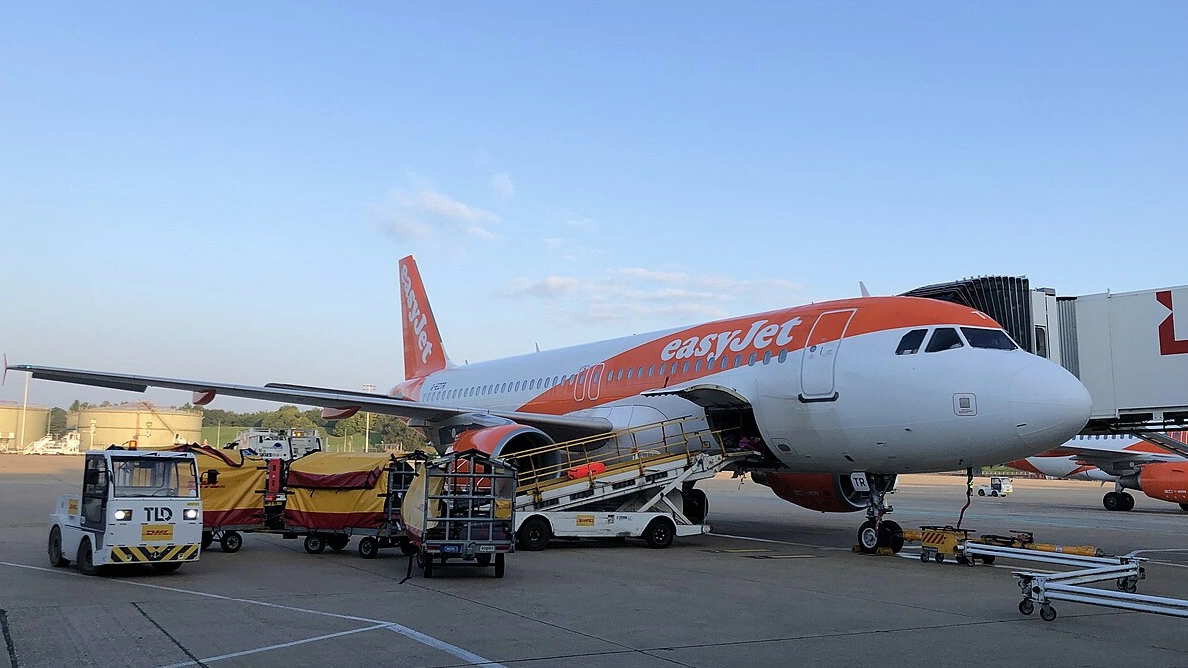
easyJet’s Official Response
easyJet confirmed the incident in a statement to passengers, attributing the diversion to a welfare-related issue without disclosing further details. The airline emphasized that such disruptions fall under extraordinary circumstances beyond operational control.
In its communication, the airline stated:
We’re very sorry that your flight has now been diverted. This is due to a welfare issue. The disruption to your flight is outside of our control and is considered to be an extraordinary circumstance.
The carrier further indicated that the aircraft would be refuelled and prepared to continue its journey to Tenerife once conditions allowed. Cabin crew reportedly kept passengers informed throughout the process, ensuring continuity of communication during the disruption.
Recent Similar Cases to EZY3201
In March 2026, an easyJet flight from Glasgow to Jersey was forced to return to its departure airport shortly after takeoff after a crew member was injured due to turbulence during the climb. The aircraft landed safely back at Glasgow, and passengers experienced a delay of several hours. It was a precautionary return rather than a full emergency. Let’s take a look at the other similar incidents that easyJet recorded in the past:
| Route | Date | Time / Flight Phase | Type of Issue | Crew Action | Outcome |
|---|---|---|---|---|---|
| Liverpool to Fuerteventura | 18 February 2026 | Shortly after takeoff; climb stopped at ~4,000 ft | Engine vibration (technical) | Diverted to Manchester; handled as precautionary emergency | Landed safely ~40 minutes after departure |
| Malaga to Belfast | March 2026 | Mid-flight diversion over Europe | Medical emergency | Diverted to Brest, France | Passenger attended; flight disrupted |
| London Southend to Malaga | April 2026 | Pre-departure (on ground) | Aircraft overweight | Passengers voluntarily offloaded | Flight departed after adjustment |
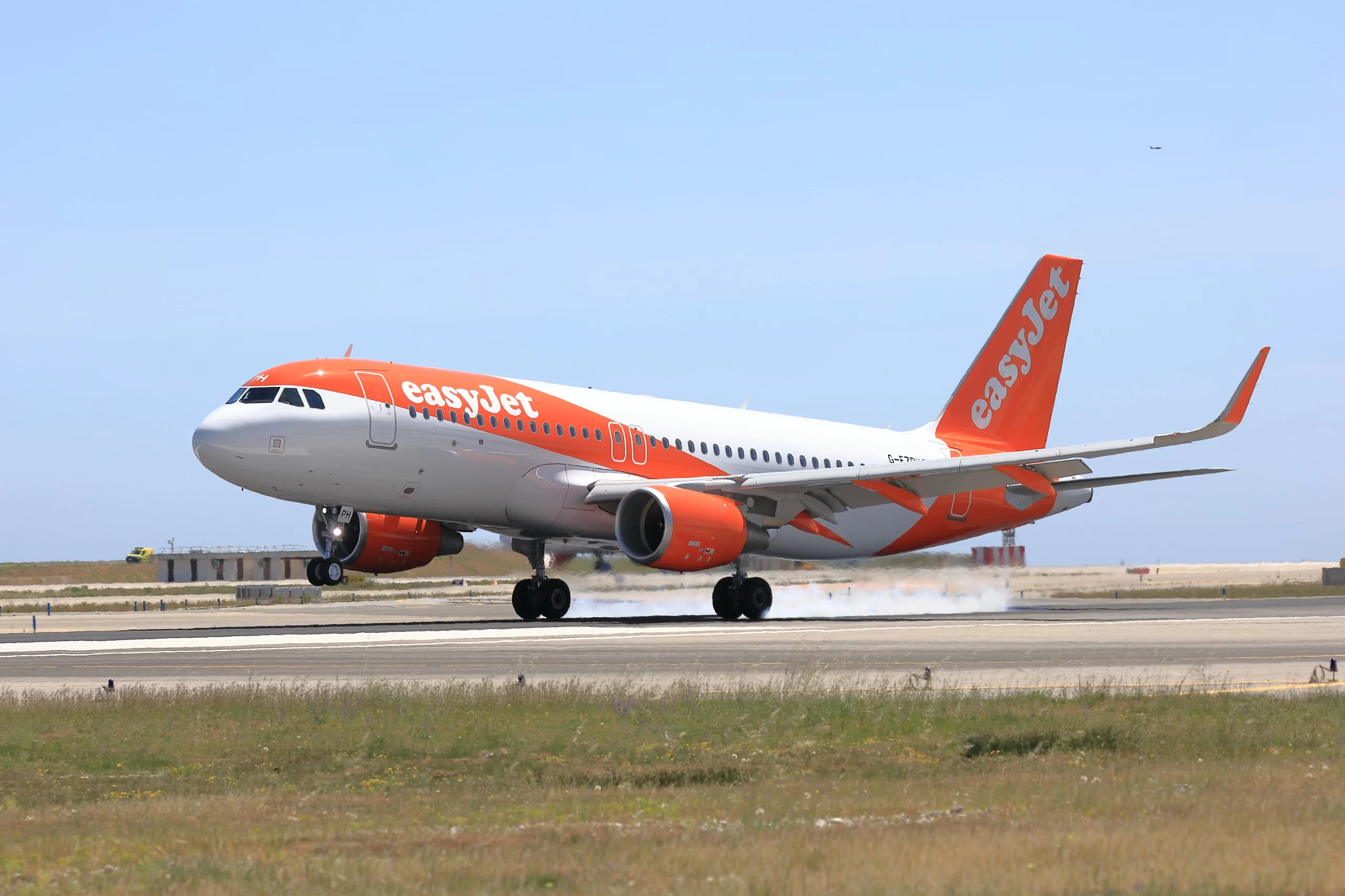
easyJet A320s: Details of the Diverted Aircraft
The diversion led to a significant delay, with the onward flight from Gatwick expected to depart later in the evening and arrive in Tenerife in the early hours of the following day.
easyJet operates 132 Airbus A320s in its fleet:
| Aircraft Type | In Service | Parked | Total | Avg Age |
|---|---|---|---|---|
| Airbus A320-200 | 78 | 4 | 82 | 13.3 Years |
| Airbus A320neo | 49 | 1 | 50 | 5.5 Years |
Let’s take a look at how the carrier configures its A320-200s:
| Feature | A320-200 V.1 | A320-200 V.2 | A320-200 V.3 |
|---|---|---|---|
| Total Seats | 186 | 180 | 180 |
| Cabin Layout | All Economy | All Economy | All Economy |
| Key Structural Difference | Densified layout; lavatories moved to galley | Split rear rows (30–31) near lavatories | Larger aft galley; standard lavatories |
| Seat Pitch | 28–29″ | 28–29″ | 28–29″ |
| Seat Width | 18″ | 18″ | ~18″ |
| Best Seats | Row 1, Exit rows 12–13 | Row 1, Exit rows 12–13 | Row 1, Exit rows |
| Seats to Avoid | Last row | Rows 30–31 | Rear rows |
| Notable Drawbacks | Narrow rear row, missing windows | Narrow/no-window rear seats | Basic seats, tighter feel |

.jpg)
