Boeing has launched an aggressive hiring campaign across its Washington facilities, bringing in more than 100 assemblers daily to stabilize production and prepare for higher output of its Boeing 737 MAX program. The move comes as the manufacturer works to replace retiring workers while ramping up capacity for its most in-demand aircraft.
The hiring push also supports Boeing’s broader production strategy, including preparations for a new 737 assembly line in Everett and ongoing work on the delayed Boeing 777X widebody program. Industry demand for fuel-efficient aircraft and geopolitical pressures driving defense spending have further intensified workforce requirements.
Boeing is Expanding its 737 Production
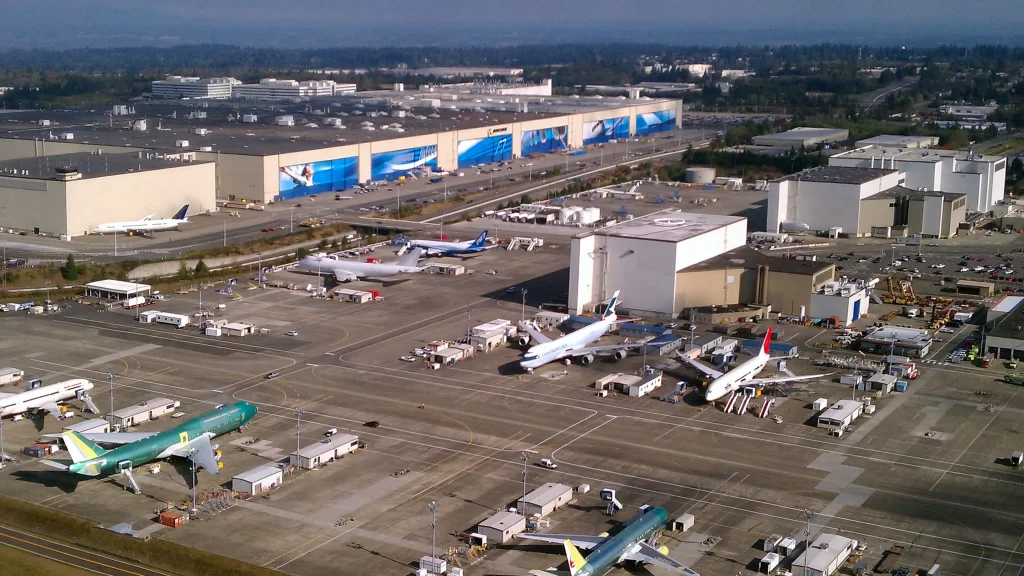
Boeing is preparing to open a fourth 737 production line, known internally as the North Line, at its Everett facility. This marks a notable shift, as 737 assembly has historically been concentrated at the Renton plant.
According to Reuters, Boeing “needs to staff a fourth Seattle-area production line… for the planemaker’s strong-selling 737 MAX narrowbody jet,” while also addressing workforce gaps caused by retirements. The Everett line will initially focus on the 737-8, 737-9, and 737-10 variants.
The expansion is designed to increase single-aisle output and reduce bottlenecks, allowing Boeing to respond more effectively to sustained airline demand. The new facility will replicate Renton’s manufacturing system, ensuring consistency in production standards.
Everett North Line Strategy
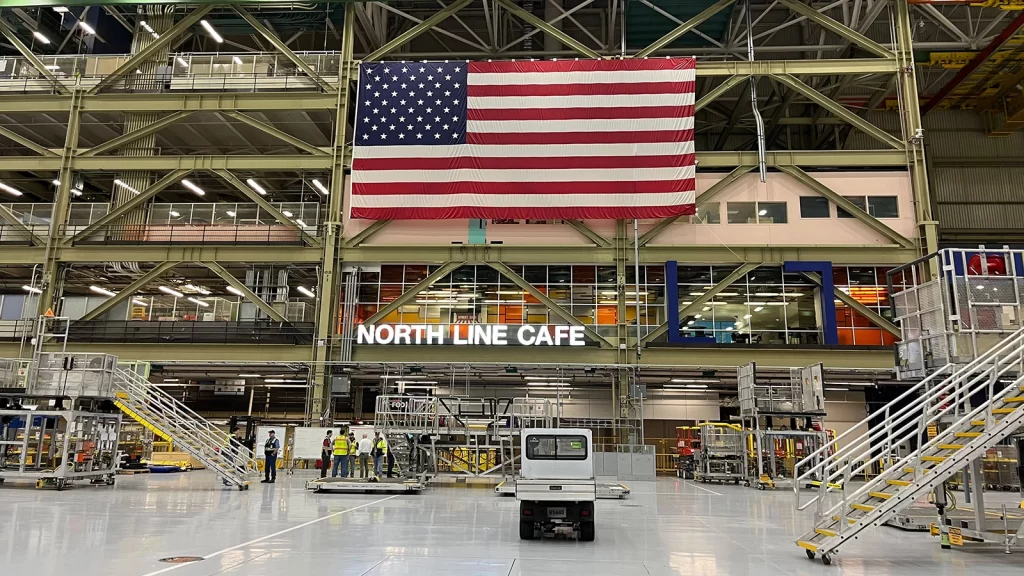
The Everett North Line represents a strategic shift in Boeing’s manufacturing footprint. For the first time, 737 aircraft will be assembled at the widebody-focused Everett site, historically associated with larger aircraft programs.
A key operational addition is the 737 Wing Transport Tool, which will move partially assembled wings to Everett for final integration. This adjustment streamlines logistics while maintaining production efficiency across multiple sites.
The decision reflects Boeing’s need to diversify assembly operations and build resilience into its supply chain. By expanding beyond Renton, the company aims to mitigate risks tied to single-site dependency.
Boeing’s Workforce Training Programs
To support rapid hiring, Boeing has introduced intensive, hands-on training programs aimed at accelerating workforce readiness. These initiatives prioritize practical experience before employees transition to live production environments.
One program places quality inspectors in simulated scenarios using real aircraft sections embedded with hidden defects. This approach builds inspection accuracy and confidence, reducing potential errors on the factory floor.
At the Composite Manufacturing Center in Frederickson, new hires train using a full-scale mockup of a 777X horizontal stabilizer. This allows assemblers to refine techniques without risking damage to operational components, while also giving engineers insight into real-world production challenges.
Aerospace Hiring Demand
Boeing’s hiring surge reflects broader trends across the aerospace sector. Manufacturers are scaling up recruitment to meet rising demand for new aircraft, driven by airline fleet renewal cycles and sustainability goals.
Reuters notes that aerospace firms are expanding hiring efforts due to “demand from airlines for more fuel-efficient jets, a space boom and rising defense spending.” These factors have created a competitive labor environment, particularly for skilled manufacturing roles.
For Boeing, the challenge is twofold: rebuilding institutional expertise lost to retirements while simultaneously preparing for higher production targets. The company’s current strategy attempts to address both through accelerated hiring and structured training.