JetBlue Airways (B6) faces mounting scrutiny after its founder David Neeleman warned that rising fuel costs could push the airline toward heavy losses and potential bankruptcy. Speaking to pilots at Breeze Airways (MX) on April 14, 2026, Neeleman outlined a deteriorating financial outlook driven by high operating costs and debt.
The remarks come amid intensifying merger speculation involving United Airlines (UA) (which increased checked baggage fees due to the increased fuel prices)and broader industry consolidation. Analysts suggest JetBlue’s financial position could force a strategic decision between acquisition and restructuring in the near term.
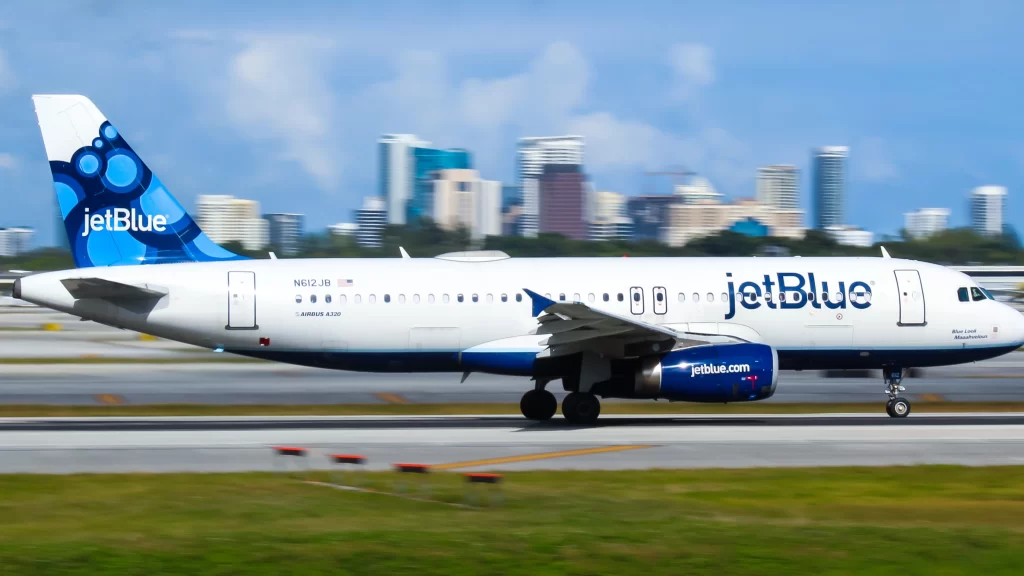
JetBlue Could Incur Losses of up to $1.3 Billion in 2026
Neeleman highlighted projections tied to fuel prices of $4.50 per gallon, citing estimates that JetBlue could incur losses of up to $1.3 billion in 2026. Under this scenario, the airline’s total debt could approach $9 billion, significantly constraining financial flexibility.
He noted that JetBlue currently spends over $600 million annually on interest payments, a figure that could rise to $800 million as borrowing costs increase. While the airline previously sustained operations during lower fuel price cycles, the current environment has eroded that margin of resilience.
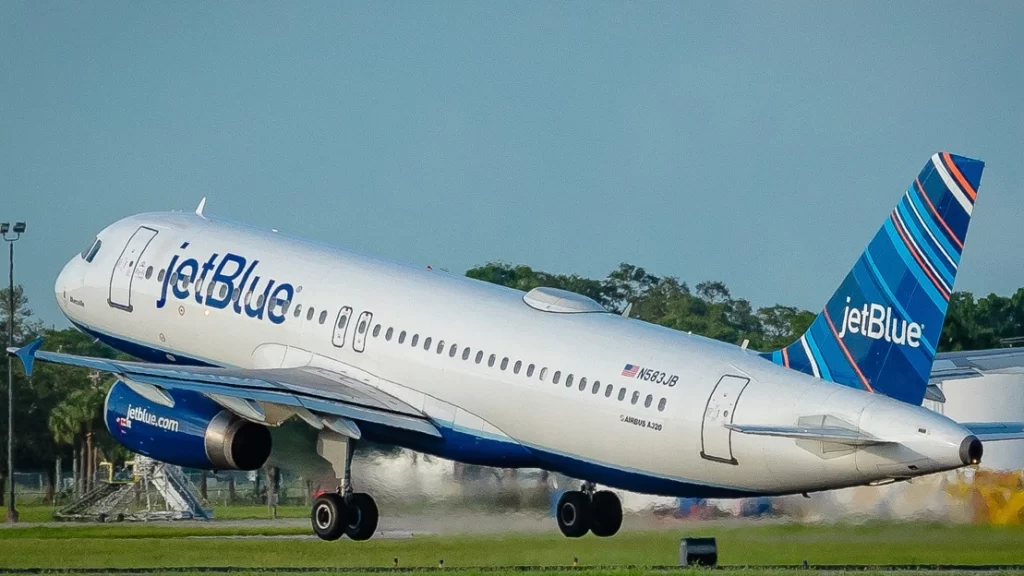
United Airlines Interest Tempered by Financial Risks
Merger discussions have centered on United Airlines, although concerns about JetBlue’s balance sheet remain a critical barrier. Neeleman indicated that United executives are cautious about absorbing the airline’s debt obligations.
Neeleman emphasized that these concerns reflect external analysis rather than internal company guidance, as he has not been involved in JetBlue’s management since 2008. His words, as quoted in One Mile At a Time reads:
There’s some thought out there that United is just doing this with American to clear the decks to buy JetBlue, but I know it from a pretty good source inside of United that they’re concerned about JetBlue’s debt, and they’re not really interested in taking on that.
further adding:
So I think JetBlue has very few options. I don’t think Southwest is interested in them, I know Alaska isn’t, United is concerned about the debt. Obviously if Spirit went under and fuel went back to under $2.50, they were just with their nose above the water, they doubled down in Fort Lauderdale, they really want to make that work.
Industry dynamics suggest that consolidation could accelerate in the current regulatory climate, particularly before upcoming U.S. midterm elections. Delta Air Lines (DL) CEO Ed Bastian has publicly indicated that additional mergers are likely across the sector.
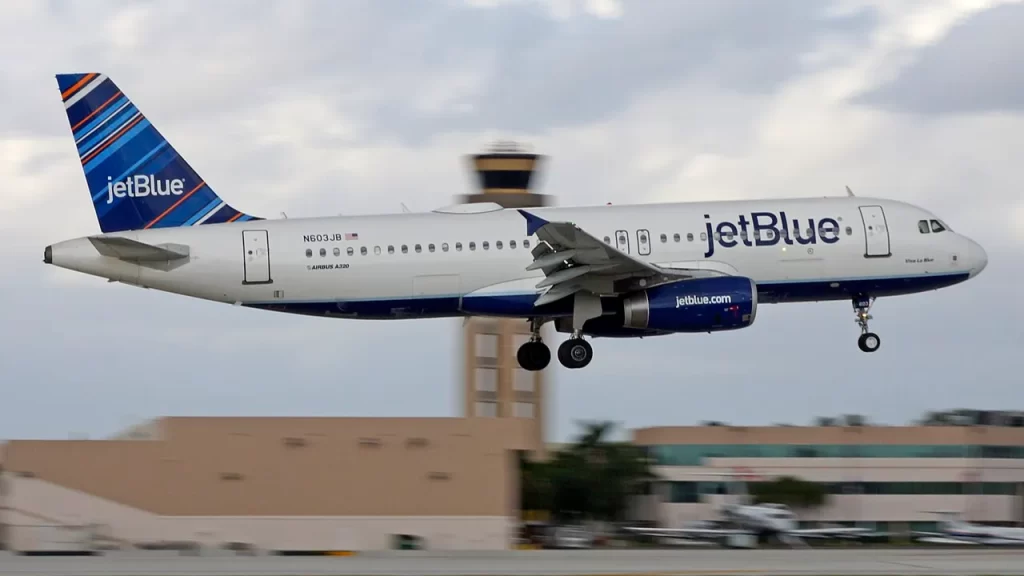
JetBlue Strategic Value at JFK and East Coast Network
Despite financial strain, JetBlue retains significant strategic assets, particularly at John F. Kennedy International Airport (JFK). The airline’s slot portfolio and strong East Coast presence continue to attract interest from potential acquirers.
Its loyalty program and transatlantic expansion further enhance its long-term value proposition. These factors may offset concerns about debt for airlines seeking to strengthen their position in competitive Northeast markets.
However, any acquisition would require careful navigation of regulatory approvals and integration challenges.
JetBlue’s situation reflects a broader pattern of financial strain followed by consolidation in the U.S. aviation sector. In 2011, American Airlines (AA) filed for Chapter 11 bankruptcy before merging with US Airways, creating one of the world’s largest carriers.
Such precedents illustrate how airlines often restructure or consolidate to survive prolonged cost pressures and competitive imbalances.
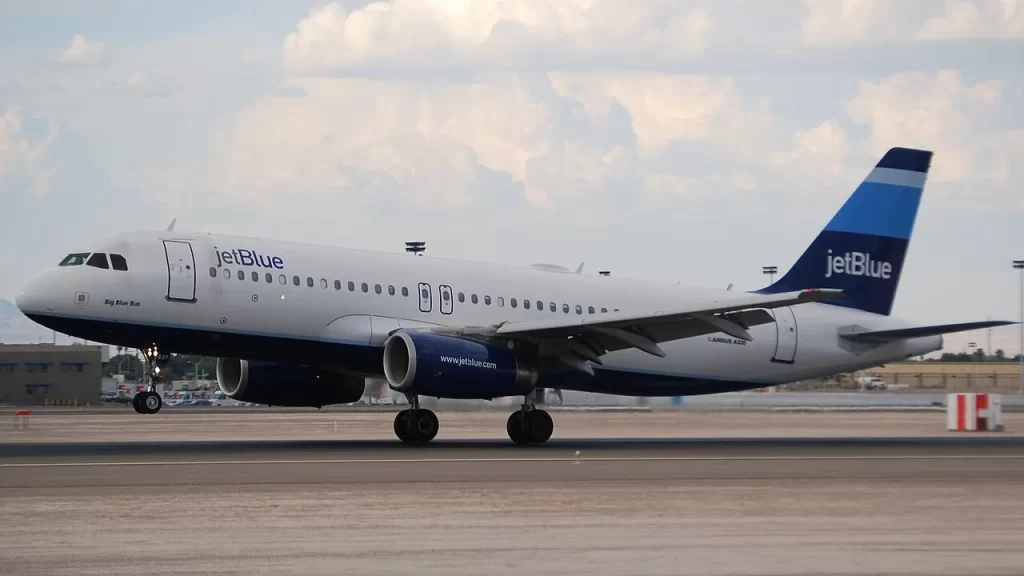
All in All
Analysts remain divided on JetBlue’s most likely path forward. Some argue that a Chapter 11 restructuring could reduce debt and make the airline more attractive to buyers.
Others contend that an acquisition before bankruptcy is more probable, given the urgency created by rising costs and competitive pressures. The timing of any deal will depend heavily on fuel price trends and regulatory conditions.
JetBlue’s future now hinges on whether it can leverage its strategic assets quickly enough to offset its financial liabilities.
.jpg)
.jpg)