Air Canada (AC) has been ordered to compensate seven pilots after an arbitrator ruled that the airline mishandled their religious exemption requests under its COVID-19 vaccination policy. The decision found that the pilots were improperly placed on unpaid leave, in violation of federal human rights protections.
The ruling, issued on March 3, 2026, concludes a long-running dispute dating back to the height of the pandemic, when airlines introduced strict vaccination mandates to maintain operational continuity and comply with public health directives.
Air Canada’s Vaccine Policy Dispute
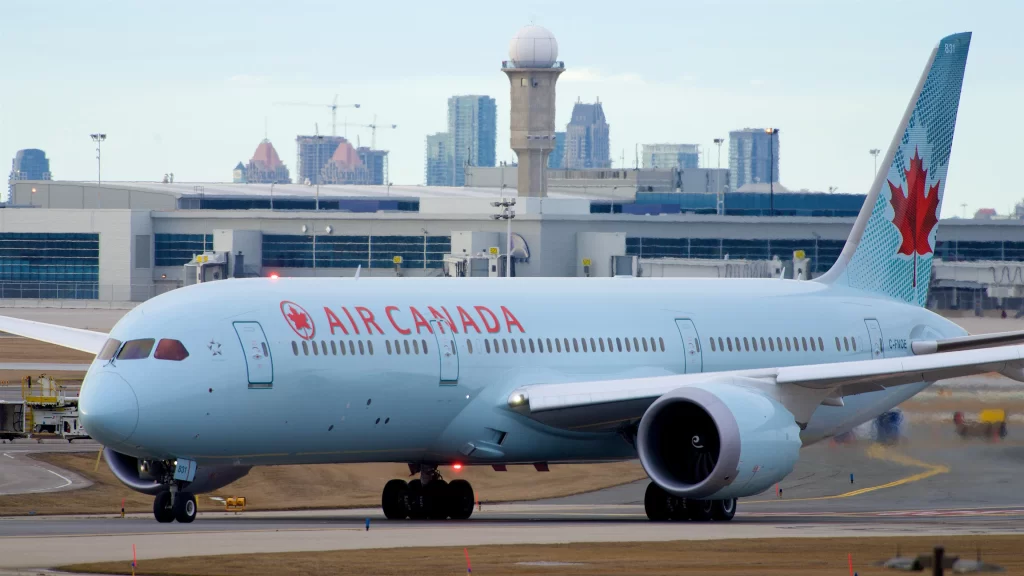
The case stems from Air Canada’s 2021 requirement that all employees, including pilots operating from Toronto Pearson International Airport (YYZ), be fully vaccinated against COVID-19. Staff seeking religious exemptions were asked to submit supporting documentation, including letters from religious leaders.
Seven pilots, represented by the Air Line Pilots Association, declined to provide such letters. As a result, the airline placed them on unpaid leave between October 31, 2021, and May 9, 2022.
During the same period, other employees who had requested exemptions were allowed to remain on paid leave while their cases were under review. This discrepancy became central to the dispute.
Details of Arbitrator Ruling
Arbitrator James Hayes determined that Air Canada failed to properly assess the sincerity of the pilots’ religious beliefs. He ruled that requiring external validation from religious authorities imposed an unnecessary barrier and did not align with the principles of the Canadian Human Rights Act.
The decision emphasized that individuals are not obligated to obtain institutional endorsement to substantiate personal religious convictions. Instead, employers must evaluate such claims on their own merits.
Hayes also noted that the seven pilots acted independently, without coordination, and accepted significant financial consequences in support of their beliefs—factors that reinforced the credibility of their claims.
According to the words of Hayes, as quoted in Toronto Sun as having said that the “acceptance of an individual affirmation of religious belief is not dependent upon production of endorsement from someone else. Not to say that supporting material would be irrelevant”:
all of the grievors acted transparently when faced with the mandatory vaccination policy in the first place. They acted individually without coordination. They did so at some perceived risk to their careers of which they were very proud, and at significant immediate economic cost to their families.
Air Canada Will compensate the Pilots Fully
The arbitrator ordered Air Canada to compensate the pilots for the full duration of their unpaid leave, covering approximately six months of lost income.
The airline has been directed to issue payments within 60 days of the ruling.
The compensation reflects the difference between unpaid status and what the pilots would have earned had they been treated consistently with other employees granted exemptions.
Impact on Canadian Aviation
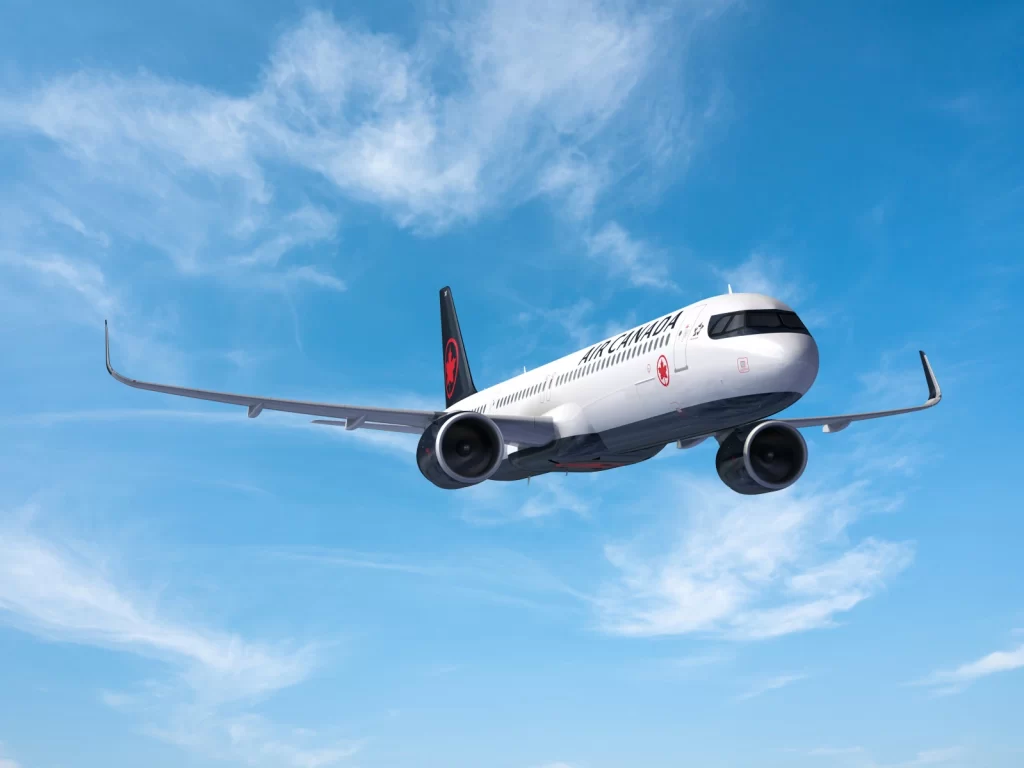
The ruling adds to a broader wave of legal scrutiny faced by airlines over pandemic-era employment policies. It underscores the necessity for employers to apply exemption frameworks consistently and in accordance with national human rights legislation.
For the aviation sector, the case highlights the legal risks of rigid policy enforcement during crisis periods. It also signals that future health mandates must strike a more careful balance between operational requirements and individual rights.
Labour groups and industry stakeholders are likely to view the decision as a benchmark, particularly in how airlines handle religious accommodations in highly regulated environments.

.jpg)