A few days ago, the government ordered all airports across Nepal, including Tribhuvan International Airport (KTM), to immediately establish dedicated breastfeeding and baby care rooms, reinforcing passenger welfare standards in the country’s aviation sector.
The directive, issued by the Ministry of Culture, Tourism and Civil Aviation, mandates implementation within 24 hours and places responsibility on airport authorities to ensure these facilities are functional, accessible, and aligned with global aviation norms. Note that Nepal is home to some of the most dangerous airports in the world, such as Lukla.
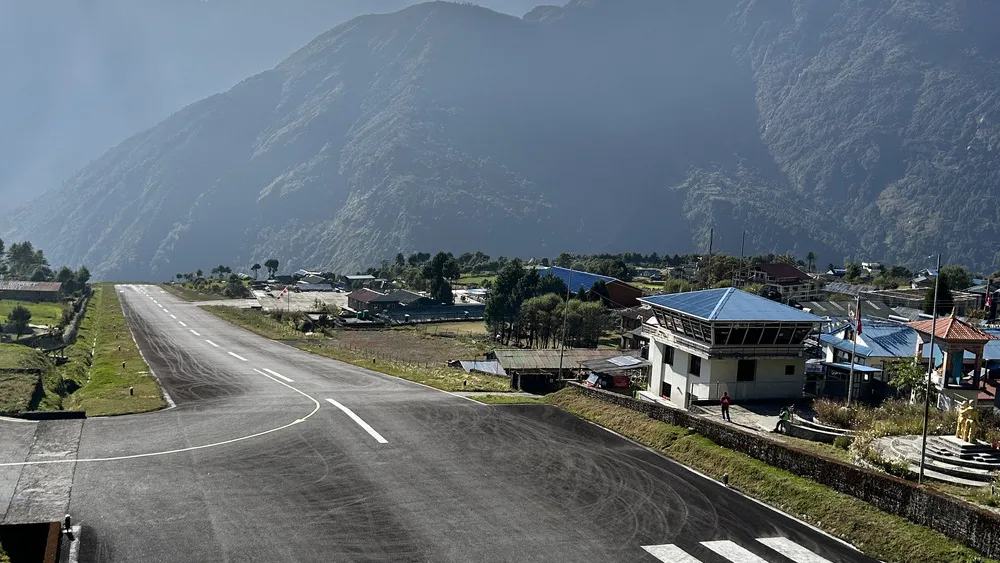
Photo: Karan Bhatta | aviospace.org
Passenger Care Mandate Across Nepalese Airports
The ministry’s instruction requires airports to create safe, private, and hygienic breastfeeding spaces for traveling mothers. Authorities must also ensure proper management of these rooms, including regular cleaning and monitoring.
In addition to nursing facilities, airports are required to operate primary care rooms for sick passengers and individuals with special needs. This move aims to strengthen inclusivity and improve the overall airport experience.
Officials stated that the initiative reflects growing passenger expectations and aligns Nepal’s aviation infrastructure with international service benchmarks. It also addresses long-standing gaps in passenger-centric facilities.
The directive, issued by Ministry Secretary Mukunda Prasad Niraula, calls for strict enforcement and consistent reporting to the ministry. It also points out that previous instructions were not properly carried out, leading to the need for renewed action.
According to a report published in Khabar Hub:
The ministry has called for airport sanitation to be maintained in line with international standards, including the implementation of a daily hygiene logbook system and adherence to guidelines set by the World Health Organization and the International Civil Aviation Organization. It has also instructed that free sanitary pads be made available in women’s restrooms.
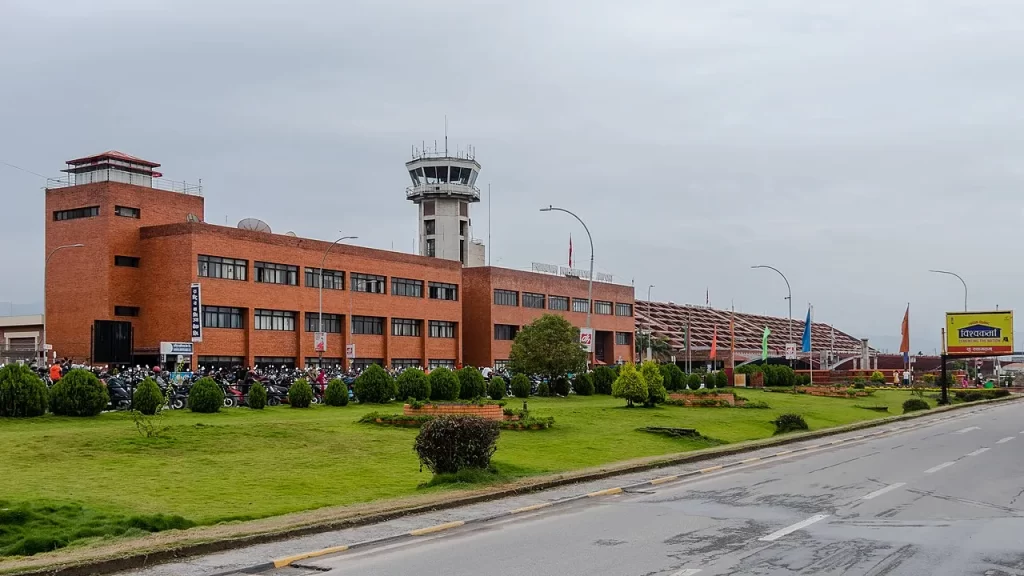
Hygiene and Standards at Nepalese Airports
The directive places strong emphasis on sanitation across all airport facilities. Authorities must maintain cleanliness in accordance with international standards set by global aviation and health bodies.
Airports have been instructed to introduce a daily hygiene logbook system to track cleaning routines and ensure accountability. This system is expected to improve consistency in sanitation practices.
Furthermore, women’s restrooms must provide free sanitary pads as part of basic passenger amenities. The ministry considers this a necessary step toward gender-sensitive infrastructure in aviation spaces.
However, one should note that Nepal has some of the most esoteric airports one can imagine: some STOLports don’t have any restrooms at all. The larger airports such as Pokhara, which is at the end of a bitter corruption scandal, Gautam Buddha International Airport etc., are possibly subject ot eh decree.
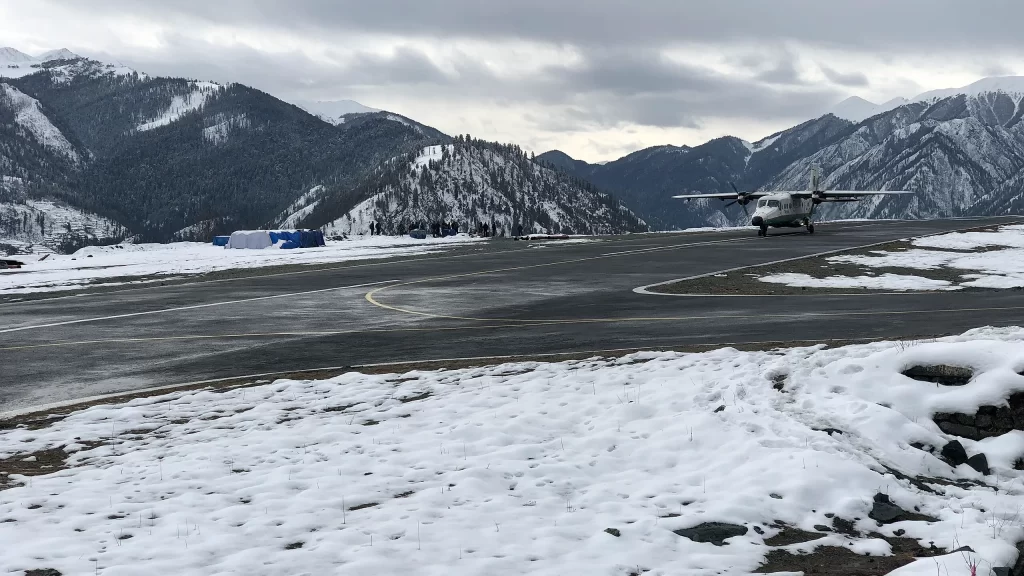
Photo: Tannu 01 | Wikimedia Commons
Enforcement and Oversight
The order, signed by Ministry Secretary Mukunda Prasad Niraula, stresses strict implementation and regular reporting. Airport authorities must submit updates to the ministry to confirm compliance within the stipulated timeframe.
The directive also highlights that earlier instructions regarding similar facilities were not effectively enforced. This has prompted the ministry to adopt a stricter monitoring approach. Kanitpur reported that Nepal spends “at least Rs 400 million on cleaning through third-party contractors every year“, also saying that “Passengers have also been urged to send complaints or suggestions to the concerned body.”
Officials believe that consistent enforcement will be key to sustaining improvements. They have warned that failure to comply may result in administrative action against responsible authorities.
The latest move signals a broader shift toward passenger-focused reforms in Nepal’s aviation sector. By prioritizing health, hygiene, and accessibility, the government aims to enhance service quality and align with global expectations.
As air travel demand continues to grow, such measures are expected to play a critical role in improving Nepal’s reputation as a safe and passenger-friendly aviation hub.