Families of victims of Air India (AI) flight AI171 have formally urged the Indian government to release the aircraft’s black box data nearly ten months after the fatal crash in Ahmedabad. The request underscores growing frustration over delays in transparency and the absence of definitive answers regarding the cause of the disaster, The Times of India reported.
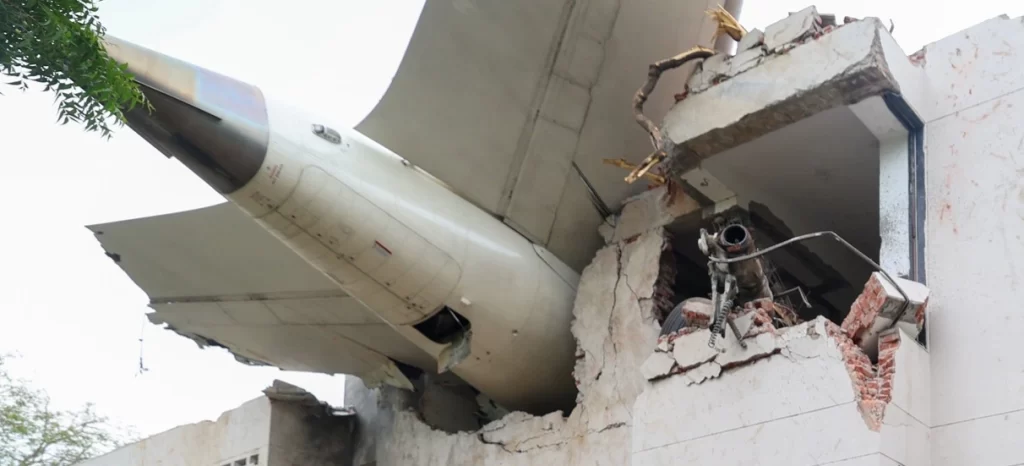
The Boeing 787-8 Dreamliner, operating as AI171 from Sardar Vallabhbhai Patel International Airport (AMD), Ahmedabad, crashed shortly after take-off on June 12, 2025, killing 260 people, including passengers, crew, and individuals on the ground. Bereaved families now argue that access to Cockpit Voice Recorder (CVR) and Flight Data Recorder (FDR) information is essential for accountability and closure.
AI171: Families of Perished Demand Black Box Data Transparency
Nearly a year after the tragedy, groups of affected families have escalated their demands by writing to Prime Minister Narendra Modi and other authorities, including the Directorate General of Civil Aviation (DGCA) and Aircraft Accident Investigation Bureau (AAIB).
They have specifically called for the release of:
- Cockpit Voice Recorder (CVR) recordings
- Flight Data Recorder (FDR) datasets
- Interim findings from the ongoing investigation
Families argue that these records are indispensable in reconstructing the sequence of events that led to the crash and in determining whether technical faults, operational errors, or systemic lapses were involved.
In a statement cited by multiple reports, victims’ relatives emphasized that financial compensation cannot substitute for truth. One grieving parent stated, “We don’t want money, we just want to know what happened.”

Air India AI171 crash: timeline and investigation status
Air India flight AI171 departed Ahmedabad en route to London Gatwick but crashed seconds after take-off into a medical college hostel complex. The accident resulted in the deaths of 241 onboard and at least 19 on the ground, making it one of India’s deadliest aviation disasters in recent history.
Key timeline of events
| Date | Development |
|---|---|
| June 12, 2025 | AI171 crashes shortly after departure from AMD |
| Within 28 hours | Black boxes (CVR & FDR) recovered |
| June–July 2025 | Multinational investigation initiated (India, US, UK, Boeing) |
| 2025–2026 | Ongoing analysis of flight data and cockpit recordings |
| April 2026 | Families demand release of black box data |
Investigators have focused on multiple technical parameters, including engine performance, flap configuration, and possible mechanical anomalies, though no official final report has been released to date. One has to note that the Federation of Indian Pilots (FIP) has objected to the Aircraft Accident Investigation Bureau’s (AAIB) regarding the summoning of the deceased pilot.

Grievances extend beyond data access
Families have also raised concerns about broader issues surrounding post-crash management and communication. These include:
- Delays in retrieving personal belongings from crash debris
- Limited access to official updates on the investigation
- Logistical and emotional challenges during victim identification
Reports indicate that approximately 23,000 personal items were recovered, complicating identification and return processes for families.
Many relatives described the process as emotionally taxing, with inadequate institutional support exacerbating their distress.
Air India’s Response and Ongoing Support Measures
Air India has maintained that it continues to cooperate fully with investigative authorities and remains committed to supporting affected families. In official communications, the airline confirmed:
- Interim compensation has been disbursed to several families
- Dedicated assistance teams and counselling services were deployed
- Facilitation centres and helplines were established for affected relatives

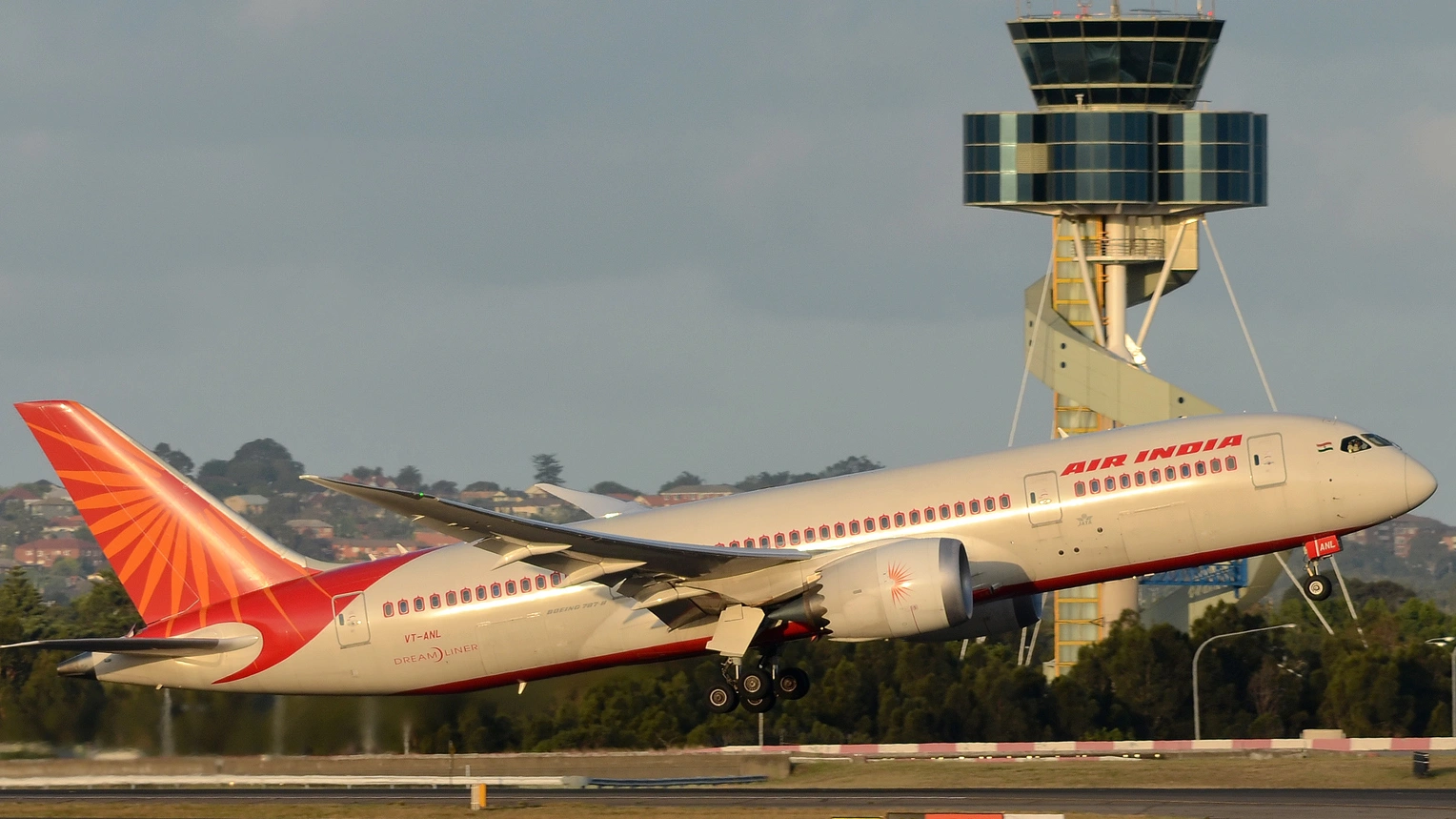
The aircraft involved in Air India 171 acident
Photo: RyanZ225 PC (aka ZhangerAviation) | Wikimedia Commons
The airline stated it would provide updates “as verified information becomes available,” while emphasizing that the investigation remains under the jurisdiction of regulatory authorities.
Why Black Box Data Matters in Aviation Investigations
Black box systems—comprising the CVR and FDR—are central to modern accident investigations. They capture:
- Pilot communications and cockpit environment
- Aircraft performance parameters (speed, altitude, engine metrics)
- System warnings and control inputs
Aviation safety experts assert that timely disclosure of such data, even in summarized form, can enhance public trust and prevent speculation. However, regulators often delay full release until investigations conclude to preserve evidentiary integrity.
The families’ appeal reflects a broader demand for institutional accountability in high-fatality aviation accidents. Legal representatives and international observers have similarly called for greater transparency, warning that prolonged opacity risks eroding public confidence in aviation oversight.
According to Attorney Mike Andrews, who is representing these families, if the probe uncovers a technical fault, such as with:
- FADEC system
- throttle controls
- or other aircraft components
….a product liability lawsuit could be pursued in a U.S. federal court:
“If Boeing is found responsible, he said the US legal system offers individuals and families a fair chance to hold multinational corporations accountable. He also noted that if Air India is found liable, claims would fall under the Montreal Convention. However, he emphasised that legal steps depend entirely on full access to flight recorder data, which he said the Indian authorities and Air India currently possess.”
While authorities have not publicly committed to releasing the black box data, the issue is likely to remain a focal point as the investigation progresses.
All in All
For the families, however, the issue remains deeply personal. Their demand is not merely procedural—it is a call for clarity, accountability, and closure after one of the most devastating air disasters in recent memory.
Although the families have received the agreed-upon financial compensation, they stressed that money cannot substitute for understanding or accountability. They underscored that true closure requires more transparency and active communication from the authorities involved.



_(51811148072).jpg)
.jpg)
.jpg)