KLM Royal Dutch Airlines (KL), which is one of the many carriers that canceled flights over Israel and Iran, operates with some of the most expensive flight crew compensation structures in global commercial aviation, driven by high pilot and cabin crew salaries that dwarf those of direct European peers.
According to data from Da Telegraaf, KLM’s long‑haul flight crew remuneration, particularly for senior captains, exceeds wages at comparable airlines, contributing to elevated personnel costs that weigh on profitability. The disparity is evident in figures showing senior captains at KLM earning up to approximately €385,000 in total compensation in strong years—a rate at the higher end of the European market.
KLM Pilot and Crew Compensation Overview
To illustrate the scale of compensation within KLM’s flight operations, the following key data points are relevant:
| Crew Category | Typical Annual Salary Range (2026) |
|---|---|
| First Officer | €80,000–€254,000 gross base salary |
| Captain (Entry‑level) | €176,000–€338,000 guaranteed |
| Senior Captain (with profit share) | Up to ~€385,000 total compensation |
These figures represent base remuneration only and do not include per diems, bonuses or other allowances that further enhance total compensation for pilots on long‑haul duty rosters.
Industry observers note that KLMs fixed‑salary structure, which pays pilots a monthly wage regardless of flying hours, contrasts with other carriers that emphasize variable, flight‑hour‑based pay.
Comparative Cost Implications for KLM
The broader Franco‑Dutch Air France‑KLM group, of which KLM is a part, reported substantial personnel expenses in its 2025 financial results, with salaries and related costs forming one of the largest operating cost categories for the airline.
While the group recorded an operating profit for 2025, personnel expenses increased year‑on‑year, accounting for over €4 billion within KLM alone.
These figures emerge amid industry‑wide cost inflation driven by geopolitical headwinds and surging jet fuel prices, which have prompted carriers including KLM to raise operational surcharges and adjust revenue strategies.
Higher operational costs across the sector, including fuel and airport charges, have compressed profitability even for legacy carriers with robust route networks.
Labour Agreements and Cost Control Efforts
Employment terms for KLM cabin crew have also undergone recent adjustment through collective labour agreements that balance wage growth with cost containment.
A phased salary increase of approximately 3.25 percent, together with a one‑time allowance for full‑time cabin crew, was ratified in early 2026, aiming to improve purchasing power while preserving organisational flexibility and operational reliability, reported NL Times:
” In the collective bargaining agreements, cabin crew received a cumulative 3.25% structural wage increase spread across three stages: 1% in December 2025, 1.25% in July 2026, and 1% in January 2027. To address inflation, flight staff also received a one-time net payment of €750 in January 2026. In addition, KLM made the “80-90-100” scheme permanent, allowing older staff to work 80% of their hours for 90% pay while retaining 100% pension accrual, a benefit rarely matched by competitors. “
These negotiated gains reflect ongoing efforts to stabilize labor relations following periods of industrial action and staffing pressures.
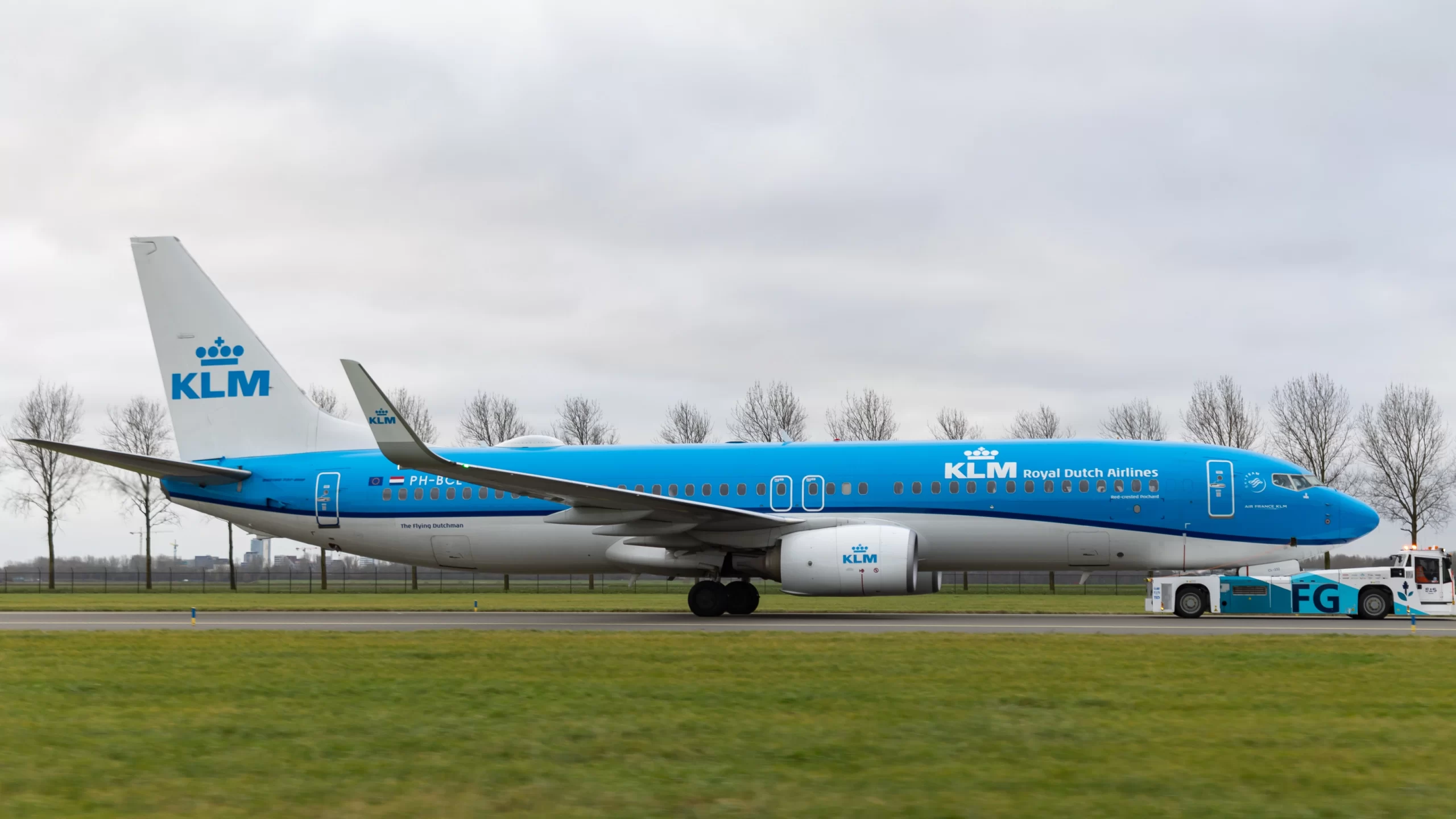
All in All
In the broader competitive landscape, legacy carriers like KLM face growing scrutiny over cost structures as high‑fuel pricing and economic volatility continue to strain airline margins globally.
Analysts note that flagship European carriers often spend a larger share of revenue on personnel relative to some competitors, and this has implications for profitability and strategic pricing. Some carriers are also reassessing workforce productivity models and negotiating new contract frameworks in response to evolving market conditions.
KLM has rolled out its “Back on Track” initiative to address rising operational costs and target an 8% profit margin between 2026 and 2028. The program seeks to enhance overall efficiency and ensure sustainable financial performance.
Key measures under the initiative include:
- Boosting labor productivity by 5% through automation and strategies to reduce absenteeism.
- Reducing administrative overhead by cutting roughly 250 office positions, allowing more resources to focus on flight operations.
- Delaying non-essential projects, including the construction of a new headquarters, to allocate funds toward fleet renewal and modernization.

The program comes amid heightened scrutiny of KLM’s financial management. CEO Marjan Rintel’s 32% pay increase last year sparked controversy, drawing criticism from finance minister Eelco Heinen, who indicated plans to challenge the raise in her capacity as a minority shareholder.
For KLM specifically, the challenge will lie in balancing competitive compensation to retain experienced flight professionals with pressures to enhance operational efficiency and maintain financial resilience amid a volatile aviation landscape.