The U.S. Department of Defense has submitted its fiscal year 2027 budget request, seeking funding for 85 F-35 Lightning II fighter jets across all military branches, with only 38 allocated to the U.S. Air Force. The proposal comes amid growing concerns over the Air Force’s aging fleet and widening fighter aircraft shortfall, Air and Space Forces reported.
Despite a $1.5 trillion defense budget under President Donald Trump that emphasizes readiness and lethality, analysts argue the allocation does not meet the scale required to rebuild the Air Force’s combat capacity in a timely manner.
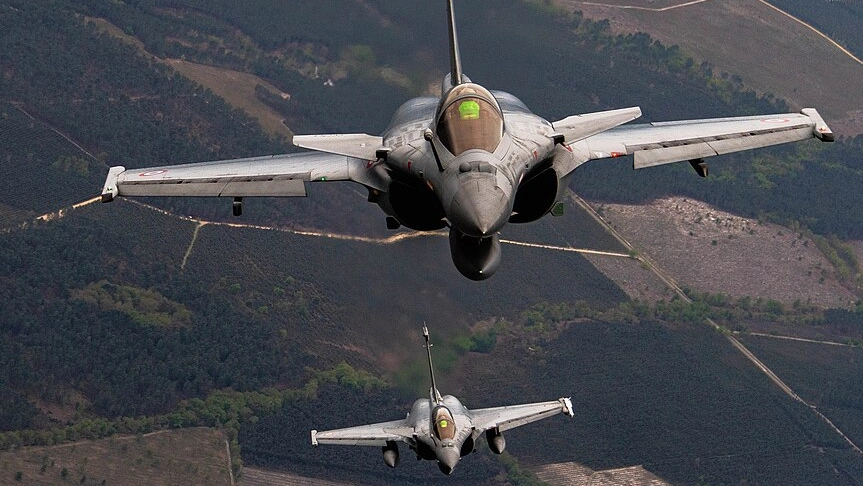
US Air Force F-35 Procurement Numbers Fall Short of Operational Requirements
The Pentagon’s request includes 38 F-35A variants for the United States Air Force (USAF), marking a modest increase from the previous fiscal cycle but still below operational expectations. Defense analysts assert that the number is insufficient to reverse long-term declines in fighter inventory.
Retired Lt. Gen. David A. Deptula, Dean of the Mitchell Institute for Aerospace Studies, emphasized the inadequacy of the allocation. In remarks cited by Air & Space Forces Magazine, he stated that “38 for the Air Force is not a serious rebuild rate” and fails to address the structural deficit in fighter numbers.
Key observations include:
- The Air Force received 14 more F-35As than the previous year
- The figure remains 10 aircraft below its own 2025 request
- This is the first time in a decade that the Air Force received less than half of total F-35 procurement
Analysts note that while total procurement supports industrial stability, it does not translate into meaningful force expansion.
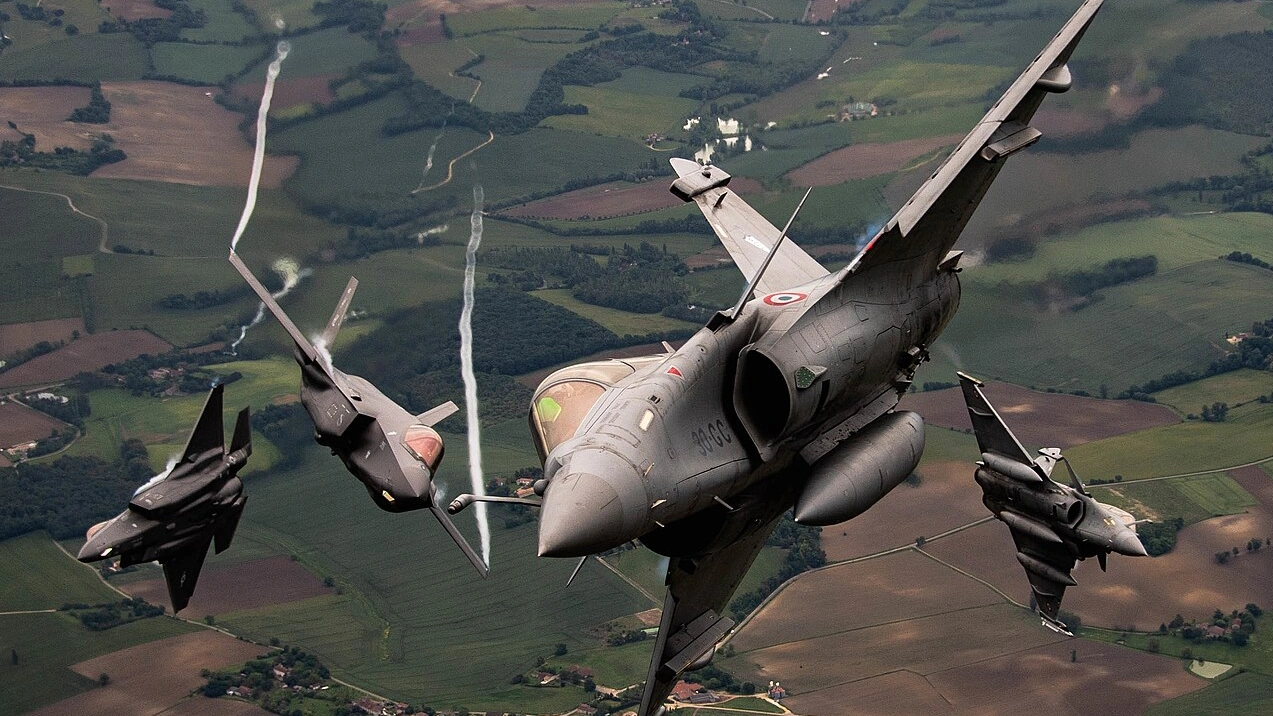
F-35 Lightning II program: An Overview
| Parameter | Details |
|---|---|
| Aircraft Name | F-35 Lightning II |
| Manufacturer | Lockheed Martin |
| Variants | F-35A (Air Force), F-35B (STOVL), F-35C (Carrier-based) |
| Role | Multirole stealth fighter |
| Generation | Fifth-generation |
| Key Features | Stealth, sensor fusion, network-centric warfare |
| Primary Users | U.S. Air Force, Navy, Marine Corps, allied nations |
The F-35 remains the most advanced fighter currently in large-scale production, forming the backbone of U.S. and allied tactical airpower strategies.
Competing Programs Strain US Air Force Budget Priorities
The Air Force faces competing financial obligations that directly impact procurement decisions. Funding is simultaneously directed toward next-generation platforms and strategic deterrence systems.
Major programs influencing budget allocation include:
- F-47 sixth-generation fighter development
- B-21 Raider stealth bomber program
- Sentinel intercontinental ballistic missile (ICBM) modernization
- Collaborative Combat Aircraft (CCA) initiative
- Munitions stockpiling and readiness recovery
Deptula described the situation as “budget triage,” warning that continued reliance on a “divest to invest” strategy could undermine modernization efforts if procurement fails to keep pace.
The White House budget prioritizes the rapid development of the F-47, though detailed funding breakdowns for programs such as the B-21 and CCA remain embedded within broader accounts.
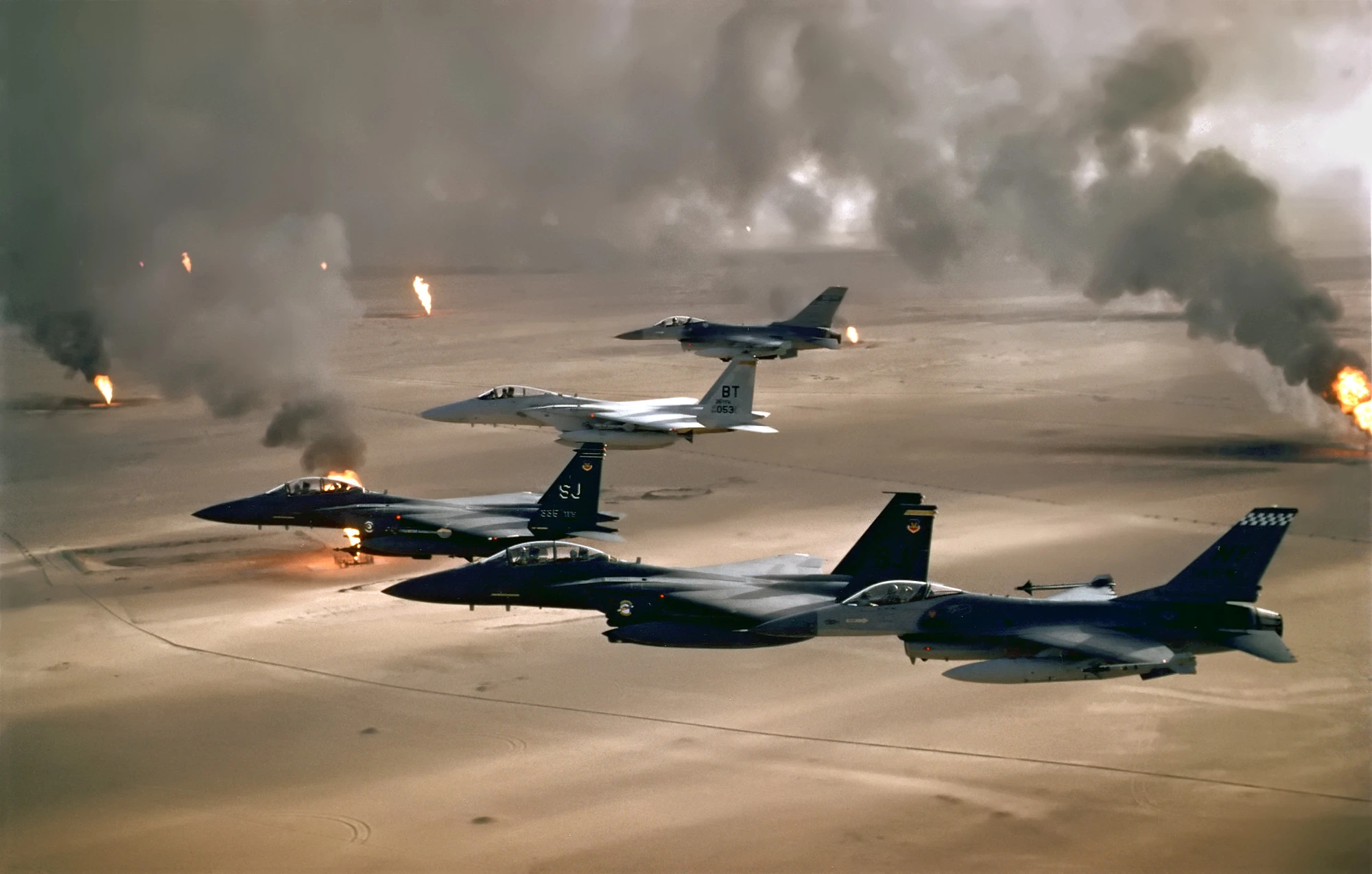
Retired Military Leaders Call for Increased F-35 Procurement
Concerns over procurement levels are not limited to analysts. In July of the previous year, 16 retired four-star Air Force generals submitted a formal appeal to Congress advocating for increased F-35 acquisition.
Among them:
- Gen. Philip M. Breedlove emphasized the aircraft’s role in immediate combat readiness
- Gen. T. Michael Moseley highlighted interoperability with allied forces
According to reporting by Reuters and Air & Space Forces Magazine, the generals stressed that allied nations have structured their airpower strategies around the F-35 ecosystem, making U.S. procurement levels critical for coalition operations.
They also recommended continued investment in engine upgrades to enhance performance rather than reducing production rates.
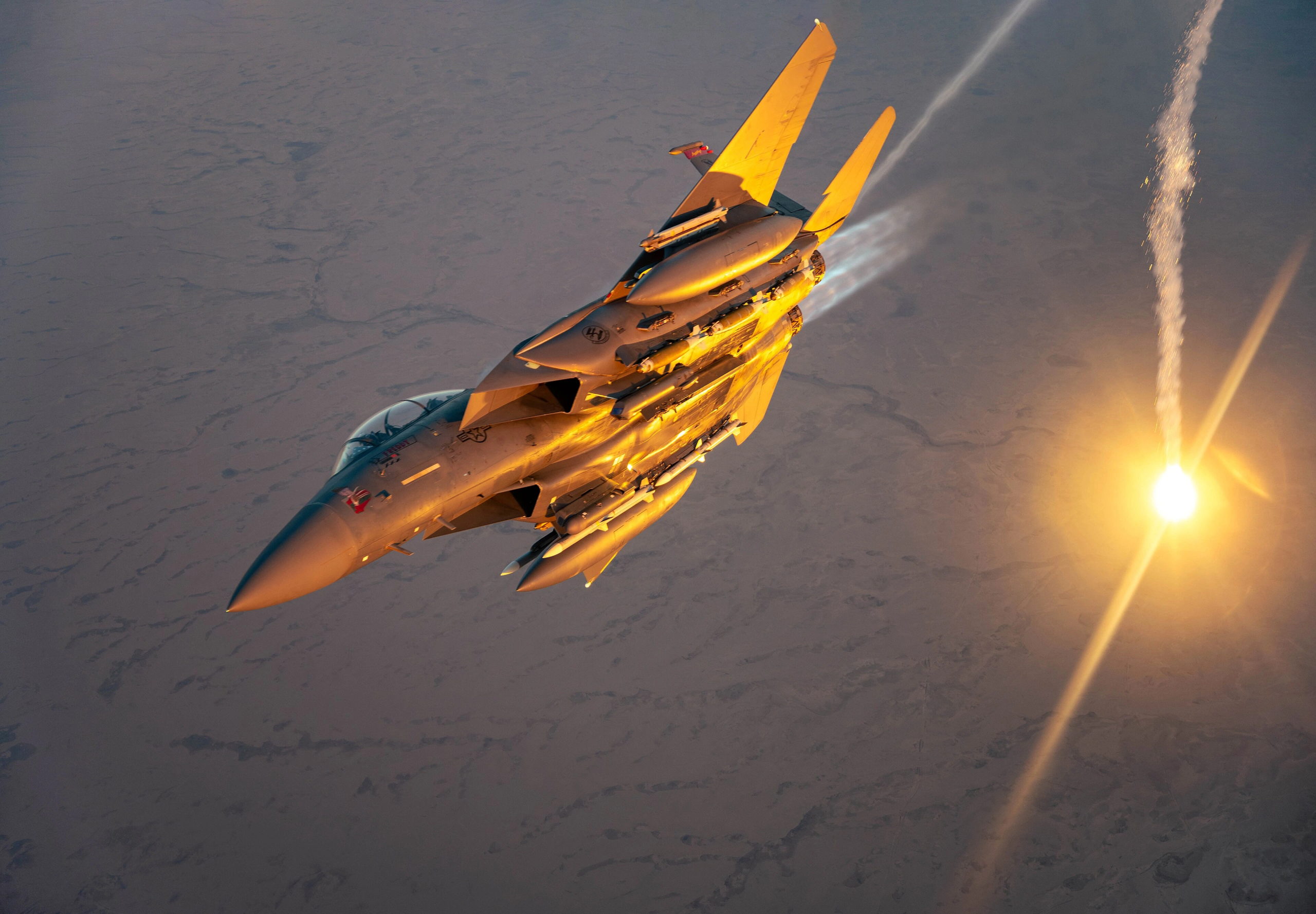
US Defense Budget Shifts Focus Toward Naval Shipbuilding
While Air Force procurement drew scrutiny, the FY2027 budget places significant emphasis on naval expansion. The proposal includes $65.8 billion for shipbuilding, covering both battle force and auxiliary vessels.
Breakdown of naval allocation:
- 18 battle force ships
- 16 non-battle force ships
- Increased emphasis on maritime power projection
Deptula characterized this focus as a “strategic communications centerpiece,” cautioning against interpreting it as a reduction in airpower importance. He advised stakeholders to await detailed budget justifications before assessing long-term impacts.
All in All
The reduced F-35 allocation highlights a fundamental challenge in balancing modernization with current operational readiness. While next-generation systems promise long-term advantages, near-term capability gaps may persist.
Experts argue that without sustained procurement increases, the Air Force risks maintaining the smallest and oldest fighter fleet in its history. This could impact deterrence, rapid deployment capability, and allied coordination.
At the same time, maintaining production lines and industrial capacity remains a critical strategic objective, even at lower procurement rates.