Facing a surge in jet fuel costs driven by ongoing Middle East tensions, Chinese airlines are adopting a series of innovative measures to safeguard profit margins and improve operational efficiency.
Major carriers, including China Eastern Airlines (MU), Air China (CA), and China Southern Airlines (CZ), are tightening weight controls and optimizing fuel usage across their fleets. These steps come as airlines expand flights over Russian airspace and increase services from key hubs like Guangzhou (CAN) and Beijing (PEK) to Europe, both strategies aimed at reducing fuel consumption and flight times.
According to the International Air Transport Association, the average price of jet fuel for the week ending March 27 soared to US$195 per barrel, nearly doubling from US$99.4 recorded just a month earlier. This had led to United Airlines even increasing checked bag fees by $10.
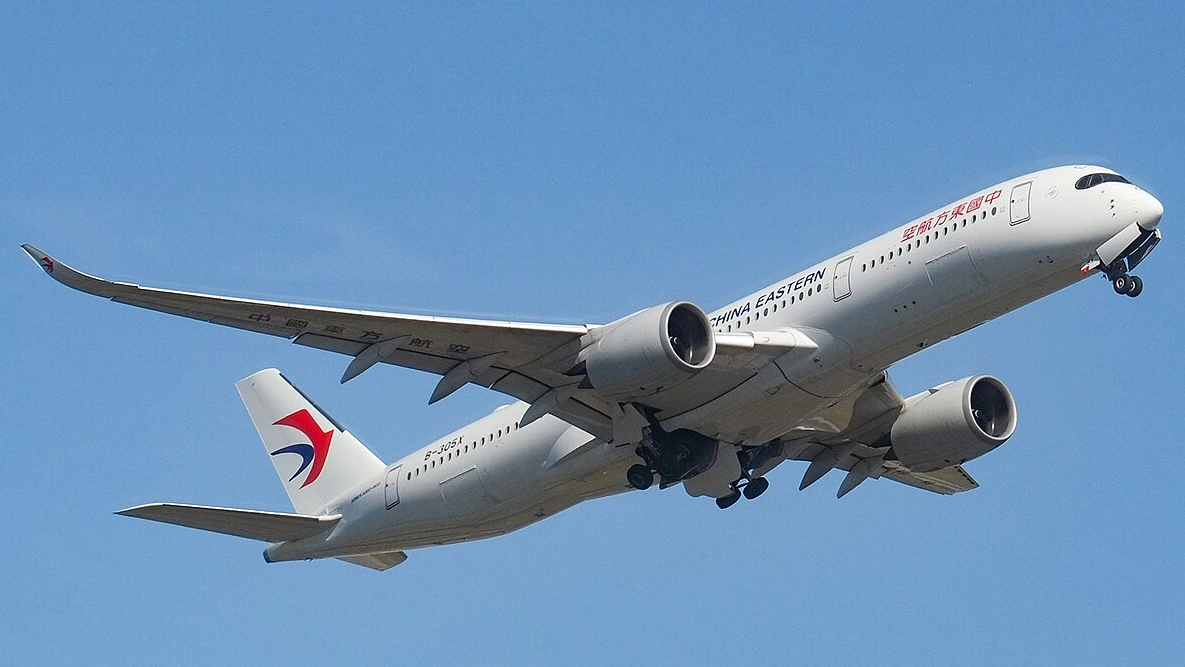
Streamlined Operations for Maximum Efficiency for China’s Carriers
Chinese carriers are implementing meticulous weight and fuel management protocols. Load and weight calculations have become stricter, and pilots are adjusting taxiing procedures, sometimes operating on a single engine when safety allows.
Fuel uplift planning is being refined to avoid carrying unnecessary reserves, while non-essential onboard items, including in-flight magazines, have been removed to trim every possible kilogram.
Pilots are also flying at higher altitudes, taking advantage of thinner air to reduce aerodynamic drag and lower fuel burn—a practice requiring precise planning and coordination. According to a pilot from a low-cost airline, even modest savings of 50–100 kilograms of fuel per flight can translate into tens of millions of yuan in weekly savings across thousands of flights.
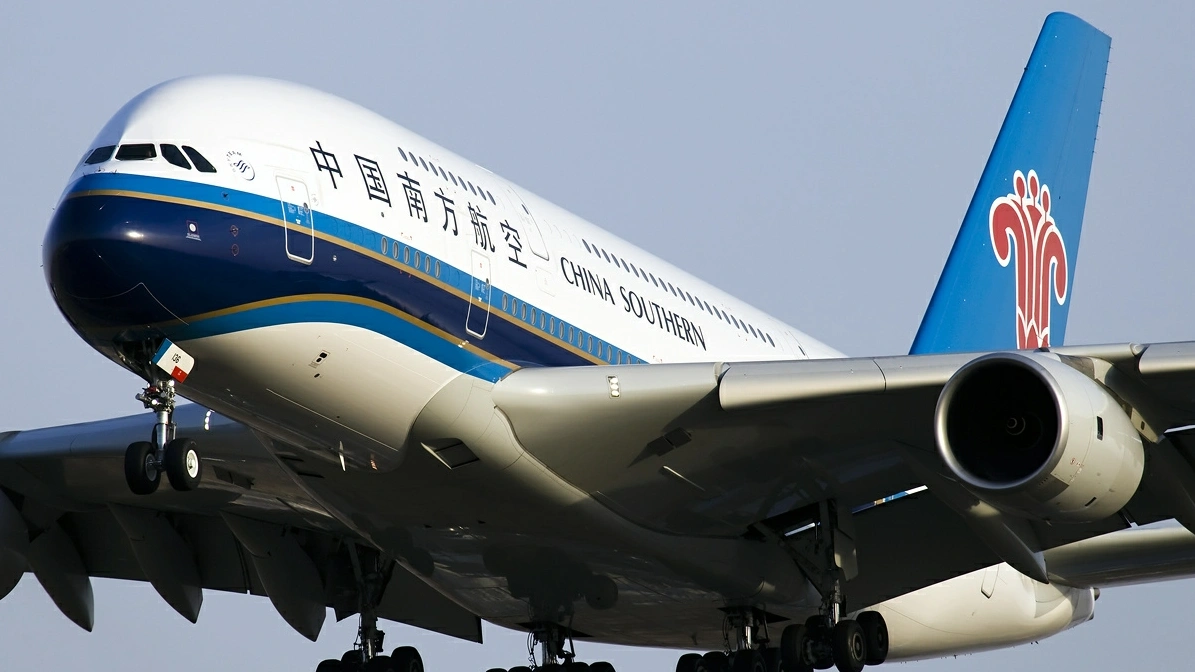
Soaring Fuel Costs Drive Urgency in Chinese Aviation Market
According to South China Morning Post, these measures have gained urgency amid rapidly rising jet fuel prices, which approached $195 per barrel by late March—nearly double the cost just a month prior. Fuel now represents roughly 35–38% of operating costs for China’s largest airlines, amplifying the pressure to reduce consumption wherever possible.
The publication also quoted a Spring Airlines’ pilot who said:
“Small per-flight savings, even insignificant amounts like 50 to 100kg (110 to 220lbs) of fuel, can add up … if you multiply them by thousands of flights per week……This can mean tens of millions of yuan in savings.”
Strategic Route Adjustments
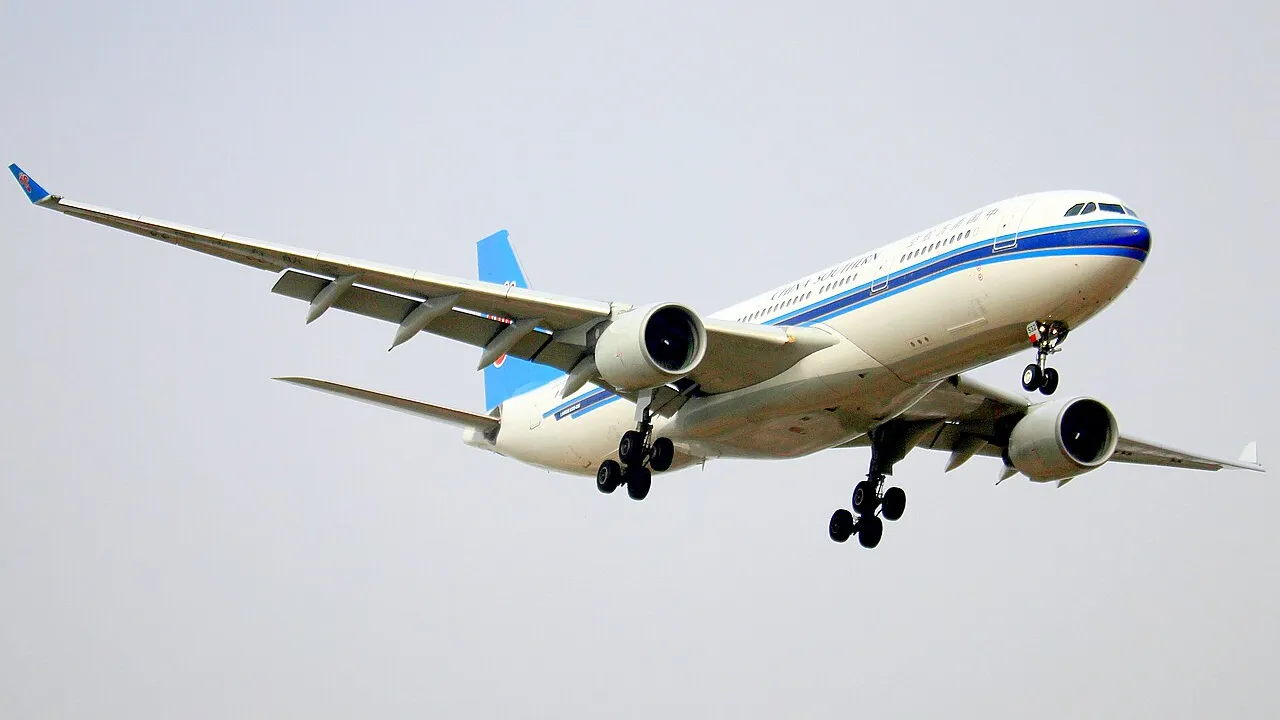
In response to economic and geopolitical pressures, Chinese airlines are redirecting routes away from suspended Middle East destinations toward Europe, leveraging Russian airspace for shorter, more fuel-efficient transcontinental flights. China Southern Airlines has launched new services connecting:
- Guangzhou (CAN) with Madrid (MAD)
- Beijing (PEK) with Helsinki (HEL).
Air China has added routes to:
- Brussels (BRU)
- Frankfurt (FRA)
- Milan (MXP)
….while China Eastern plans to resume Shanghai (PVG)–Stockholm (ARN) flights in June.
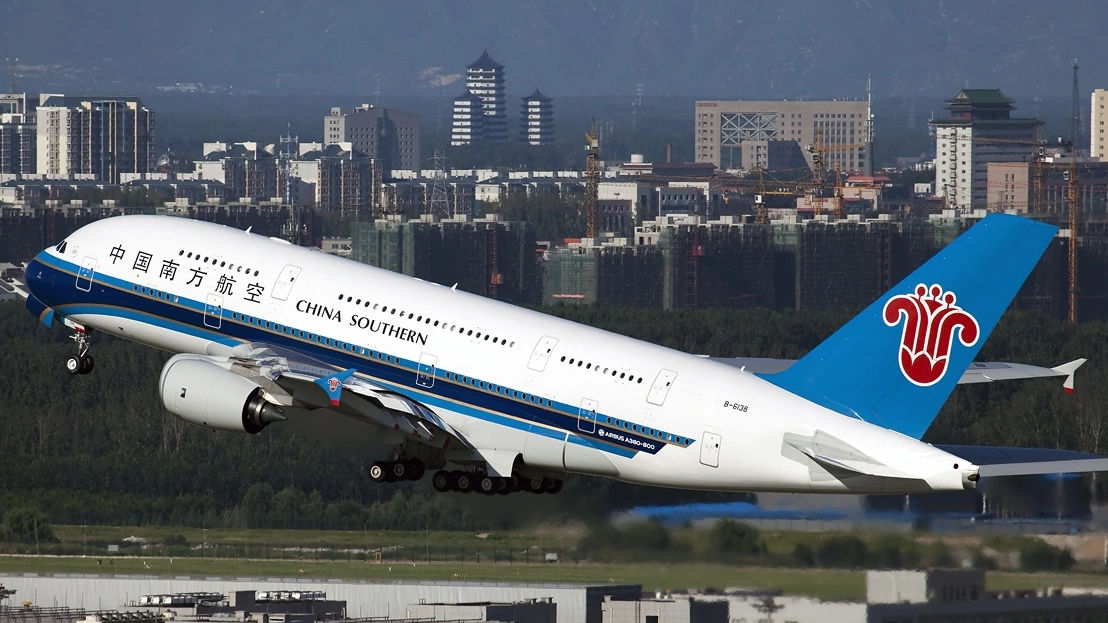
Industry data suggests nearly 2,900 additional China–Europe flights will be added in the 2026 summer schedule compared with last year, reflecting a strategy to capture growing demand while maximizing operational efficiency.
Access to Russian airspace allows carriers to reduce both flight times and fuel burn relative to competitors who must navigate longer detours. Aviation experts note this overflight capability offers a distinct competitive advantage, though it may trigger complaints from European carriers over uneven access.
Navigating Regulatory and Market Pressures
China’s Civil Aviation Administration (CAAC) has adopted a cautious stance regarding fuel surcharge adjustments, balancing airline requests with broader demand concerns. Some carriers have signaled potential hikes, but regulatory oversight has tempered abrupt increases. South China Morning Post also reported CAAC’s figures which showed that:
“Airlines and airport operators reported a combined profit of 6.5 billion yuan (US$940 million) last year, down from 54.1 billion yuan in 2019….According to their annual reports, only one of the big three, China Southern, reported a profit for 2025, thanks partially to a fall in fuel prices last year. Now, with costs quickly mounting, they are in for more trying times.”
Meanwhile, curbs on jet fuel exports aim to secure domestic supply, stabilizing the internal market but placing additional cost pressures on airlines seeking competitive fuel pricing.
In the face of escalating fuel costs and shifting global routes, Chinese airlines are demonstrating how meticulous operational adjustments—from minor weight savings to strategic flight paths—can have a substantial impact on profitability in a volatile global environment.
_at_SYD_02.jpg)

_Boeing_787-9_Dreamliner_VGHS.jpg)

